News

Why Must Expansion Gaps Be Reserved While Installing Alumina Alumina Ceramic Wear Liners?

2026-09-20 0 Leave me a message
Alumina Ceramic Wear Liner · Expansion Gap Guide

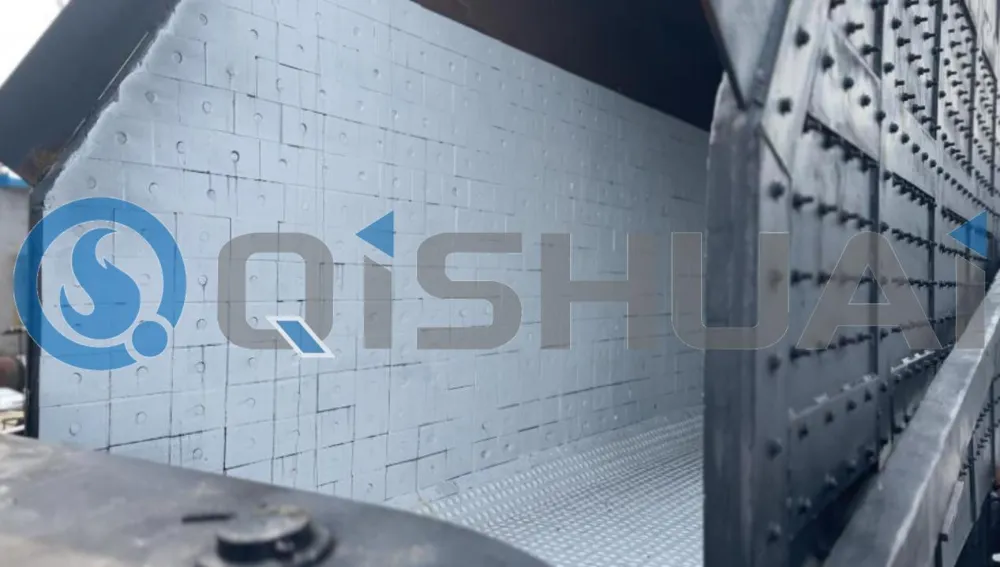
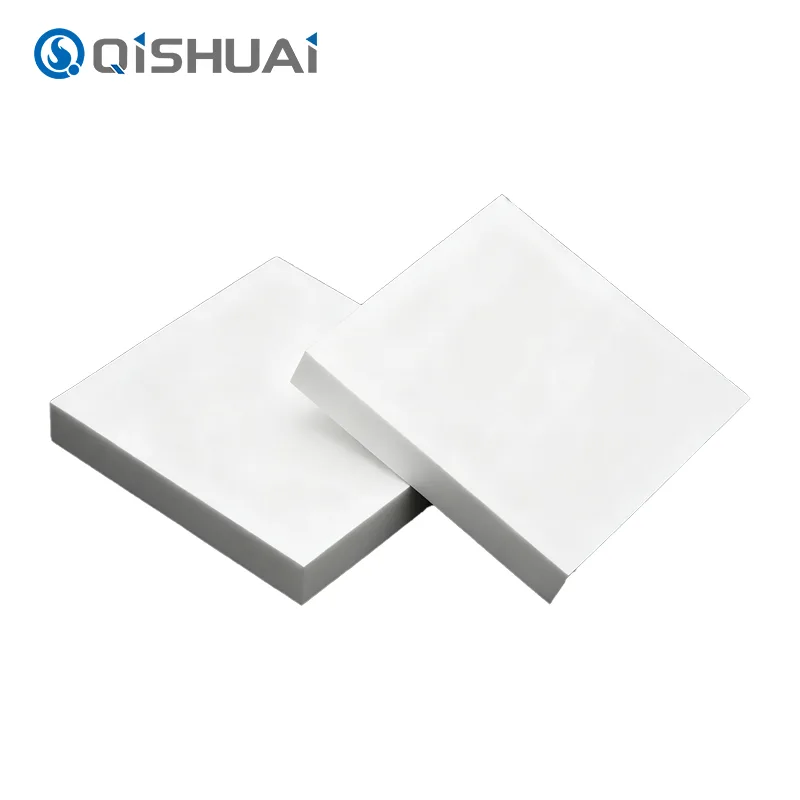
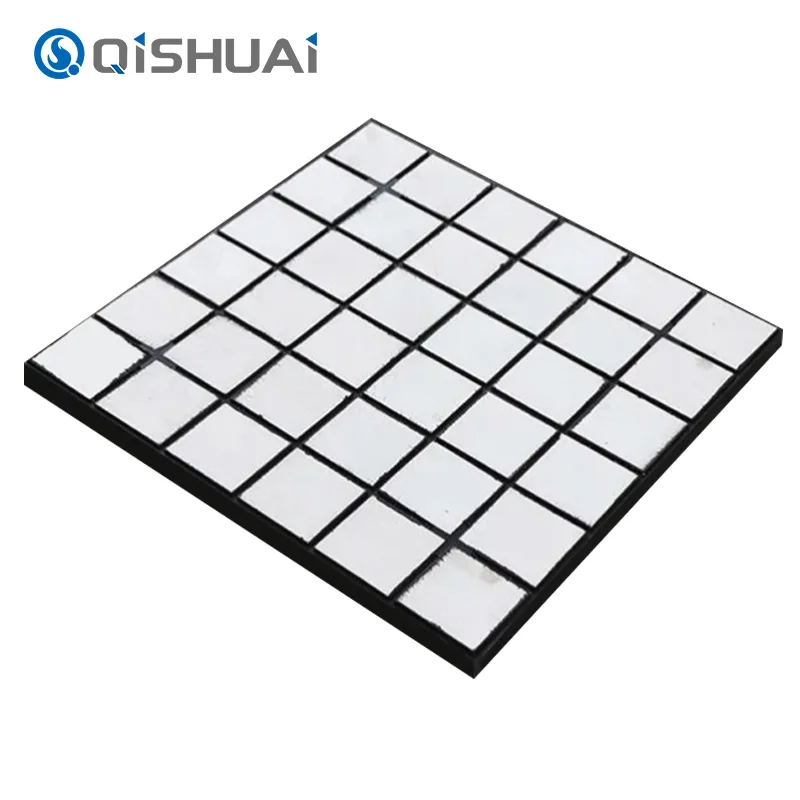
Shandong Qishuai Wear-Resistant Equipment Co., Ltd. often meets clients who question the purpose of gaps between Alumina Ceramic Wear Liner during installation. Many think these gaps compromise lining integrity, yet they serve a core engineering function to release accumulated stress inside ceramic-steel composite structures over long service cycles.

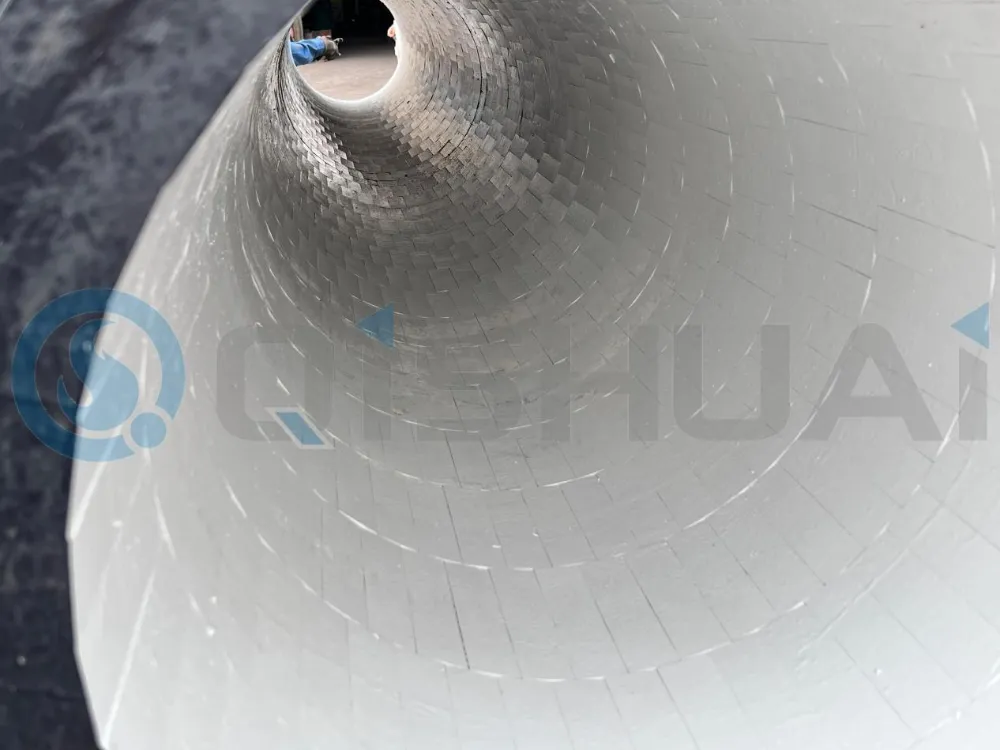
Alumina ceramic wear liner with expansion gap

Why Expansion Gaps Matter

Properly sized expansion gaps keep liners stable amid temperature swings, equipment vibration, particle impact and minor deformation of the steel base. If tiles are fitted tightly without reserved space, thermal expansion and mechanical load cannot dissipate stress, which may trigger edge cracking, chipping, adhesive failure and tile peeling. Even premium alumina ceramic will fail early, not from poor wear resistance, but trapped internal stress.

Three Field Challenges Solved

  • Thermal stress relief — for hot material conveying pipelines, cement plant chutes and industrial furnaces. Steel and alumina ceramic expand and contract at different rates; gaps accommodate dimensional variation and prevent thermal cracking.
  • Vibration and deformation buffer — steel structures vibrate under continuous load. Since alumina ceramic is hard yet brittle, gaps help the lining tolerate small structural movements.
  • Stress concentration reduction — at impact zones, feeding points and pipe elbows to avoid localised lining damage.

Filling Solutions and Sizing

These gaps are rarely left empty. Two common filling solutions are available:

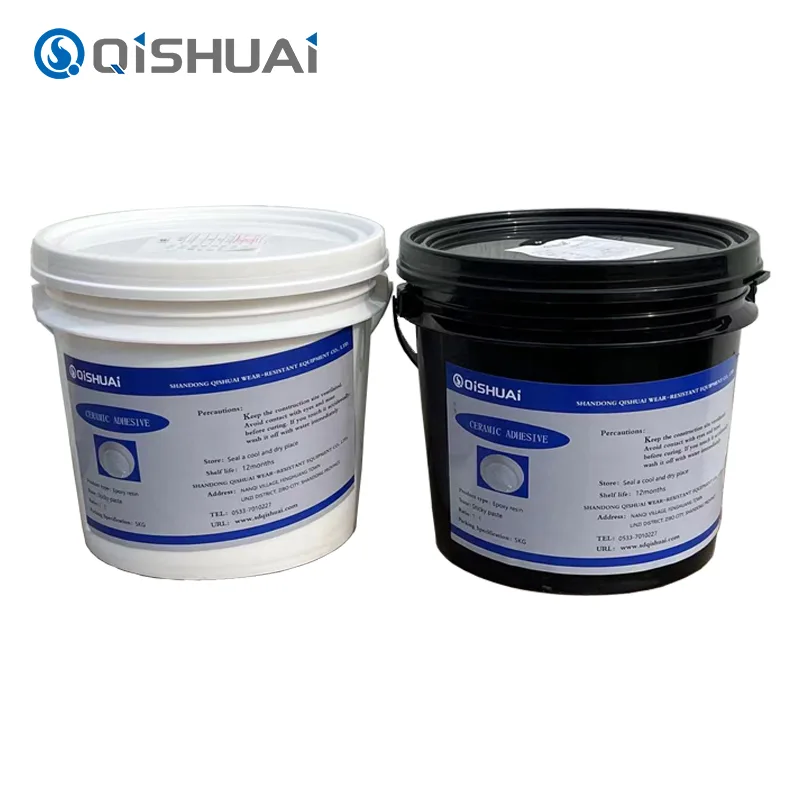
  • Ceramic epoxy filler — suits standard wear scenarios including hoppers, chutes and conveying pipes, stopping material buildup and maintaining smooth surfaces.
  • Flexible filling materials — selected for equipment with large temperature variation or heavy vibration to absorb displacement.

Gap sizing needs careful balancing. Too small gaps fail to release stress, while oversized gaps trap bulk solids and accelerate local abrasion. The final size depends on tile dimensions, operating temperature, impact intensity and installation method. Larger tiles, wider temperature fluctuation and high-impact locations demand custom gap design.

Not all lining projects adopt identical gap specifications. Standard powder conveying lines use epoxy-filled gaps, while high-temperature or heavy-impact working conditions may need upgraded lining structures beyond adjusting gaps alone. Shandong Qishuai Wear-Resistant Equipment Co., Ltd. supplies the following series to match diverse wear conditions:

  • Chromium Carbide Overlay series
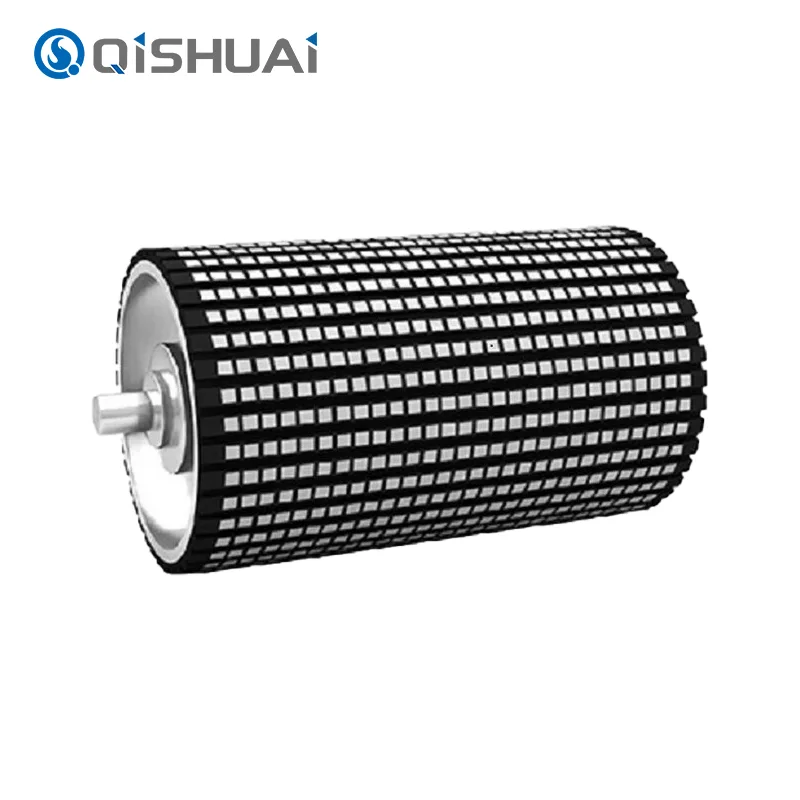
  • Ceramic Rubber Composite Plates series
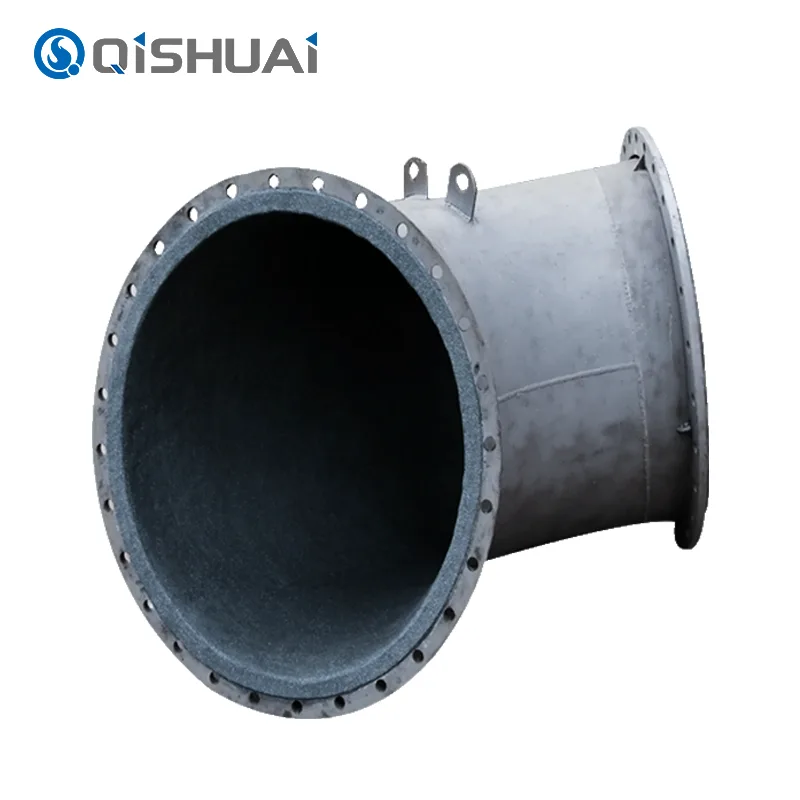
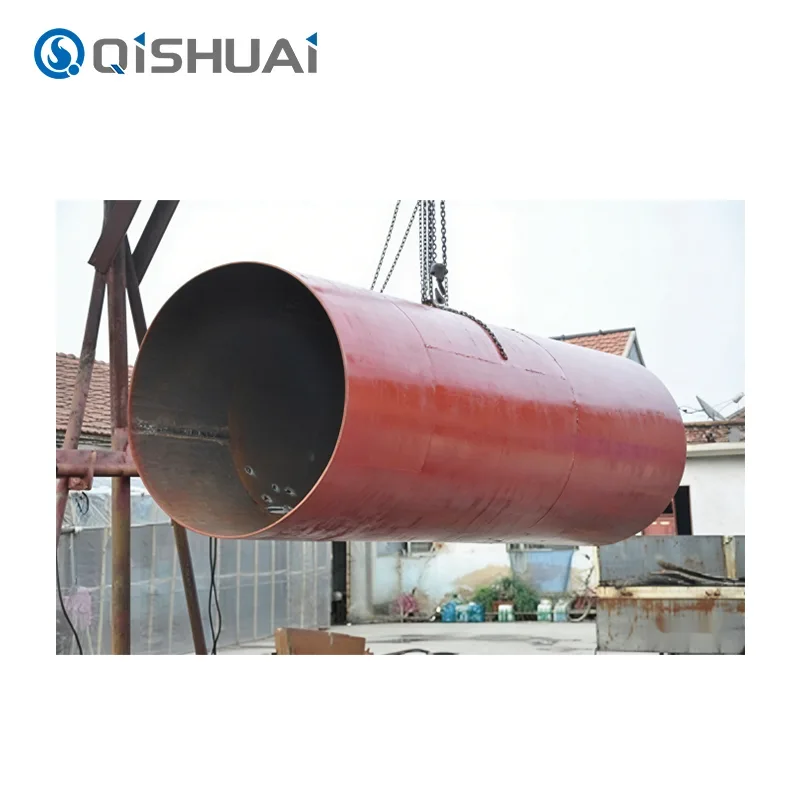
  • Composite Wear Pipe series
  • Silicon Carbide Ceramic series

Get Tailored Installation Guidance

If you plan to source Alumina Ceramic Wear Liner and need tailored installation guidance, send an email to share your working parameters. Our technical team can work out suitable gap design and lining recommendations for your site.

Related News
Leave me a message
X
We use cookies to offer you a better browsing experience, analyze site traffic and personalize content. By using this site, you agree to our use of cookies.Privacy Policy
RejectAccept