In production settings across industries such as mining, steel, cement and power generation, equipment wear is a key challenge that hampers production efficiency and increases operational and maintenance costs. Selecting a wear-resistant material suited to the specific operating conditions can effectively extend the service life of equipment and reduce downtime-related losses. As a specialist manufacturer with over 15 years’ experience in the wear-resistant sector, Shandong Qishuai Wear-Resistant Equipment Co., Ltd. focuses on the research, development, production and sale of various wear-resistant products. Thanks to its comprehensive production system, robust technical capabilities and high-quality products, the company has become a trusted partner for numerous enterprises sourcing wear-resistant materials. This article will focus on comparing the performance differences between the company’s core products—rubber-ceramic liners, Alumina Ceramic and Chromium Carbide Overlay Plates—whilst briefly introducing the company’s other key products. It aims to provide professional guidance for enterprises procuring Ceramic Rubber Composite Plates, Alumina Ceramic and Chromium Carbide Overlay Plates, thereby assisting them in making precise selections to reduce costs and enhance efficiency.
Established in 2010, Shandong Qishuai Wear-Resistant Equipment Co., Ltd. is a high-tech manufacturing enterprise integrating R&D, design, production, and installation. The company specialises in providing professional wear-resistant products and technical solutions to a wide range of industries. After more than 15 years of dedicated development, the company has established a comprehensive product portfolio and a mature service model, with its core strengths clearly evident, making it a trusted supplier of wear-resistant equipment within the industry.
Shandong Qishuai focuses on the core requirements of the wear-resistant sector: in terms of technology, it leverages a professional R&D team and multiple patents to deliver bespoke solutions; in production, advanced equipment combined with stringent quality control ensures products consistently meet standards; in terms of products, the comprehensive range covers Ceramic Rubber Composite Plates, aluminium oxide and other series, catering to multiple industries; and in terms of service, one-to-one guidance, customised production and end-to-end after-sales support ensure a worry-free experience throughout.
Rubber-ceramic liners, Alumina Ceramic and Chromium Carbide Overlay Plates are Shandong Qishuai’s core products. Thanks to their distinct material properties and performance advantages, these three products are suited to a variety of operating conditions. To assist businesses in making informed purchasing decisions, we will conduct a comprehensive and detailed comparison below, covering key aspects such as material composition, wear resistance, impact resistance, temperature resistance, ease of installation and suitable applications. By incorporating actual test data, we aim to ensure that every purchaser can clearly understand the differences between these three products and select the one best suited to their specific operating conditions.
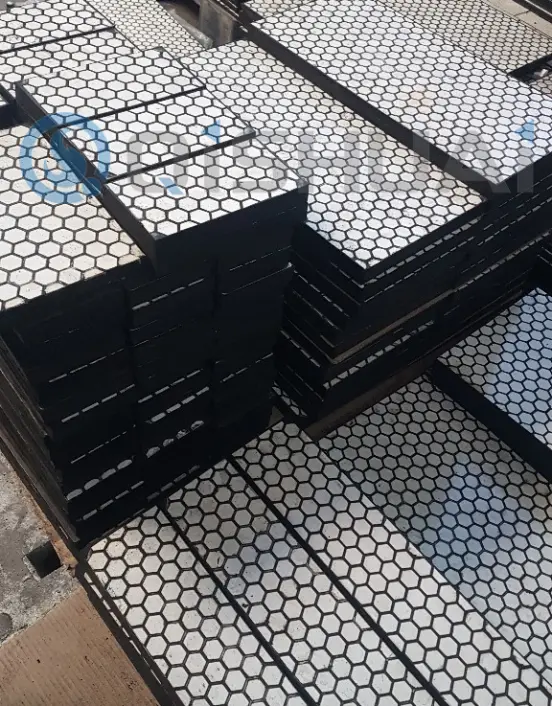
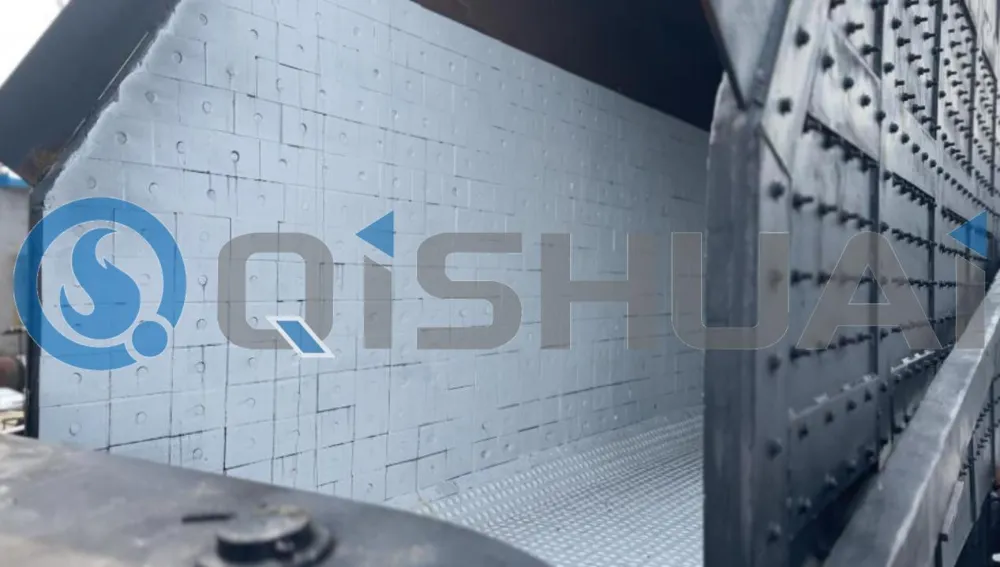
(1) Ceramic Rubber Composite Plates: The Shandong Qishuai range of Ceramic Rubber Composite Plates (including two-in-one and three-in-one composite wear-resistant plates) utilises a hot vulcanisation process to bond ceramic chips within specialised rubber; some products feature a steel plate backing, creating a composite structure of ‘ceramic + rubber’ or ‘ceramic + rubber + steel plate’. The ceramic layer utilises high-purity aluminium oxide, offering high hardness and excellent wear resistance; the rubber layer employs natural rubber with superior elasticity, effectively absorbing the impact of materials; the steel plate layer (in three-in-one products) uses high-quality low-carbon steel plate, enhancing the product’s overall stability and facilitating installation and fixing, making it the preferred material for combining wear resistance with impact resistance.
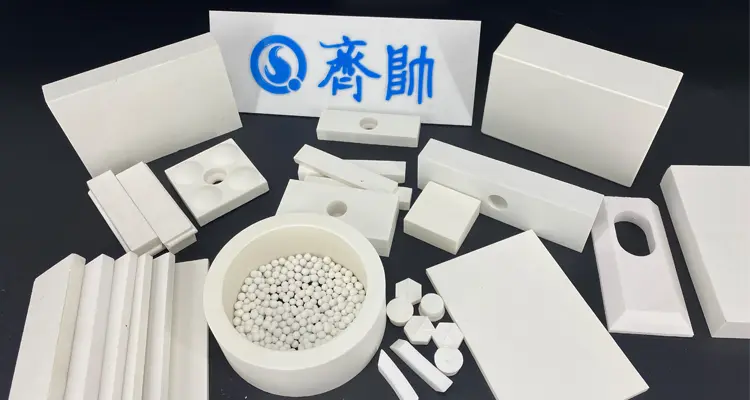
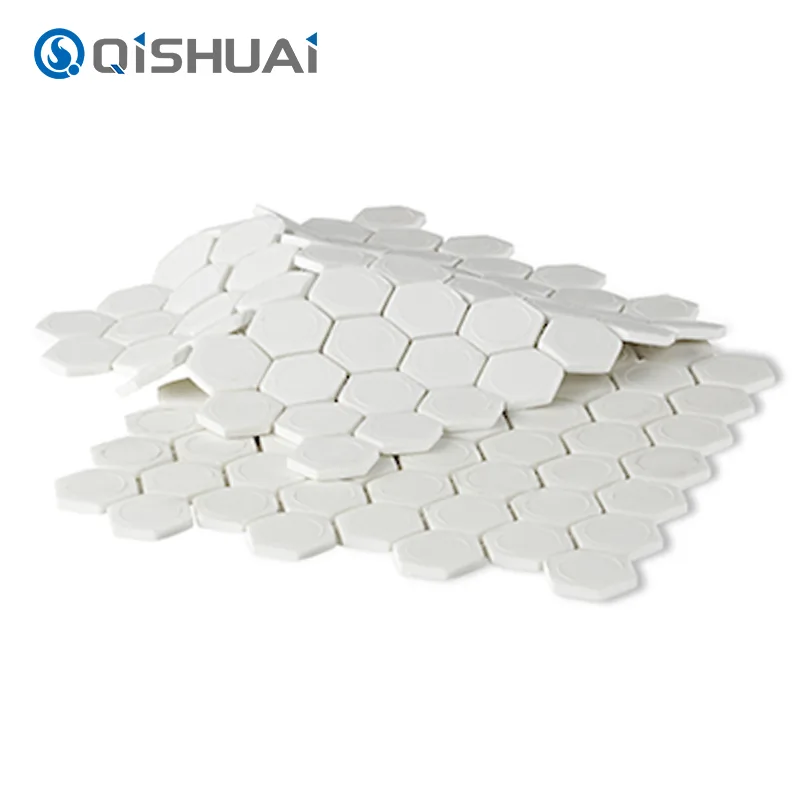
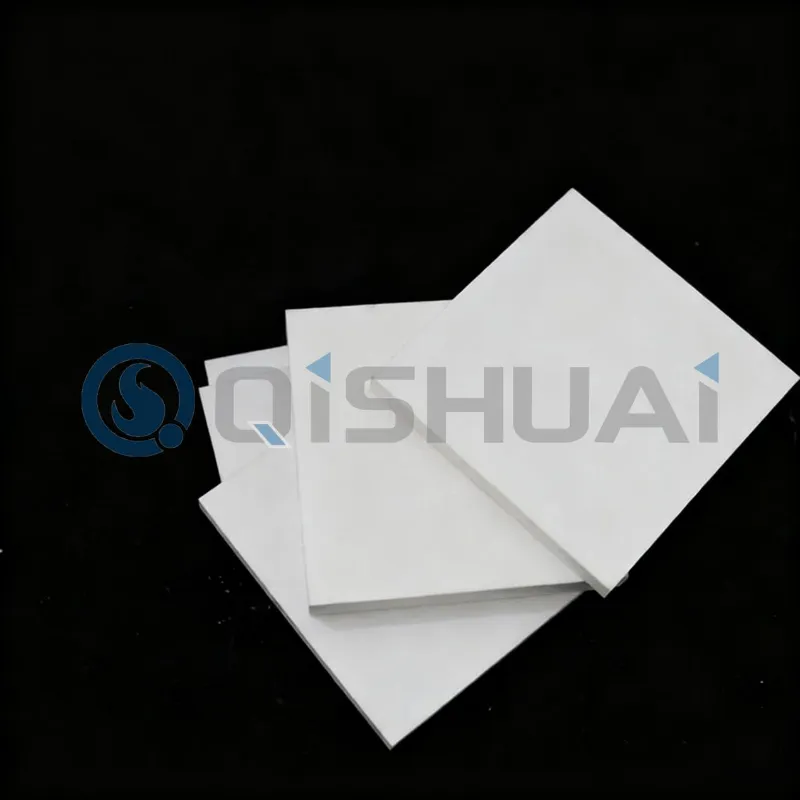
(2) Alumina Ceramics: Manufactured from 92%–95% high-purity alumina powder through high-temperature sintering, these products feature a dense structure and smooth surface, free from other composite components. Owing to their high hardness and wear resistance, they are an excellent choice for high-wear applications, primarily including ceramic lining bricks, ceramic lining plates and custom-shaped ceramic components.
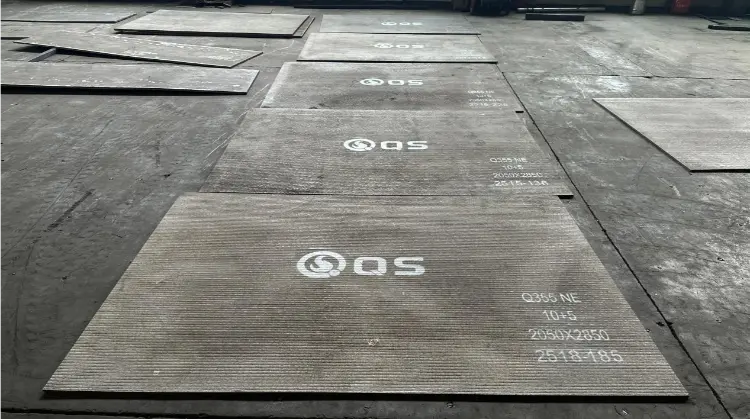
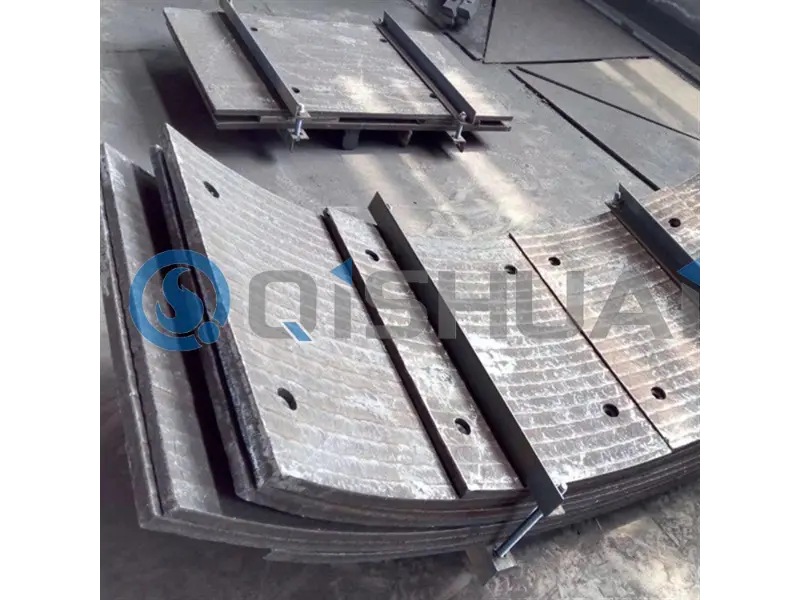
(3) Chromium Carbide Overlay Plates: Shandong Qishuai’s clad wear-resistant plates are primarily chromium carbide alloy-clad plates. Using a cladding process, one or more layers of wear-resistant alloy containing a high concentration of chromium carbide hard particles are applied to a substrate of medium- to low-carbon steel plates such as Q235. Combining the toughness of steel plates with the wear resistance of the alloy, these plates can be directly cut and welded, making them suitable for a wide range of complex installation scenarios.
To ensure the objectivity and professionalism of this comparison, the data below is derived from actual tests conducted by Shandong Qishuai Laboratory and feedback from on-site applications. Combined with industry standards, it comprehensively illustrates the performance differences between the three products, providing accurate data to support corporate procurement decisions.
| Dimensions of comparison | Ceramic Rubber Composite Plates(Shandong Qishuai) | Alumina Ceramics (Shandong Qishuai) | Chromium Carbide Overlay Plate(Shandong Qishuai) |
| Hardness (Rockwell hardness) | Alumina ceramic layer: HRA ≥ 88; rubber layer: Shore hardness 60±5 HA | HRA 88–92; relatively high hardness, approaching that of diamond | HRC 48-55 |
| Abrasion resistance (relative value) | It is 200–250 times harder than ordinary carbon steel, with uniform wear resistance and no localised wear | More than 300 times that of ordinary carbon steel, and more than 10 times that of NM400 wear-resistant steel | It is 10 to 50 times that of ordinary carbon steel, and the overlay layer exhibits outstanding wear resistance |
| Impact resistance | Excellent; the rubber layer absorbs over 80% of the impact force from materials, ensuring that the ceramic plates are unlikely to come loose or shatter, making it suitable for applications involving the impact of large pieces of material. | Poor; the material is brittle and cannot withstand severe impact; it is prone to shattering when struck by a heavy hammer or a large, hard object | High quality, combining the toughness of steel plate; capable of withstanding significant impact forces; resistant to breakage and deformation |
| Temperature resistance | -50°C to 100°C; suitable for normal operating conditions; high temperatures may cause the rubber to age | ≤1200°C; offers good high-temperature resistance and is suitable for high-temperature wear applications | ≤800°C; exhibits good high-temperature resistance and retains a certain degree of toughness even at high temperatures |
| Resistance to acids and alkalis | Good; the ceramic layer is chemically stable, and the rubber layer is resistant to standard acid and alkali corrosion (pH 3–12) | Good; does not react with most acids, alkalis or water vapour; does not rust; has strong corrosion resistance |
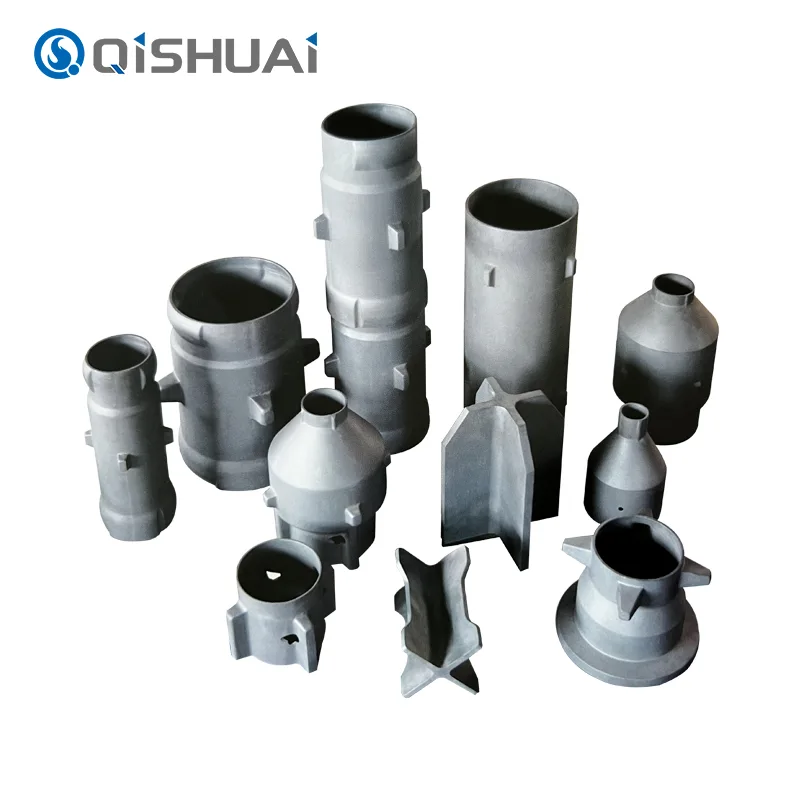
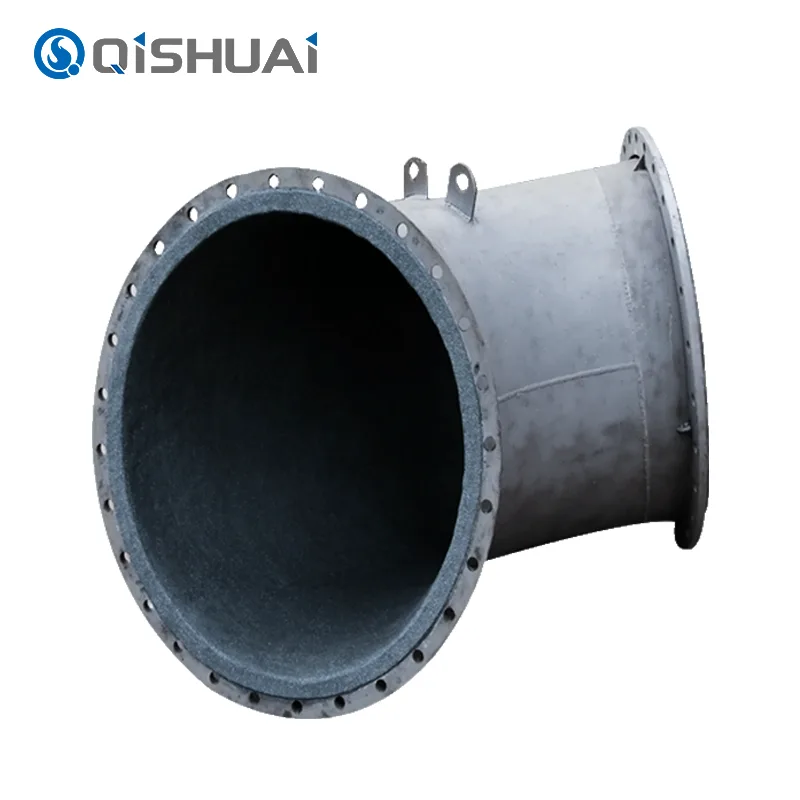
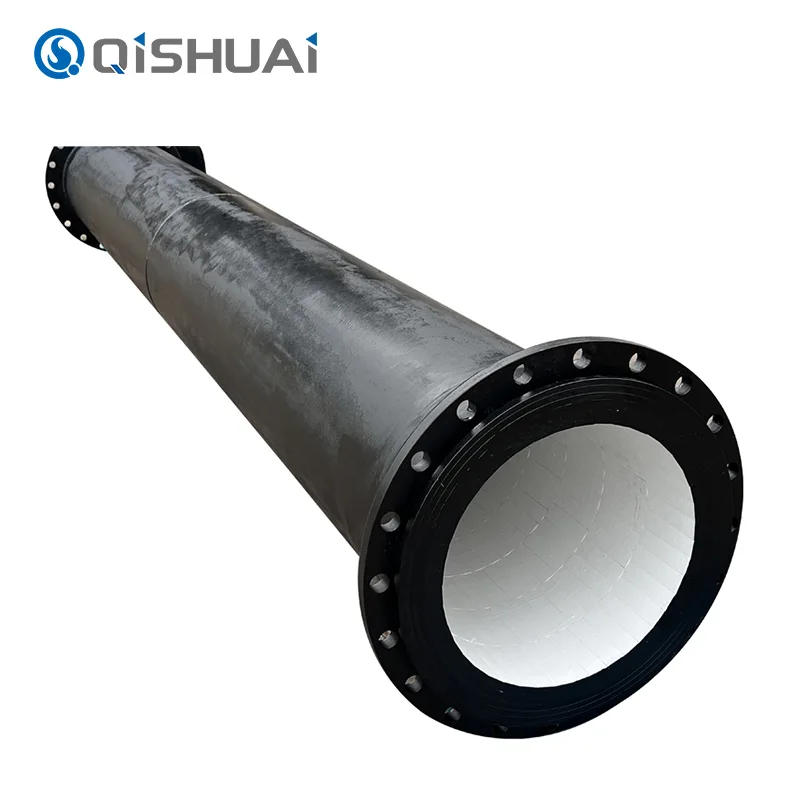
In summary,Ceramic Rubber Composite Plates, Alumina Ceramic and Chromium Carbide Overlay Plates are each suited to specific applications. The key selection criteria can be summarised as follows: for applications at ambient temperatures involving material impact,Ceramic Rubber Composite Plates are the preferred choice; for high-temperature, high-wear applications without severe impact, Alumina Ceramic are suitable; and for complex applications requiring a balance of toughness and weldability, whilst also meeting certain wear-resistance requirements, Chromium Carbide Overlay Plates are the more appropriate choice. In addition to the core products mentioned above, Shandong Qishuai also offers aluminium oxide series, composite pipe series, silicon carbide ceramic series and other products, comprehensively covering all types of wear-resistant applications and meeting the diverse procurement needs of various industries.
With over 15 years of experience in the wear-resistant sector, Shandong Qishuai has consistently focused on high-quality products and professional services, providing cost-effective wear-resistant solutions to clients across various industries. If you are still unsure about which Ceramic Rubber Composite Plates plates,, Alumina Ceramic or Chromium Carbide Overlay Plates to choose, or if you require bespoke wear-resistant products, please feel free to email us at any time. We will arrange for a technical specialist to provide you with personalised advice, helping you select the right products, reduce costs and improve efficiency, and resolve your equipment wear issues.
Email: qishuai@zbqishuai.cn