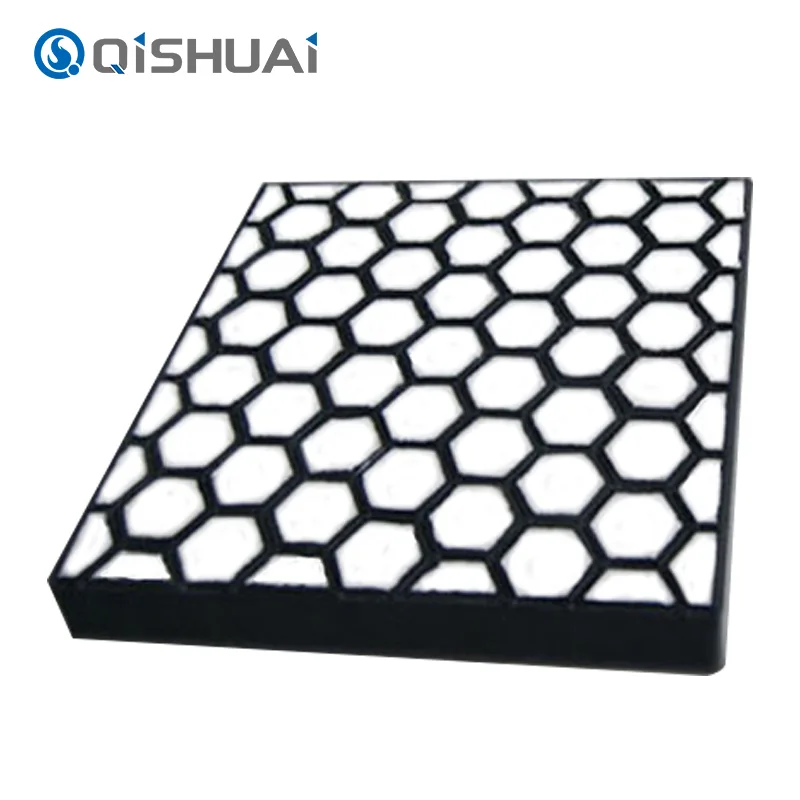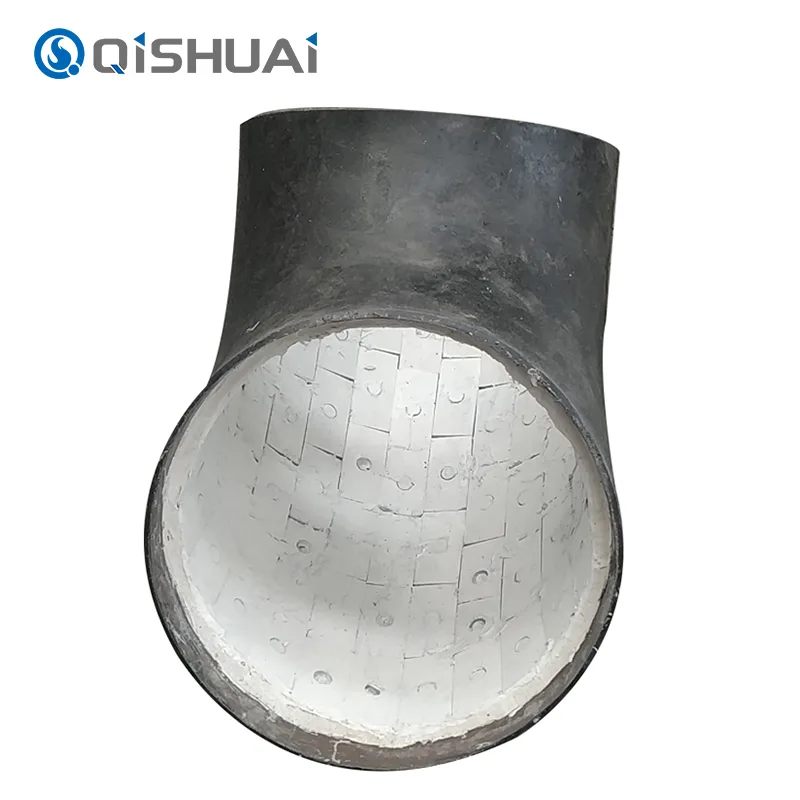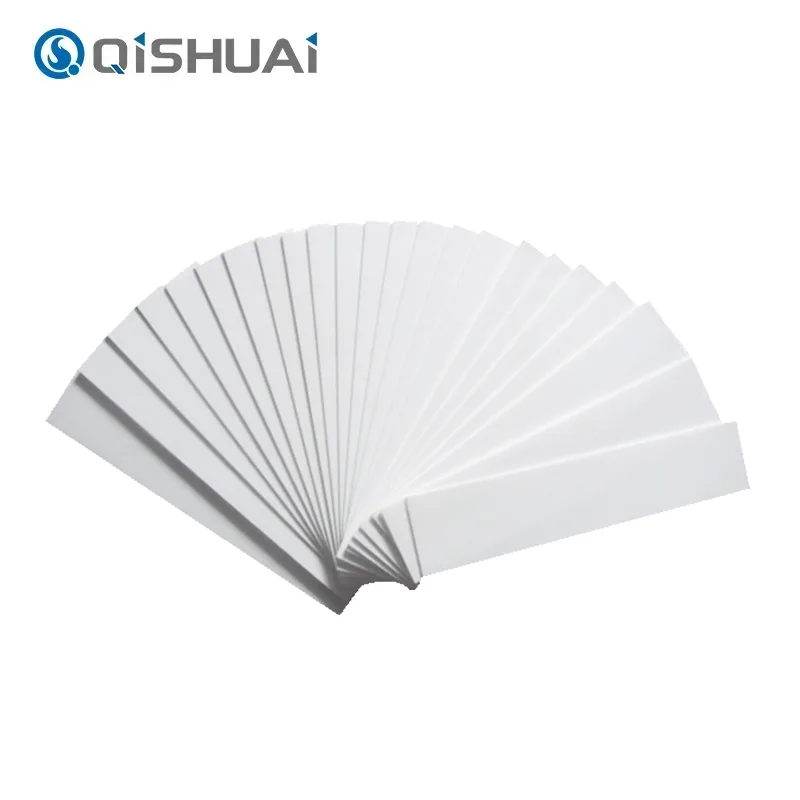
When you begin shopping for industrial wear-resistant linings, two of the most frequently considered options are 92% and 95% Alumina Ceramic Wear Tile. Both grades deliver far stronger anti-abrasion performance than standard carbon steel, and they are widely fitted inside transfer chutes, storage hoppers, conveying pipelines, mineral processing machinery, cement production facilities, and bulk material handling circuits across many industries.
Even though 95-percent alumina carries a higher purity level, many procurement engineers fall into the trap of assuming it is automatically the smarter pick. In reality, your final decision should never rest solely on alumina content. Before you confirm your order, you will need to evaluate four core site-specific factors: how abrasive your transported raw materials are, whether repeated heavy impact loads occur, how often you can schedule maintenance shutdowns, and whether the extended service life of higher-grade ceramic justifies the extra investment. Here at Shandong Qishuai Wear Resistant Equipment Co., Ltd, our technical sales team regularly helps customers compare these two ceramic grades and work out the most cost-effective lining solution for their unique operating environment.
The most obvious distinction between these two products lies in their chemical composition. 92% alumina ceramic contains roughly 92% aluminium oxide, while 95% alumina ceramic is manufactured with a higher alumina fraction, which generally creates a denser, tighter internal microstructure once sintered.
Raised alumina purity typically brings gradual improvements in several key physical properties:
• Surface hardness
• Long-term abrasion resistance
• Material density
• Erosion resistance from fast-moving solid particles
That being said, raw alumina percentage is not everything. The finished performance of your ceramic tiles will also be shaped by production standards, sintering temperature cycles, internal grain formation and pressing techniques. Well-fabricated 92% alumina ceramic liners can deliver perfectly reliable wear protection results for many moderate abrasion applications.
Within our alumina ceramic series, 92 percent alumina remains one of our most requested lining materials, thanks to its balanced mix of dependable performance and reasonable pricing. It works very well for sites exposed to continuous sliding abrasion, yet not subjected to extreme, aggressive particle scouring.
Common workplace working scenarios include:
• Coal fuel handling transfer systems
• Cement raw material conveying routes
• General-purpose fine powder transport circuits
• Standard-built chutes and receiving hoppers
Its core benefits cover solid abrasion resistance, consistent long-term performance and lower procurement costs. For equipment sections that are easy to access during routine maintenance, 92% Alumina Ceramic Wear Tile deliver adequate wear protection without forcing you to spend extra budget on over-specified high-grade materials.
Compared with 92 percent alumina, 95 percent alumina ceramic offers improved wear resistance, and this performance gap becomes much clearer under heavy, longterm abrasion from hard mineral particles.
You are likely to see the best return on investment with 95% alumina tiles in these applications:
• Quartz sand processing operations
• Hard-rock mining bulk material handling lines
• Conveying circuits for high-hardness ore concentrates
• Lithium energy raw material production equipment
• High-purity fine-powder processing systems
Key practical advantages of selecting 95 percent alumina:
• Increased surface hardness
• Better defence against sharp, abrasive mineral particles
• Slower liner wear rates
• Longer service cycles between replacements
If your plant runs 24-hour continuous operations and shutdowns carry substantial financial losses, the longer working lifespan of 95% alumina ceramic often offsets its higher upfront purchase cost. For highly corrosive or high-temperature material-handling tasks outside the scope of standard alumina, our silicon-carbide ceramic series can serve as an alternative lining choice.
One of the very first checks our engineers carry out is analysing the hardness and abrasiveness of the material flowing through your equipment. When you transport relatively soft feedstock such as coal dust or common industrial fine powders, 92% alumina ceramic liners will usually deliver sufficient service life. If you are moving harder substances including quartz, iron ore and mineral concentrates, these particles will continuously scour the inner lining surface. In these cases, upgrading to 95% alumina ceramic tiles will bring noticeable long-term improvements. As a general guideline, the harder and more abrasive your bulk material, the greater value you gain from higher-purity alumina linings.
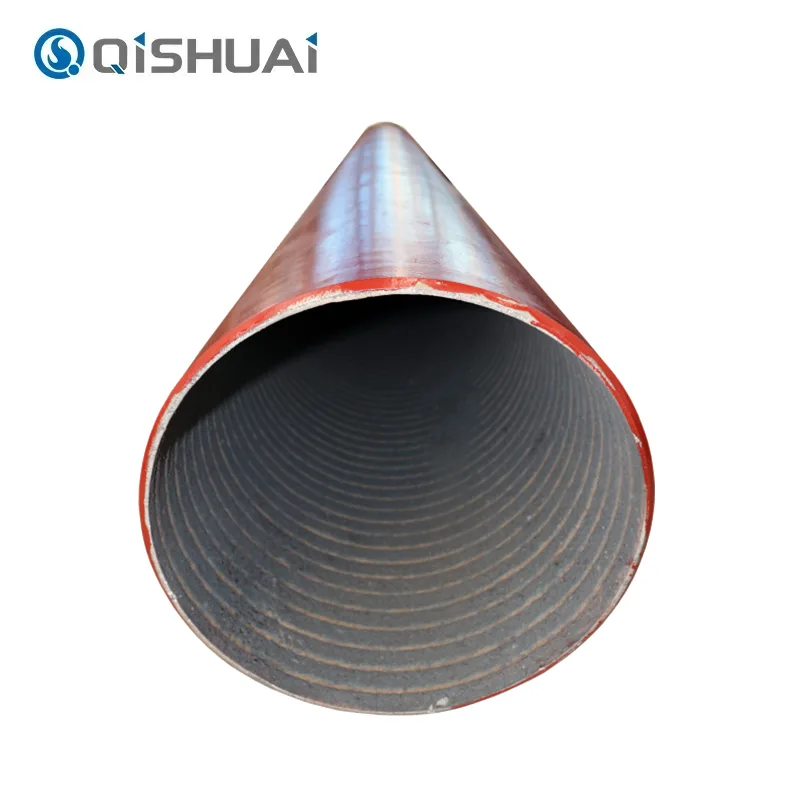
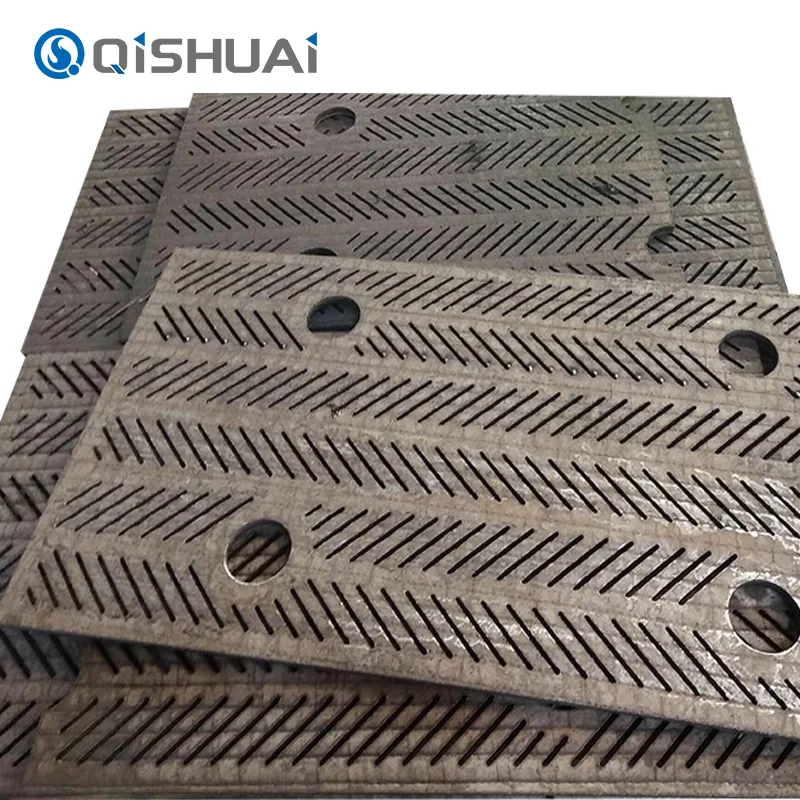
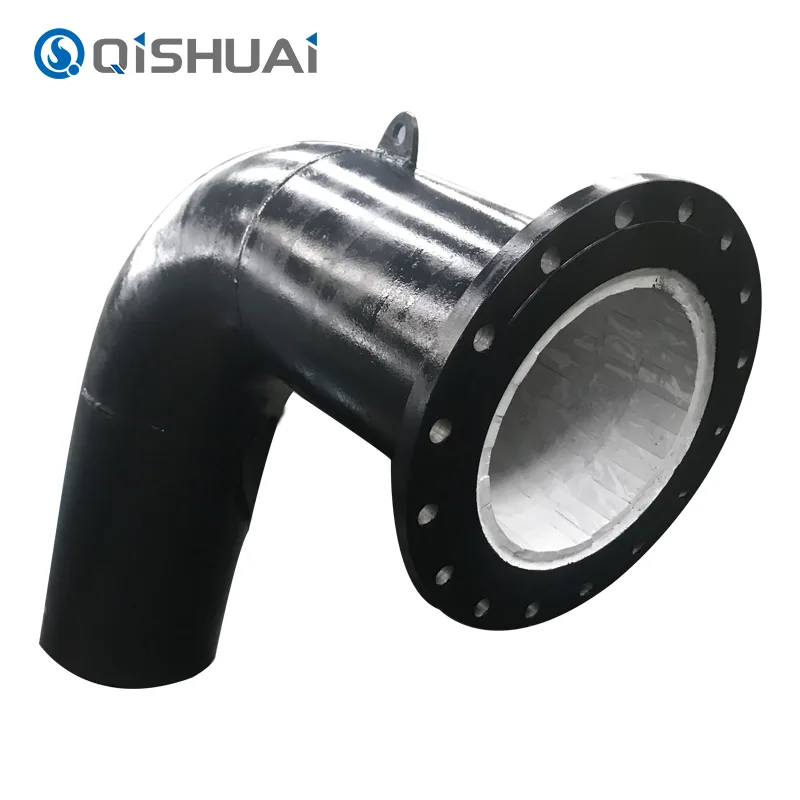
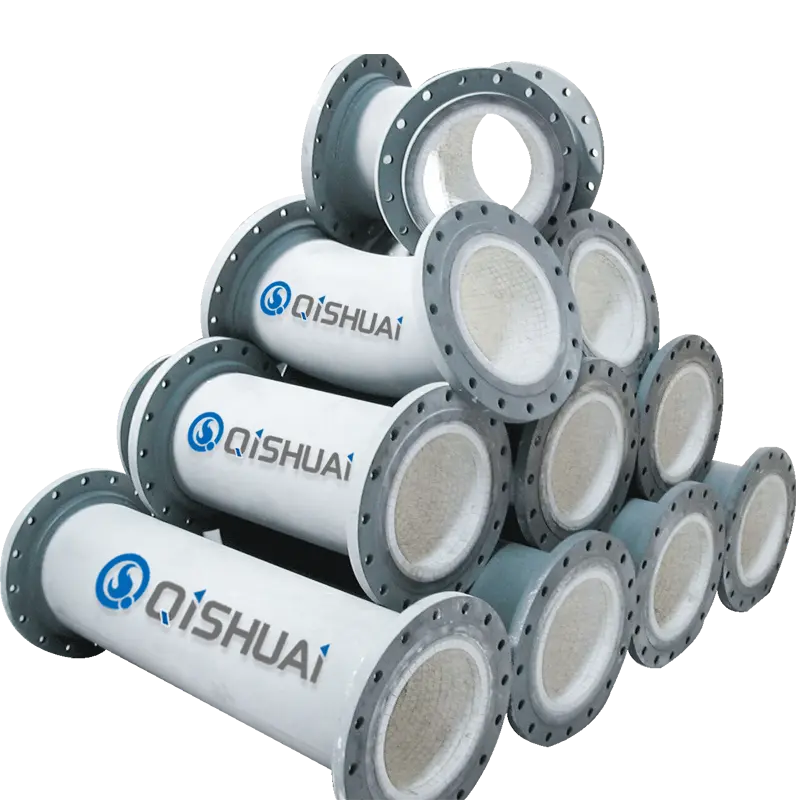
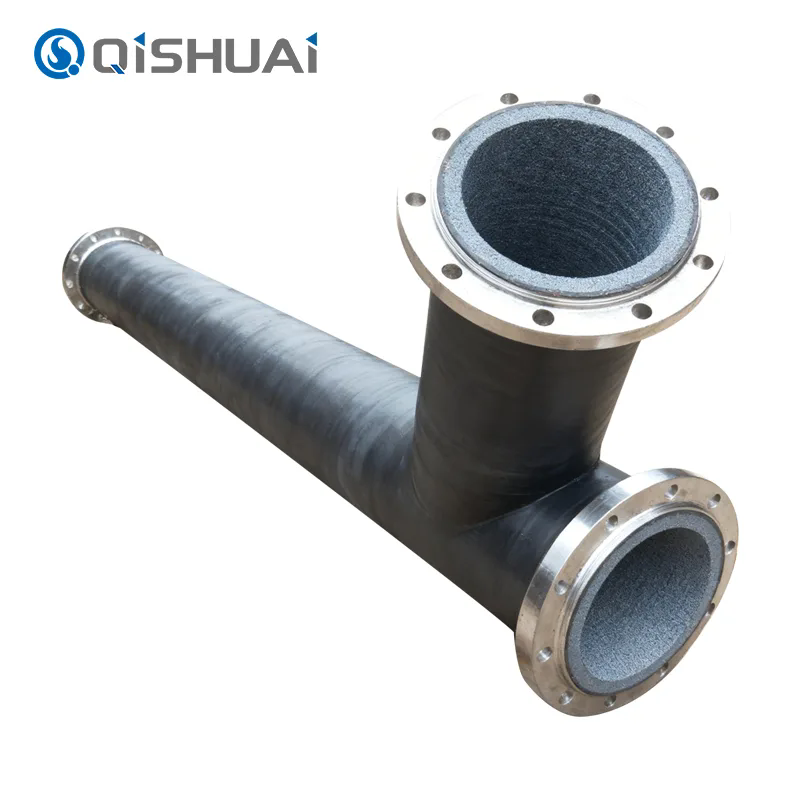
While alumina content affects abrasion resistance, it cannot solve impact-related damage. Alumina ceramic is hard-wearing, yet far less shockabsorbent than rubber or thick steel. When wear damage is mainly created by sliding friction, powder erosion and steady flow material transport, switching to 95% alumina ceramic tiles is an effective way to extend liner service life. On the other hand, if your hoppers and chutes regularly take heavy blows from large-sized ore dropping from considerable heights, or sit directly underneath crusher discharge outlets, lining structure design becomes more important than alumina purity. For these high-impact zones, our Ceramic Rubber Composite Plates series will normally provide more reliable protection than pure ceramic tiles, with the rubber base layer absorbing shock energy and lowering the risk of tile cracking or spalling. Where severe sliding abrasion occurs at transfer-point walls, our chromium carbide overlay series is another viable reinforcement solution. When upgrading hopper and chute sections, you can also source matching pipework from our composite pipe series to refurbish connected conveying pipelines as part of your overall wear protection upgrade.
Even though 95 percent alumina delivers enhanced anti-abrasion performance, paying a higher initial price does not automatically reduce your long-run operating costs. The economic benefits of 95% alumina ceramic tiles become most obvious for heavily worn equipment sections where liner replacement forces costly, unplanned production downtime. Its extended service cycle cuts maintenance frequency and reduces revenue losses caused by shutdowns. If your existing 92% alumina ceramic liners already meet your expected service life targets under moderate wear conditions, upgrading to 95% alumina may deliver very little practical improvement. Before you finalise your procurement plan, take time to assess whether the extra wear resistance will help you save money on future maintenance and production interruptions.
Choosing the correct alumina grade is just one part of building a reliable wear protection system. Several other factors will directly influence how long your ceramic liners remain functional:
A thicker ceramic layer provides greater wear allowance. In high-abrasion zones, selecting a suitable tile thickness is just as critical as picking the right alumina grade.
Even premium-grade 95% alumina ceramic tiles can fail prematurely with poor-quality installation. Pay close attention to steel surface cleaning, adhesive selection, full bonding coverage and precise fitting on-site.
Wear damage rarely spreads evenly across hopper or pipeline surfaces. Elbows, feed landing points and impact-prone sections always wear down faster than flat wall surfaces. Your ceramic lining layout should focus extra protection on these high-risk locations.
For most general bulk material handling projects experiencing moderate abrasion, 92% alumina ceramic tiles will satisfy your operational needs. For non-stop-running production lines facing severe, long-term abrasion, 95% alumina-ceramic tiles are usually the better-suited option. For sites exposed to heavy impact loads, shift your focus away from alumina purity and start planning composite-based lining structures. The most effective wear protection solution will always match your actual equipment failure mode, rather than simply choosing the highest-purity ceramic available.
Both 92% and 95% alumina ceramic tiles are proven, dependable wear-resistant materials, each suited for distinct sets of industrial operating conditions. 92% alumina ceramic strikes an excellent balance between cost and anti-abrasion performance, making it ideal for most moderate-abrasion applications. 95% alumina ceramic delivers improved wear resistance and fits best for harsh abrasive environments, continuous-run production facilities, and locations where maintenance shutdowns carry high-cost penalties.
When you set out to source ceramic wear liners, avoid automatically selecting the highest alumina grade. Instead, match your ceramic material grade and lining system design closely against your real-world site operating conditions.
If you would like expert guidance to decide whether 92% or 95% alumina ceramic tiles fit your chute, hopper or pipeline upgrade, feel free to send an email to our team with your working condition data, material specifications or layout drawings. Our engineering specialists from Shandong Qishuai Wear Resistant Equipment Co., Ltd. will reply with tailored product suggestions and quotation support.
Email: qishuai@zbqishuai.cn