News

Are Alumina Ceramic Lined Pipes a Good Choice for Pneumatic Conveying Projects?

2026-09-03 0 Leave me a message

Pneumatic conveying has become one of the most popular handling solutions to move bulk powders and granular solids across mining, cement works, thermal power stations and new energy lithium material processing sites. While compressed air transport brings great flexibility to your production layout, high-speed solid particles keep scouring the inner wall of your pipeline during long-hour operation.

Lots of plant managers still turn to carbon steel or stainless steel straight pipes and bends for their powder-conveying circuits. Yet many of them run into unexpected wear-through issues, frequent pipe-replacement work, rising maintenance budgets and unplanned shutdowns caused by pipeline leakage. If your existing metal pipelines wear out far quicker than expected, you may start to wonder whether switching to ceramic-lined components will deliver reliable long-term performance.

Here at Shandong Qishuai Wear Resistant Equipment Co., Ltd, we often receive technical inquiries from plant engineers and procurement managers asking: are Alumina Ceramic Lined Pipes well suited to pneumatic conveying working conditions?

The short answer is yes for most high-abrasion conveying circuits, though final performance heavily relies on your conveyed raw material, particle flow speed, impact-load level and the lining construction you pick. Our composite pipe series built with inner alumina ceramic layers can greatly boost wearresistance compared to ordinary metal piping, making it a practical upgrade option for wear-prone pneumatic transport pipelines.

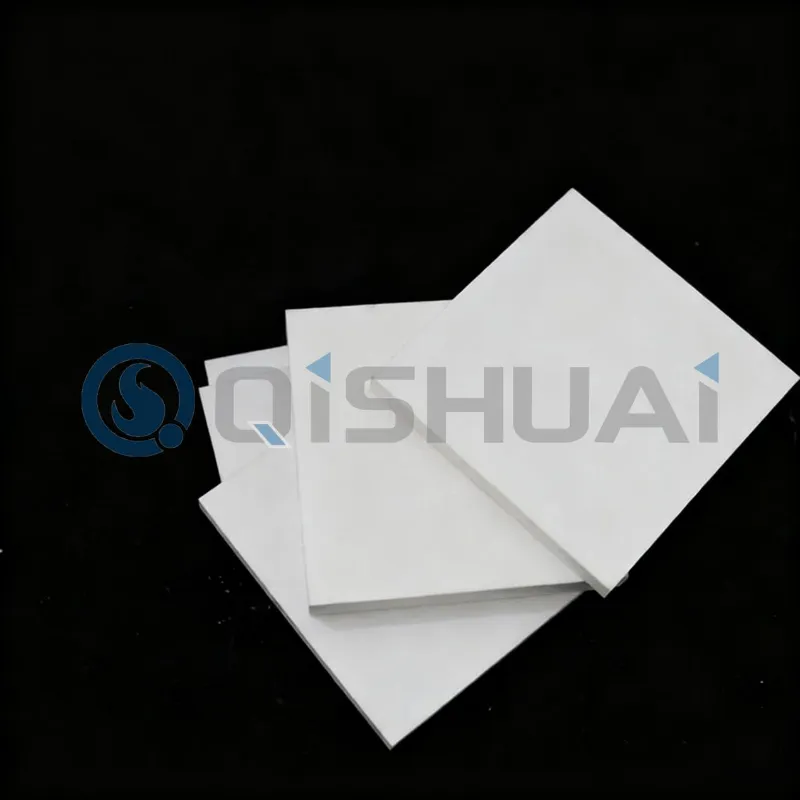
 Alumina Ceramic Lined Pipes

Why Wear-Resistant Pipeline Solutions Matter for Pneumatic-Conveying Systems

Inside a pneumatic conveying loop, solid particles travel along the pipe driven by compressed gas flows. Every time these particles rub, strike and slide against the inner wall, gradual erosion takes place. Three main factors decide how quickly your pipeline will wear down.

First, material abrasiveness makes a big difference. Hard-edged mineral powders, quartz fines, and abrasive bulk solids will continuously erode standard steel, even under moderate conveying speeds. Second, particle velocity directly impacts pipeline service life. Higher airflow speeds cut down transport time, yet they also amplify collision force between solids and pipe walls. Elbows, directional change sections, and feed zones are always the fastest wearing spots across your whole conveying network. Third, nonstop production schedules speed up wall thinning. Even low-rate erosion will eventually create safety risks when systems run 24/7 with limited downtime for inspection.

Simply ordering thicker wall steel pipes rarely solves long-term abrasion problems. Switching to a wear-resistant inner lining solution is usually the more cost-effective upgrade path.

How Alumina Ceramic Lined Pipes Cut Down Pipeline Abrasion

Ceramic-lined piping separates flowing abrasive material from the outer steel substrate with a tough ceramic inner layer. High-purity alumina ceramic remains the top-pick lining material thanks to its excellent hardness and anti-abrasion capability. Once installed, the ceramic barrier takes the brunt of particle scouring, protecting the outer steel pipe body.

Compared to bare metal pipelines, well-designed ceramic-lined pipe brings several practical benefits for pneumatic conveying users:

1. Extended service cycles: The hard ceramic surface slows down inner-wall abrasion, so your conveying pipelines do not require replacement as frequently.

2. Stable antiwear performance: When you transport mineral dust, cement clinker powder and other abrasive bulk materials, the alumina-ceramic lining holds up far better than standard steel.

3. Lower maintenance workload: Wear-resistant liners help you reduce repairs triggered by wall thinning, pinhole leaks and sudden pipeline failures.

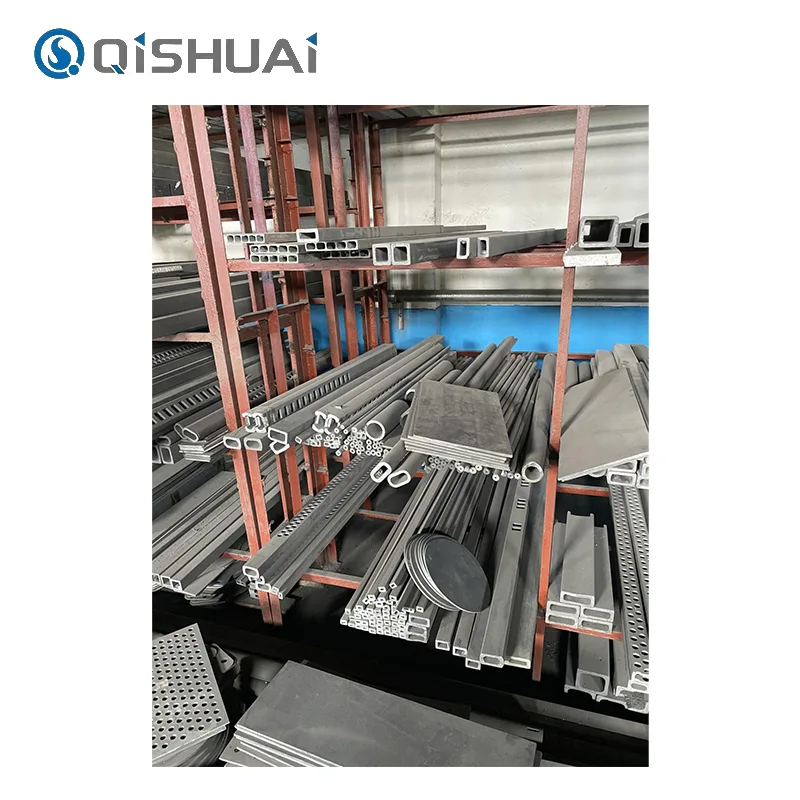
Keep in mind that high ceramic hardness alone cannot guarantee perfect results. Before you place your order, you should also evaluate lining structure type, ceramic thickness, bonding technology and real-site operating parameters. Our team also supplies Silicon Carbide Ceramic series for special high-temperature or highly corrosive conveying environments.

Pick the Proper Ceramic Lining Structure for Your Pneumatic Conveying Pipeline

Every pneumatic conveying system comes with unique wear risk characteristics. There is no universal lining design that fits all operating scenarios. You can match your lining structure based on material properties, wear location, impact load level, and on-site installation limits.

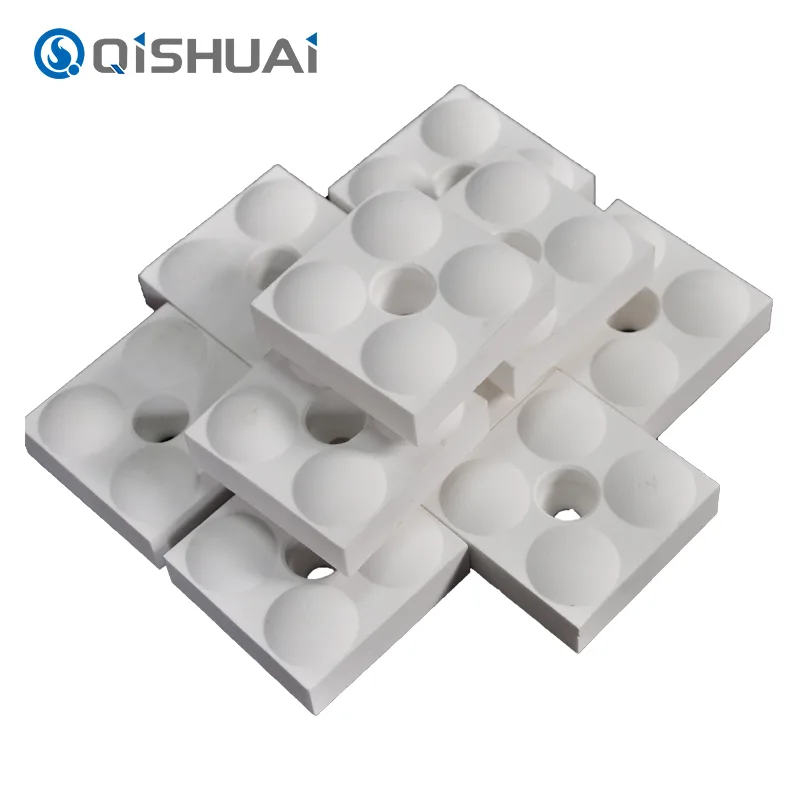
· Ceramic lining pipe: This option works well for most powder-conveying sections that need a smooth bore to maintain steady flow conditions. Continuous ceramic lining minimises internal gaps and delivers consistent wear protection across straight pipeline sections.

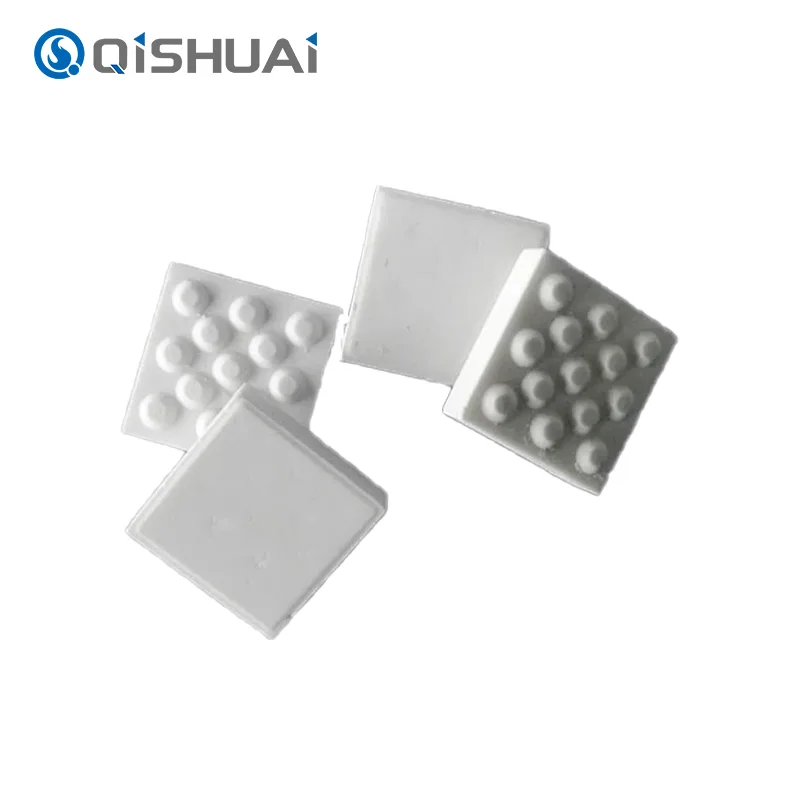
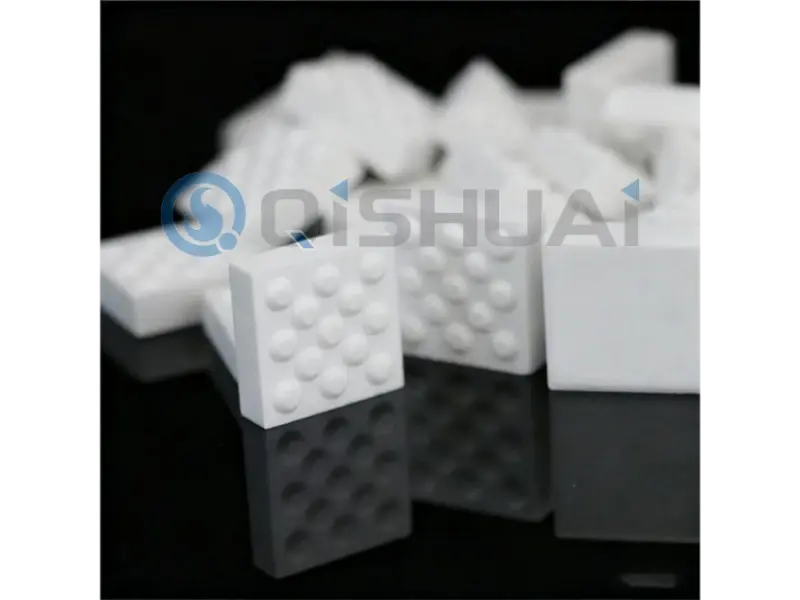
· Ceramic tile-lined pipe: Ceramic tile-lined piping is recommended for high-wear zones and custom-built conveying sections. You are able to select different tile thickness and layout solutions to match up with your real-world abrasion intensity.

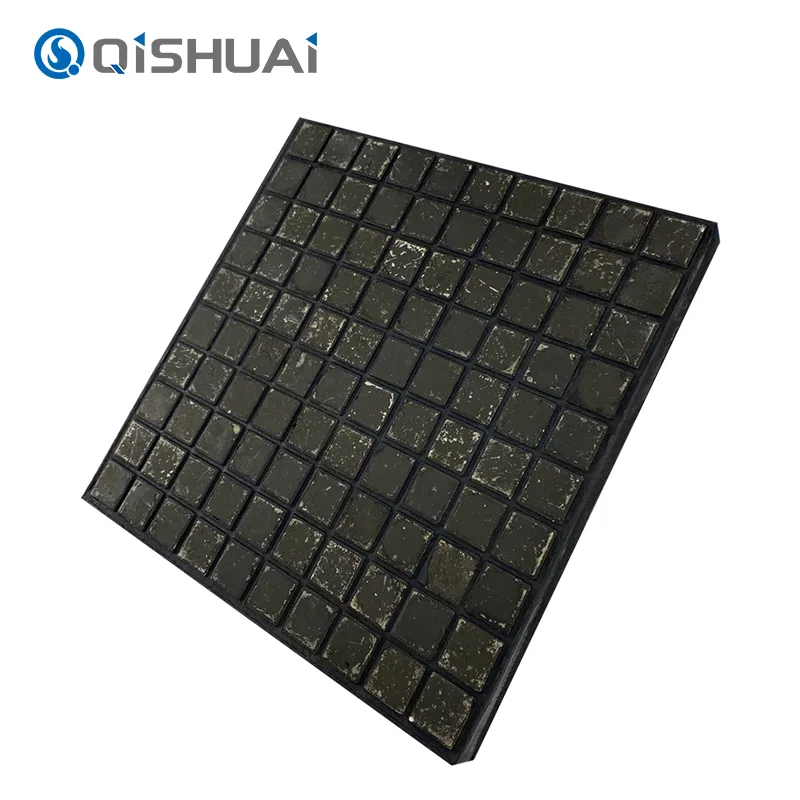
· Ceramic-rubber composite-lined pipe: Our ceramic-rubber composite series is ideal for sections facing both repeated particle impact and long-term abrasion. The ceramic layer resists scouring wear, while the attached rubber backing absorbs impact shock to reduce the risk of ceramic tile spalling.

For projects suffering from severe sliding abrasion with limited impact force, our Chromium Carbide Overlay series is another viable wear protection alternative for your chute connection parts and transfer point components.

Custom-Built Ceramic-Lined Pipe Support From Shandong Qishuai Wear Resistant Equipment Co., Ltd.

If you are sourcing durable piping upgrades for abrasive pneumatic conveying circuits, our engineering team can work with you to develop custom-tailored ceramic-lined pipe solutions according to your exact site conditions.

Our configurable lining selections cover alumina ceramic ring lining, ceramic tile lining and ceramic-rubber composite lining. Before you confirm your procurement plan, our technicians can adjust ceramic material grade, lining thickness, and overall pipe structure design by reviewing these key project parameters:

· Physical features of your conveyed bulk material

· Average particle size and hardness rating

· Design conveying velocity

· Continuous operation temperature range

· On-site installation and connection size requirements

A well-matched ceramic-lined pipeline will help your plant cut down wear-related downtime and improve the long-term reliability of your pneumatic conveying network.

Should you wish to discuss your pneumatic conveying wear protection challenges, share your working condition data or request a formal quotation, feel free to send us an email with your project specifications. Our sales engineering team will get back to you with targeted product recommendations.

Email: qishuai@zbqishuai.cn

Related News
Leave me a message
X
We use cookies to offer you a better browsing experience, analyze site traffic and personalize content. By using this site, you agree to our use of cookies.Privacy Policy