News

News

We are glad to share with you about the results of our work, company news, and give you timely developments and personnel appointment and removal conditions.
Why Are Alumina Grinding Balls Over 90 mm Rarely Used in Industrial Milling?28 2026-09

Why Are Alumina Grinding Balls Over 90 mm Rarely Used in Industrial Milling?

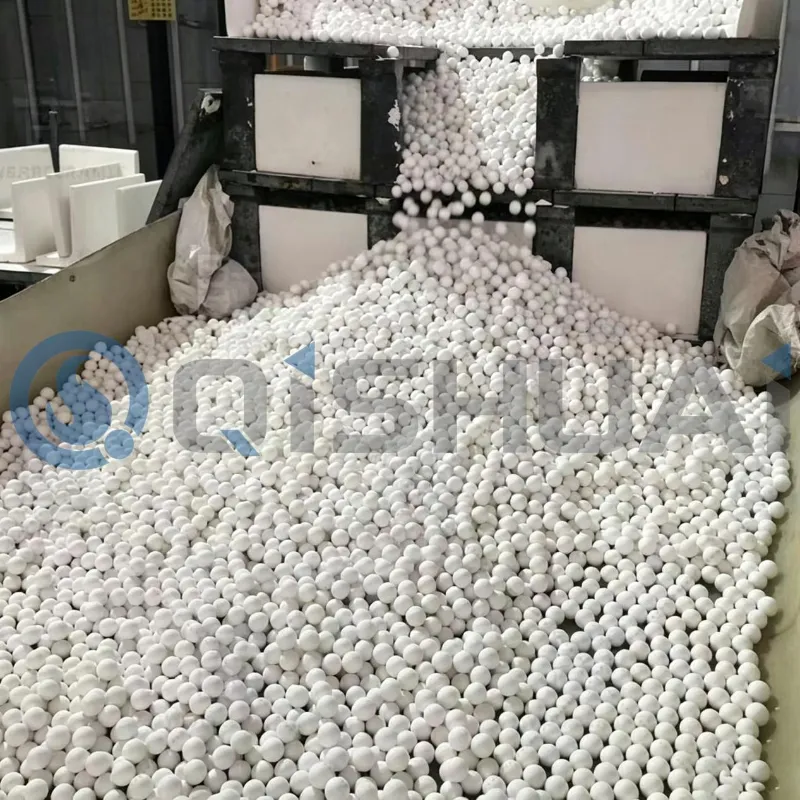
Alumina Grinding Ball comes in multiple standard sizes to match different milling tasks, yet versions larger than 90 mm are seldom adopted in most industrial grinding circuits. The core reason lies in process matching, not manufacturing limits alone. When picking grinding media, engineers need to evaluate raw feed size, target powder fineness, mill structure and running parameters.
How Does Bend Radius Influence the Wear Life of Ceramic Lined Elbows?24 2026-09

How Does Bend Radius Influence the Wear Life of Ceramic Lined Elbows?

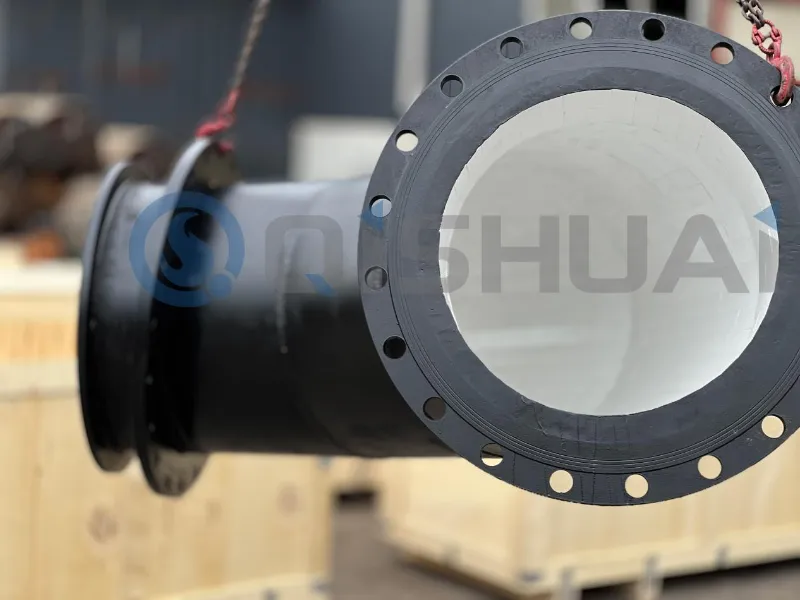
This article explores how bend radius influences the wear performance of Ceramic Lined Elbows in pneumatic conveying and powder handling systems. It explains the differences between small-radius and large-radius designs, analyzing particle impact, abrasion distribution, and lining selection factors to help engineers optimize pipeline durability and reduce maintenance frequency.
Why Must Expansion Gaps Be Reserved While Installing Alumina Alumina Ceramic Wear Liners?20 2026-09

Why Must Expansion Gaps Be Reserved While Installing Alumina Alumina Ceramic Wear Liners?

Expansion gaps in Alumina Ceramic Wear Liner installations are designed to release stress caused by thermal expansion, vibration and impact loads in ceramic-steel composite structures. This article explains why proper gap design prevents cracking, peeling and premature failure, while covering gap filling methods and key factors affecting installation performance in industrial wear applications.
Why Does Ceramic Epoxy Resin Glue Experience Bonding Failures on Wear-Resistant Equipment?20 2026-09

Why Does Ceramic Epoxy Resin Glue Experience Bonding Failures on Wear-Resistant Equipment?

Ceramic Epoxy Resin Glue bonding failures in wear-resistant equipment are often caused by improper surface preparation, mixing, curing and operating conditions rather than adhesive quality alone. This article explains common failure factors, including contamination, incorrect glue ratio, bond-line thickness, curing time and impact stress, helping industrial users improve ceramic lining installation reliability in chutes, pipes and hoppers.
When Should You Specify SiSiC Ceramic Wear Lining for Your HighTemperature Abrasive Equipment?09 2026-09

When Should You Specify SiSiC Ceramic Wear Lining for Your HighTemperature Abrasive Equipment?

For equipment exposed to both elevated temperatures and heavy particle friction, SiSiC ceramic wear lining stands out as a robust alternative to conventional wear protection materials. Reaction-bonded silicon carbide features a dense, low-porosity internal structure, delivering exceptional hardness, strong thermal-shock resistance, and reliable chemical inertness against most acidic and alkaline substances.
Why Is Alumina Ceramic Wear Liner the Preferred Wear-Protection Upgrade for Blast Furnace Charging Chutes?09 2026-09

Why Is Alumina Ceramic Wear Liner the Preferred Wear-Protection Upgrade for Blast Furnace Charging Chutes?

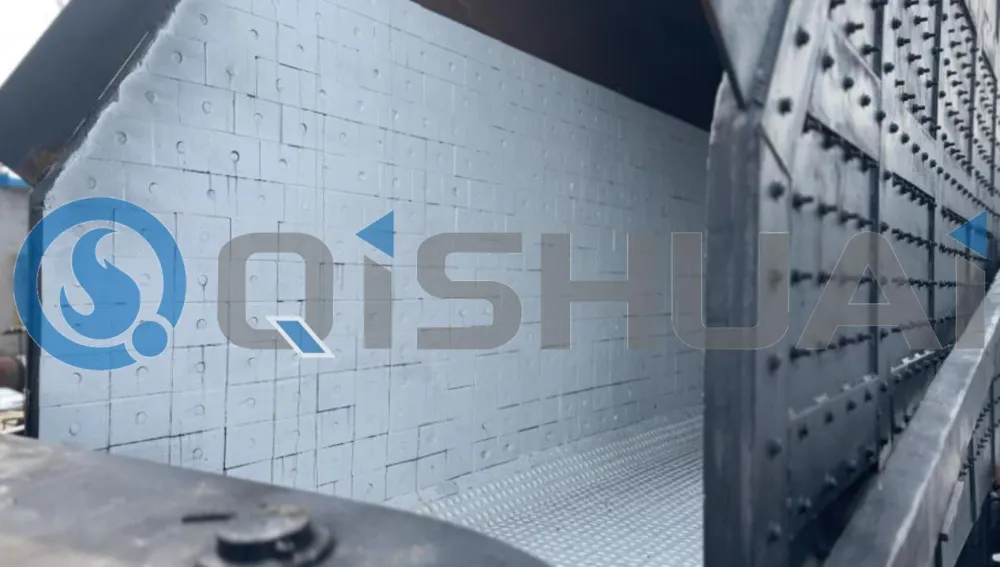
When designing wear protection packages for blast furnace charging chutes, our engineering team frequently selects an alumina ceramic wear liner for heavily impacted zones. This liner builds a rigid protective barrier between falling bulk materials and the underlying steel framework.
X
We use cookies to offer you a better browsing experience, analyze site traffic and personalize content. By using this site, you agree to our use of cookies. Privacy Policy
RejectAccept