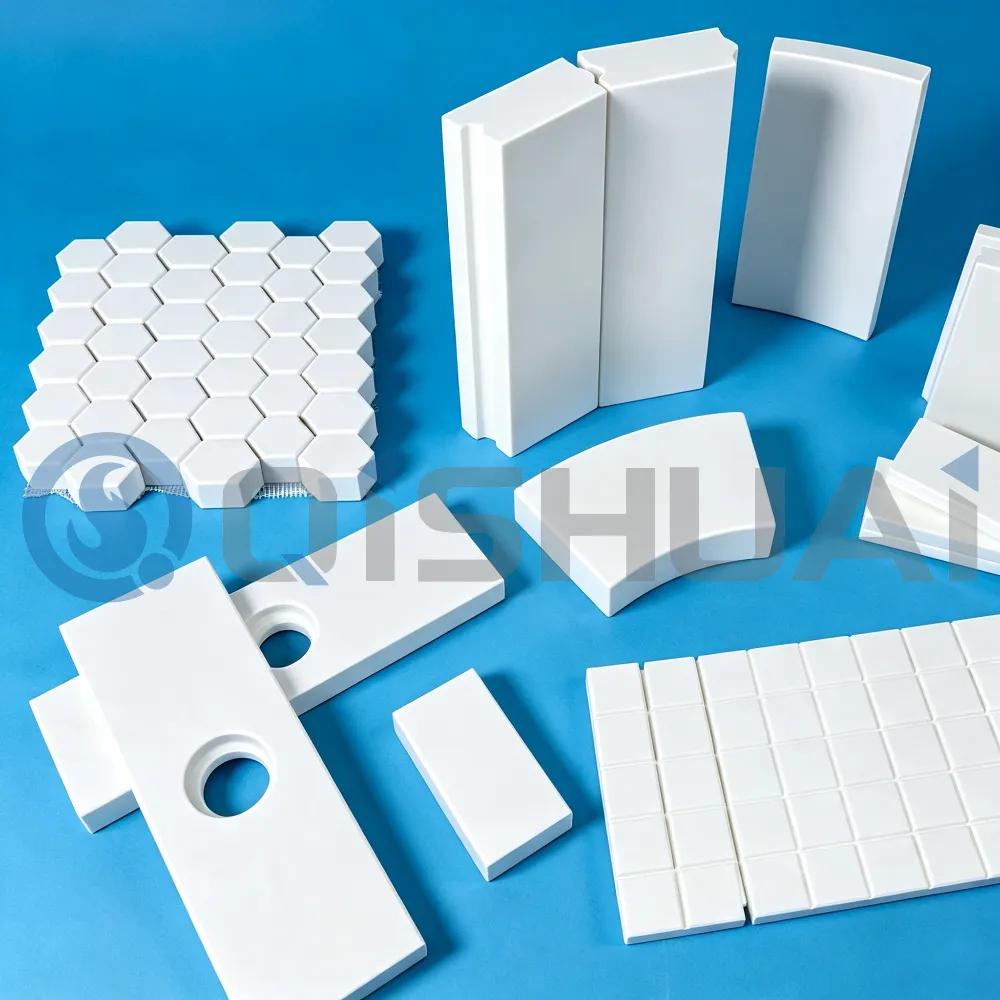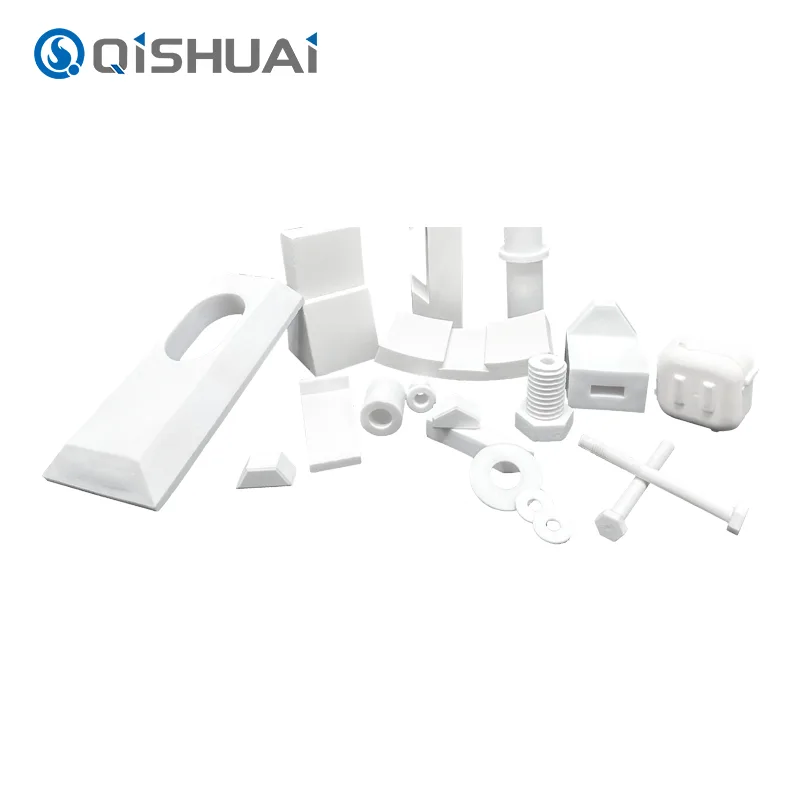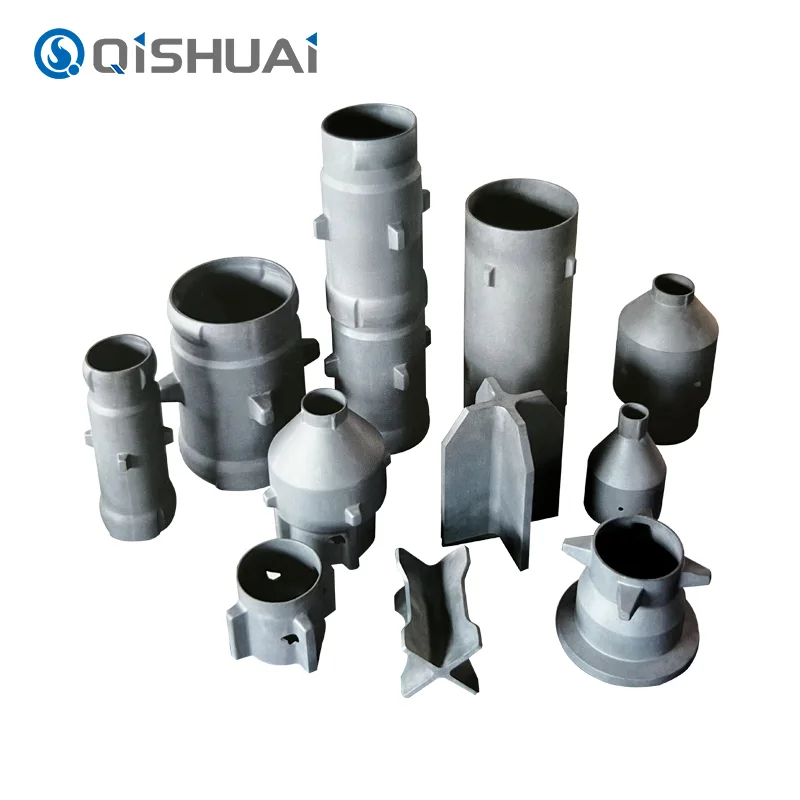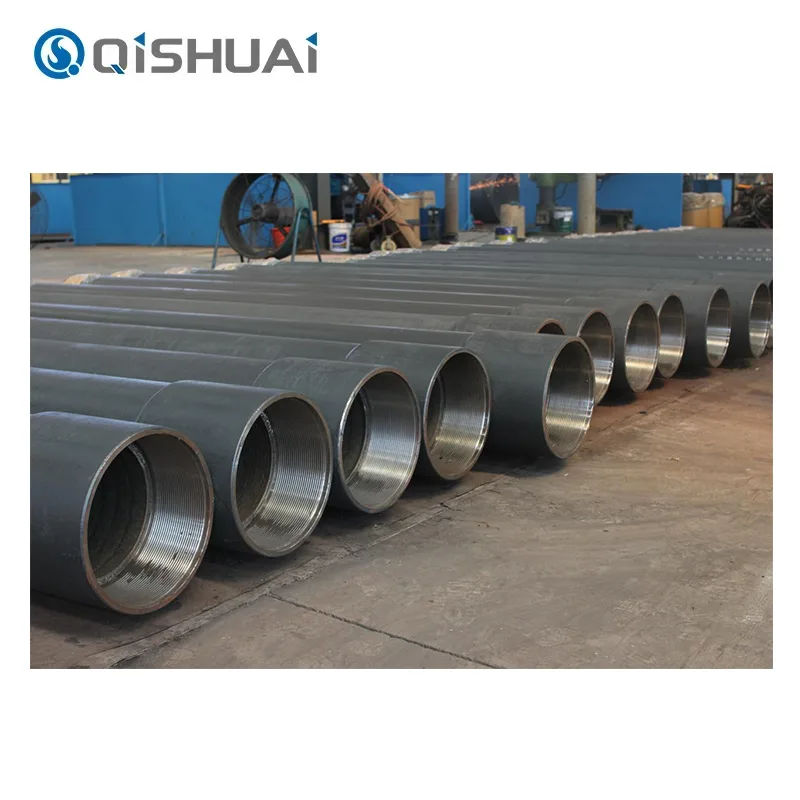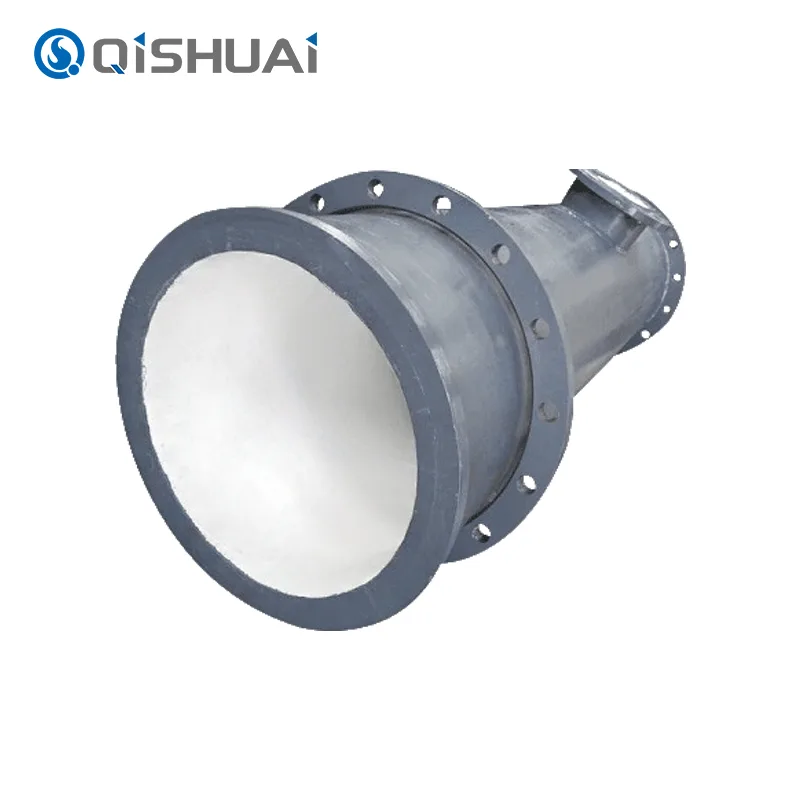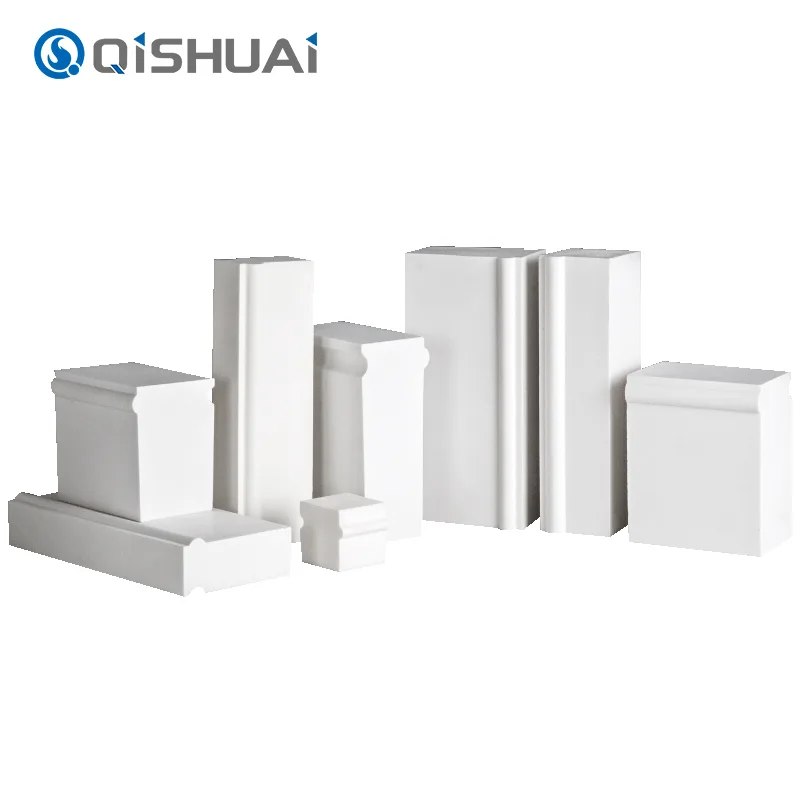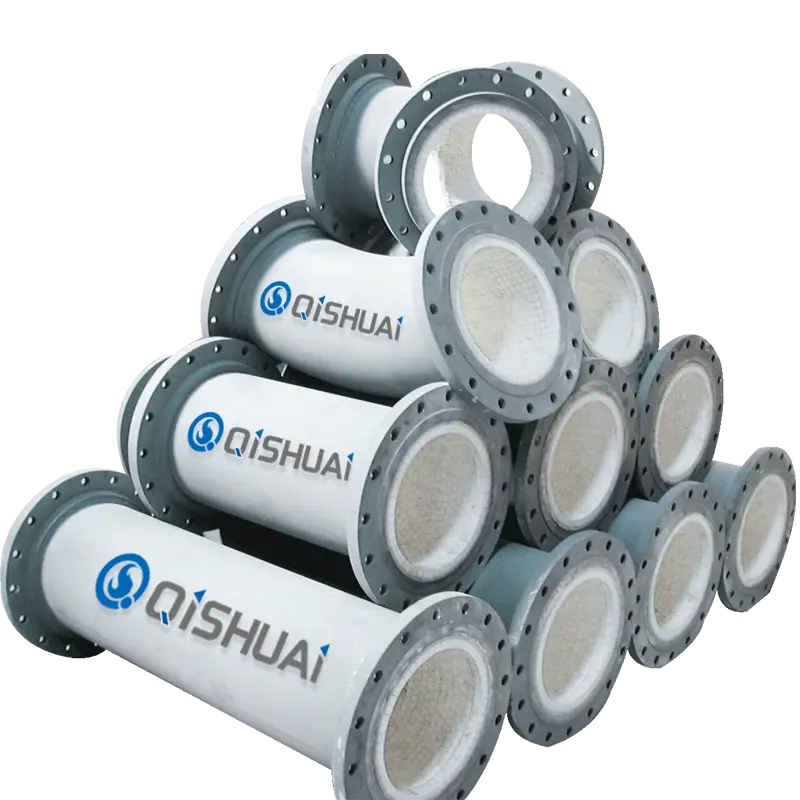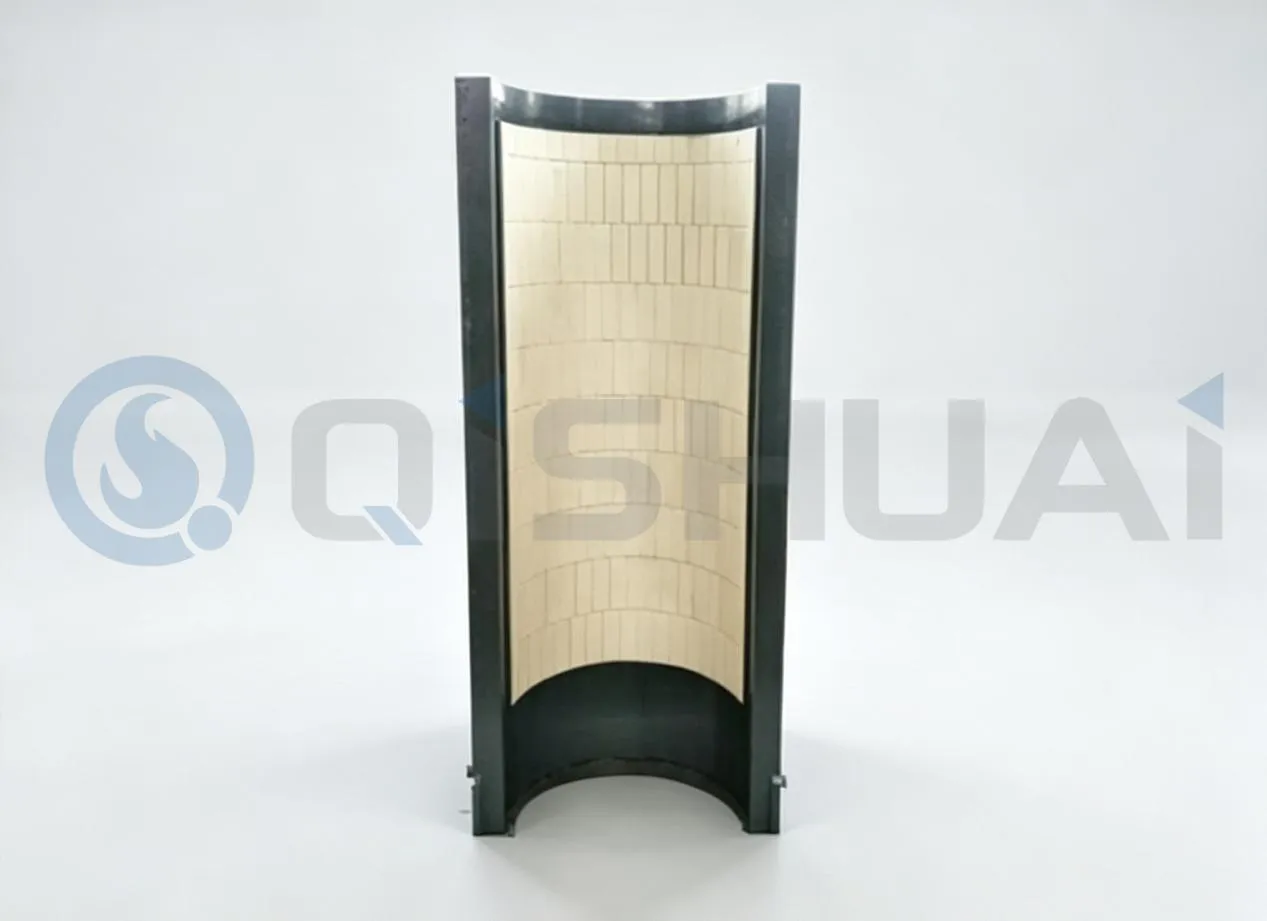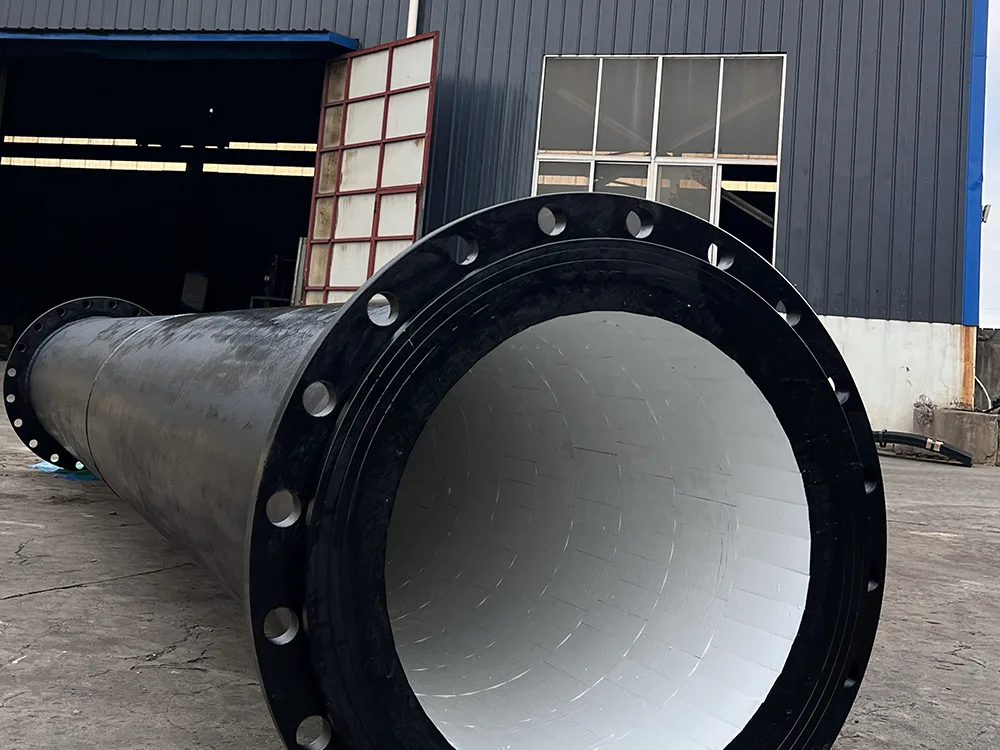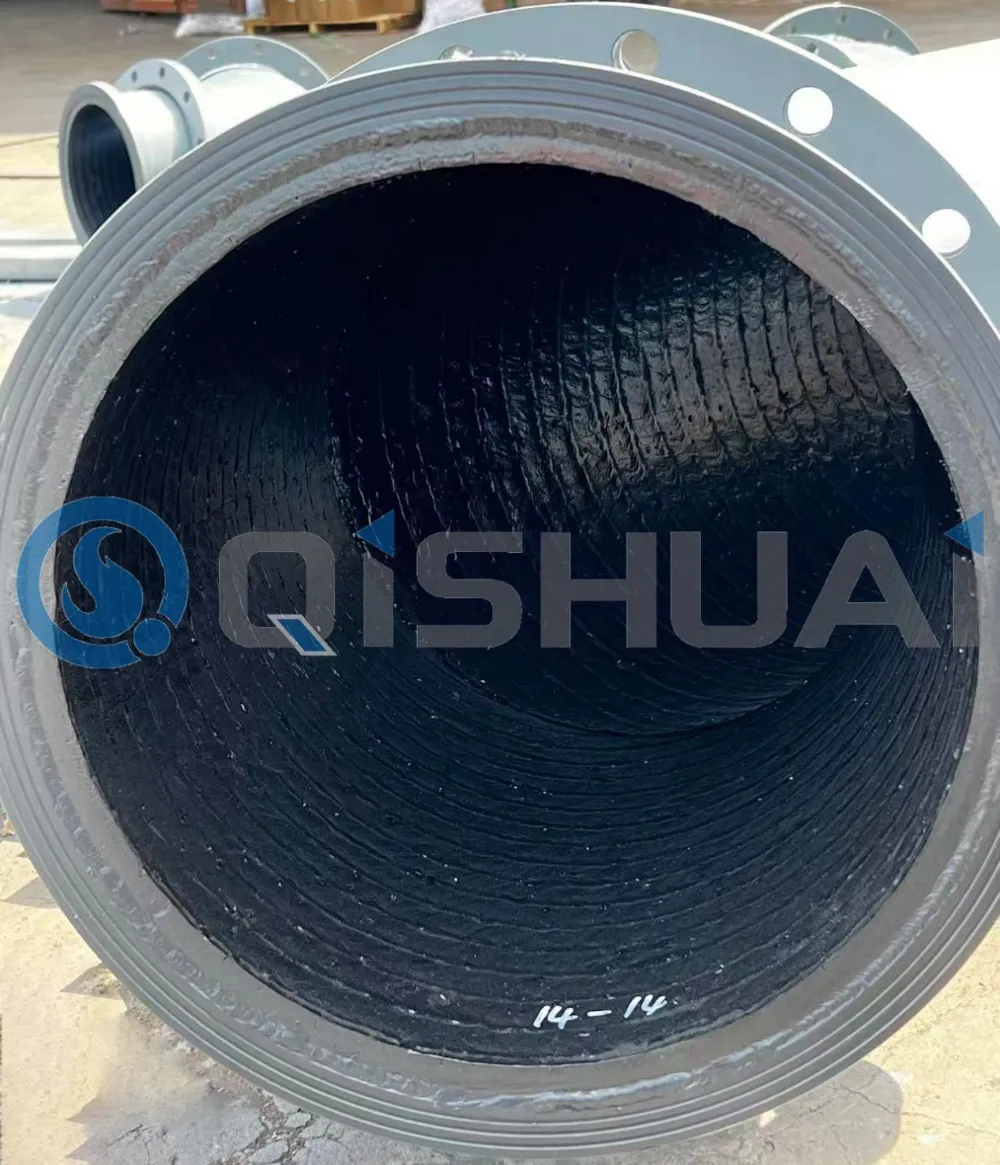
If your industrial equipment is constantly dealing with abrasive materials, the lifespan of wear liners directly affects how much you spend on maintenance and how smoothly your production runs. For decades, steel liners have been a go-to choice for chutes, hoppers, pipelines, cyclones, and other material-handling gear. But in many high-wear situations, alumina ceramic wear liners can last several times longer than steel ones. This isn’t just about better material quality—it all comes down to different wear mechanisms. Understanding why ceramic liners hold up better than steel ones helps engineers and procurement teams pick the right wear protection solution for their specific working conditions. Shandong Qishuai Wear-resistant Equipment Co., Ltd. offers high-quality alumina ceramic wear liners, along with chromium carbide overlay series, rubber-ceramic composite series, composite pipe series, and silicon carbide ceramic series to meet all kinds of industrial wear protection needs.
Steel liners are tough and can handle impact well, but their hardness only goes so far. When abrasive particles slide across or hit a steel surface, they slowly wear away the material through cutting, scratching, and micro-plowing. Common wear issues with steel liners include sliding abrasion, impact abrasion, gouging wear, erosion wear, and corrosion-related wear. When materials like silica sand, clinker, quartz, ore, or mineral concentrates keep rubbing against the steel surface, tiny metal particles get worn off. Over time, the liner gets thinner and needs to be replaced. In highly abrasive applications, this wear can happen really fast, leading to frequent maintenance and unexpected production stops.
The biggest reason alumina ceramic liners outlast steel ones is their superior hardness. Standard wear-resistant alumina ceramics have a Mohs hardness of around 9 and a Vickers hardness that often tops 1,000 HV. By comparison, most wear-resistant steels are much softer. Because abrasive particles can hardly scratch or penetrate the ceramic surface, material loss happens at a much slower pace. Simply put, many materials that can easily damage steel barely affect alumina ceramics. That’s why ceramic liners often keep their original shape long after steel liners start showing obvious wear.
In abrasive environments, hardness directly determines how much material gets worn away when particles make contact. When a hard particle hits a softer steel surface, it penetrates the material, causes deformation, and breaks off small pieces—leading to fast wear buildup. When the same particle hits an alumina ceramic surface, penetration is greatly reduced, there’s barely any plastic deformation, and material removal slows down a lot. This difference becomes even more noticeable with continuous use, making ceramic liners a more reliable option for long-term operation.
A lot of industrial wear issues come from sliding rather than direct impact—think powder conveying, pneumatic transport, cyclone separators, material chutes, and hopper walls. In these cases, abrasive particles keep sliding across the liner surface. Thanks to their extreme surface hardness, alumina ceramics resist scratching and cutting much better than steel. That’s why ceramic-lined pipes and cyclones are widely used in abrasive powder handling systems—they keep performing well even after long-term use.
As steel liners wear down, their thickness gradually decreases. This can lead to weaker protection, changes in material flow, more frequent maintenance, and unplanned shutdowns. Alumina ceramic liners, on the other hand, wear much more slowly. Their low wear rate keeps equipment performance stable for longer, which is especially important in continuous-process industries where shutdowns can cost a lot of money.
In some working environments, wear and corrosion happen at the same time. Moisture, chemicals, and corrosive process conditions can speed up the deterioration of steel liners. Alumina ceramics are chemically stable and can resist many corrosive environments, giving them an extra edge in applications where moisture, slurries, or chemical exposure is a problem. When abrasion and corrosion work together, ceramic liners often last much longer than steel ones.
While ceramic liners usually cost more upfront, lifespan isn’t the only factor to consider when calculating overall costs. A longer-lasting liner means less frequent maintenance, less equipment downtime, lower labor costs, fewer replacement parts, and fewer production interruptions. In many cases, the total cost per operating hour ends up being lower, even with the higher initial investment. That’s why ceramic wear protection is becoming more and more popular in mining, cement, power generation, and bulk material handling industries. If you’re planning to buy wear liners, it’s worth thinking about the long-term cost savings that ceramic solutions can offer.
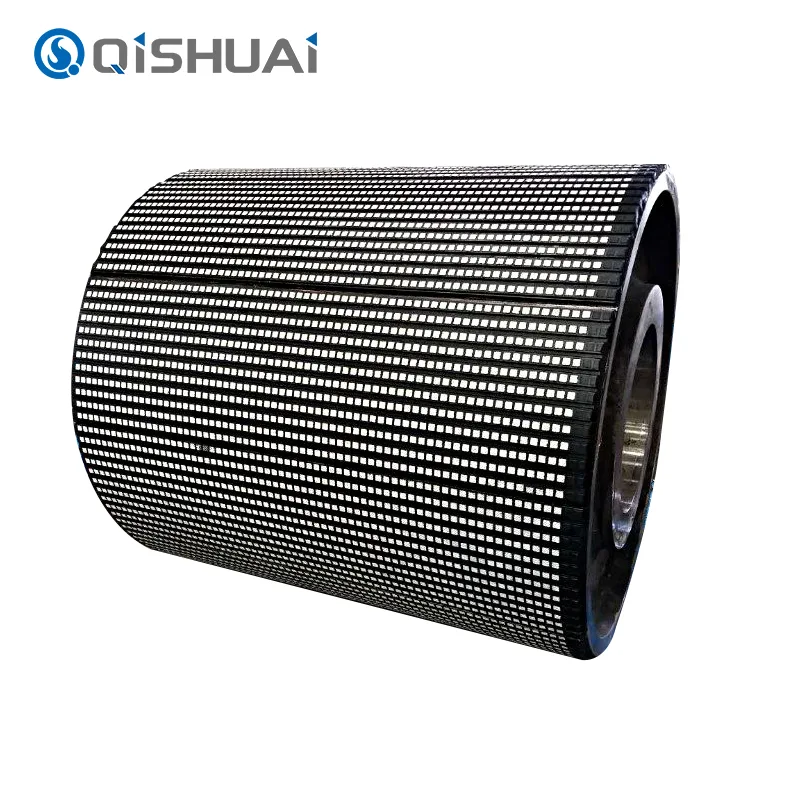
Despite their wear advantages, ceramic liners aren’t the best fit for every situation. Steel liners might still be the better choice in scenarios with extreme impact loads, where large rocks hit the surface directly, or where structural strength is the main priority and wear is relatively mild. For severe impact conditions, Ceramic Rubber Embedded Steel Liner:rubber-ceramic-steel composite liners are often a better pick—they combine the wear resistance of ceramics with the impact absorption of rubber. The best liner material always depends on the actual wear mechanism of your equipment.
If you’re looking to source reliable wear liners or need customized solutions for your equipment, feel free to send your specific requirements to our email qishuai@zbqishuai.cn. The technical team at Shandong Qishuai Wear-resistant Equipment Co., Ltd. will provide professional recommendations and detailed quotations based on your actual working conditions.