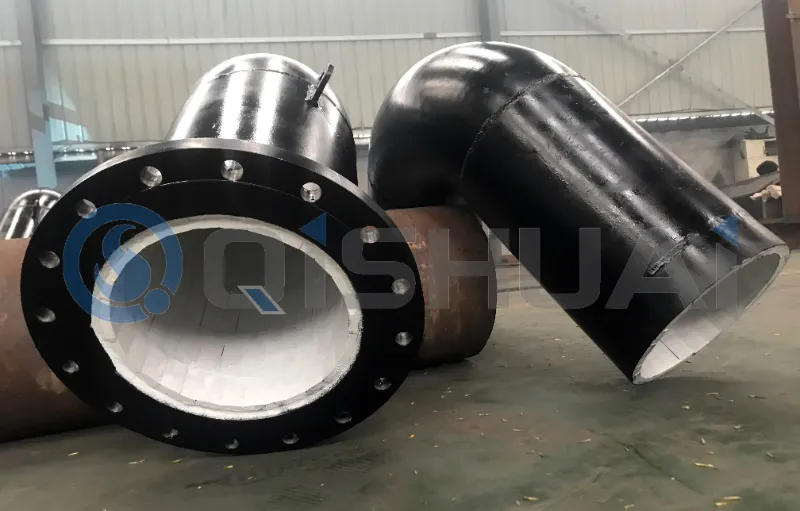
Many customers, upon first seeing the quotation for Shandong Qishuai’s Alumina Ceramic Lined Pipes, find them considerably more expensive than standard steel pipes. Looking solely at the purchase price, this is certainly true; however, when selecting industrial piping, focusing solely on the initial cost can lead to significant losses — the truly cost-effective option is the product with the lowest overall cost over its entire lifecycle.
The manufacturing process for standard steel pipes is straightforward and uncomplicated. In contrast, Qishuai ceramic-lined pipes involve several additional key steps:
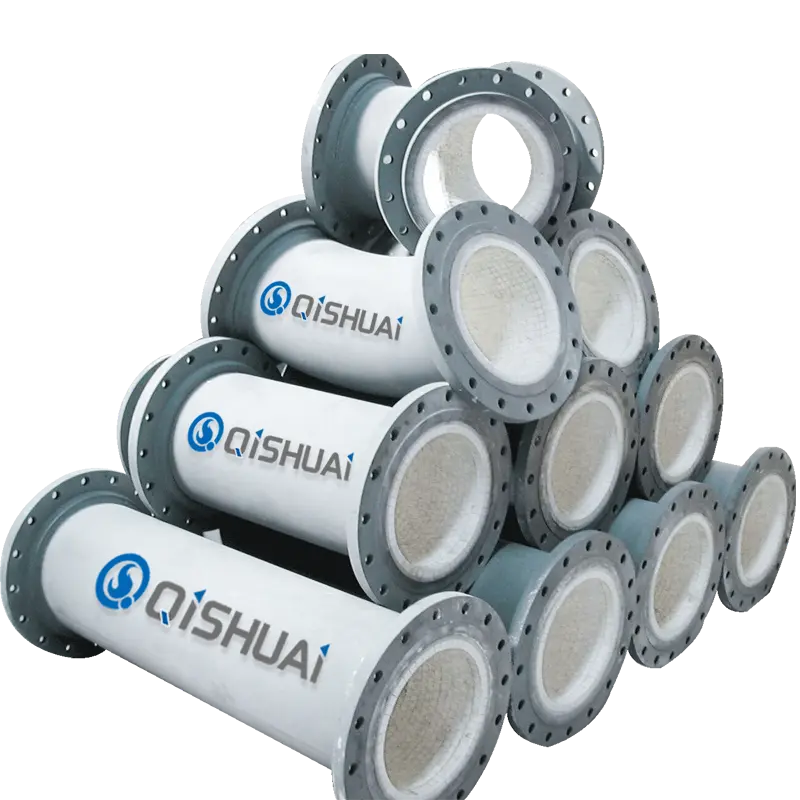
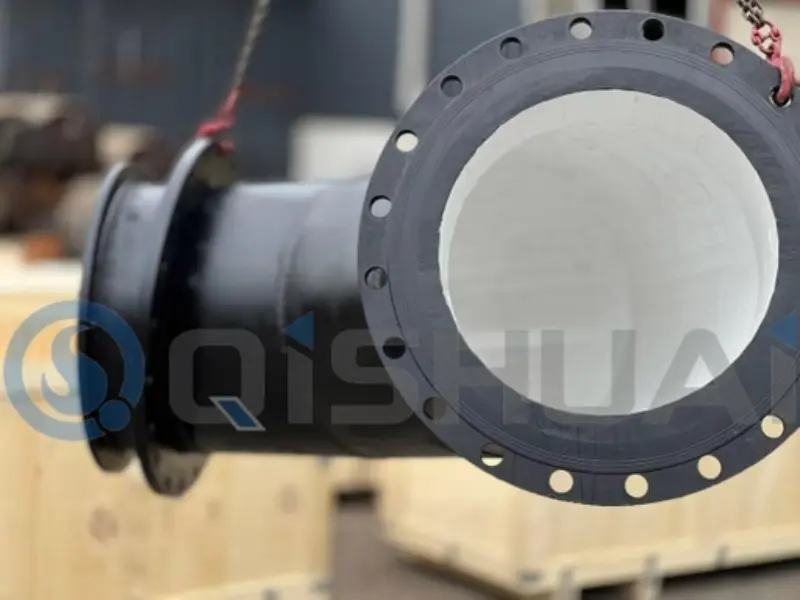
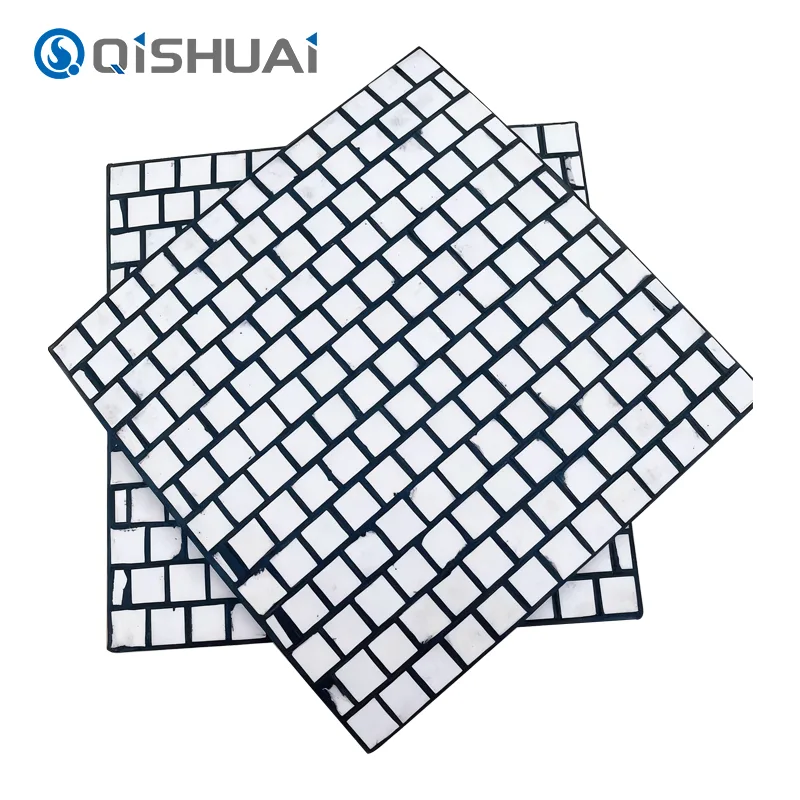
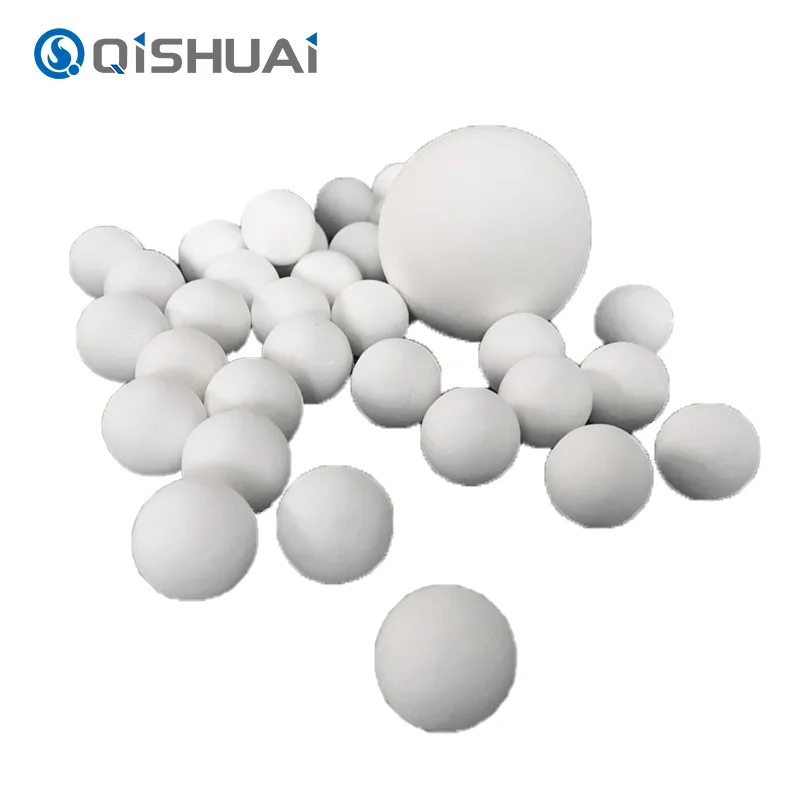
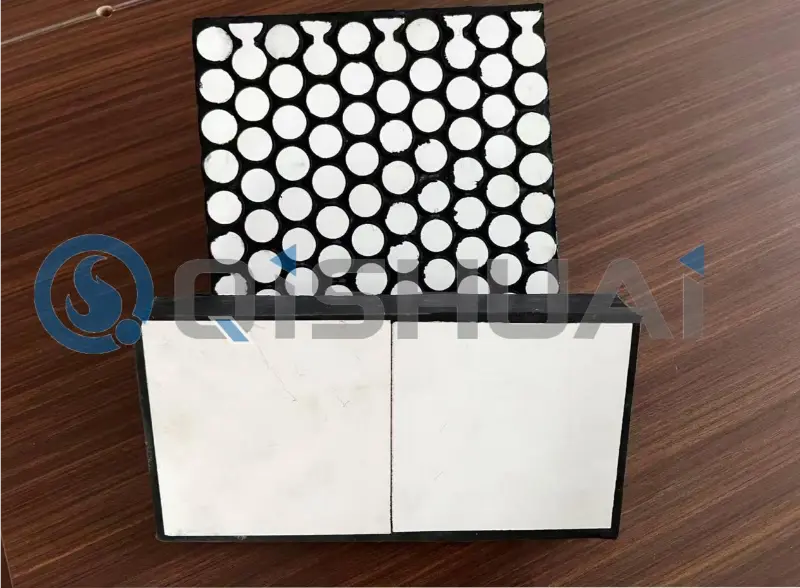
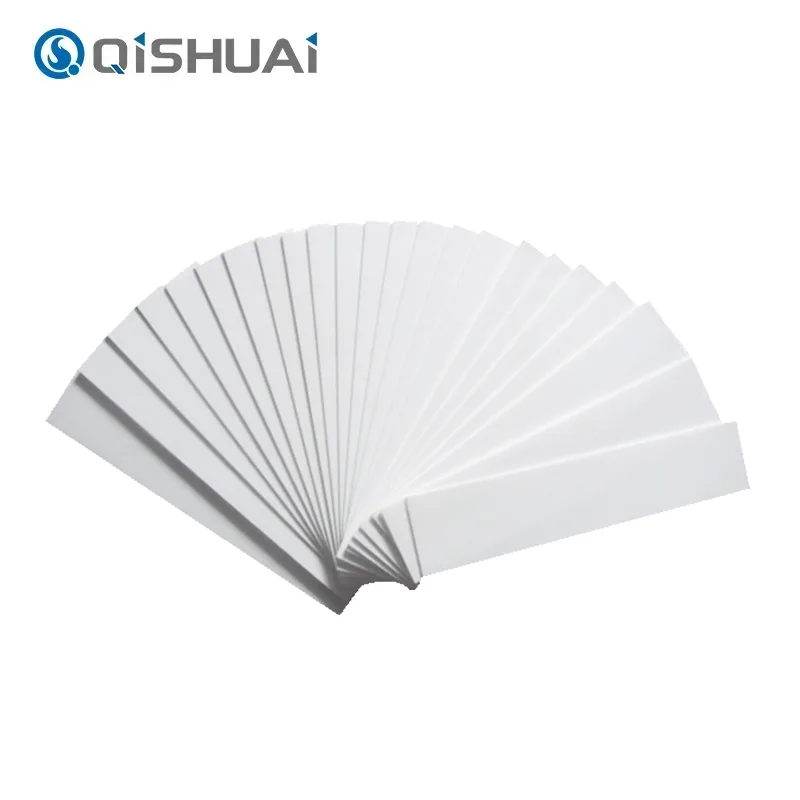
●First, high-hardness aluminium oxide ceramic components with a purity of 92% are produced
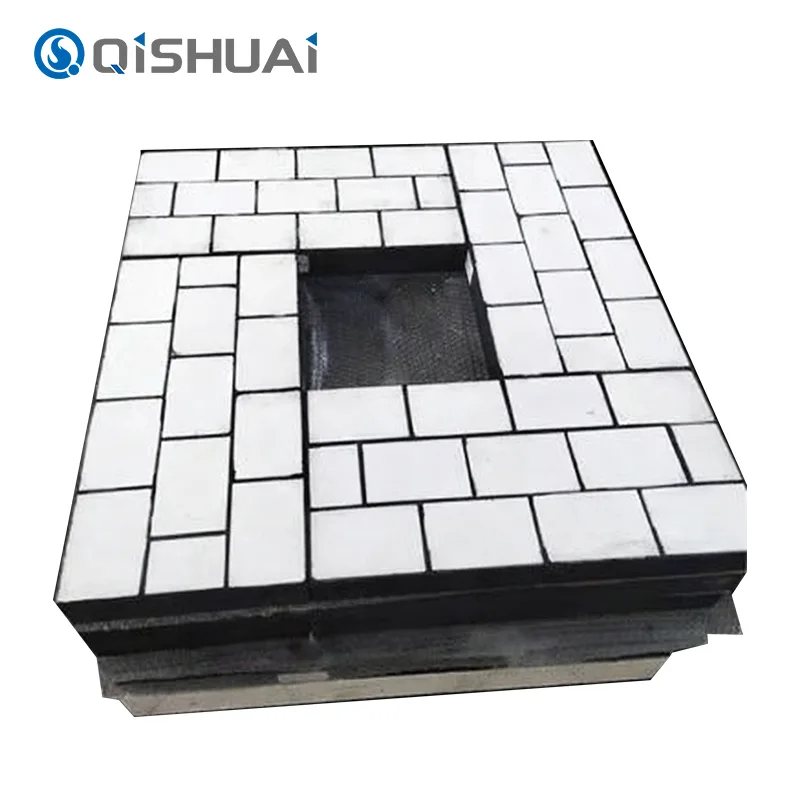
●The ceramic lining is precisely fitted to the inner wall of the steel pipe;
●It is firmly bonded using a specialised adhesive to ensure it does not detach;
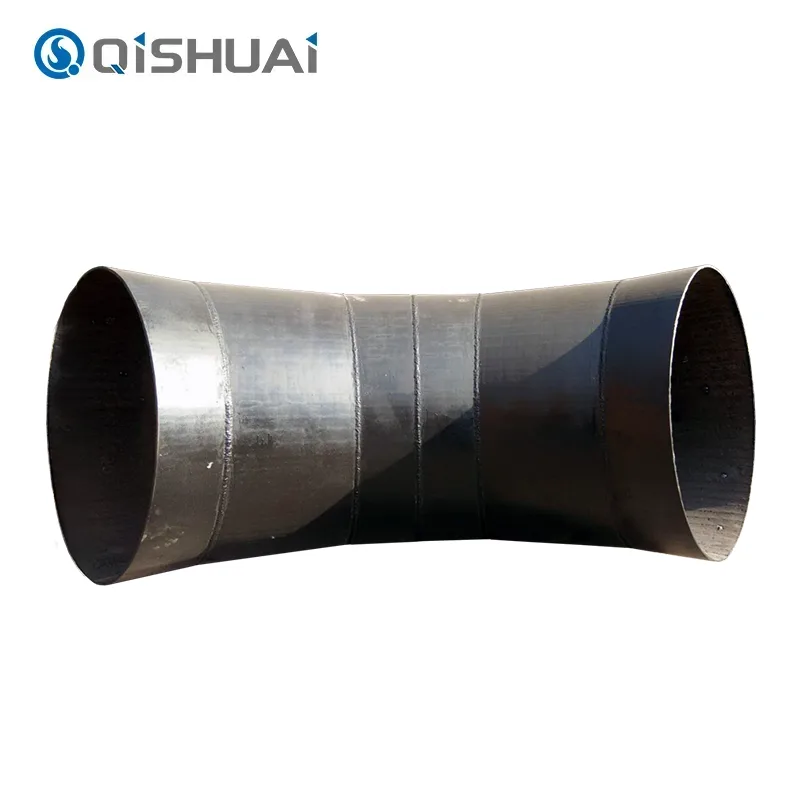
●Finally, rigorous quality inspections are carried out to guarantee overall quality. Fittings such as elbows and reducers must also be customised according to operating conditions, making the manufacturing process even more complex; consequently, the initial costs are naturally higher than those of ordinary steel pipes.
The cost of industrial piping is never just the price of the pipes themselves; you must also take into account:
●Labour costs for future replacements;
●Losses due to production downtime caused by pipe failure;
●Inventory costs for spare pipes;
●Additional expenses for emergency repairs. In high-wear operating conditions, these hidden costs often far exceed the price of the pipes themselves. The key advantage of our ceramic-lined pipes is their ability to significantly reduce these long-term expenses.
The wear resistance of our ceramic-lined pipes is several times that of ordinary steel pipes. The aluminium oxide ceramic lining has a Mohs hardness of 9, approaching that of diamond, and can withstand the intense erosion caused by materials such as pulverised coal, slurry and cement powder.
●Ordinary steel pipes may need replacing every six months;
●Ceramic-lined pipes can last for three years or even longer. As the pipes last longer, the frequency of replacements, labour costs for maintenance and production downtime are all reduced, whilst the risk of leaks and sudden failures is also minimised. The more severe the wear and tear under operating conditions, the more pronounced this long-term advantage becomes.
For continuous-production enterprises such as thermal power plants, cement factories and mines, replacing worn-out pipes necessitates a shutdown, which in turn triggers a cascade of issues:
●Upstream and downstream equipment must be shut down;
●Insulation must be removed and maintenance platforms erected;
●Welding and testing must be carried out, followed by restart and commissioning. For many factories, the production losses incurred from a single day’s shutdown far exceed the cost of the pipes themselves. By using our ceramic-lined pipes, replacement cycles can be extended and the frequency of shutdowns reduced, resulting in significant savings on hidden costs.
In large-scale material handling systems, dozens or even hundreds of pipelines are prone to wear and tear; replacing each one requires sourcing spare parts, planning maintenance and coordinating labour. Qishuai ceramic-lined pipes can drastically reduce maintenance workload, making them widely used in the following scenarios:
●Transport of fly ash from thermal power plants;
●Transport of cement raw materials and pulverised coal;
●Conveyance of slurry and tailings in mining operations;
●Dust extraction and pulverised coal injection pipelines in steelworks.
Not all pipes require a ceramic lining. A sensible approach is to use it only in areas subject to the most severe wear, such as elbows, tees, reducers and sections where the flow rate is high; for straight pipes with minimal wear, standard steel pipes can continue to be used. This ensures durability in critical areas whilst keeping overall costs under control.
Standard metal pipes offer better value for money in the following situations:
●Minimal wear caused by the materials being transported;
●Short equipment operating times, with non-continuous production;
●Simple and cost-effective pipe replacement;
●Minimal impact on production in the event of downtime. In such cases, the long service life of ceramic pipes is unlikely to offset the higher initial cost.
Our ceramic-lined pipes are a cost-effective choice in the following situations:
●Transporting highly abrasive materials such as pulverised coal and slurry;
●Equipment operating continuously 24 hours a day;
●Piping installed in hard-to-reach locations, making maintenance difficult;
●Significant losses due to downtime, with production delays being unacceptable;
●High demands for safe and stable pipeline operation. In such cases, the initial additional investment will quickly pay for itself through reduced maintenance costs and the avoidance of production stoppages.
Take a common example: whereas a standard steel pipe elbow lasts six months, our ceramic-lined elbow can last three years. Even if the ceramic elbow costs several times more, the factory still saves money—fewer shutdowns, less labour, fewer spare parts, and fewer breakdowns mean a lower hourly operating cost.
Shandong Qishuai Wear-Resistant Equipment’s ceramic-lined pipes do indeed cost more than standard steel pipes at the point of purchase. However, in high-wear industrial environments, their exceptional wear resistance, reduced maintenance, minimised downtime and stable operation lower the overall long-term costs. When selecting pipes, don’t just ask, “Is it expensive to buy?”, but rather, “Will it save money in the long run?”. In high-wear operating conditions within industries such as thermal power generation, cement production, mining and metallurgy, Qishuai’s ceramic-lined pipes are undoubtedly the more economical and practical choice.
-