News

How Can You Optimize Alumina Grinding Ball Grading Ratios to Boost Mill-Grinding Efficiency?

2026-08-27 0 Leave me a message

Many plant operators make the assumption that switching to premium-grade ceramic grinding media alone will fix poor milling output. Even after purchasing high-performance Alumina Grinding Ball, lots of processing lines still struggle with real-world pain points: overly long grinding cycles, slow particle size reduction, inconsistent finished fineness, and accelerated media loss.

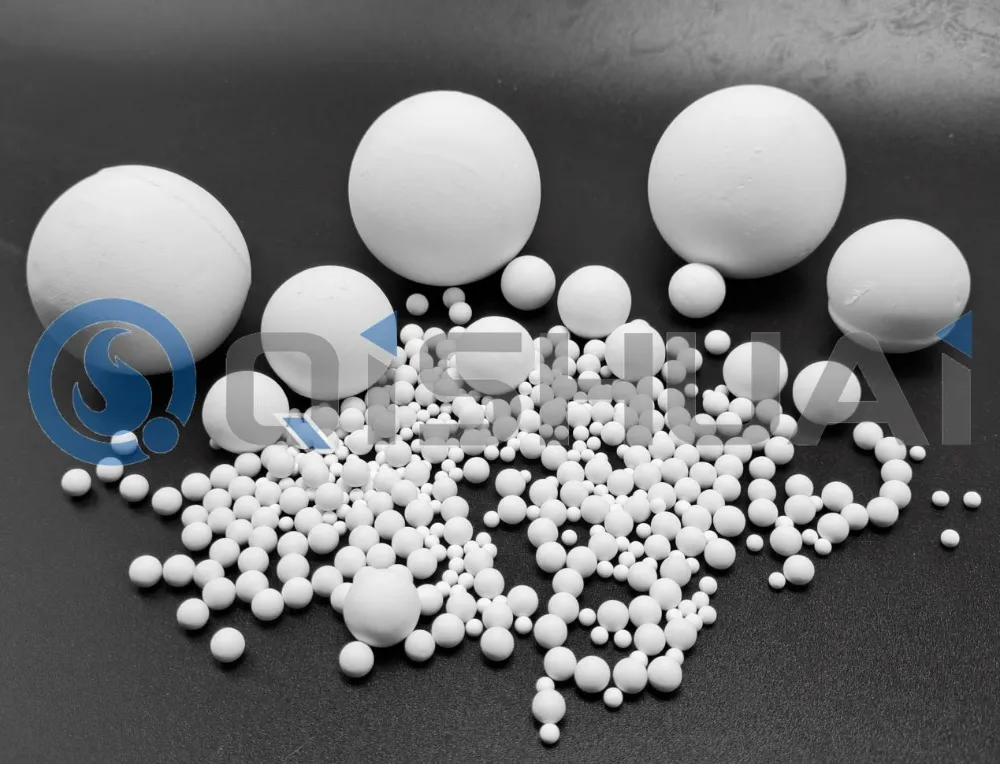
In most of these scenarios, the root cause lies not in the quality of grinding balls themselves, but in poorly matched ceramic ball grading ratios. Balls of varying sizes carry distinct responsibilities inside grinding mills. Larger-sized units deliver heavy impact force to crack apart coarse feed particles, while smaller balls create far more contact surfaces to carry out fine milling work. A well-balanced mix delivers optimized energy transfer inside the mill and keeps overall grinding performance steady throughout production runs.

 Alumina Grinding Ball

Why Does Alumina Grinding Ball Grading Ratio Play Such a Big Role in Milling Output?

Grinding performance hinges on how efficiently kinetic energy transfers from grinding media onto raw feed material. Inside a running mill, ceramic balls act on raw materials through three core mechanisms: impact force, compressive force, and surface friction. Balls of different dimensions contribute very differently to the whole process.

Oversized ceramic balls generate strong collision energy and excel at breaking down coarse, hard incoming feed. They are critical for primary crushing stages. Small-diameter ceramic balls offer abundant contact points between media and particles, which works great for refining fine fractions, hitting target fineness specs and cutting down leftover coarse material content.

When ball grading gets out of balance, milling performance will suffer noticeably. If your mill load contains too many large balls, you get sufficient impact power yet lack enough fine-grinding contact, leaving plenty of semi-coarse grains unprocessed. Conversely, filling the mill mostly with tiny balls raises contact frequency, yet cannot generate enough impact energy to shatter big incoming particles. Tuning ceramic ball ratios essentially means striking a practical balance between coarse crushing and fine pulverizing for your actual working conditions.

Alumina Grinding Ball

Practical Ways to Tune Alumina Grinding Ball Ratios Based On Your Site's Specific Grinding Conditions

There is no universal one-size-fits-all grading formula. Your ideal ball proportion should be adjusted according to raw material hardness, incoming feed size, and your targeted finished particle size.

1. Working with coarse incoming feed

Big raw particles demand powerful impact energy to fracture. Under this condition, you need to lift the share of larger ceramic balls within your media charge.

· Boost the percentage of large-sized balls to strengthen coarse crushing capacity

· Keep a proper amount of medium-sized balls for intermediate particle breakdown

· Avoid overloading with tiny balls, as they cannot produce enough striking force for coarse chunks

This adjustment strategy fits mineral powder processing, ceramic raw material milling and other coarse industrial feed processing scenarios.

2. Targeting ultra-fine finished particle size

Fine grinding prioritizes sufficient contact between grinding media and material particles. Increasing the share of small ceramic balls will help lift overall milling performance.

· Raise the proportion of small-diameter grinding balls

· Cut back redundant large balls that only produce ineffective collisions

· Maximize contact frequency between media and fine-grained material

Plant teams commonly apply this setup for high-purity mineral powder, electronic raw material and fine ceramic powder production.

3. Milling efficiency drops after long continuous operation

Quite a few mills run stably at startup, yet see gradual performance degradation after hundreds of operating hours. Common triggers include large balls wearing down and losing impact capacity, shifted feed material properties, or accumulated worn micro-sized balls skewing the original grading distribution. Instead of overhauling your whole milling workflow, recalibrating ceramic ball grading ratios can restore stable output.

Adjusting Ball Ratios for Different Production Objectives

Coarse-focused grinding tasks

If your main objective is bulk particle fragmentation for hard ore and large-sized feed stock, prioritize a higher percentage of large and medium-sized ceramic balls to secure adequate impact energy for primary grinding work.

Fine-focused grinding tasks

For advanced ceramic powder, battery raw materials and fine chemical material production, shift toward more small-sized grinding balls to secure ample friction points for precise particle refinement.

Long-run stable continuous production

For non-stop industrial milling operations, mixed grading combining large, medium and small ceramic balls delivers the most practical solution. This combination retains coarse crushing capability, sustains progressive particle reduction and maintains consistent finished quality, preventing performance drops caused by single-size media filling.

Alumina Grinding Ball 

Matching Ceramic Media Material With Your Grading Setup

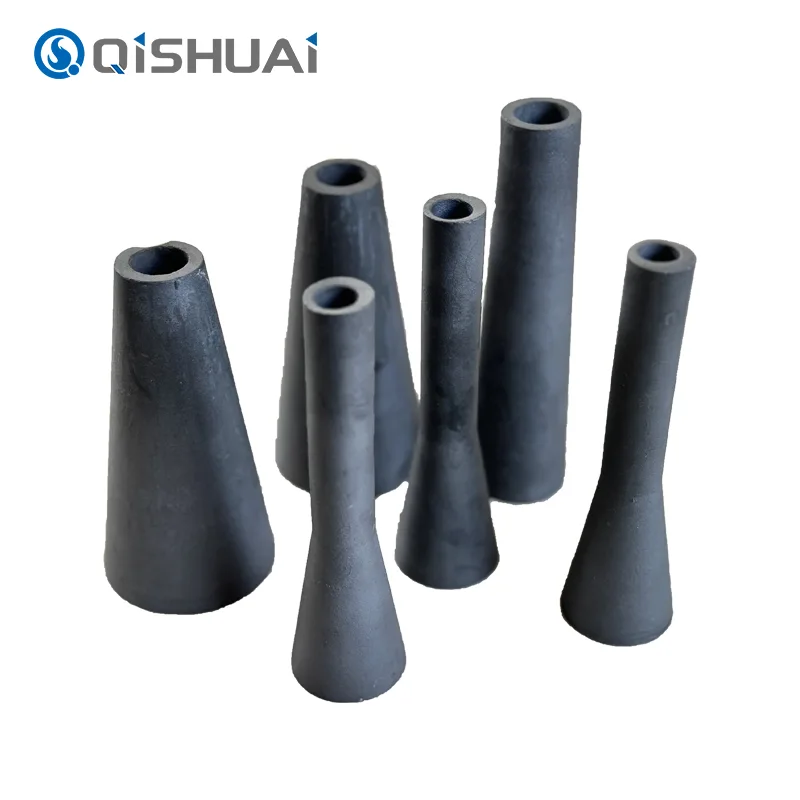
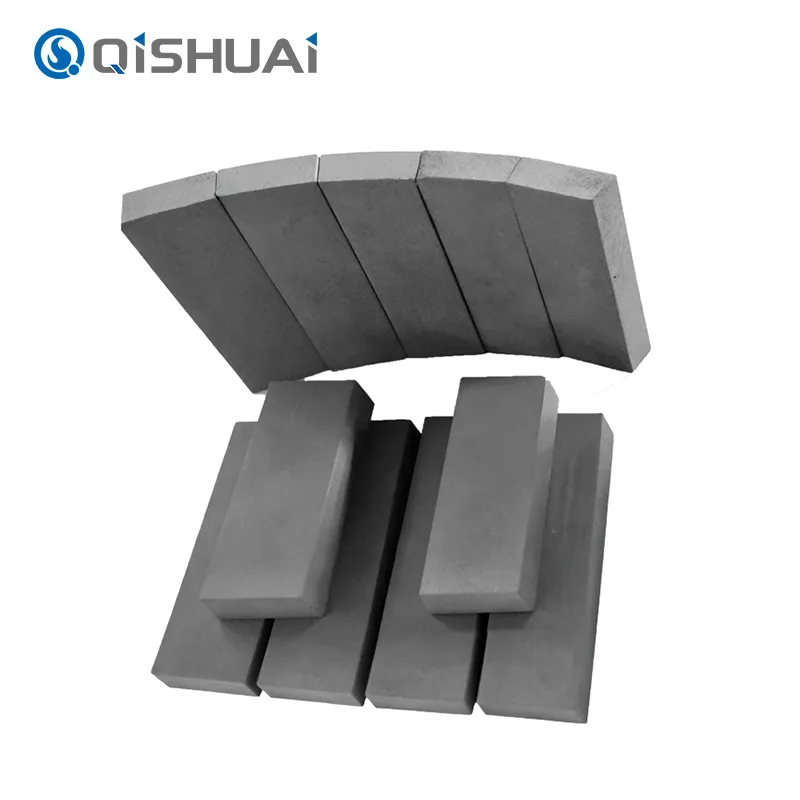
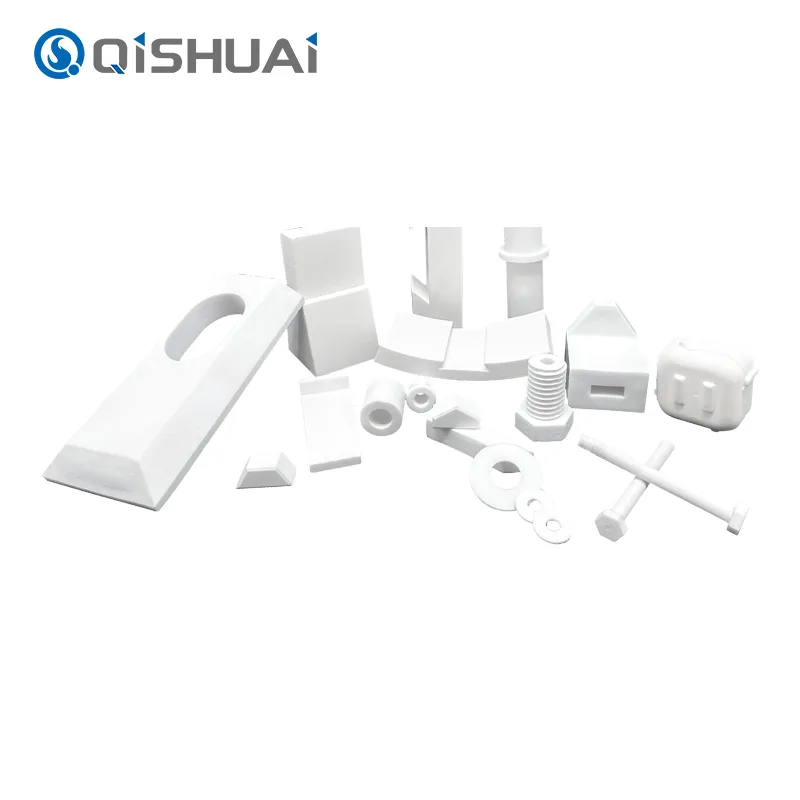
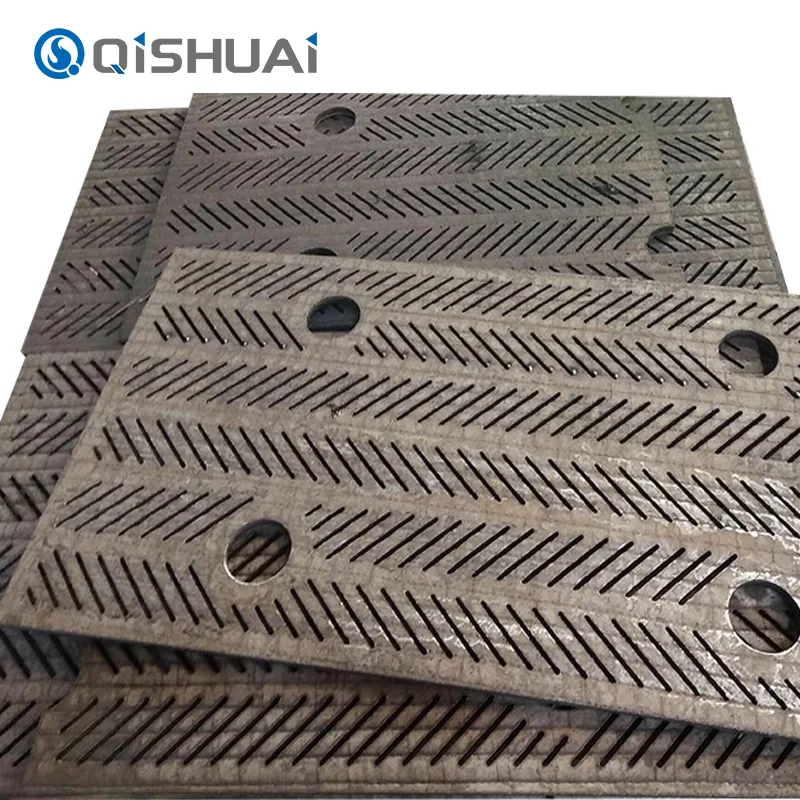
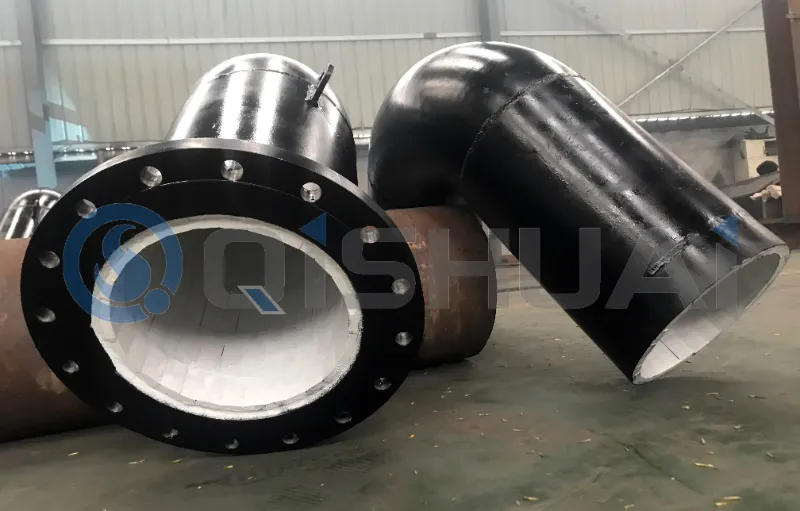
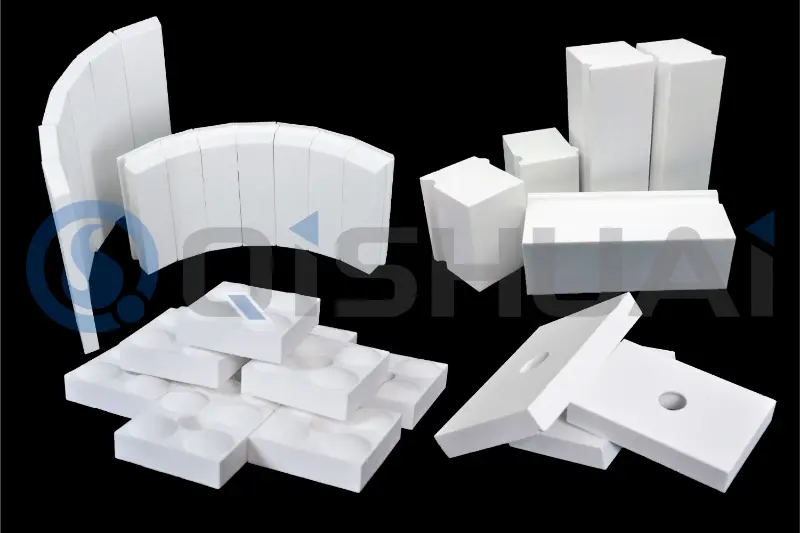
Tweaking ball grading only delivers full value when paired with properly selected ceramic media types. Shandong Qishuai Wear Resistant Equipment Co., Ltd. supplies a complete portfolio of wear protection solutions, including alumina grinding balls as core milling media. Our product range also covers Chromium Carbide Overlay series, Ceramic Rubber Composite Plates series, and the Composite Wear Pipe series, as well as the Silicon Carbide Ceramic series for diverse industrial wear challenges.

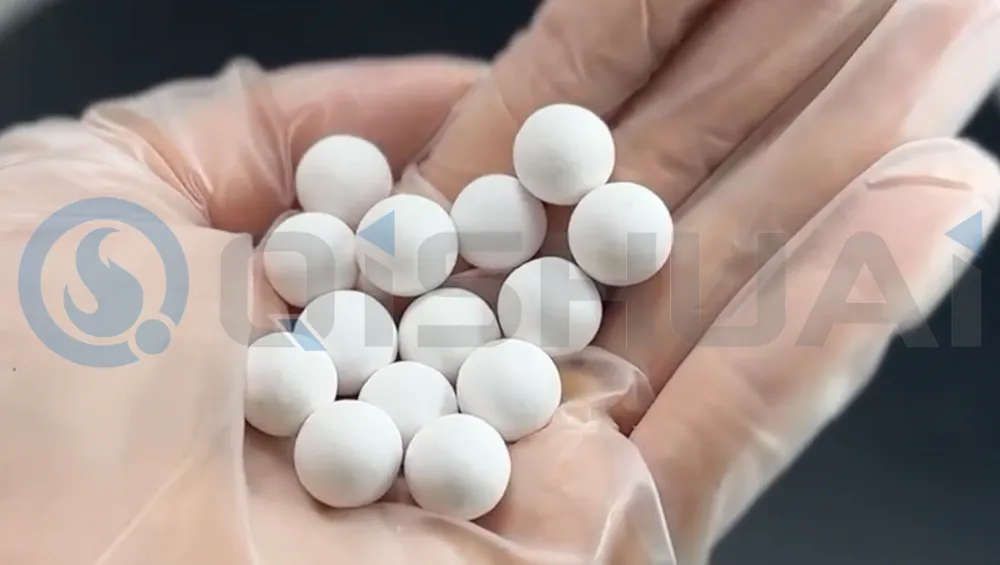
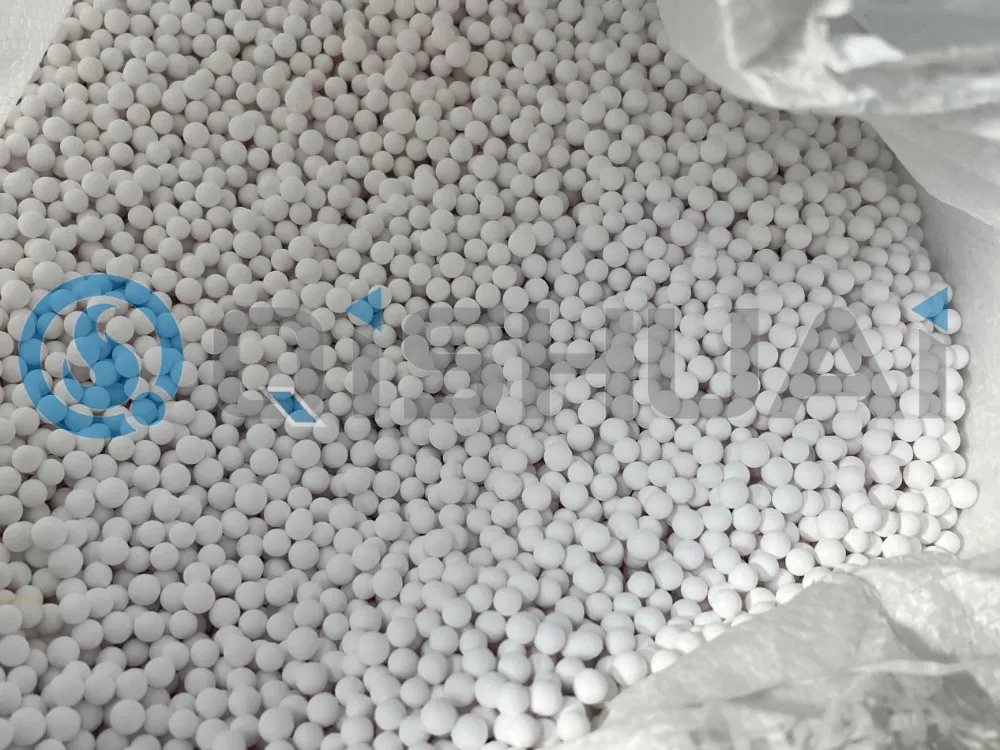
1. Alumina grinding balls stand out for reliable abrasion resistance, stable milling behaviour and reasonable total operating cost. They see wide adoption within mineral processing, ceramic manufacturing and general industrial milling circuits. When you plan to place orders for alumina grinding balls, share your feed characteristics and mill parameters so we can offer reference grading suggestions.

2. Zirconia grinding balls Featuring higher density and minimal wear loss, zirconia grinding beads suit applications requiring ultra-fine outputs and strict anti-contamination requirements, where high grinding throughput is a core priority.

Your final milling result comes from the joint effect of media material choice and well-calibrated ball-size grading.

How to Verify If Your Alumina Grinding Ball Grading Ratio Works Well On-Site

You can evaluate grading performance through measurable production-side KPIs rather than theoretical parameters alone:

1. Grinding cycle duration: Shorter processing time under identical feed conditions signals better energy utilisation.

2. Particle size distribution: Narrow, stable finished particle distribution indicates balanced milling conditions.

3. Media wear rate: Abnormally fast media consumption often points toward mismatched impact and friction conditions.

4. Power consumption: Lower energy draw while keeping throughput unchanged proves improved grinding efficiency.

Frequent Pitfalls When Tuning Alumina Grinding Ball Proportions

1. Only adding small balls chasing better fineness Small balls improve fine grinding performance, but excessive small-ball proportion weakens impact force. Unbroken coarse particles will linger inside the mill and drag down overall efficiency.

2. Relying entirely on large balls for faster processing Large balls deliver strong impact for breaking big chunks, yet cannot handle fine refinement efficiently. It will become difficult to hit your target fineness.

3. Overlooking other critical mill parameters Ball grading ratio is just one influencing variable. Mill rotational speed, media filling rate, material feed volume, feed particle size and cycle time all shape final results. Optimised ball ratios must coordinate with your full milling process setup.

Final Takeaway

Adjusting ceramic ball grading ratios offers a practical, cost-effective approach to optimise grinding efficiency. Successful tuning is not simply stacking more large or small balls. Large ceramic balls deliver impact for coarse particle fracture; small ceramic balls provide friction-driven fine particle refinement.

Your ideal grading solution is determined by feed particle size, target fineness, raw material hardness and mill equipment specifications. A well-optimized ceramic ball mix helps you raise throughput, stabilize finished particle specs, and cut unnecessary media consumption.

If you are sourcing suitable Alumina Grinding Balls or need professional reference advice for ball grading ratios for your mill project, feel free to send us an email with your working conditions, feed material information and target production indexes. Our technical team at Shandong Qishuai Wear Resistant Equipment Co., Ltd. will reply with tailored suggestions for your wear protection and milling needs.

Email: qishuai@zbqishuai.cn


Related News
Leave me a message
X
We use cookies to offer you a better browsing experience, analyze site traffic and personalize content. By using this site, you agree to our use of cookies.Privacy Policy