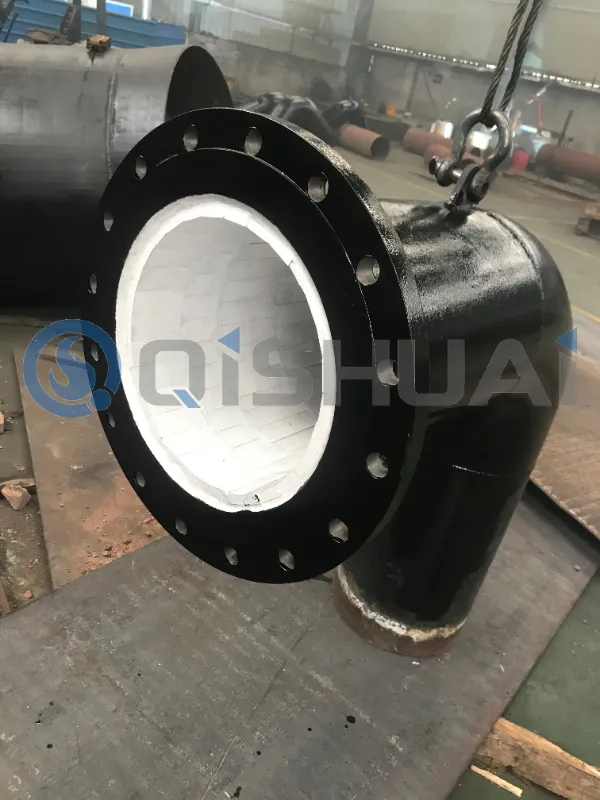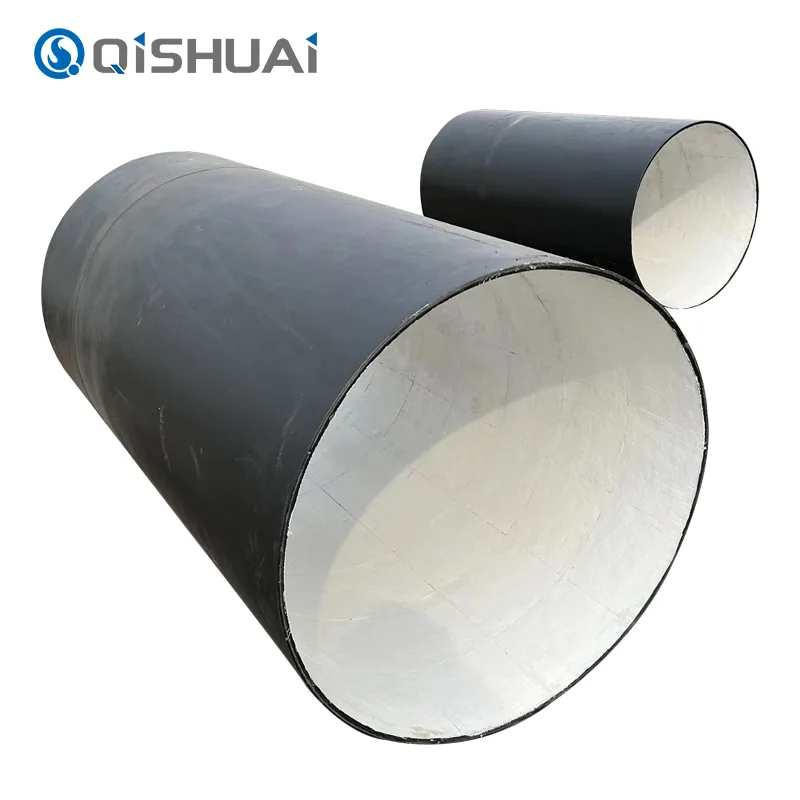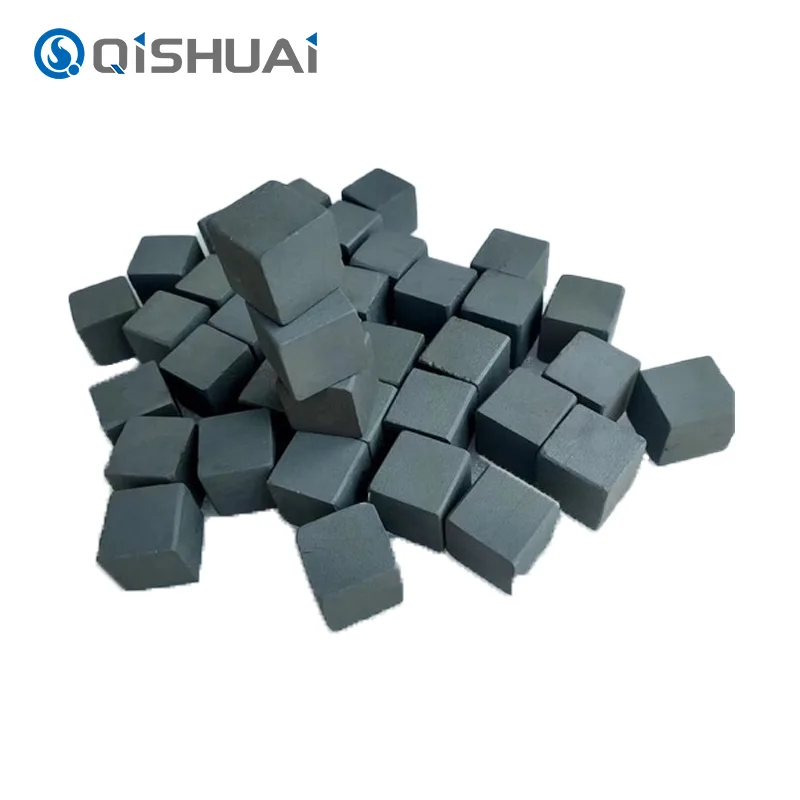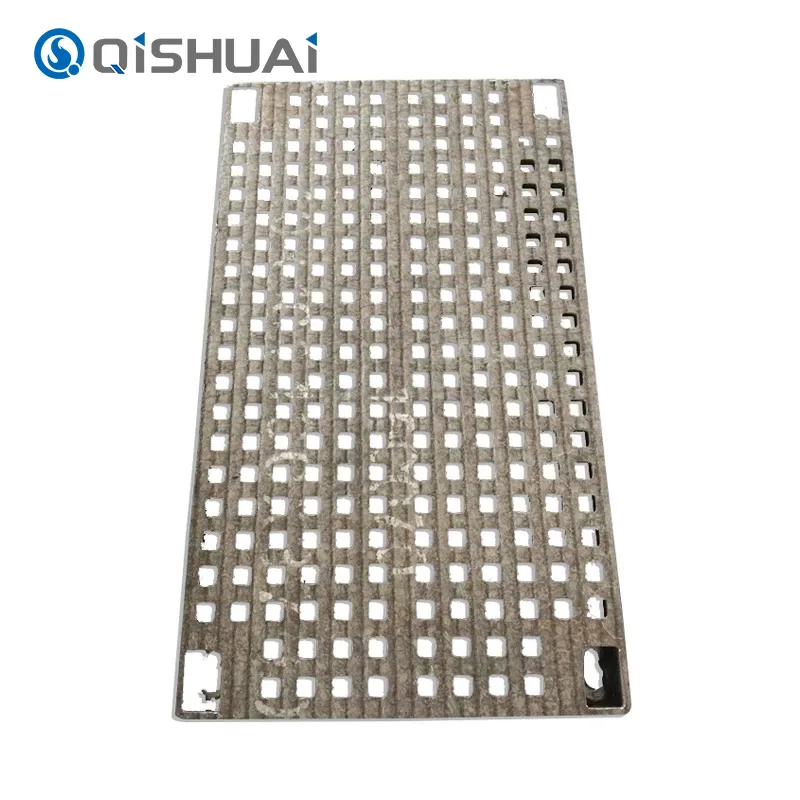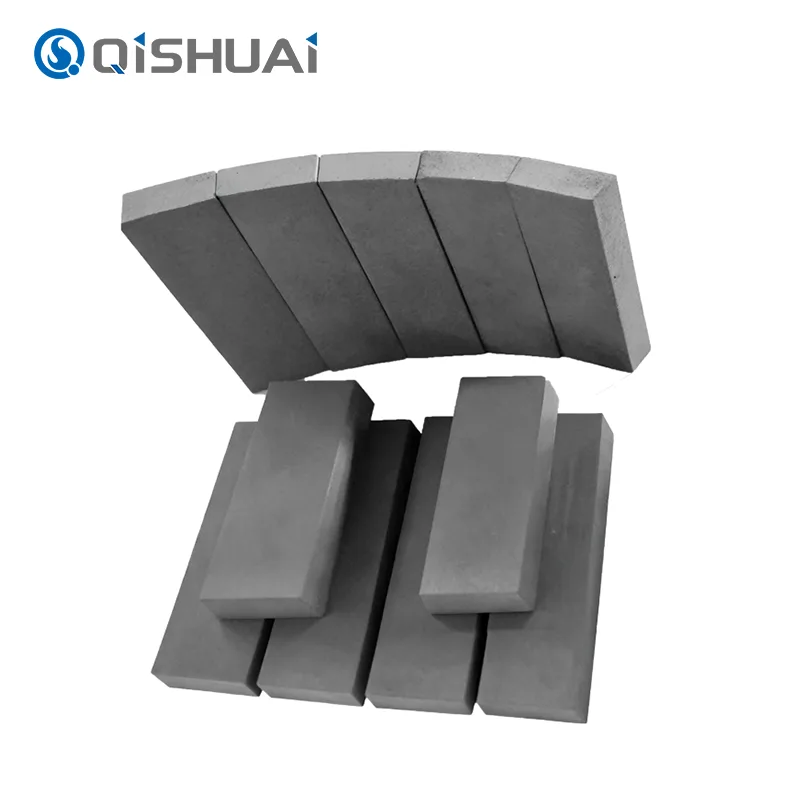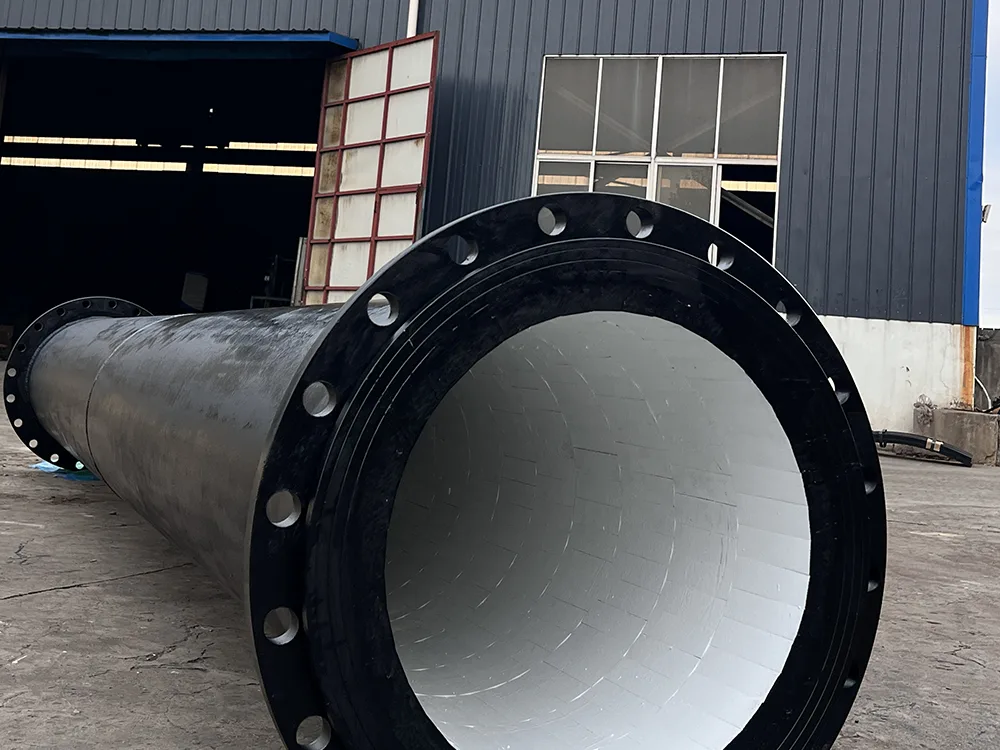
Material conveyance pipelines in industries such as metallurgy, power generation, cement, chemicals, and mining often suffer damage due to wear and corrosion, which impacts production and increases operational and maintenance costs. Ceramic-lined pipes offer excellent wear and corrosion resistance, making them suitable for conveying most fine powders and slurries, and effectively extending the service life of the pipelines.
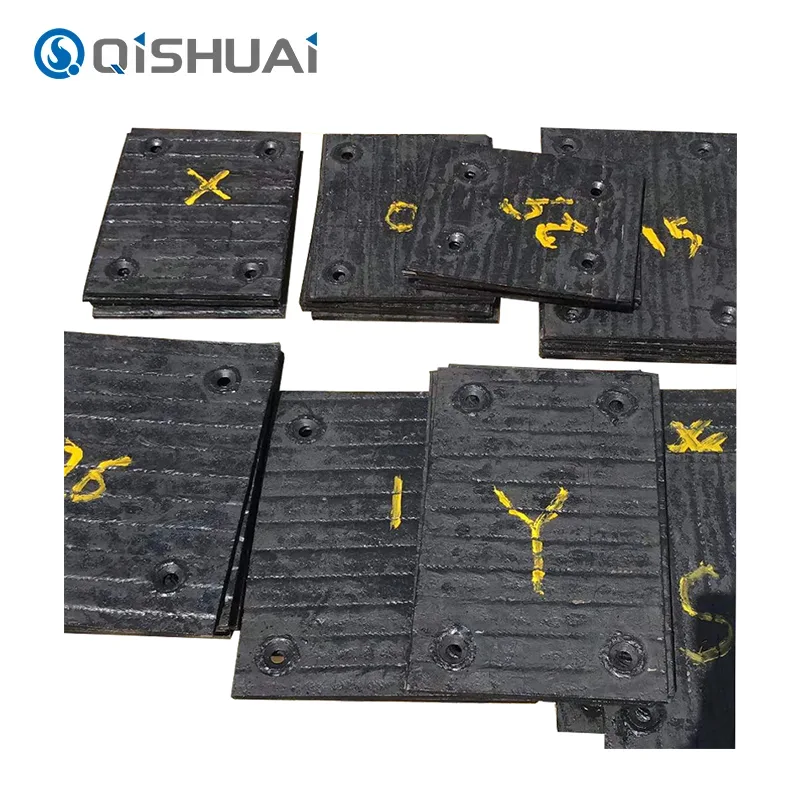
Shandong Qishuai Wear-Resistant Equipment Co., Ltd. specializes in ceramic-lined pipes, alumina wear-resistant components, hard-faced wear-resistant plates, composite wear-resistant pipes, and other products. Drawing on years of on-site service experience, we have identified specific operating conditions for which ceramic-lined pipes are suitable; improper selection can easily lead to issues such as cracking or peeling of the lining. This article outlines the operating conditions for which these pipes are unsuitable, based on real-world applications, to provide guidance for customers during the selection process.
Ceramic linings are primarily made of alumina ceramic, which offers stable wear resistance and compressive strength; however, the material is relatively brittle and has only moderate impact resistance. While it performs well in applications involving the steady conveyance of fine particles, it is prone to chipping and fragmentation when subjected to high-intensity material impacts.
Conditions such as high-altitude material drops, frequent pipeline impacts, and erosion from large material chunks are not suitable for ceramic-lined pipes. In such scenarios, rubber-lined, alloy, or composite wear-resistant pipes should be selected instead. These materials utilize their inherent toughness to absorb impacts and reduce pipeline damage.
Ceramic materials can withstand conventional high-temperature environments but are not resistant to sudden temperature changes. Because the steel pipe substrate and the ceramic lining have different coefficients of thermal expansion, frequent and rapid alternation between hot and cold causes inconsistent deformation between the two, resulting in sustained thermal stress.
Long-term thermal cycling can cause the ceramic lining to delaminate, crack, or even detach. This is commonly observed in high-temperature pipelines subject to intermittent operation and frequent start-stop cycles. Such operating conditions are better suited for bimetallic or special alloy pipes.
Conveyance pipelines in industries such as mining and building materials are often subject to high-frequency vibrations and pressure fluctuations. Ceramic-lined pipes are highly rigid but lack toughness; the ceramic tiles, which are bonded in place, are subjected to long-term vibration and alternating stress, causing the bonded structure to gradually deteriorate.
Over time, this can lead to loosening, cracking, or detachment of the ceramic tiles, thereby shortening the service life of the pipeline. For high-vibration applications, rubber-ceramic composite pipes or bimetallic wear-resistant pipes are more suitable, as they offer superior structural stability.
Ceramic-lined pipes are suitable for conveying uniform, fine-particle materials such as pulverized coal, fine mineral powders, and fine slurries. When used for irregular materials such as large ore chunks or uncrushed aggregates, sharp edges and corners will continuously impact and abrade the lining, causing localized stress concentrations.
Over time, this can lead to issues such as lining spalling, wear, and perforation. For applications involving large-particle or lumpy materials, it is more prudent to prioritize alloy cast or thick-walled steel wear-resistant pipes.
Ceramic-lined pipes require high installation precision, including precise alignment and smooth installation to ensure even stress distribution on the lining. The ceramic lining is prone to damage when on-site deviations are significant, space is limited, or the pipes require frequent cutting, modification, or relocation.
Installation deviations and uneven gaps can also reduce the pipeline’s wear resistance and corrosion protection. For pipelines requiring frequent adjustments or modifications, rubber or plastic-lined pipes—which offer greater flexibility and simpler installation—are more suitable.
Ceramic linings can withstand conventional acid, alkali, and steam-corrosive environments; however, their protective capabilities are limited when exposed to highly corrosive media with complex compositions, such as high-concentration composite acid-alkali slurries and strongly oxidizing chemical fluids.
Prolonged exposure to special chemical media will gradually erode and penetrate the ceramic surface, leading to lining failure. For such operating conditions, it is recommended to use specialized corrosion-resistant piping materials such as fluoroplastics, special alloys, and fiberglass-reinforced plastic (FRP).
The key to selecting the right piping lies in aligning with on-site conditions and matching materials and processes to specific needs. Shandong Qishuai Wear-Resistant Equipment Co., Ltd. can recommend suitable products—such as ceramic-lined pipes, alloy wear-resistant pipes, composite liners, and corrosion-resistant pipes—based on actual conditions including material properties, temperature, vibration, and installation requirements.
We offer integrated services including selection consultation, solution design, custom manufacturing, and installation support. By tailoring reasonable wear-resistant and anti-corrosion solutions to actual on-site requirements, we help customers avoid selection issues, reduce pipeline failures, effectively control equipment operation and maintenance costs, and ensure the smooth operation of production lines.
Email:qishuai@zbqishuai.cn
-