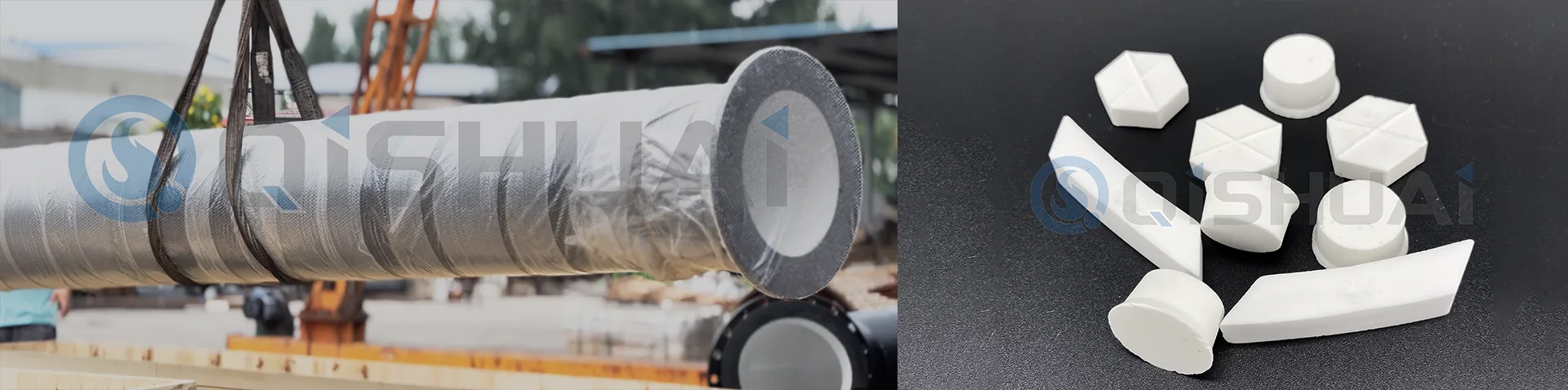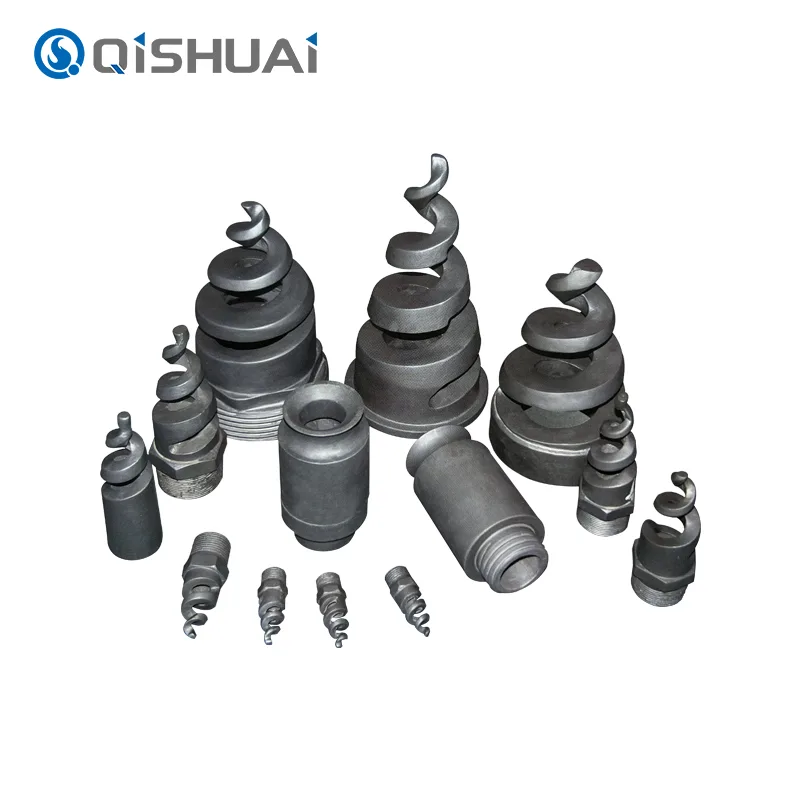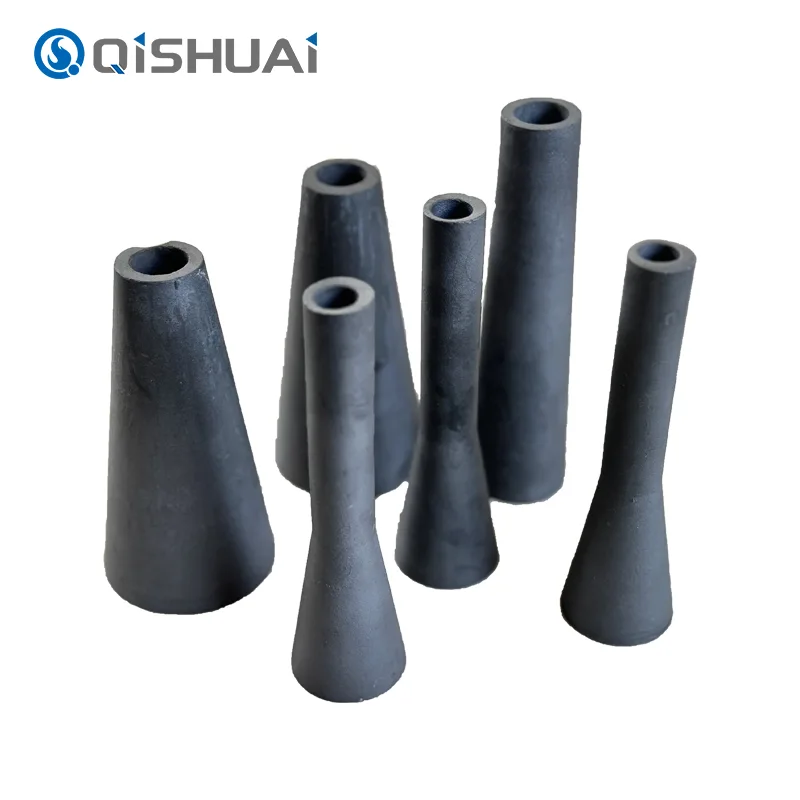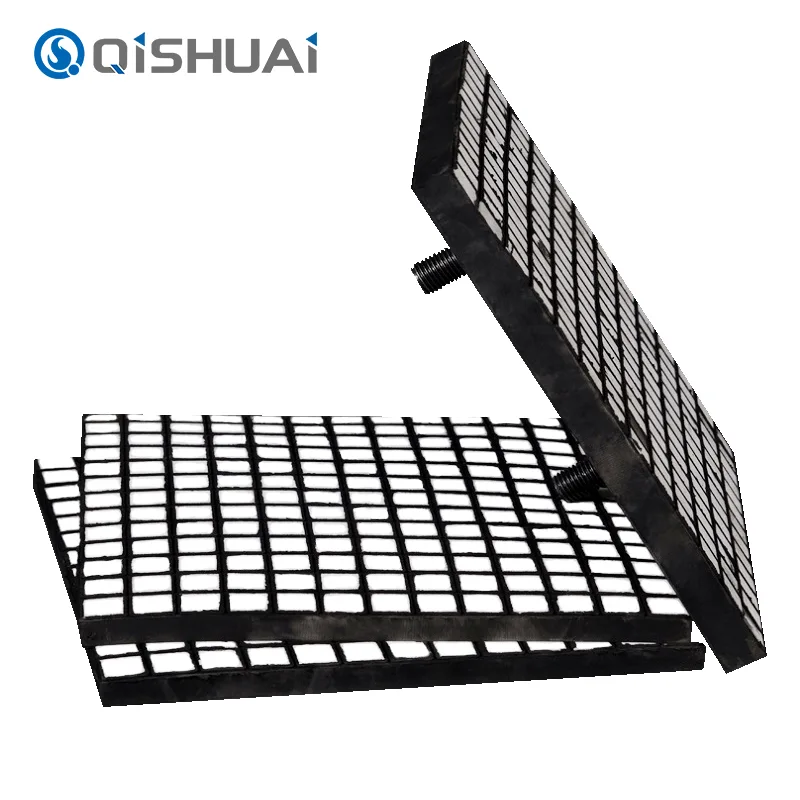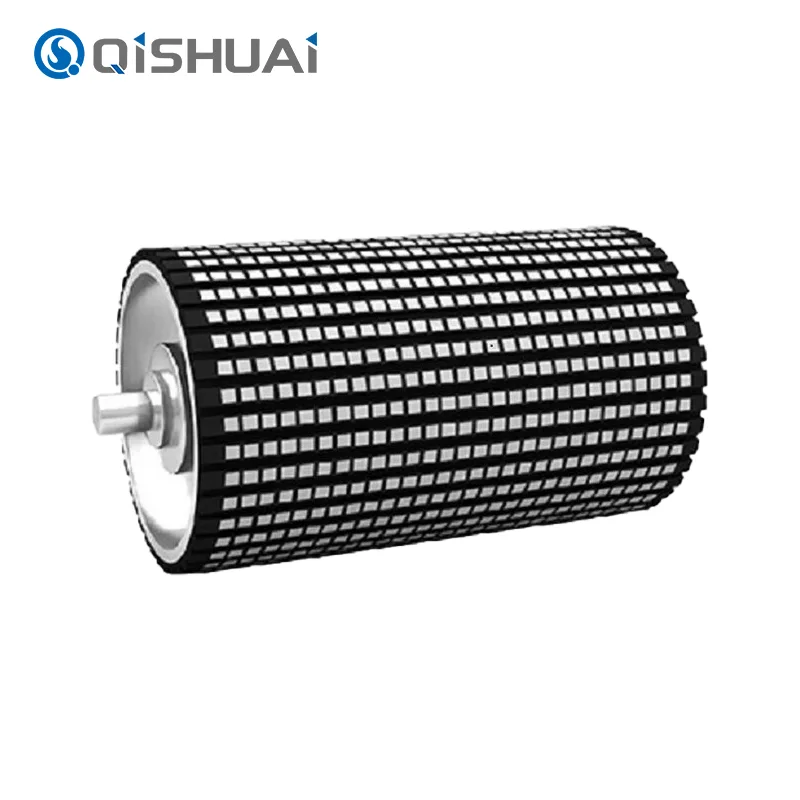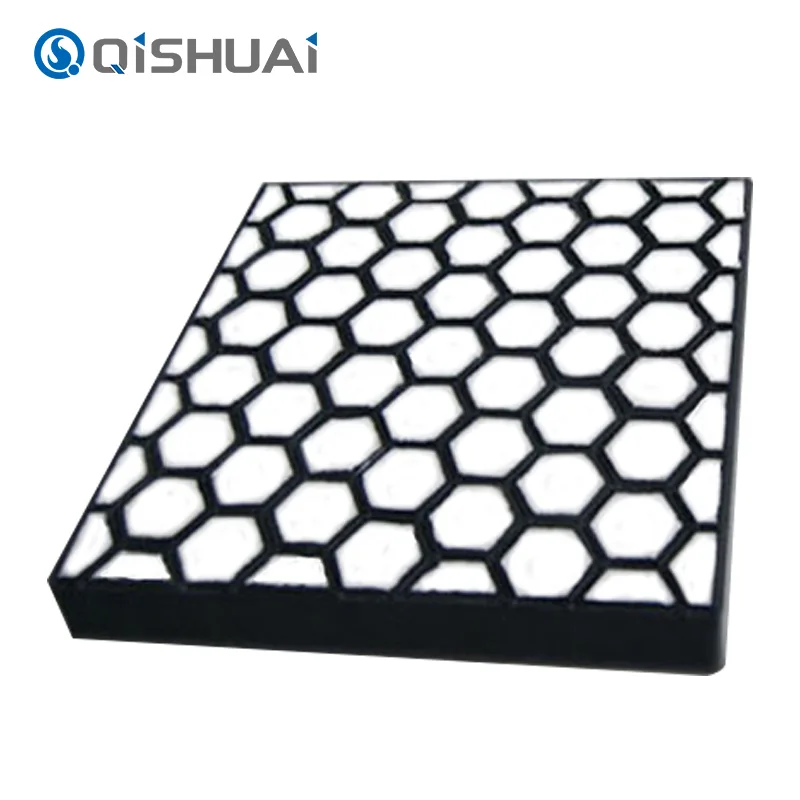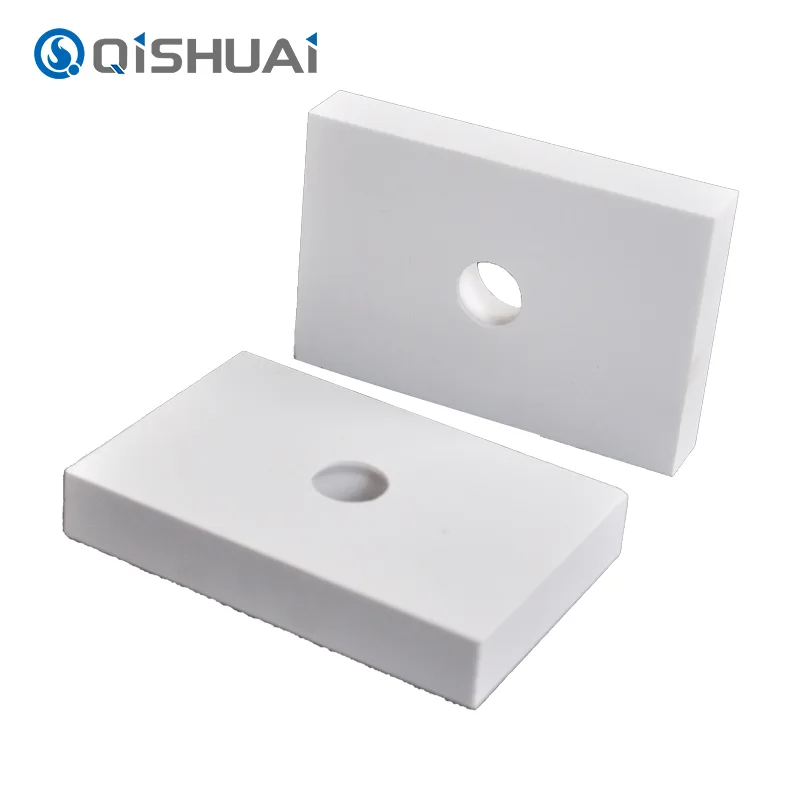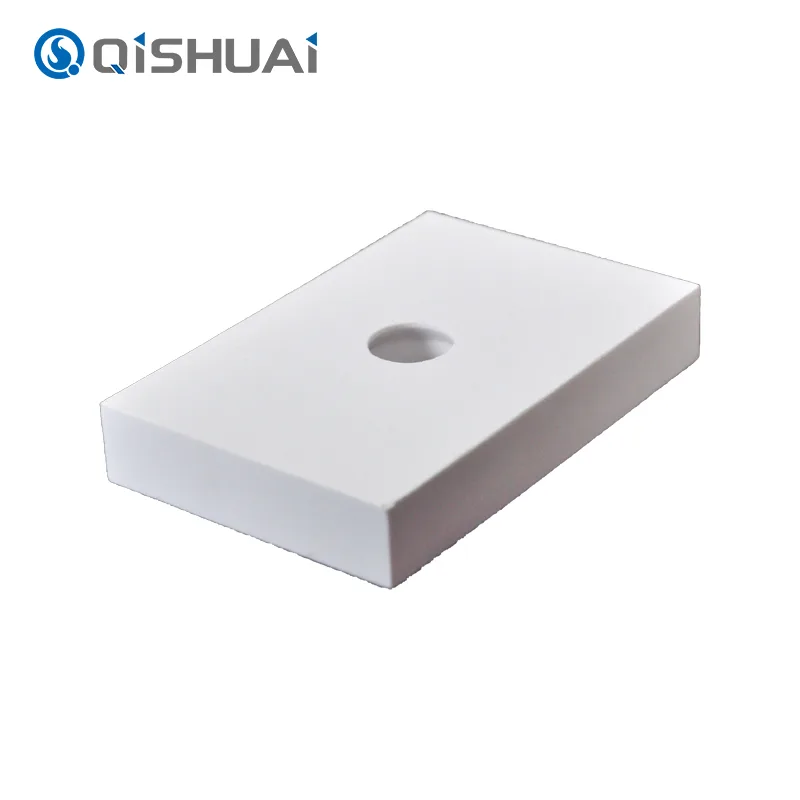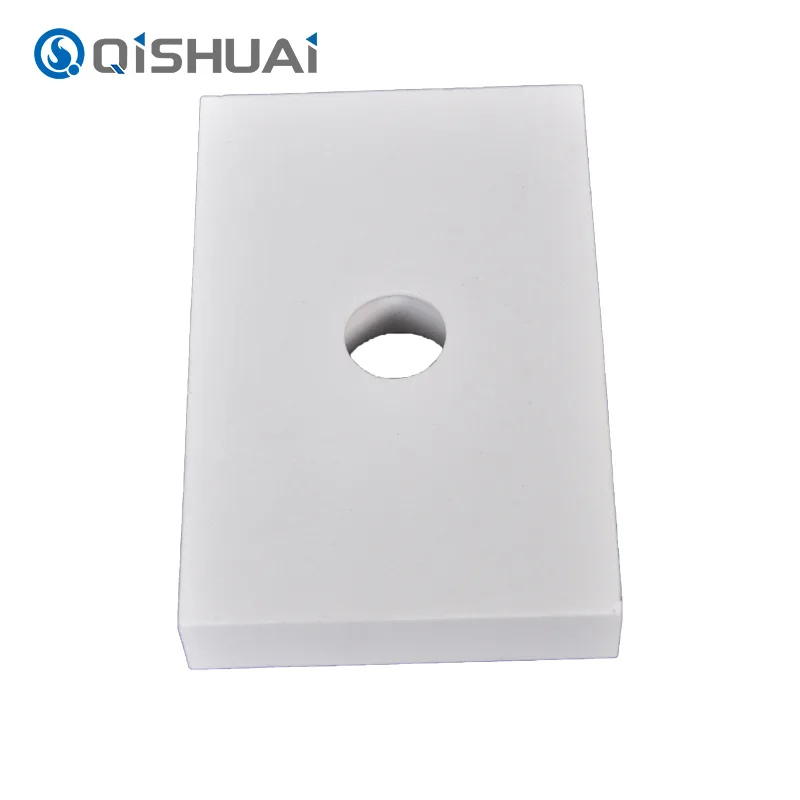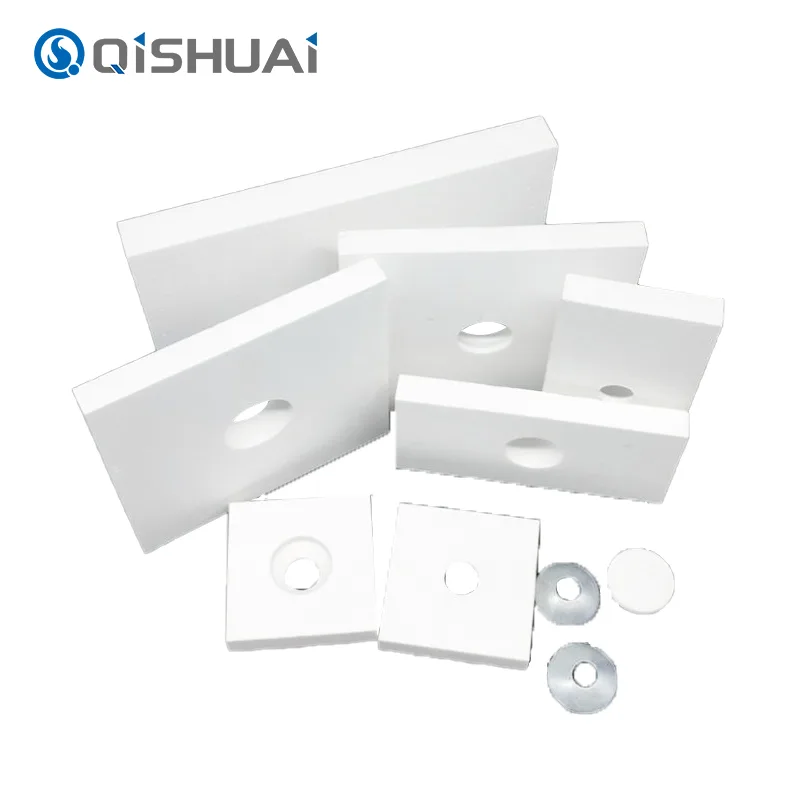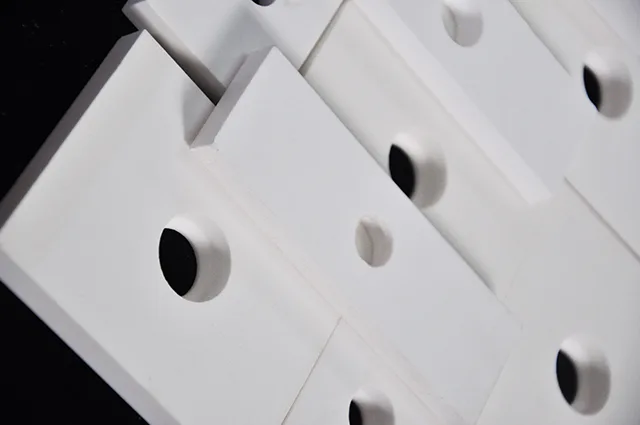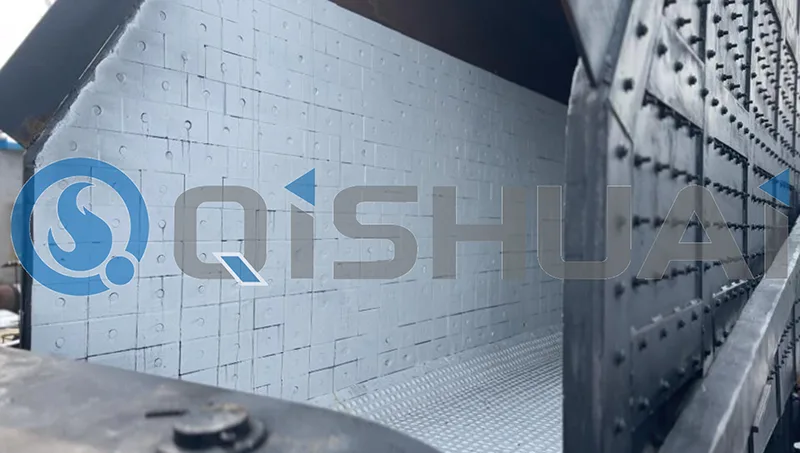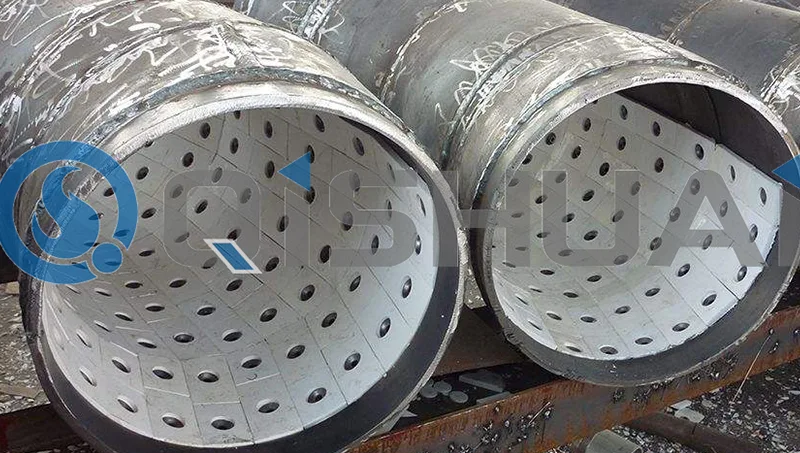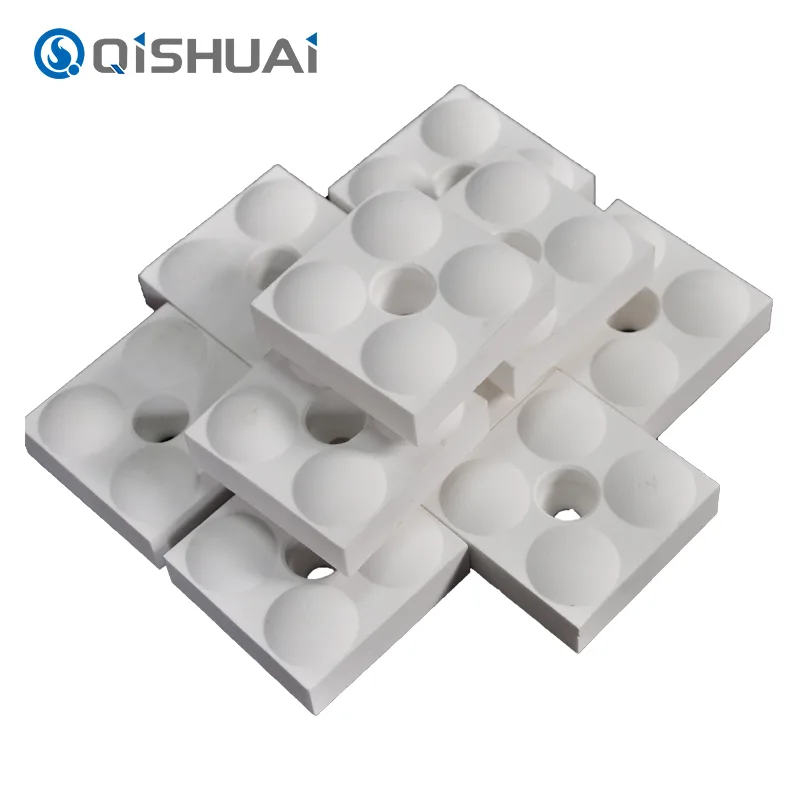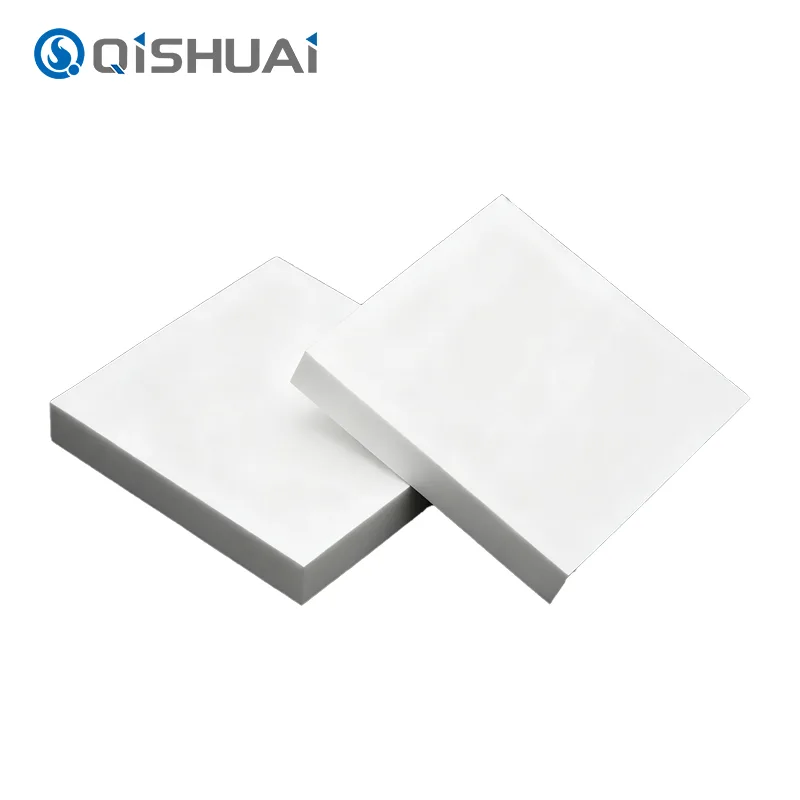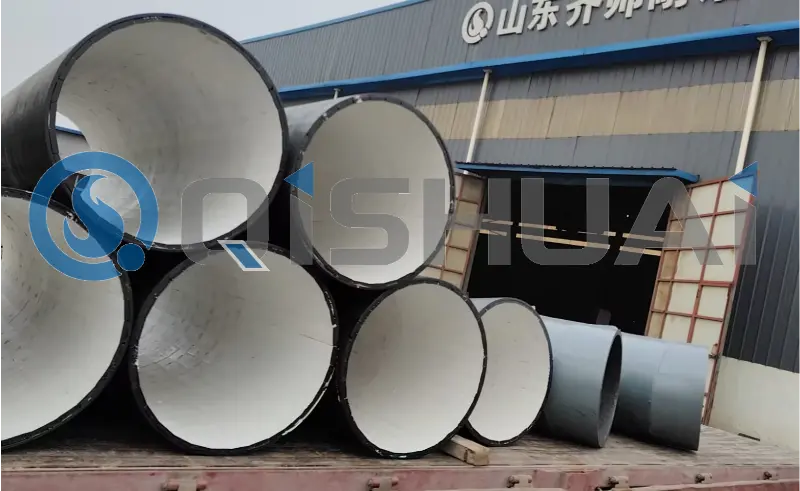
Exceptional Hardness and Wear Resistance: Our Wear Industrial Ceramic Tiles feature extraordinary hardness; their Rockwell hardness is over HRA85 – which is second only to diamond, the hardest natural material. This extremely hard material possesses wear resistance well beyond that of ordinary steel, being five times harder than ordinary steel. Here are some advantages realized from their high hardness and high wear resistance.
Exceptional Corrosion Resistance: This comes from the fact that they have a special chemical composition and highly dense microstructure. They are mainly made up of chemically stable aluminium oxide, which means that they are not able to react with other materials. In addition, after the special firing process, the micro pores in ceramic tiles are filled with material, so that no corrosive media can penetrate into the ceramic body. They are able to resists erosion of many kinds of chemicals. In the equipment of chemical industry, the reactor, pipeline etc. will be often contact with highly corrosive chemical, if using our productsas the lining, the equipment can also be stable in the corrosive chemical for a long time.
The following table presents corrosion resistance test data for Wear Industrial Ceramic Tilesin various chemical substances:
|
chemical substances |
concentration |
Testing period |
Degree of corrosion |
|
Hydrochloric acid |
30% |
1000 hours |
No significant corrosion |
|
sulphuric acid |
50% |
1000 hours |
Slight corrosion |
|
Nitric acid |
40% |
1000 hours |
No significant corrosion |
|
sodium hydroxide |
40% |
1000 hours |
No significant corrosion |
High-temperature resistance and stable operation: Wear Industrial Ceramic Tilesexhibit outstanding high-temperature performance, maintaining stable physical and chemical properties in elevated environments. This stems from their raw materials possessing high melting points and stable crystalline structures at elevated temperatures. Within such conditions, the interatomic bonding within the ceramic tiles remains robust, minimising lattice distortion and material migration, thereby ensuring consistent performance.
Lightweight, Reducing Equipment Load: Compared to metallic materials, our Wear Industrial Ceramic Tilesare significantly lighter. Their density ranges from 3.6 to 3.9 g/cm³, approximately half that of steel. Utilising our tiles not only reduces pipeline weight, easing installation and transportation challenges, but also minimises energy consumption and lowers operational costs. Simultaneously, alleviating equipment load contributes to enhanced operational stability and extended service life.
To meet the diverse requirements of our varied clientele, we offer Wear Industrial Ceramic Tilesin multiple specifications and dimensions. The following table details the product specifications and technical parameters:
|
Item |
Parameters |
|
Specifications and Dimensions(mm) |
100×100×10, 150×150×12, 200×200×15, etc. (customisable to client requirements) |
|
density(g/cm³) |
3.6 - 3.9 |
|
Rockwell hardness(HRA) |
≥85 |
|
Compressive strength(MPa) |
≥850 |
|
Flexural strength(MPa) |
≥290 |
|
Fracture toughness KΙC(MPa・m1/2) |
≥4.8 |
|
Thermal conductivity(W/m・K) |
20 |
|
Coefficient of thermal expansion(m/m・K) |
7.2×10⁻⁶ |
|
Alumina content(%) |
≥95 |
|
Acid resistance(%) |
≥99.8 |
|
High-temperature resistance |
Withstands temperatures up to 1200°C |

There are many kinds of wear resistant materials, and Wear Industrial Ceramic Tileshas been the first choice of most enterprises because of its excellent performance. And then, let us come to detailed introduction for the performance comparison of Wear Industrial Ceramic Tiles from Wear Industrial Ceramic Tilessupplier, Shandong Qishuai Wear-Resistant Equipment Co., Ltd. compared with other common wear resistant materials, wear resistant steel, rubber, cast stone etc.
|
Comparative Project |
Industrial Wear-Resistant Ceramic Tiles |
Wear-resistant steel |
rubber |
Cast stone |
|
Abrasion resistance |
Rockwell hardness exceeds HRA85, with wear resistance surpassing that of ordinary steel by more than fivefold. Under identical operating conditions, this extends equipment service life by at least tenfold. |
Relatively low hardness, resulting in accelerated wear in high-abrasion environments. |
Wear resistance is generally average, with a relatively rapid rate of wear in high-abrasion environments. |
It possesses relatively high hardness and good wear resistance, though it falls short of industrial wear-resistant ceramic tiles. |
|
Corrosion resistance |
It exhibits excellent corrosion resistance in various chemical substances, including common strong acids such as hydrochloric acid, sulphuric acid, and nitric acid, as well as strong alkalis like sodium hydroxide and potassium hydroxide. |
Corrosion is likely to occur in corrosive environments such as acidic or alkaline conditions. |
Corrosion resistance is generally moderate, and it is prone to damage in highly corrosive environments. |
It exhibits a certain degree of corrosion resistance in general acidic and alkaline environments, but is not resistant to corrosion in certain special chemical substances. |
|
High-temperature resistance |
Can withstand temperatures up to 1200°C, maintaining stable physical and chemical properties in high-temperature environments. |
At elevated temperatures, strength and hardness decrease, making it prone to deformation and damage. |
Poor high-temperature resistance, generally suitable for use below 200°C. |
It exhibits good high-temperature resistance, though cracking and other issues may occur at elevated temperatures. |
|
Density(g/cm³) |
3.6 - 3.9, approximately half the density of steel |
Density is relatively high, typically around 7.8–8.0 g/cm³. |
Lower density, typically around 1.1–1.3 g/cm³. |
Density is relatively high, typically ranging from 2.9 to 3.1 g/cm³. |
|
cost |
The initial procurement cost is relatively high, but due to its extended service life and low maintenance expenses, it offers a cost advantage in the long term. |
The initial procurement cost is relatively low, but during use, due to rapid wear and tear, frequent replacements are required, resulting in high maintenance costs. |
Lower initial cost, but frequent replacement in high-wear environments results in higher overall costs. |
Cost is moderate, but care must be taken regarding its brittleness during installation and use, which may increase maintenance costs. |
|
Application Scenarios |
Widely employed across various industries including mining, metallurgy, steel, chemical, power generation, and building materials, for equipment such as crushers, ball mills, reactors, pipelines, and fans. |
Suitable for applications where wear resistance is not a critical requirement and the operating environment is relatively mild. |
Suitable for applications where lower levels of abrasion resistance and corrosion resistance are required, and where a degree of elasticity is necessary, such as conveyor belts and vibration-damping pads. |
Suitable for applications where wear resistance and corrosion resistance are required, but where weight and brittleness are less critical, such as linings for certain industrial equipment. |
From the above comparison, we can find that Wear Industrial Ceramic Tile has a very excellent performance in abrasion resistance, corrosion resistance, high-temperature resistance etc. And its one-time cost of obtaining is relatively high, but in the long-term application, its overall cost advantage is very strong, can bring more economic benefits and production stability to the enterprise.
Should you have any enquiries regarding our products, please do not hesitate to contact us via the following methods:
Telephone:+86-533-7010227
WhatsApp:8615898737636 (Kella)
WhatsApp:8618953367229 (Penny)
WhatsApp:8613869372890 (John)
Email:qishuai@zbqishuai.cn
Address
Phoenix Industrial Park, Linzi District, Zibo City, Shandong Province, China
Tel