Products
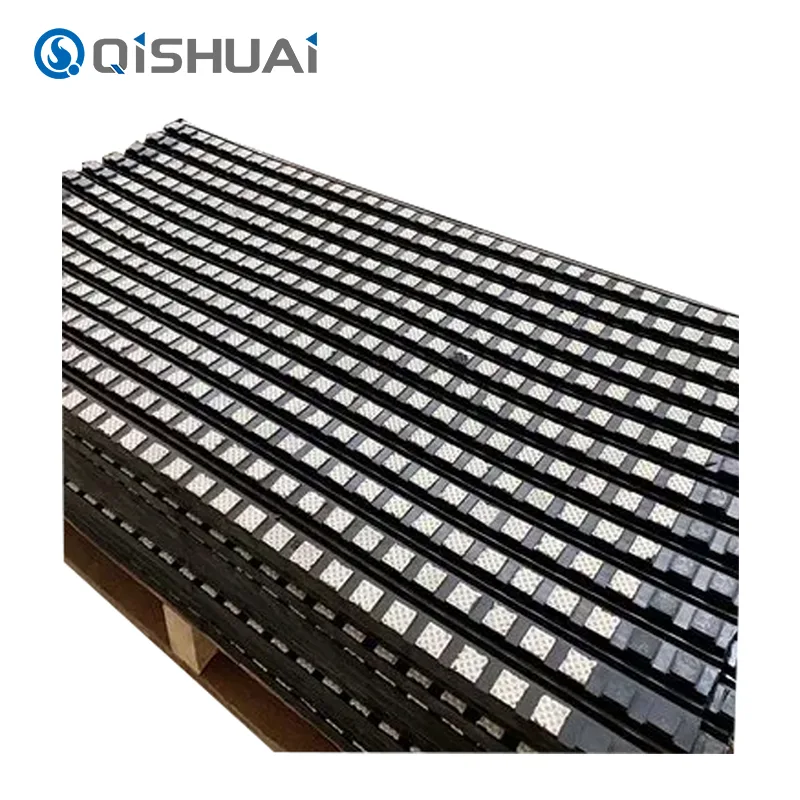
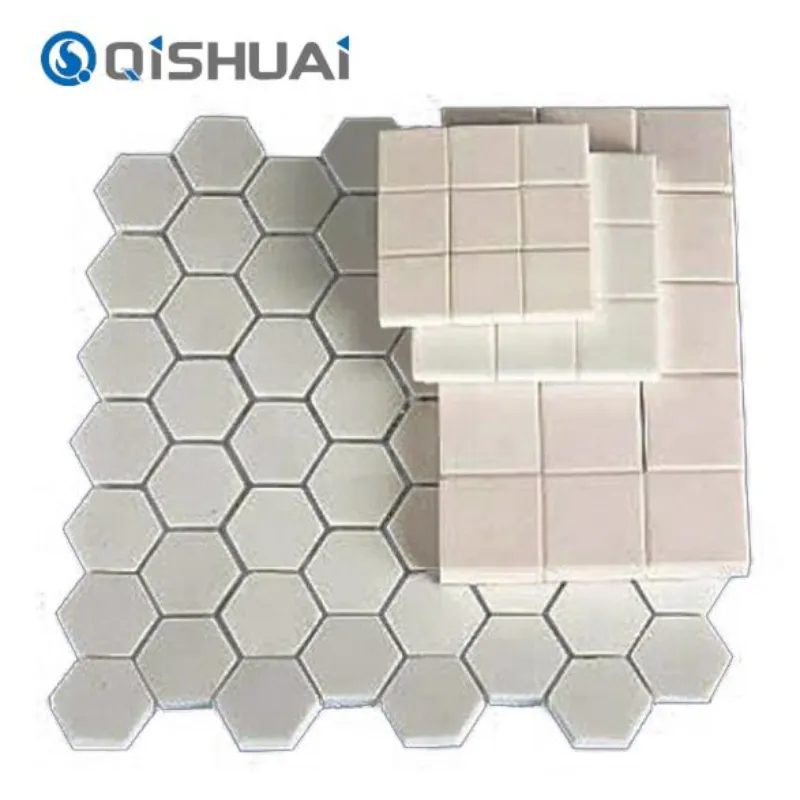
Pulley Lagging Ceramic Mosaic
  • Pulley Lagging Ceramic MosaicPulley Lagging Ceramic Mosaic
  • Pulley Lagging Ceramic MosaicPulley Lagging Ceramic Mosaic
  • Pulley Lagging Ceramic MosaicPulley Lagging Ceramic Mosaic

Pulley Lagging Ceramic Mosaic

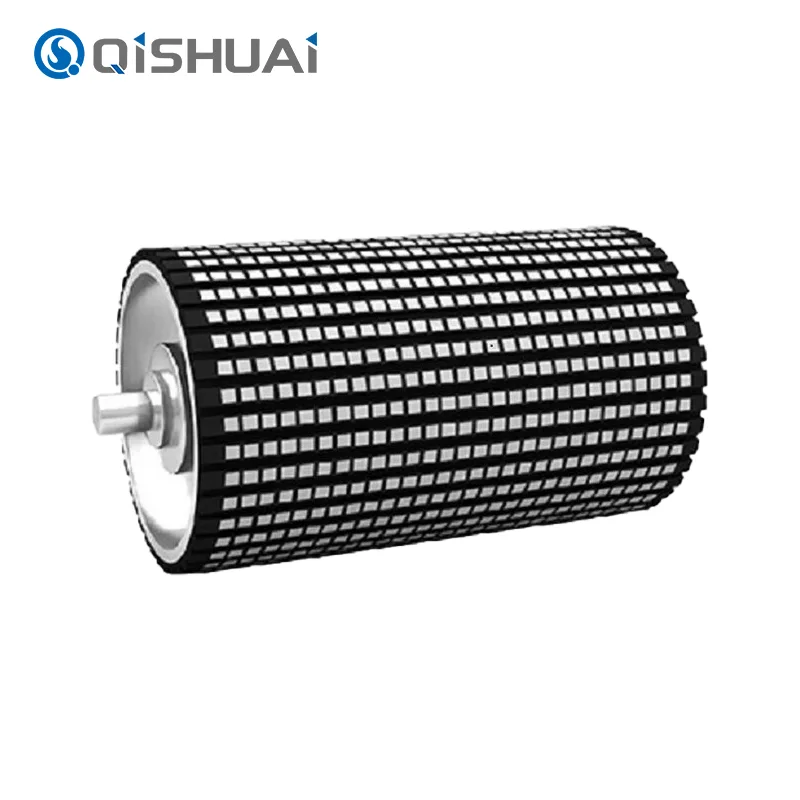
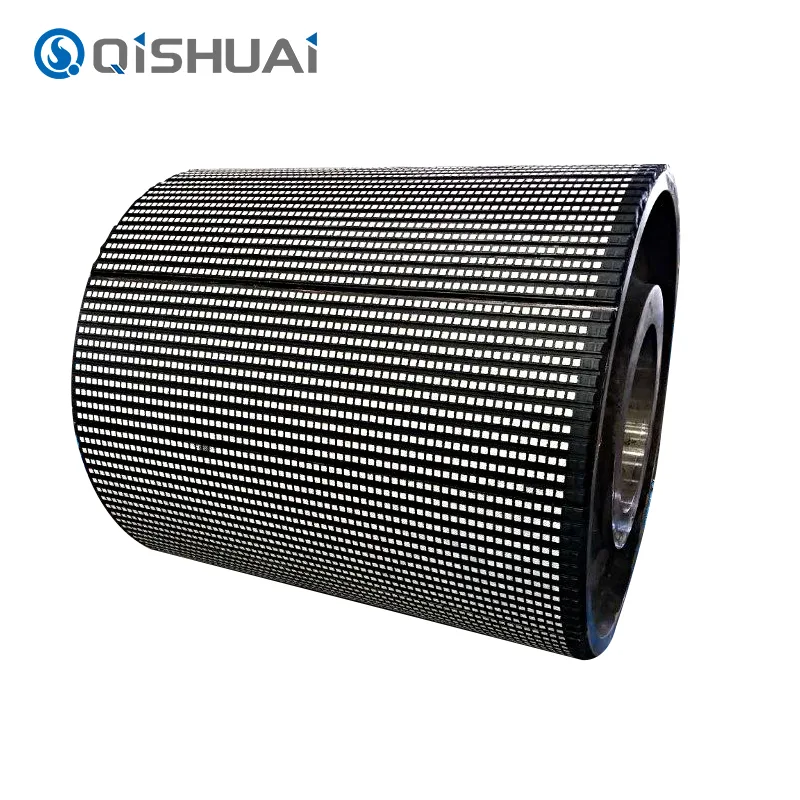
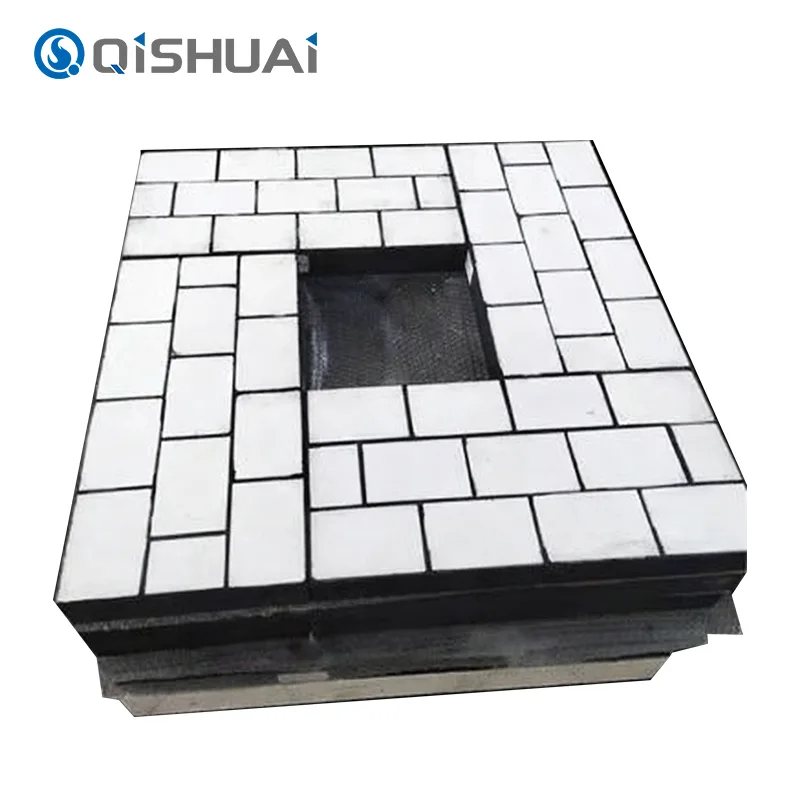
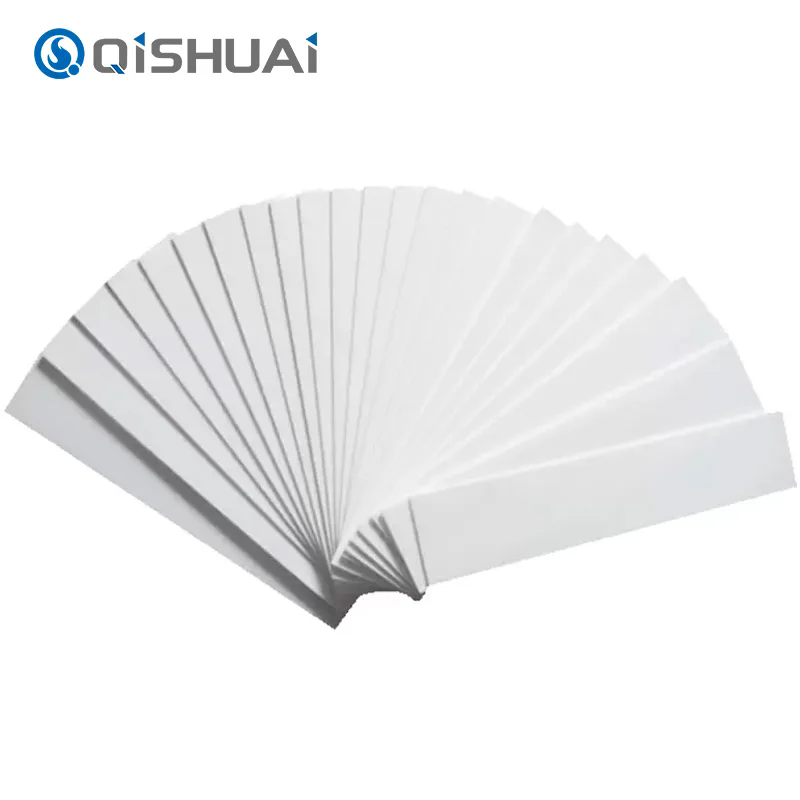
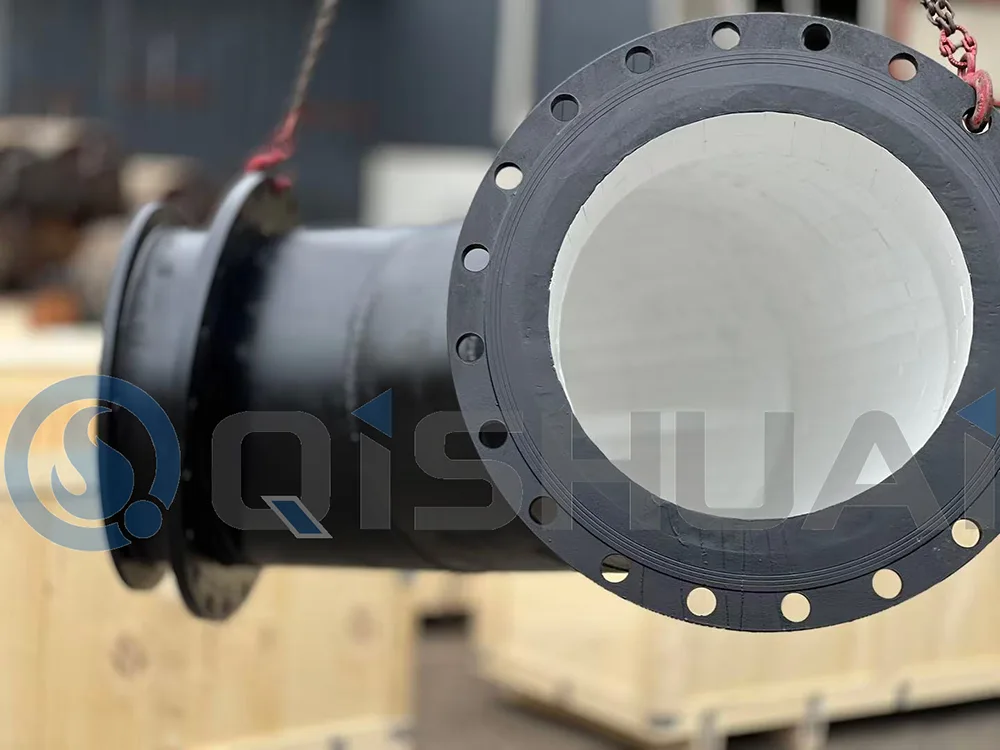
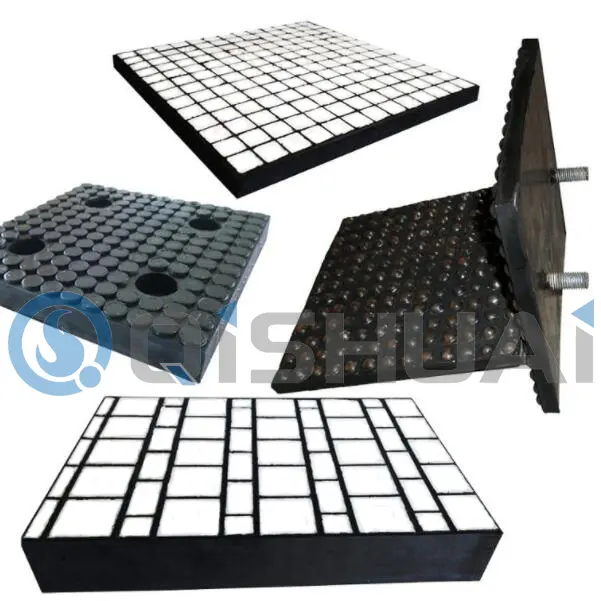
Shandong Qishuai wear-resistant Pulley Lagging Ceramic Mosaic brings together advanced work and premium materials to provide exceptional resistance to abrasion that far exceeds what conventional pulley materials can achieve. This approach significantly extends the lifespan of equipment and reduces the costs associated with maintenance. The design provides outstanding safety features for preventing slip, ensuring safe operation even in harsh environments. Applied across multiple industries, the product undergoes rigorous testing and meets all relevant standards. For procurement inquiries, individuals may contact the company via online consultation, phone, or email to receive detailed product information and quotations.

In modern industrial applications, efficient operation and long-lasting durability of equipment represent key priorities for enterprises. Shandong Qishuai Wear-Resistant Equipment Co., Ltd.'s Pulley Lagging Ceramic Mosaic delivers exceptional performance enhancements for industrial machinery, making it the smart choice for procurement.


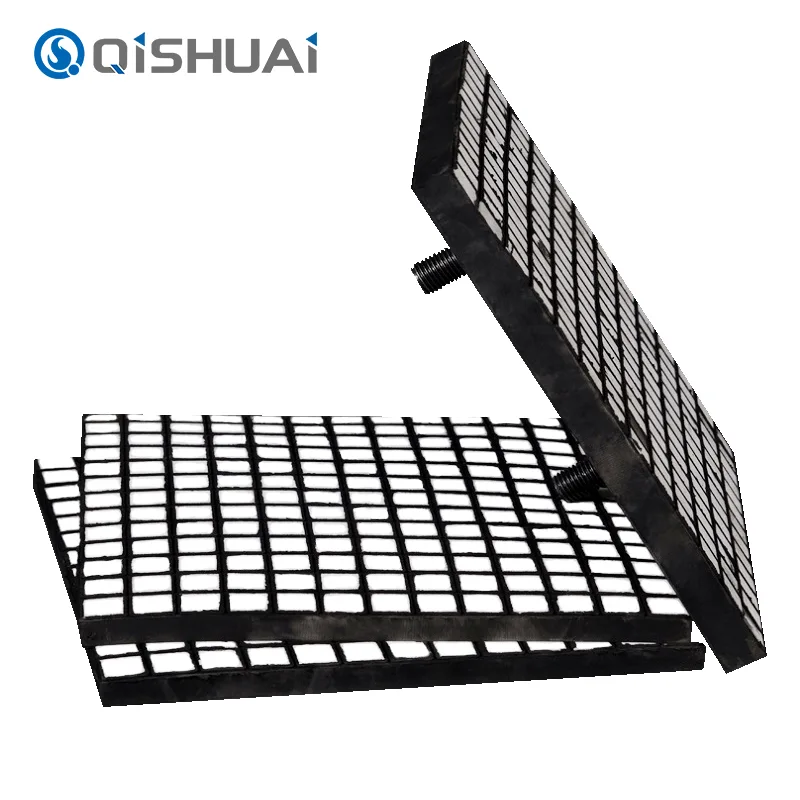
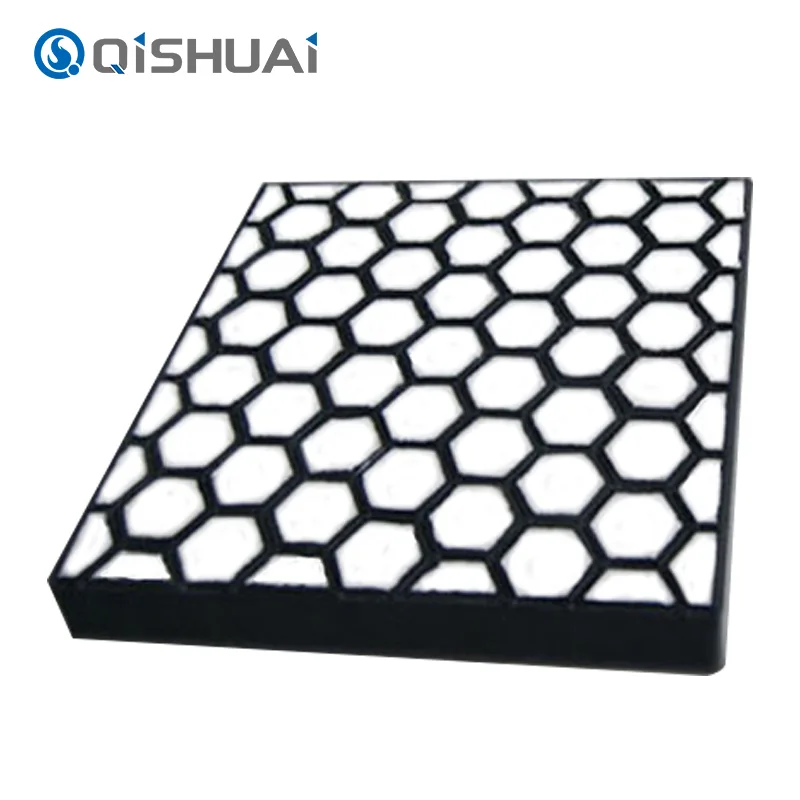
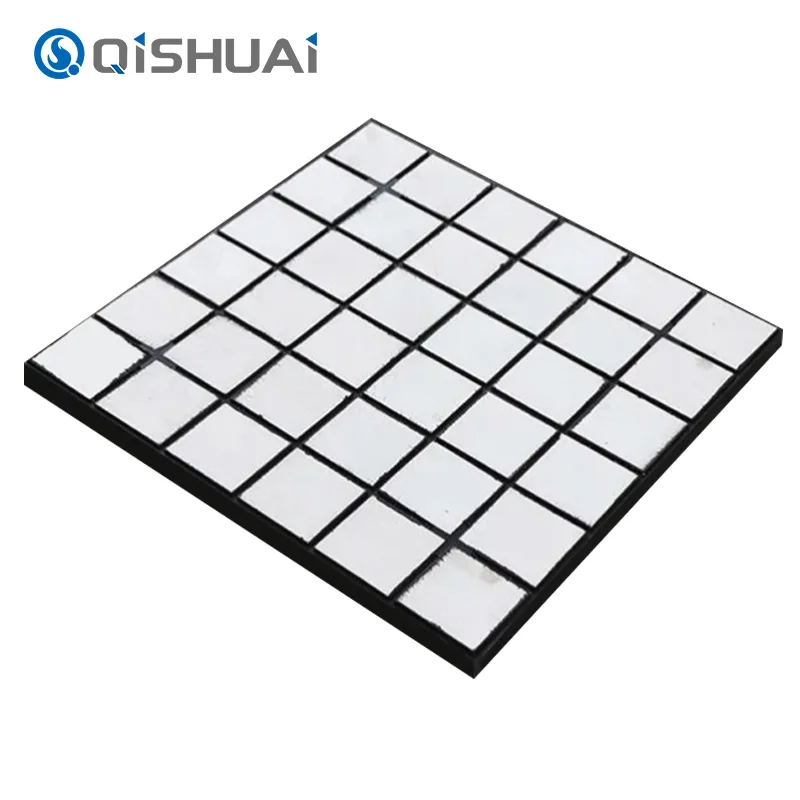
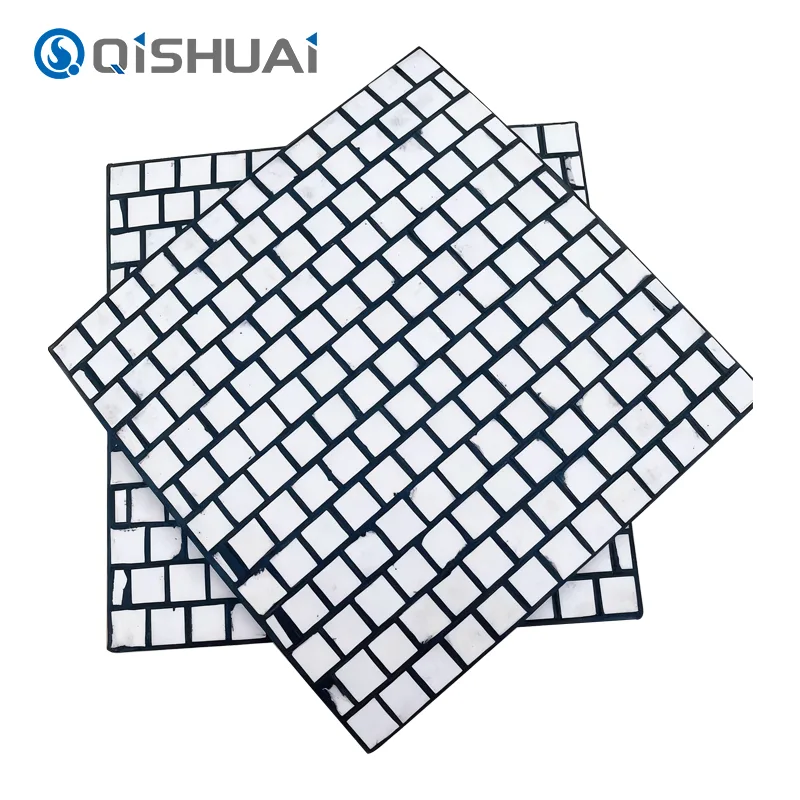
Pulley Lagging Ceramic Mosaic represents an innovative application of ceramic mosaic technology to pulley surfaces. This product combines the high hardness and wear resistance that ceramic materials provide with the unique interlocking advantages of mosaic tiles, giving pulleys entirely new capabilities.


In industrial production, pulleys serve as critical transmission components exposed to demanding conditions—including heavy-duty operation, frequent friction, and harsh chemical corrosion. Traditional pulley materials often wear out and deteriorate under these conditions, leading to frequent equipment failures, high maintenance costs, and significant production efficiency losses. The Pulley Lagging Ceramic Mosaic from Shandong Qishuai addresses these challenges perfectly.

Pulley Lagging Ceramic Mosaic


Unique Advantages

Exceptional Wear Resistance

The resistance to wear in these ceramic mosaic tiles for pulley lagging represents a main strength of the material. The mosaics use premium ceramic materials and high temperature firing to develop significant hardness. Testing by professional agencies shows the Rockwell hardness measure at HRA80 to 90, a level that approaches diamond. This exceeds the wear resistance that conventional pulley materials such as rubber or plastic provide. In applications, we conducted multiple tests to examine wear resistance.

Test Items

Test Conditions

Wear Condition of Ordinary Pulley Materials

Wear Condition of Pulley-Covered Ceramic Mosaic

Simulated Industrial Transportation

Under high-load conditions with frequent starts and stops, it can operate continuously for 1000 hours.

Severe wear has caused noticeable grooves and flaking on the surface, with some areas worn down to the point of affecting normal use.

Only minor wear is present, with the surface remaining smooth. Mosaic joints show no loosening, and normal use is completely unaffected.

Friction Test

Using professional friction equipment, friction is applied at a specific pressure and frequency, with the number of friction cycles reaching 500,000.

Surface wear depth reaches 2–3 millimeters, with a significant decline in material properties.

Wear depth less than 0.5 mm has no significant impact on overall performance.


The data from testing show clear differences between Pulley Lagging Ceramic Mosaic and conventional pulley materials. The ceramic mosaic demonstrates resistance to wear that is substantially higher. This indicates that industrial production using Pulley Lagging Ceramic Mosaic can extend the service life of pulleys to a considerable degree. It reduces the frequency of replacement that wear causes. The result is lower costs for equipment maintenance and improvement in production efficiency.


Outstanding Slip Resistance

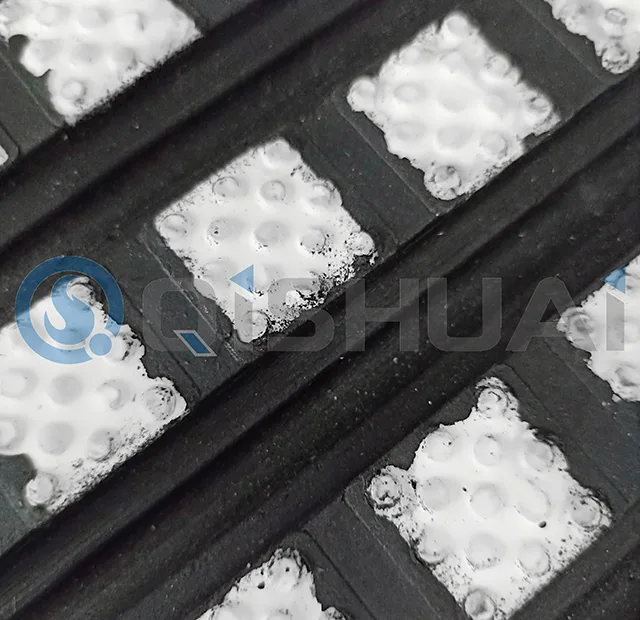
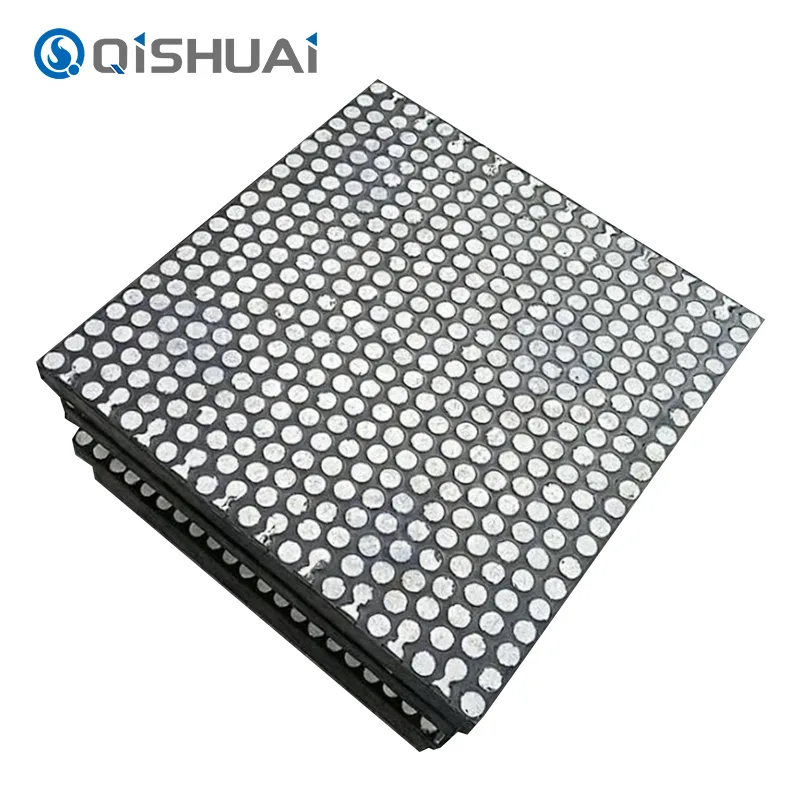
The products provide resistance to slipping as an important feature. The design process considers prevention of slipping through a particular surface treatment approach that produces a textured pattern with small features on the ceramic surface. This texture increases the degree of friction between the surface and objects that make contact with it, and the effect shows consistency in conditions that include wet surfaces or surfaces with substances that reduce friction. The mechanism that prevents slipping functions through the small texture features that interact with small gaps on the surface of objects when contact occurs. This interaction produces a mechanical form of grip between surfaces that stops objects from slipping.

Pulley Lagging Ceramic Mosaic


Production Process

The performance and features of the products that involve coating on ceramic forms with pulley application result from the production approach that the work follows. This section presents the process from materials to products that the production provides.


Raw Material Selection

Superior products begin with superior raw materials. The production uses ceramic clay showing high levels of purity as the main material. This material comes from specific mines that undergo assessment to confirm the features and stability that the approach requires. The process then combines particular additives including oxides of different metals. These additions follow the requirements for the features and appearance that the products show. The materials undergo multiple assessments that include examining the composition through analysis, measuring the size of particles, and evaluating the content showing impurities. Only materials that fully meet our standards proceed to production.


Powder Preparation and Molding

Selected raw materials are first ground in ball mills.The grinding stage adds water and other substances that support the grinding process. This allows the materials to combine and form a mixture showing fine features. The mixture undergoes drying in equipment using spray drying methods. This produces particles in powder form showing consistent features and properties that support the forming process. The powder particles then enter molds designed for the different forms and dimensions that the products require. The forming occurs under conditions involving high levels of pressure. The equipment for forming uses systems based on hydraulic principles. This equipment allows control over the pressure levels and duration that the molding requires. The control ensures that the dimensions show accuracy and that the density remains consistent across the individual units that the production provides. The production includes sampling procedures that occur during the process. These procedures use instruments showing high precision to assess the dimensions and surface features. Products that do not meet the requirements indicate the need for changes to the equipment settings or maintenance of the molds.


High-Temperature Firing

The units that complete the forming stage then enter equipment operating at high temperature for the firing stage. The firing involves multiple phases that include heating at lower temperature levels, processing at high temperature that produces sintering, and reduction of temperature occurring in stages.

During the low-temperature preheating stage, the blanks gradually heat up to expel internal moisture and organic matter. The heating rate must be strictly controlled during this phase, as excessive speed may cause cracking.


During high-temperature sintering, The phase involving high temperature sintering typically reaches levels between one thousand two hundred and one thousand three hundred degrees in the scale measuring Celsius. The high temperature conditions produce reactions involving physical and chemical processes between the particles of ceramic material. These reactions form a structure showing dense features. This structure provides high levels of hardness, resistance to wear, and stability when exposed to different chemical conditions.


The reduction of temperature occurs in a manner that allows the stresses within the material to release in a consistent way. This prevents issues including formation of cracks and changes to the form. The equipment for firing uses systems that provide control over temperature through intelligent methods. These systems regulate the temperature levels and duration at each phase. This ensures that the firing process produces results showing consistency and meeting the requirements that the production establishes.


After firing, products undergo secondary inspection. Through hardness testing, density testing, and other methods, only items meeting quality standards proceed to subsequent processes.


Surface Treatment and Joining

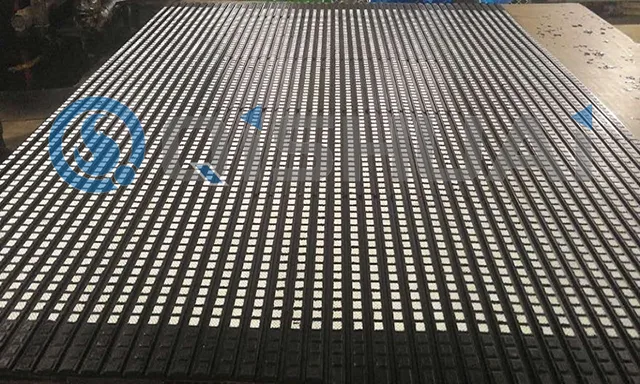
For mosaics that require particular surface features, such as effects providing resistance to movement or effects showing high degree of reflection, treatments apply to the surface. Treatment providing resistance to movement uses processing with machines or processing with substances that create patterns of small features on the mosaic surface, and this increases the measure of resistance between surfaces. Treatment providing reflection uses processing with high measure of accuracy to produce surface that shows mirror features, and this increases the appearance measure of the product. Following treatment of the surface, mosaics that differ in appearance and form undergo arrangement following the specific requirements that the individual ordering provides. Individuals conducting arrangement work use the experience and knowledge that support the process, and these individuals arrange mosaic elements following the design patterns, and this produces connections between elements with space measures that are less than point five units measured in the system.


Following the arrangement, the mosaic undergoes examination to establish that the pattern shows complete features, that arrangement provides strong connection, and that the surface shows features without problems.

Pulley Lagging Ceramic Mosaic


Covering the Wheel

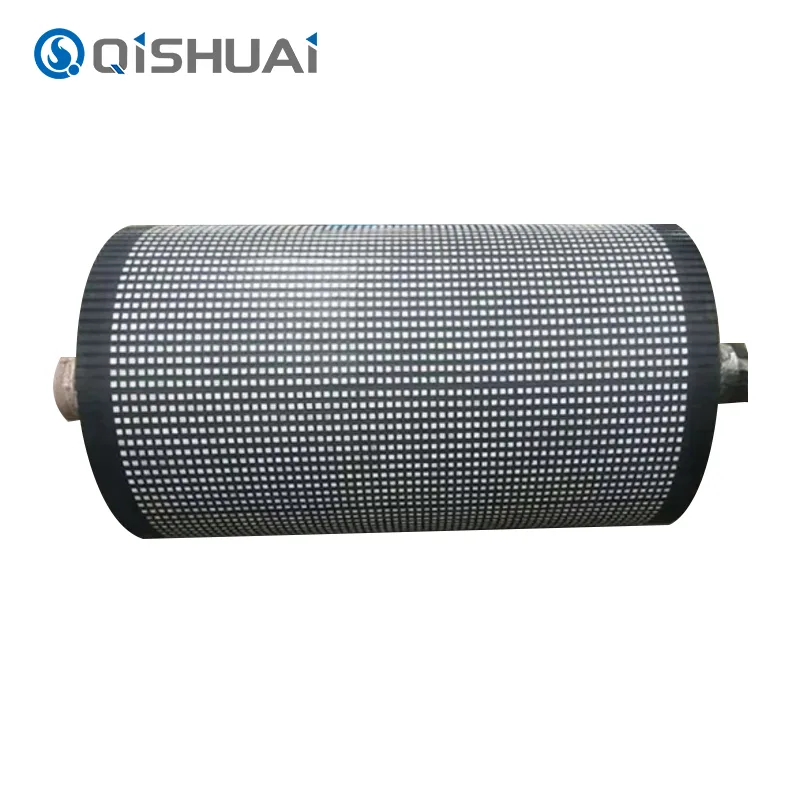
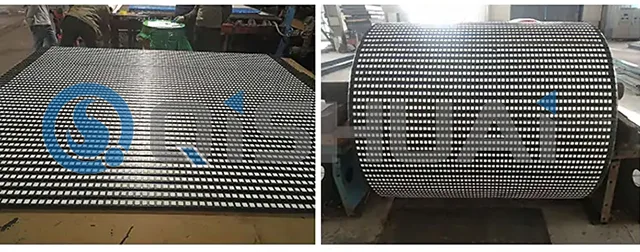
Covering the mosaic assembly that uses ceramic material onto the surface of the wheel element is a process that shows importance in the total process of production. The surface of the wheel element undergoes treatment that occurs before main process, and this treatment uses processing that removes material and processing that removes substances, and these processes remove substances that provide lubrication and substances that show contamination, and this establishes that the mosaic produces strong connection to the wheel element. Following this, using the substance for connection that the organization develops and that shows high measure of function, each element of mosaic that uses ceramic material undergoes individual connection process to the surface of the wheel element. In the process of connection, devices that provide specific support and devices that provide function use methods that establish accurate position of mosaic and methods that apply measure of force that shows appropriate features.


This allows the substance for connection to occupy completely the space between the mosaic and wheel element, and this establishes the measure of strength in the connection. Following the process, each wheel element undergoes examination that includes multiple measures, and the examination includes examination using observation, examination measuring strength of connection, and examination measuring the property of movement in circular pattern. The wheel elements covered with mosaic using ceramic material that show complete agreement with the measures of quality undergo final release from the location of production.


Contact Us:

Should you have any enquiries regarding our products, please do not hesitate to contact us via the following methods:

Telephone:+86-533-7010227

WhatsApp:8615898737636 (Kella)

WhatsApp:8618953367229 (Penny)

WhatsApp:8613869372890 (John)

Email:qishuai@zbqishuai.cn


Hot Tags: Pulley Lagging Ceramic Mosaic Supplier
Send Inquiry
Contact Info
If you have any enquiry about quotation or cooperation, please feel free to email us at qishuai@zbqishuai.cn or use the following inquiry form. Our sales representative will contact you within 24 hours. Thank you for your interest in our products, such us Alumina Ceramic, Composite Wear Pipe, Silicon Carbide Ceramic, etc.
X
We use cookies to offer you a better browsing experience, analyze site traffic and personalize content. By using this site, you agree to our use of cookies. Privacy Policy
Reject Accept