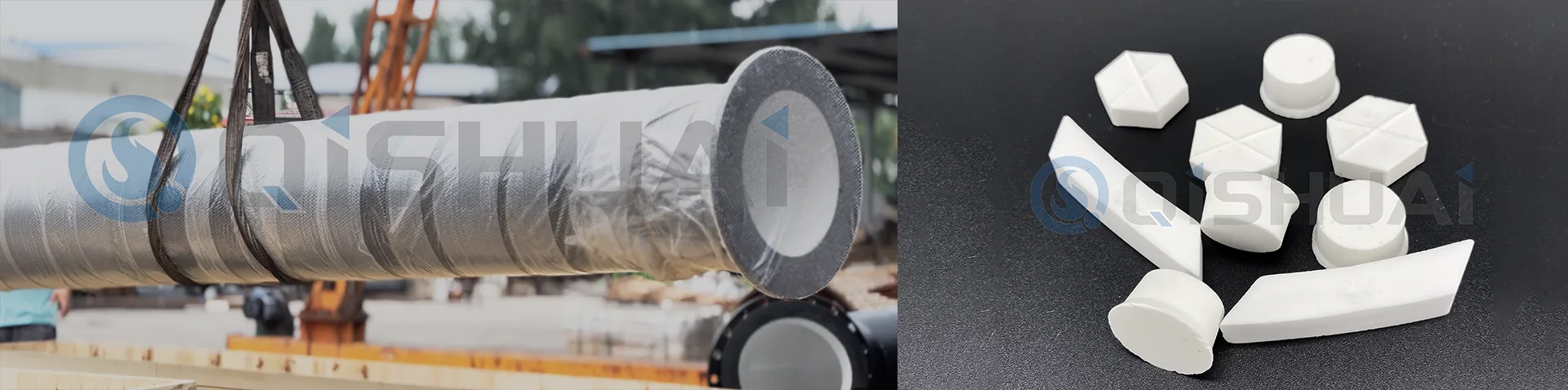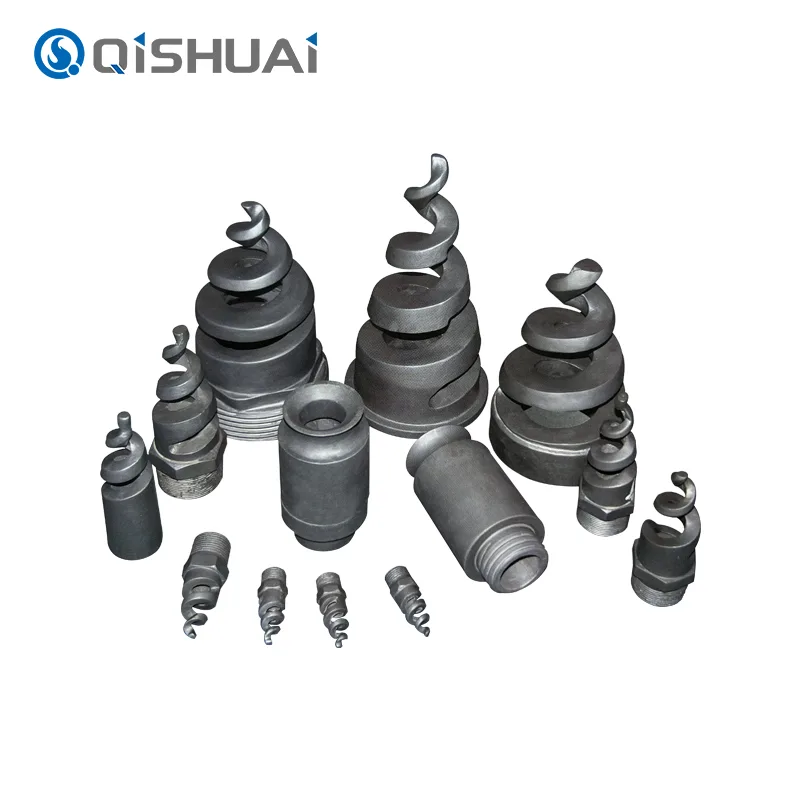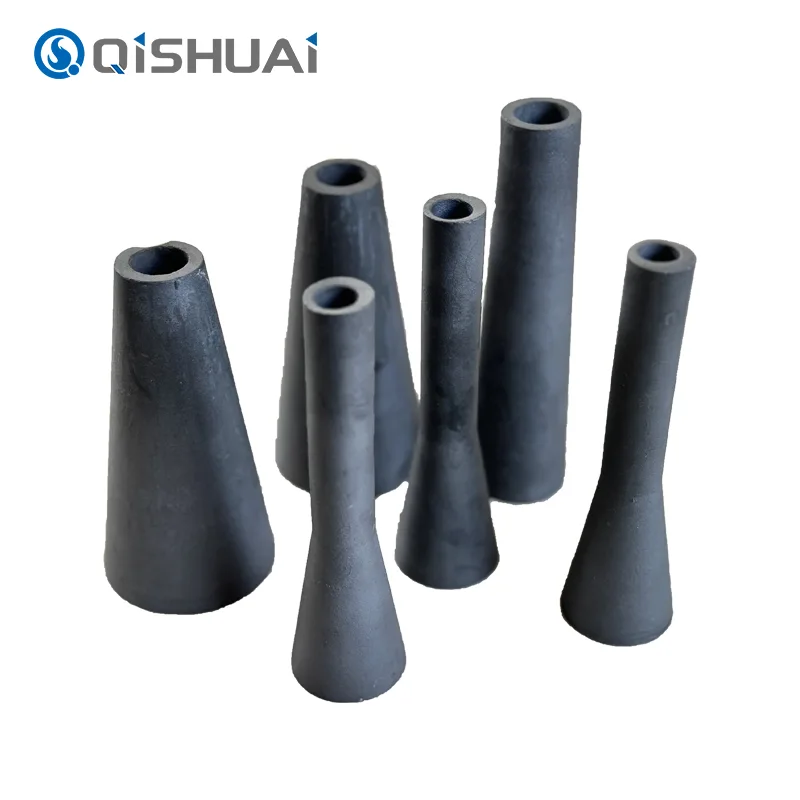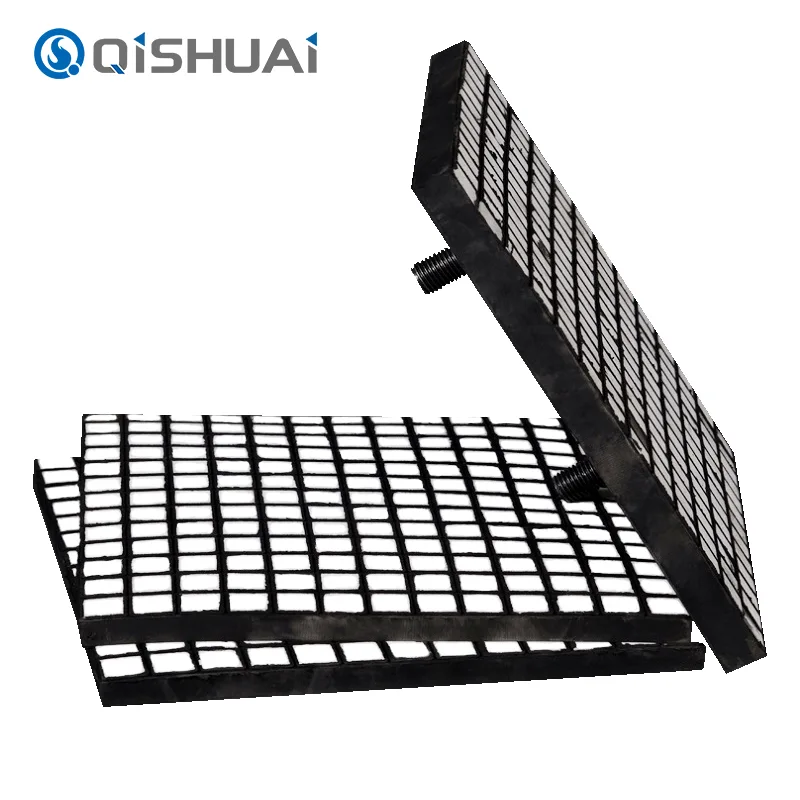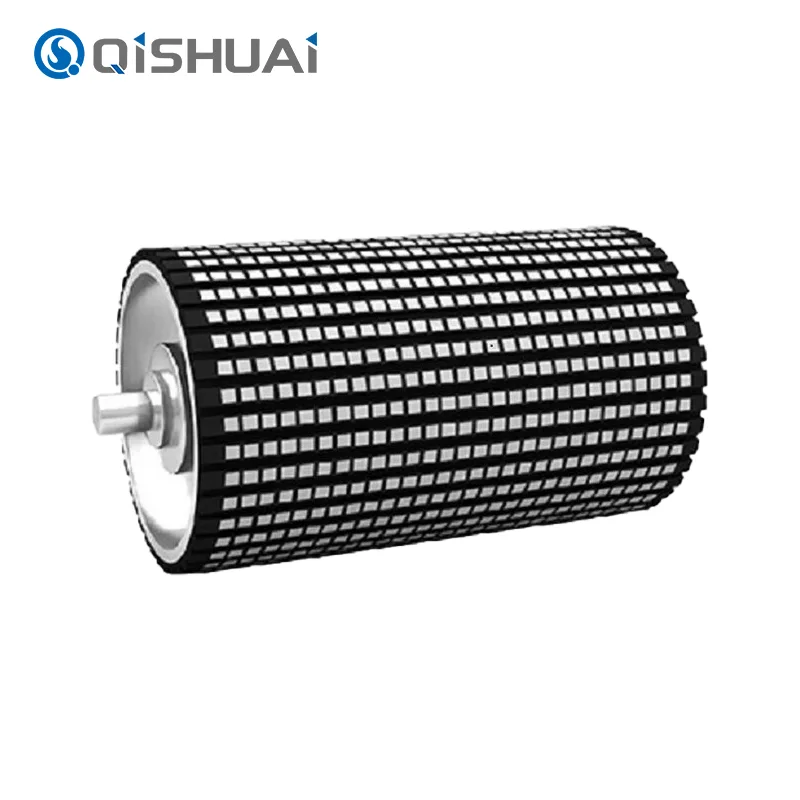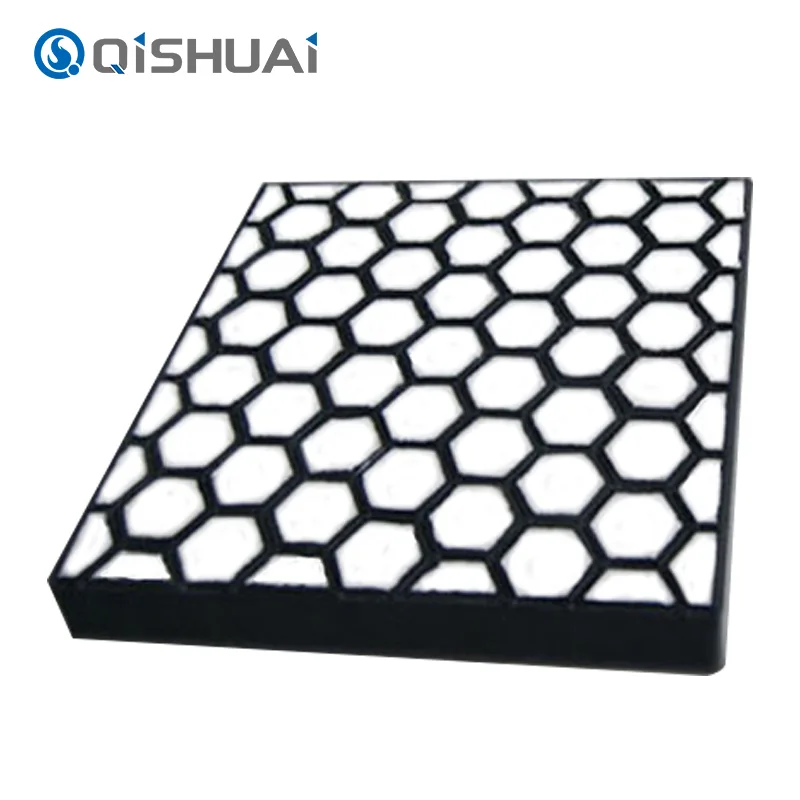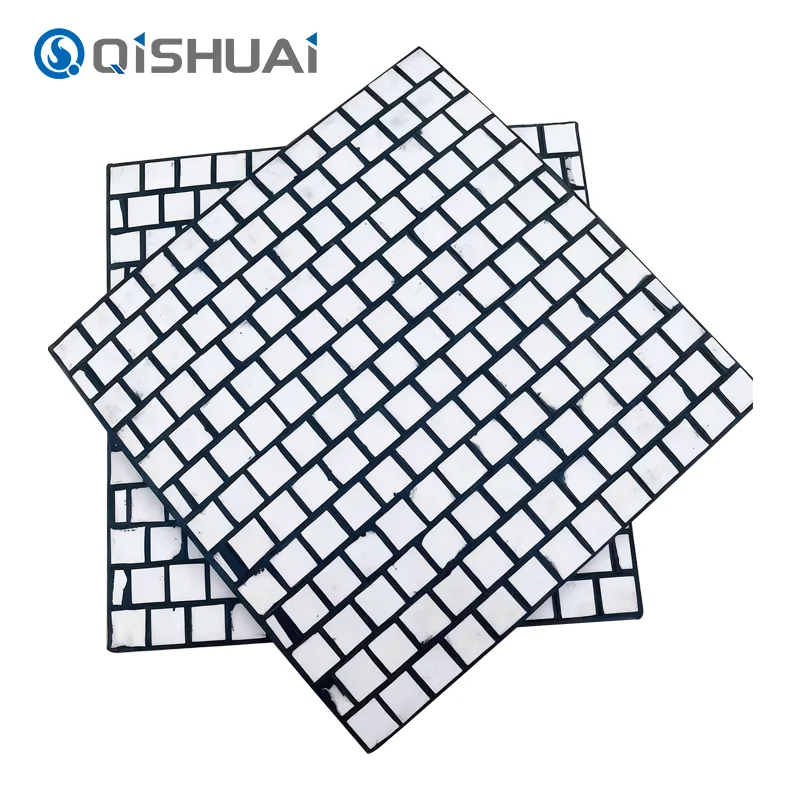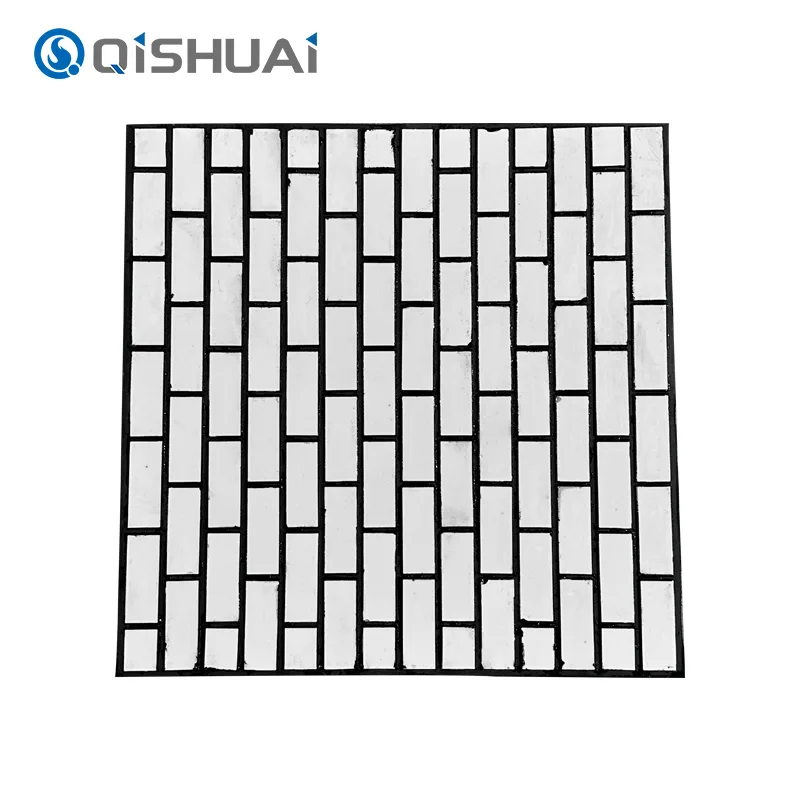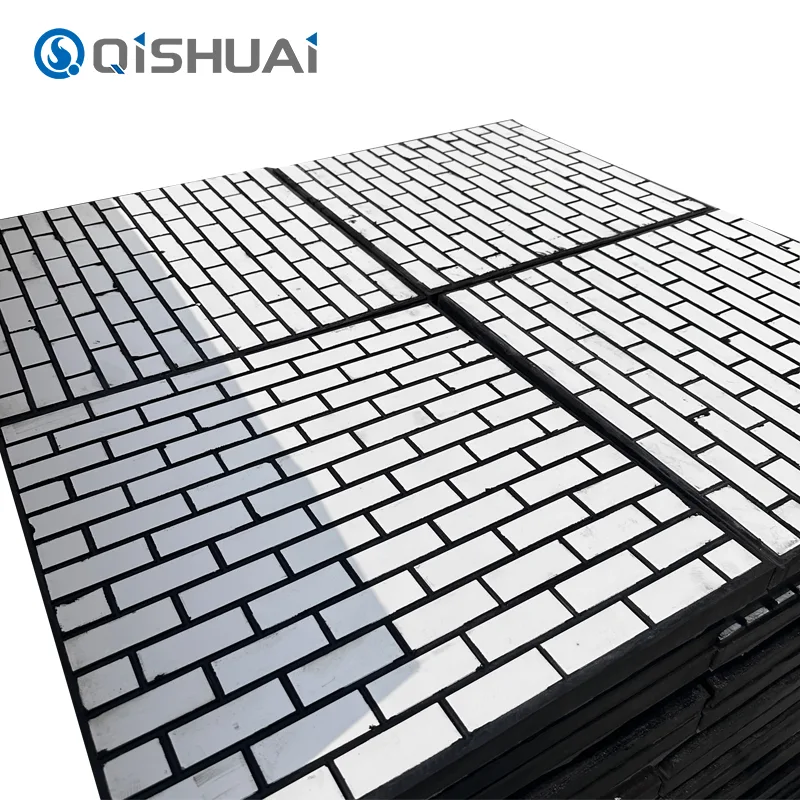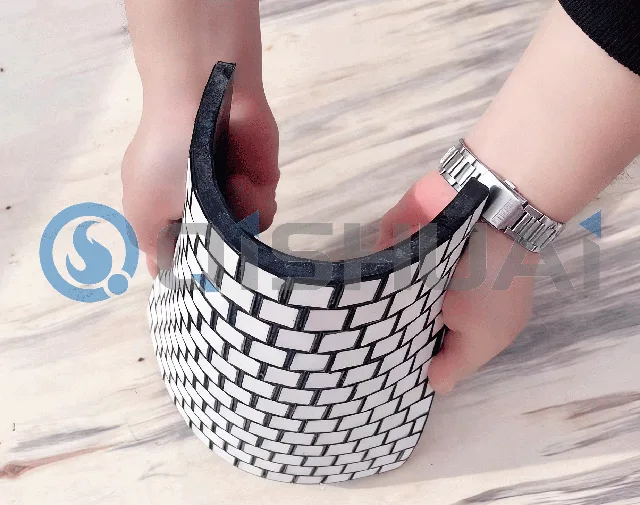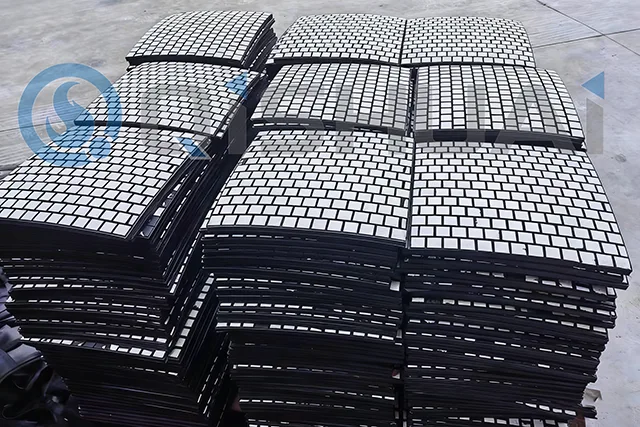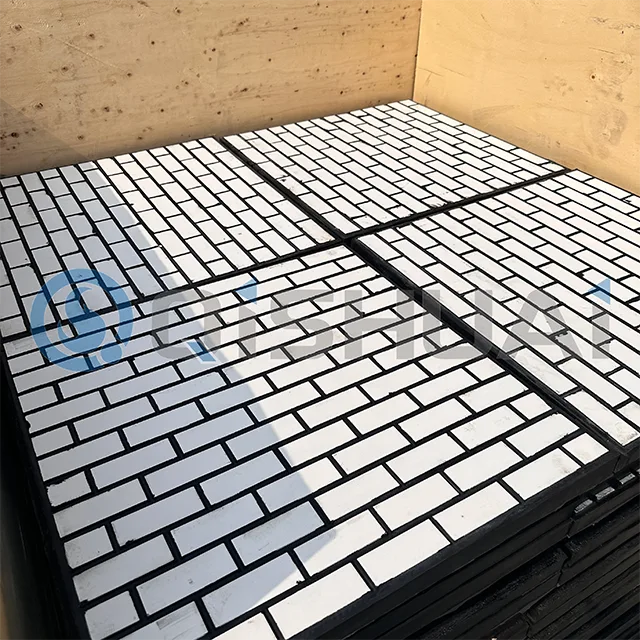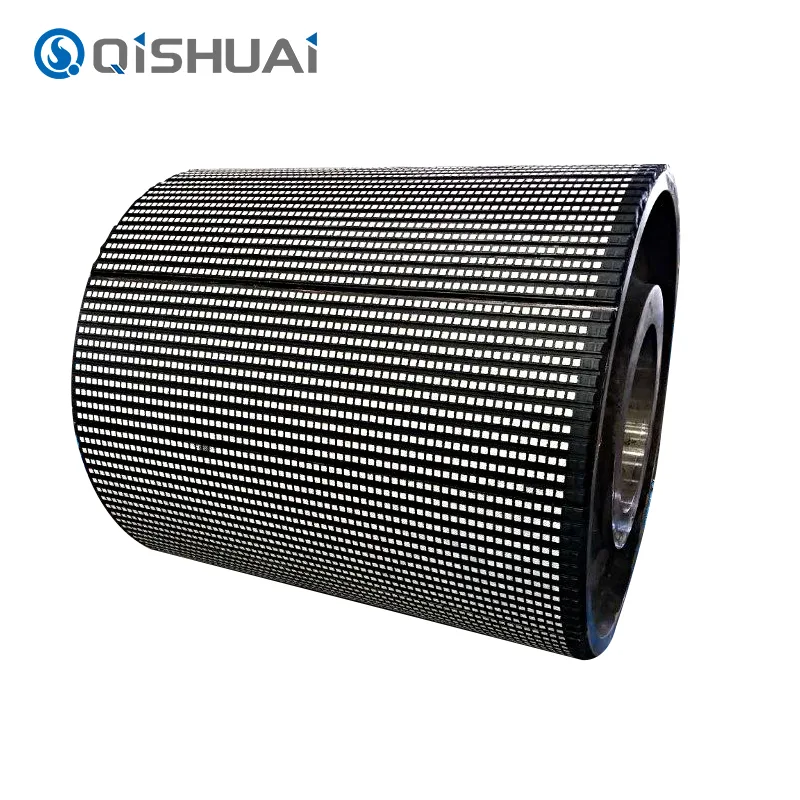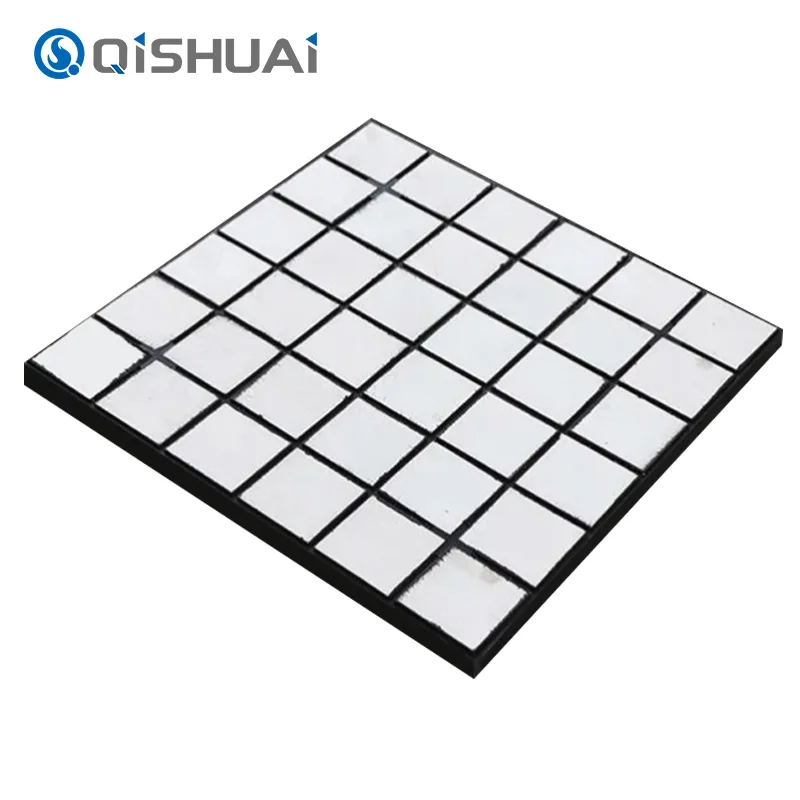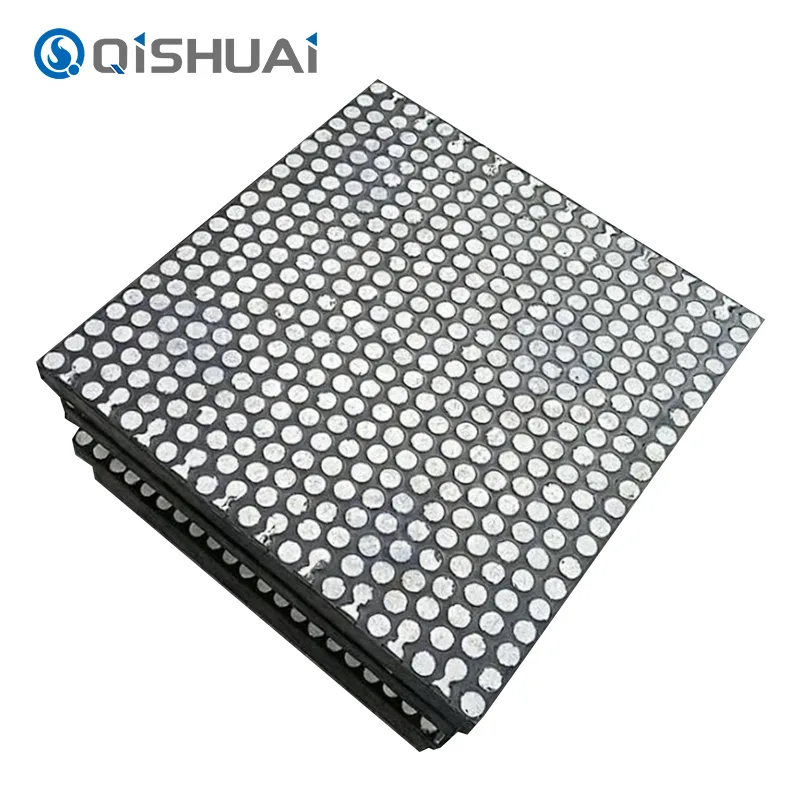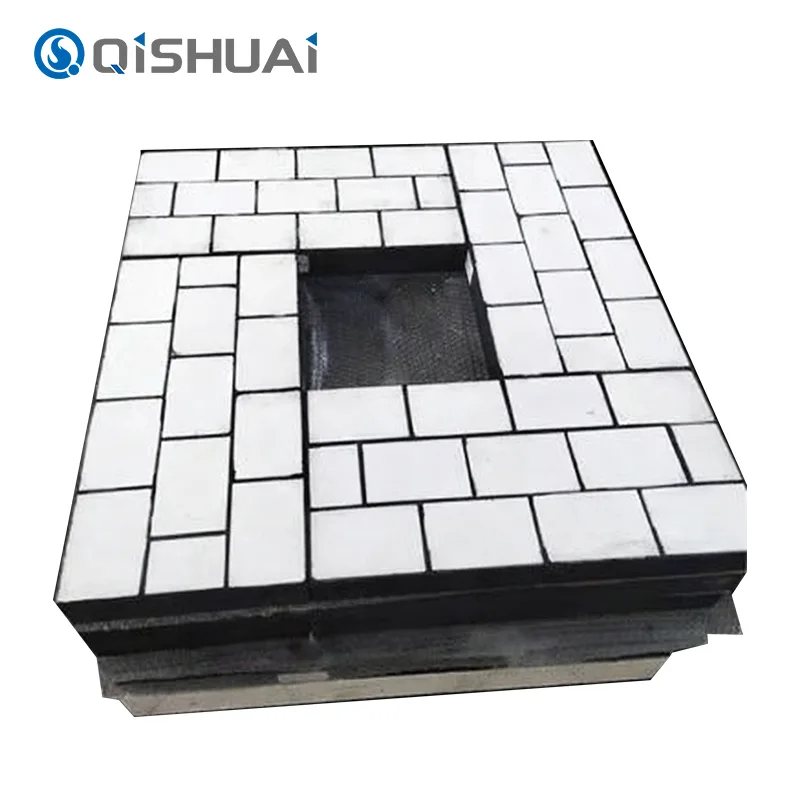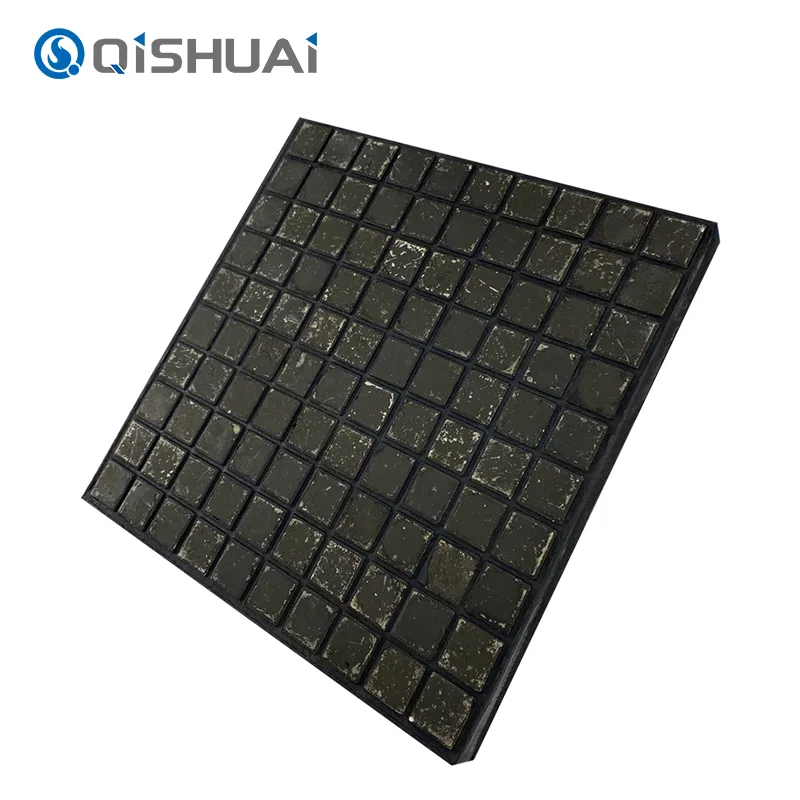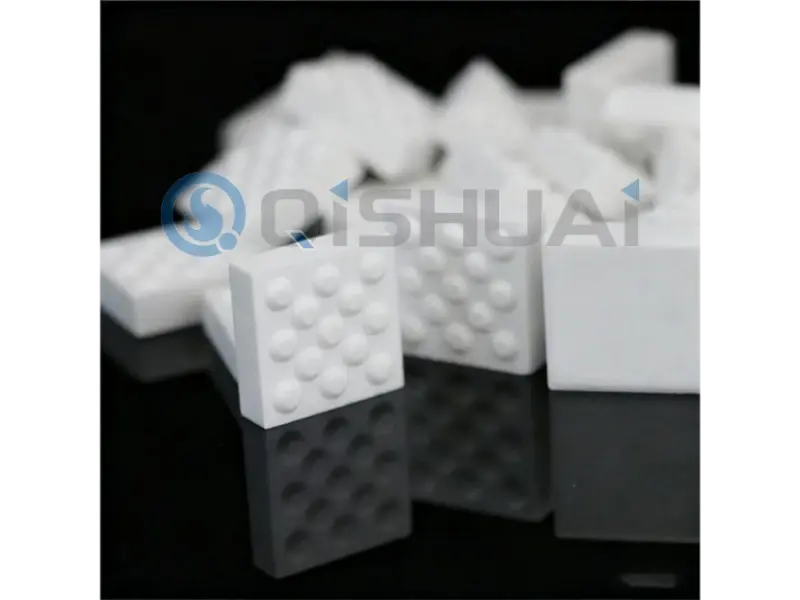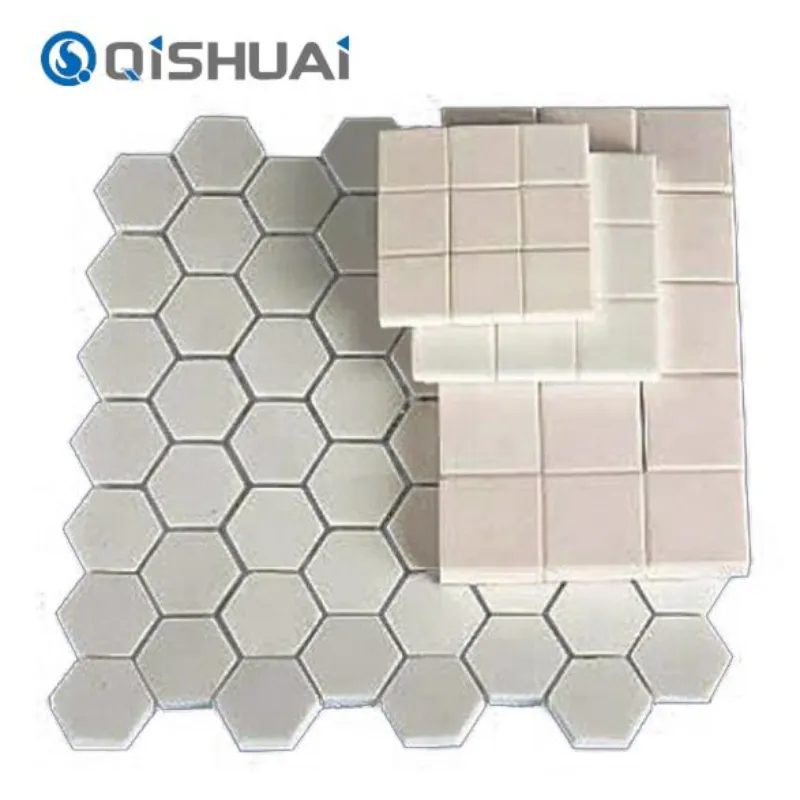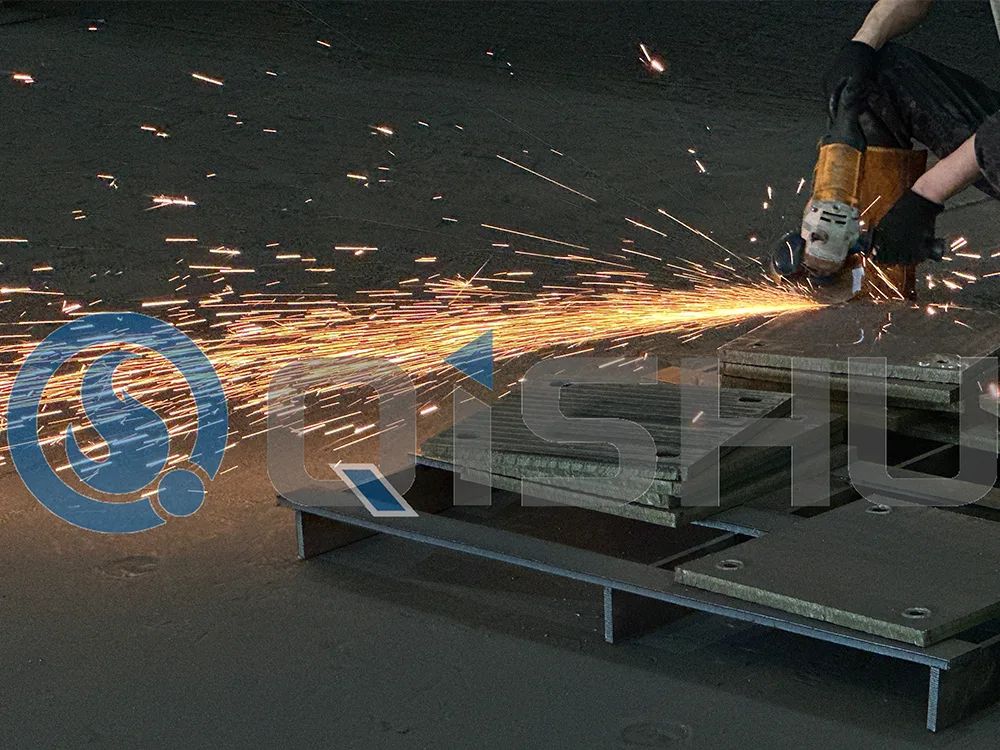
The Ceramic Rubber Impact Liner by Shandong Qishuai Wear-Resistant Equipment Co., Ltd. excels in wear resistance. The material that the liner uses shows hardness levels of 8-9 on the Mohs scale. This measure indicates that only diamond provides higher hardness. When materials undergo continuous friction, liners that use other approaches may show wear patterns that appear quickly. The ceramic component that this product contains allows resistance to such wear. This resistance occurs because the ceramic provides high hardness properties. Tests show that under the same high-wear working conditions, the wear rate of ordinary liners is more than 5 times that of our product.
Super Strong Impact Resistance
The super strong impact resistance of our ceramic rubber impact wear liner stems from the perfect combination of rubber and ceramics. Rubber has excellent elasticity and buffering performance. When impacted by materials, rubber can quickly absorb energy like a buffer pad, reducing the direct impact force on ceramics. Meanwhile, ceramics provide high-strength support to ensure the entire liner does not easily deform or damage under impact.
High Customization
Different industrial contexts and different equipment types require liners that differ in particular features. Shandong Qishuai Wear-Resistant Equipment Co., Ltd. provides service allowing customization for specific needs. The customization includes dimensions, form, and the proportion between ceramic and rubber components. Forms that the company produces include rectangles and other forms such as circles and particular shapes. The proportion between ceramic and rubber can also undergo adjustment based on conditions relating to wear and impact in the specific context. This service allows the liner to adapt to various industrial conditions and to provide approaches that fit particular requirements.
With its outstanding performance, the Ceramic Rubber Impact Liner from Shandong Qishuai Wear-Resistant Equipment Co., Ltd. is widely used in multiple industries.
Mining Industry
During mining, transportation, and processing in the mining industry, equipment faces extremely harsh working conditions. A large number of hard ores will cause strong wear and impact on the inner walls of equipment, conveyor belts, and other components during transmission and processing. Our ceramic rubber impact wear liner can effectively meet these challenges. For example, installing our ceramic rubber impact wear liner on the inner wall of the crushing cavity of a crusher can significantly reduce ore wear on the equipment, extend the service life of the equipment, and lower maintenance costs.
Power Industry
The coal conveying system of power plants is an area with relatively serious wear. Coal blocks will wear the coal chutes, separator baffles, and other components during transmission. Our ceramic rubber impact wear liner can well adapt to this working condition. Its high wear resistance and impact resistance can effectively protect the equipment of the coal conveying system, reduce downtime for maintenance caused by wear, and improve the power generation efficiency of power plants.
Chemical Industry
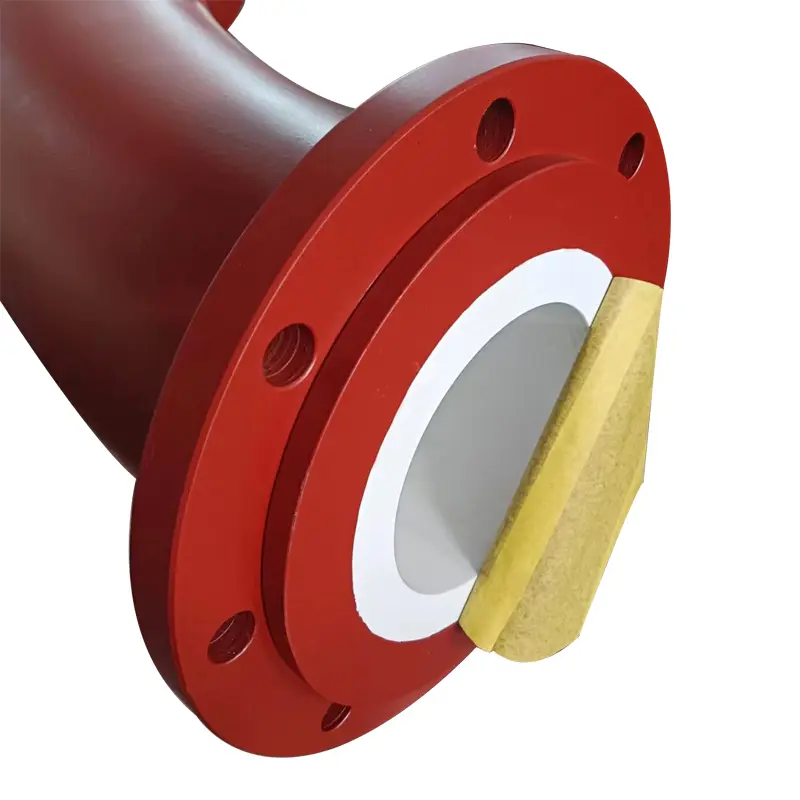
In chemical production, many equipment need to transport corrosive and abrasive materials. Our ceramic rubber impact wear liner not only has good wear resistance but also its rubber part can effectively resist the erosion of chemical substances and protect the equipment itself. For example, installing the Ceramic Rubber Impact Liner on the elbows, valves, and other high-wear parts of chemical pipelines can ensure the stable operation of the pipeline system and reduce potential safety hazards such as leaks.
Construction Industry
During the production and transportation of building materials, equipment is also subject to material wear. The Ceramic Rubber Impact Liner can be applied to these equipment to improve the durability of the equipment and ensure the continuity of building materials production.
|
Industry |
Application Scenarios |
Adaptation Reasons |
|
Mining |
Crushers, conveyor belts, etc. |
High wear resistance and impact resistance, reducing equipment wear |
|
Power |
Coal conveying systems |
Wear-resistant and impact-resistant, protecting equipment and reducing downtime |
|
Chemical |
Pipes, reactors, etc. |
Wear-resistant and corrosion-resistant, ensuring stable operation of equipment |
|
Construction |
Sand and gravel conveying equipment |
Wear-resistant, improving equipment durability |
The process involves testing final products for performance using multiple methods. These tests include examining wear resistance, impact resistance, hardness, and corrosion resistance. The approach uses testing equipment and methods that provide conditions similar to conditions in actual applications. This testing indicates that products show performance that allows them to function in different working conditions. The results demonstrate that products meet requirements for use by individuals purchasing them.
|
Test Item |
Test Standard |
Test Equipment |
|
Wear Resistance |
Test wear volume under specified wear conditions in accordance with industry standards |
Wear Testing Machine |
|
Impact Resistance |
Test the impact resistance of the product through drop hammer impact, etc. |
Impact Testing Machine |
|
Hardness |
Test the hardness of the product using equipment such as Shore durometer |
Shore Durometer |
|
Corrosion Resistance |
Immerse the product in a specific chemical solution to observe its corrosion resistance |
Corrosion Test Chamber |
The production process follows particular procedures and the inspection approach examines quality in detail. These methods provide assurance that the Ceramic Rubber Impact Liner maintains quality levels that support reliability. The process indicates that products show durability in use and this allows the company to provide products that function over time for individuals using them.
In selection of liners for industrial equipment, the Ceramic Rubber Impact Liner provides advantages when compared with traditional metal liners and ordinary rubber liners. The comparison reveals differences between these types.Through the following comparison, you can more clearly understand the outstanding performance of our product.
|
Comparison Item |
Ceramic Rubber Impact Liner |
Metal Liner |
Ordinary Rubber Liner |
|
Wear Resistance |
Ceramic materials have a Mohs hardness of 8-9, and the wear resistance is more than 5 times that of ordinary rubber liners and several times that of metal liners. |
Under high-wear working conditions, wear is fast, and problems such as wear grooves are prone to occur. |
Relatively poor wear resistance, short service life in high-wear environments. |
|
Impact Resistance |
Perfect combination of rubber and ceramics, rubber buffers impact, and ceramics provide support to effectively resist material impact. |
Hard texture and strong impact resistance, but prone to deformation, cracking, and other problems under impact. |
Good elasticity but insufficient strength, easy to break when subjected to strong impact. |
|
Corrosion Resistance |
The rubber part can effectively resist the erosion of chemical substances, suitable for working conditions where corrosive materials are transported. |
Some metals are easily corroded, and additional protective measures are required in environments with corrosive media. |
General corrosion resistance, performance degrades significantly in highly corrosive environments. |
|
Weight |
Relatively light, easy to install and transport. |
Heavy weight, increasing equipment load, and difficult to install and maintain. |
Light weight, but its application range is limited by strength and wear resistance. |
|
Noise Control |
The elasticity of rubber can effectively reduce noise during equipment operation. |
Prone to generating large noise under material impact. |
General noise control effect. |
|
Service Life |
Under normal working conditions, the service life is 2-3 times that of metal liners and 3-5 times that of ordinary rubber liners. |
The service life is greatly affected by wear and corrosion, requiring frequent replacement. |
Short service life, requiring regular replacement. |
|
Cost |
Although the initial purchase cost is slightly higher than that of ordinary rubber liners, in the long run, due to its long service life and low maintenance cost, the comprehensive cost is lower. |
High purchase cost, as well as high maintenance and replacement costs. |
Low purchase cost, but frequent replacement increases the overall cost. |
From the above comparison, it can be seen that the Ceramic Rubber Impact Liner from Shandong Qishuai Wear-Resistant Equipment Co., Ltd. has obvious advantages in comprehensive performance and is an ideal choice for your industrial equipment liners. Choosing our product means choosing an efficient, durable, and low-cost solution.
Should you have any enquiries regarding our products, please do not hesitate to contact us via the following methods:
Telephone:+86-533-7010227
WhatsApp:8615898737636 (Kella)
WhatsApp:8618953367229 (Penny)
WhatsApp:8613869372890 (John)
Email:qishuai@zbqishuai.cn
Address
Phoenix Industrial Park, Linzi District, Zibo City, Shandong Province, China
Tel