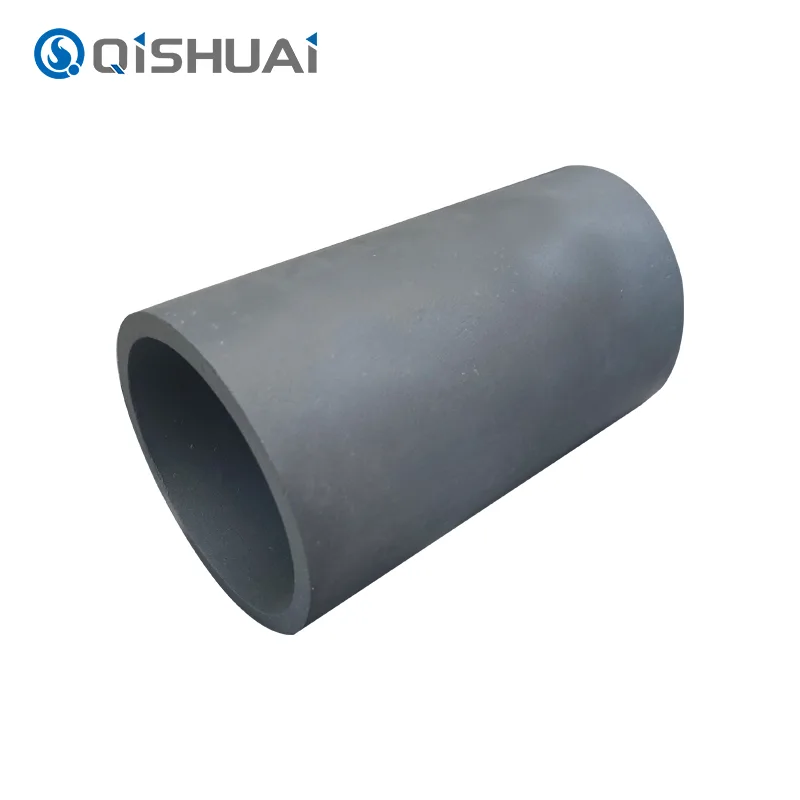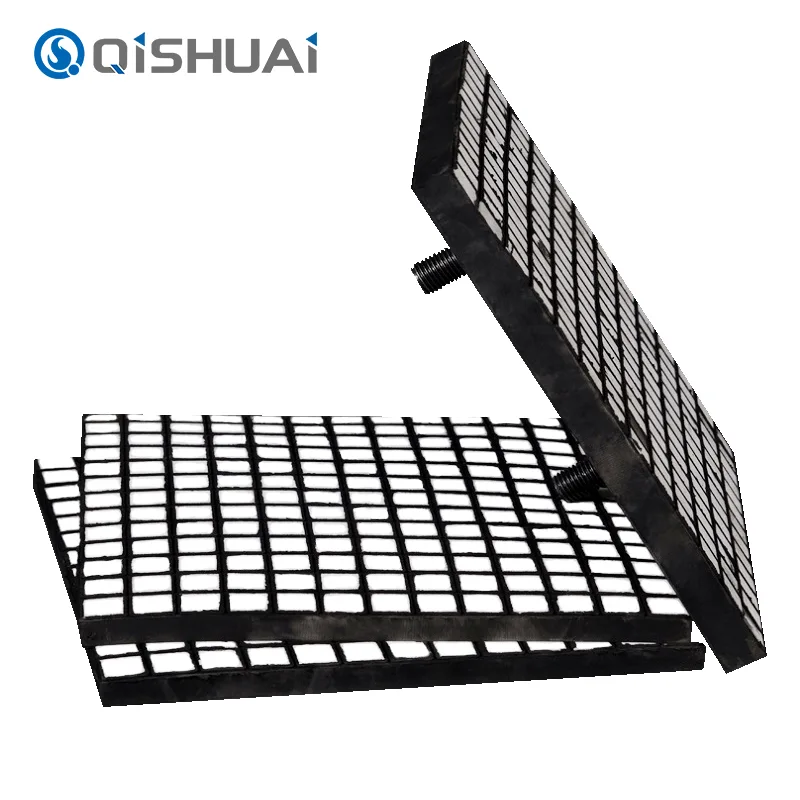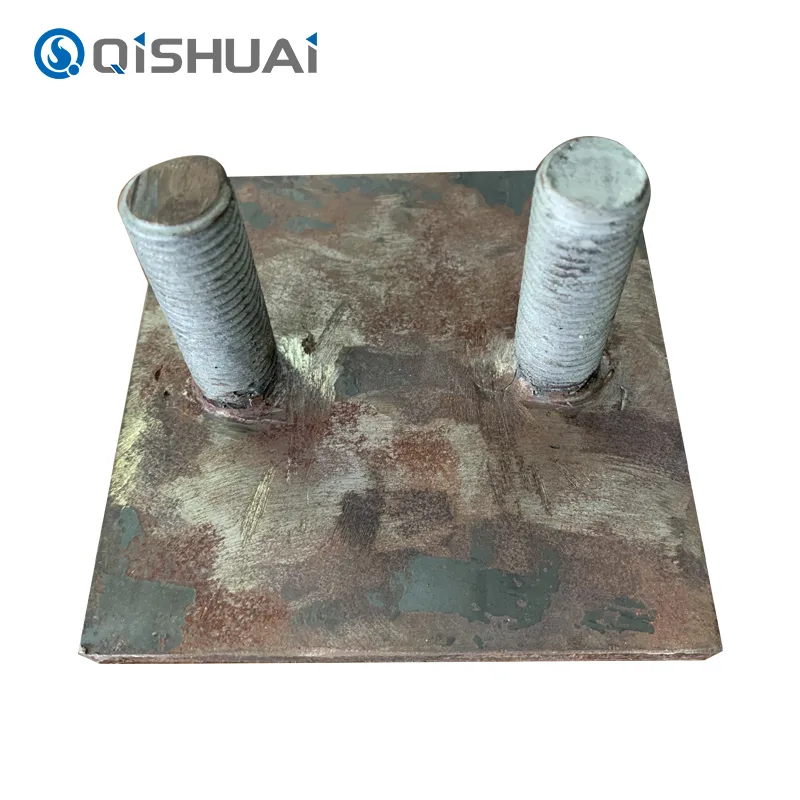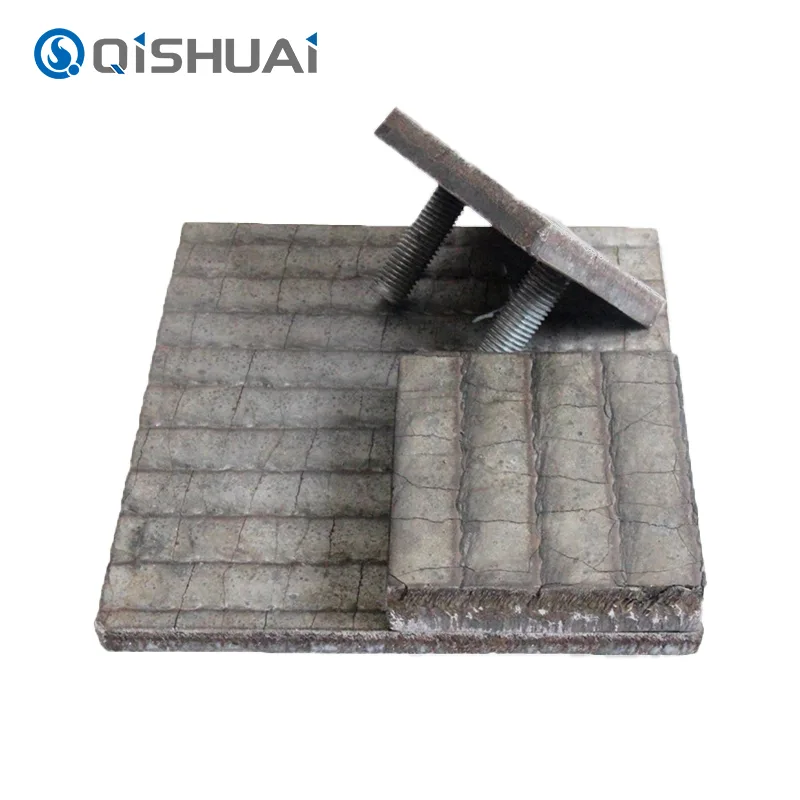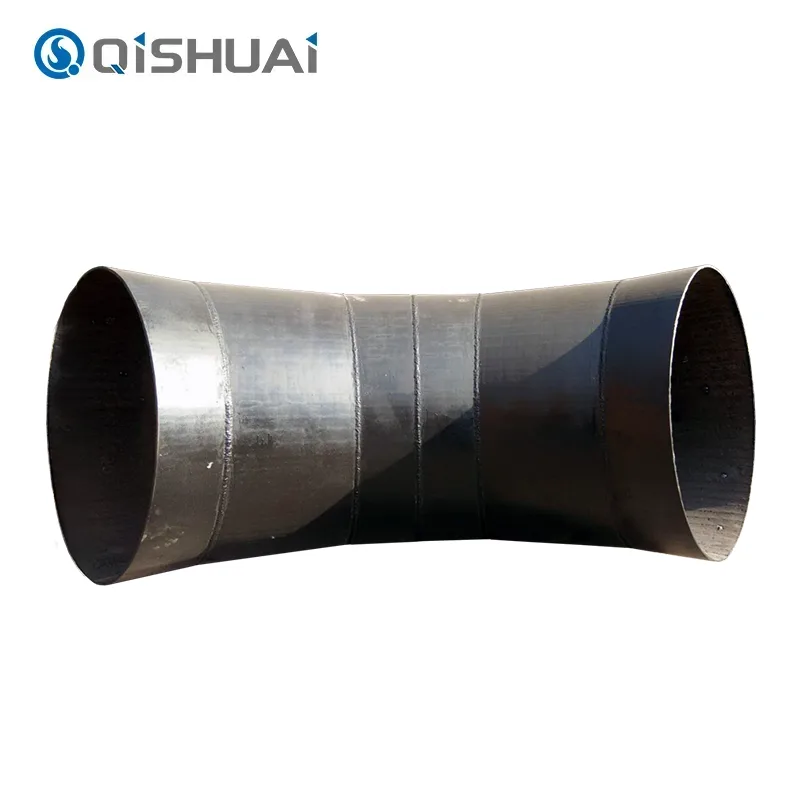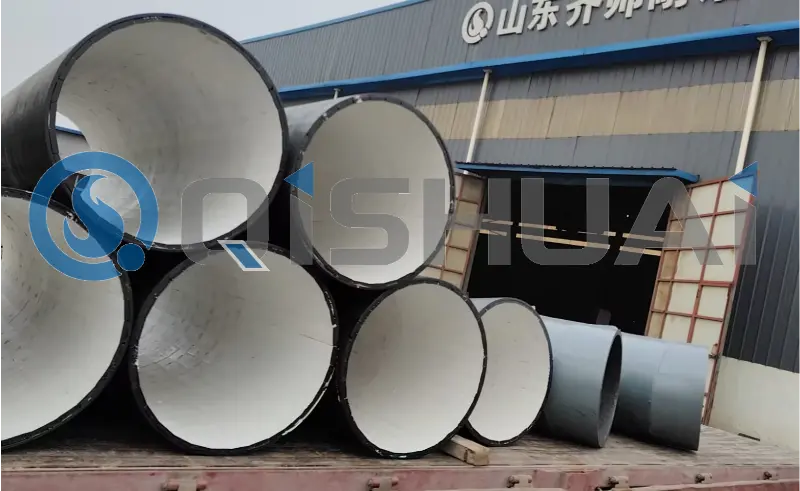
Composite Wear Pipe is a type of pipe product made by combining multiple materials and is specifically used to resist material wear. By combining the advantages of different materials, it not only ensures the basic conveying function of the pipeline but also significantly enhances key properties such as wear resistance, corrosion resistance, and high-temperature resistance. It is widely used in industries with harsh material conveying conditions, such as mining, power, metallurgy, and chemical engineering.
1. Core structure and material composition
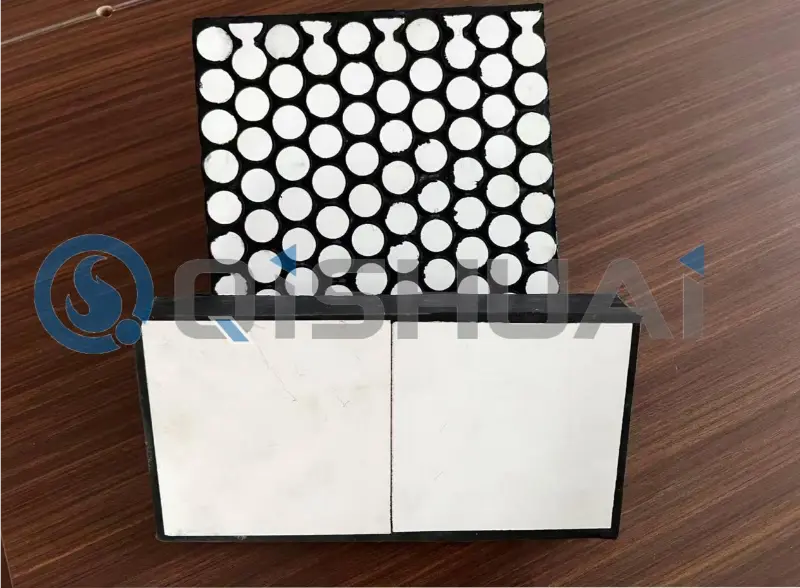
The core feature of Composite Wear Pipe is the "composite structure", which is usually composed of two parts: the base layer and the wear-resistant layer. In some scenarios, a transition layer or anti-corrosion layer will also be added to meet the requirements of complex working conditions:
1-1: Base layer (matrix layer) : It mainly serves to support and bear pressure. Usually, common carbon steel (such as Q235), low alloy steel and other metal materials are selected. This type of material has excellent mechanical and welding properties, which can ensure the structural stability of the pipeline under the conveying pressure and is also convenient for connection with other pipeline components.
1-2: Wear-resistant layer (working layer) : It comes into direct contact with the conveyed materials and is the key factor determining the wear resistance of the pipeline. Common wear-resistant materials include high-chromium alloy cast iron, ceramics (alumina, silicon carbide), wear-resistant rubber, and polymer materials (such as ultra-high molecular weight polyethylene UHWPE), etc. The selection of different wear-resistant materials should be determined based on parameters such as the hardness, particle size, flow rate and temperature of the conveyed materials.
1-3: Transition layer (optional) : When the bonding between the base layer and the wear-resistant layer material is poor, a transition layer (such as nickel-based alloys, copper alloys, etc.) will be added. Its function is to improve the metallurgical or physical bonding effect between the two materials and prevent the wear-resistant layer from falling off.
2. Main performance characteristics
Compared with traditional single-material pipes (such as ordinary steel pipes and cast stone pipes), Composite Wear pipes have the following significant advantages:
2-1: Excellent wear resistance: The hardness of the wear-resistant layer material is much higher than that of ordinary steel (for example, the hardness of high-chromium alloy cast iron can reach over HRC60, and the hardness of alumina ceramic can reach over HV1200). It can effectively resist the erosion and wear of materials such as ores, coal powder, and ash slag. Its service life is usually 5 to 10 times that of ordinary steel pipes, and in some scenarios, it can reach over 20 times.
2-2: Excellent comprehensive mechanical properties: The metal material of the base layer ensures the pipe's pressure resistance and impact resistance, avoiding the shortcomings of pure ceramic pipes being fragile and pure rubber pipes having low pressure resistance. It can adapt to high-pressure and high-impact conveying conditions.
2-3: Corrosion resistance and high-temperature resistance: Depending on the selection of wear-resistant layer materials, composite pipes can possess certain corrosion resistance (such as the high-molecular wear-resistant layer being resistant to acids and alkalis, and the ceramic layer being resistant to chemical corrosion) and high-temperature resistance (such as the high-alloy wear-resistant layer being able to withstand temperatures above 800 ° C), making them suitable for corrosive material or high-temperature transportation scenarios (such as fly ash transportation in power plants and high-temperature slag transportation in metallurgy).
2-4: Lightweight and low cost: Compared with thick-walled cast stone pipes or pure alloy pipes with the same Wear resistance, Composite Wear Pipe reduces the overall weight while controlling the production cost through "on-demand allocation" of materials (only using high-priced wear-resistant materials in the working layer), and is convenient for installation and transportation.