News

The process and application of Composite Wear Pipe?

2025-11-28

1. Common preparation processes

The preparation process of Composite Wear Pipe needs to be determined according to the material combination, mainly including the following types:


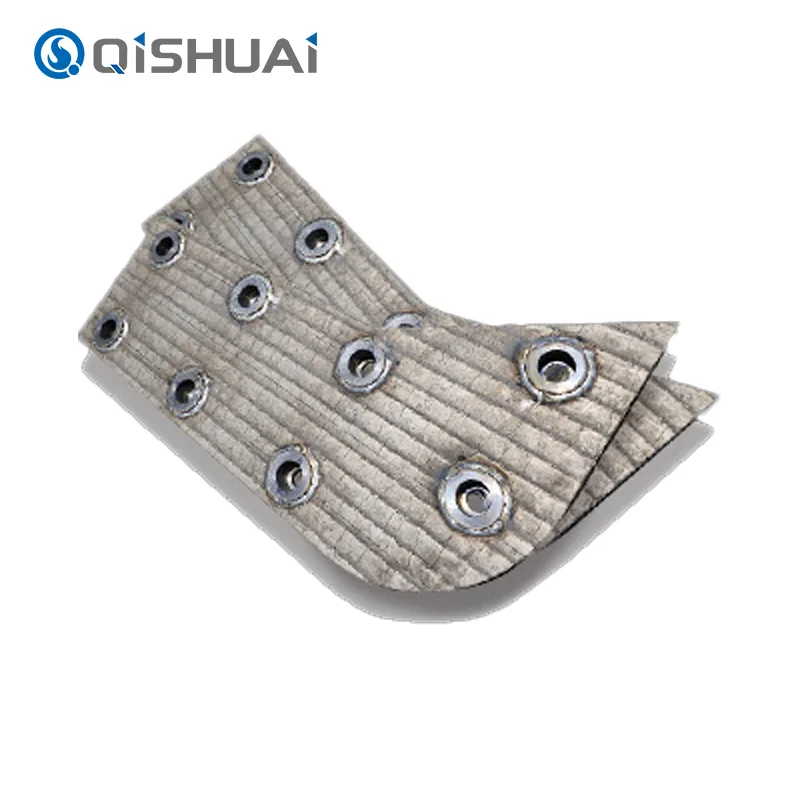
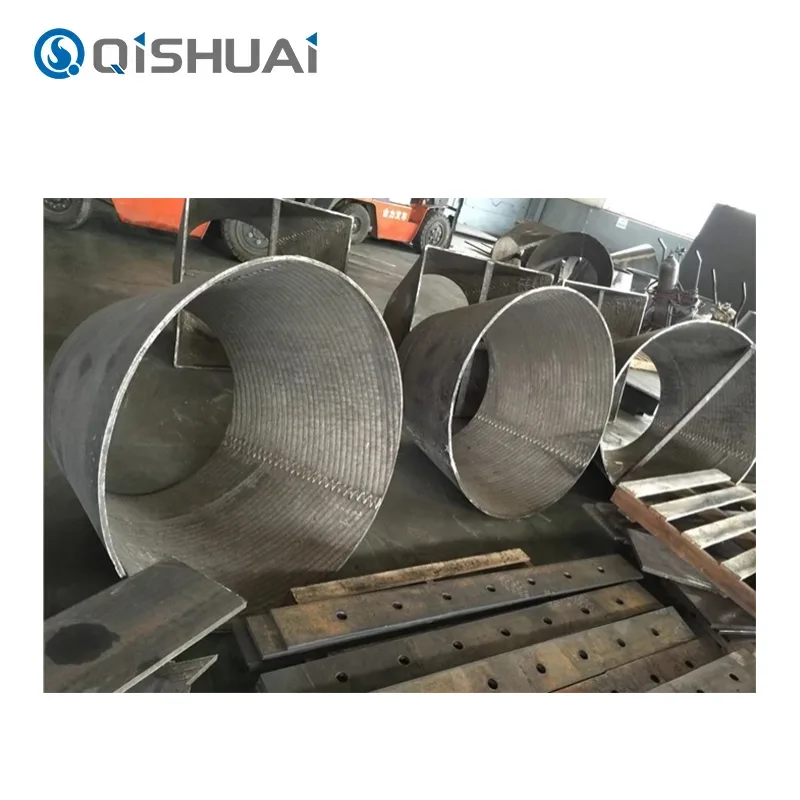
Surfacing composite process: By means of arc surfacing, submerged arc surfacing and other methods, wear-resistant alloy materials are directly surfacing onto the inner wall of the base steel pipe to form a metallurgically bonded wear-resistant layer, which is suitable for the preparation of metal wear-resistant layers such as high-chromium alloys.


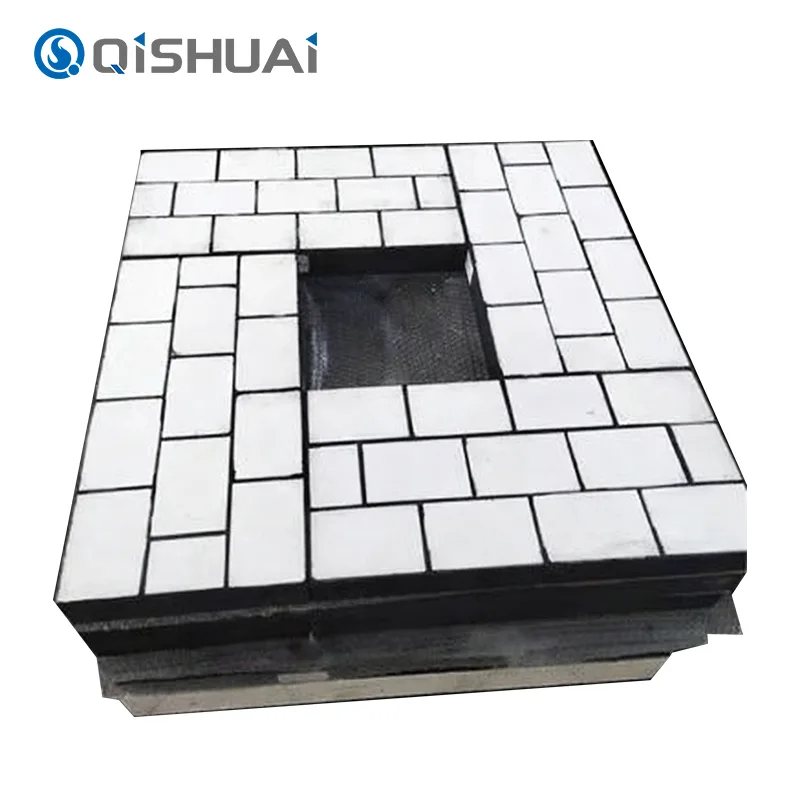
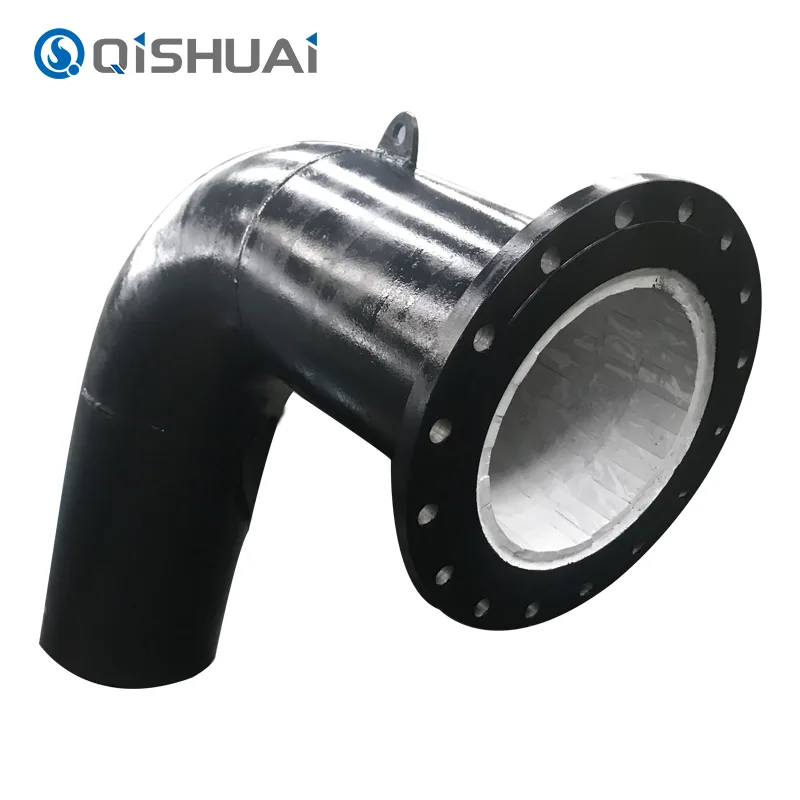
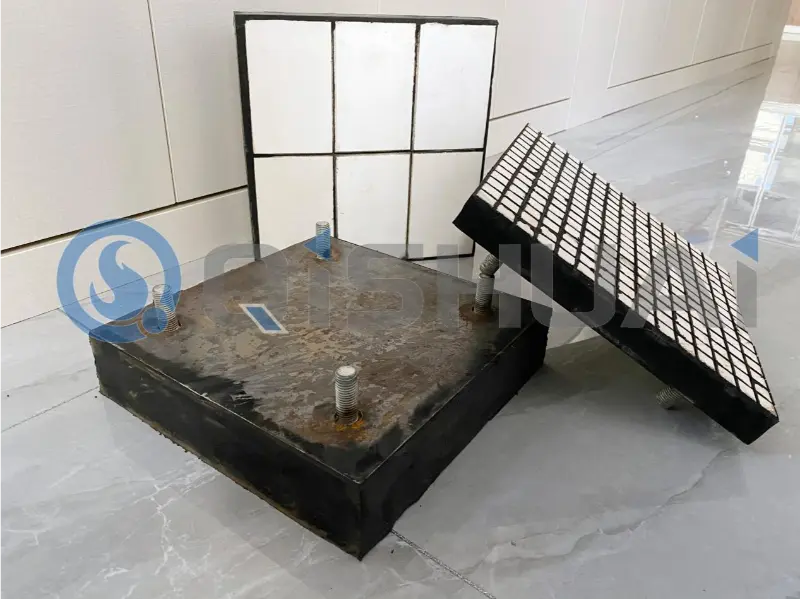
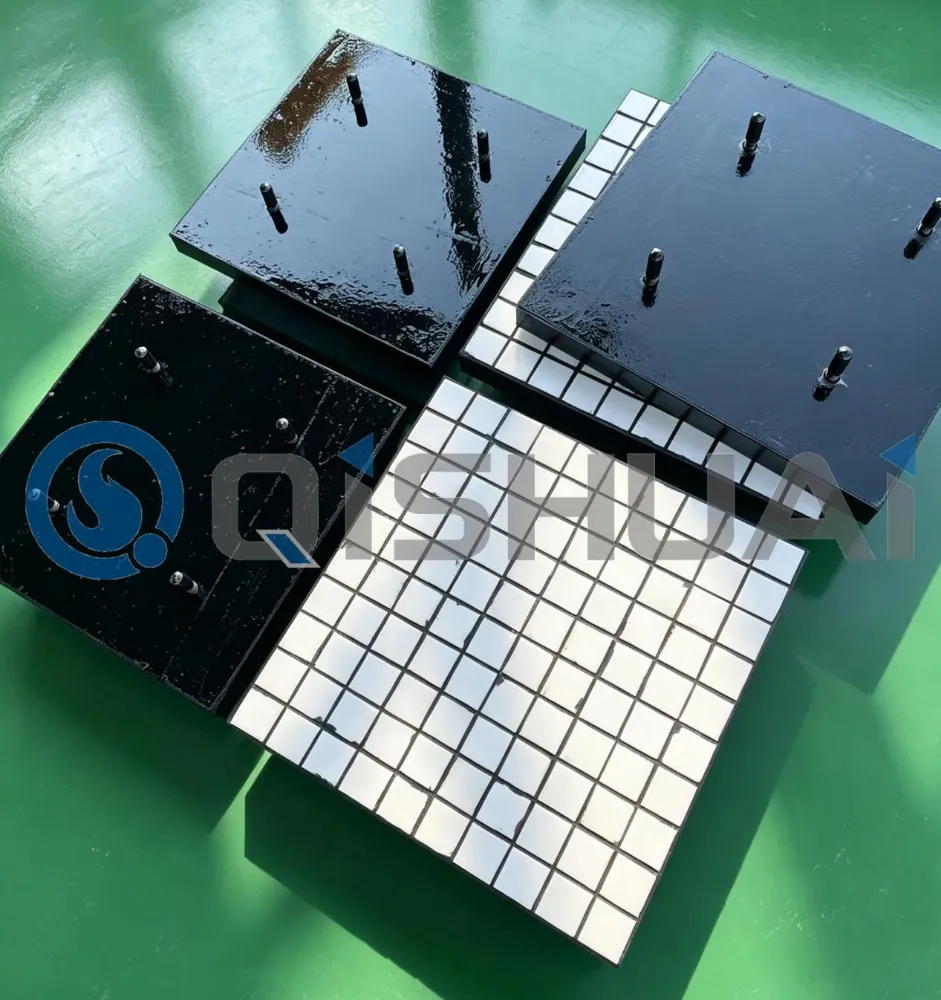
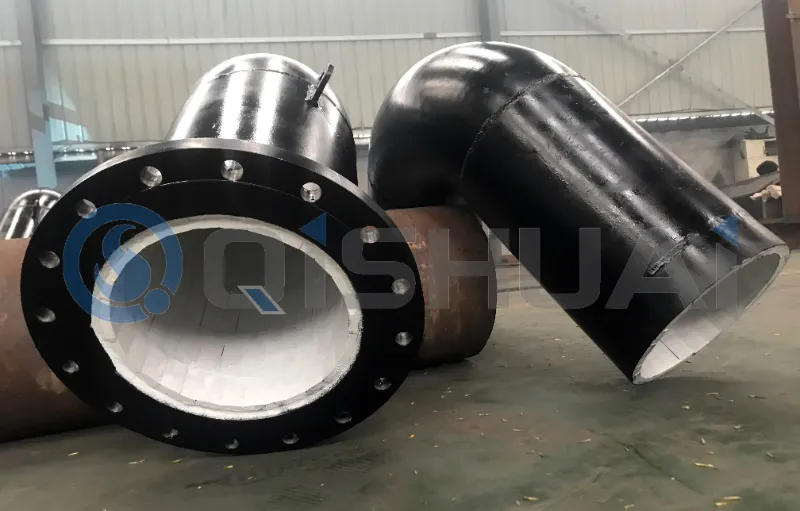
Ceramic composite processes: including patching ceramics (attaching ceramic sheets to the inner wall of pipes with adhesives), welding ceramics (ceramic sheets with metal back plates and fixed by welding), centrifugal casting ceramics (forming ceramic slurry by centrifugal force and then sintering), etc., are suitable for ceramic wear-resistant layers.


Rubber/polymer composite process: By means of vulcanization, bonding or interference fit, wear-resistant rubber or ultra-high molecular weight polyethylene lining is combined with a metal base layer, which is suitable for the transportation of low-abrasion, high-impact or corrosive materials.


Centrifugal casting composite process: Two metal materials (such as carbon steel on the outer layer and high-chromium alloy on the inner layer) are simultaneously or successively formed through centrifugal casting, and the stratified bonding of materials is achieved by centrifugal force. It is suitable for metal-metal composite pipes.


2. Typical application fields

Composite Wear Pipe is widely used in industries where material conveying wear is severe due to its performance advantages:


Mining industry: It is used for mine filling pipelines, slurry conveying pipelines, tailings discharge pipelines, etc., to resist the erosion and wear of ore particles.


Power industry: It is used for fly ash conveying pipelines in power plants, desulfurization slurry pipelines, coal mill outlet pipelines, etc., and can withstand the wear of coal powder, ash and slag as well as corrosive media.


Metallurgical industry: It is used in blast furnace coal injection pipelines, slag conveying pipelines, steel rolling wastewater pipelines, etc., and is suitable for high-temperature and highly abrasive working conditions.


Chemical industry: It is used for the conveying pipelines of corrosive materials (such as acid and alkali solutions, salt slurry), combining the requirements of wear resistance and anti-corrosion.


Building materials industry: It is used in cement raw material and clinker conveying pipelines, limestone conveying pipelines, etc., to resist the wear of cement particles.


Related News
X
We use cookies to offer you a better browsing experience, analyze site traffic and personalize content. By using this site, you agree to our use of cookies. Privacy Policy
Reject Accept