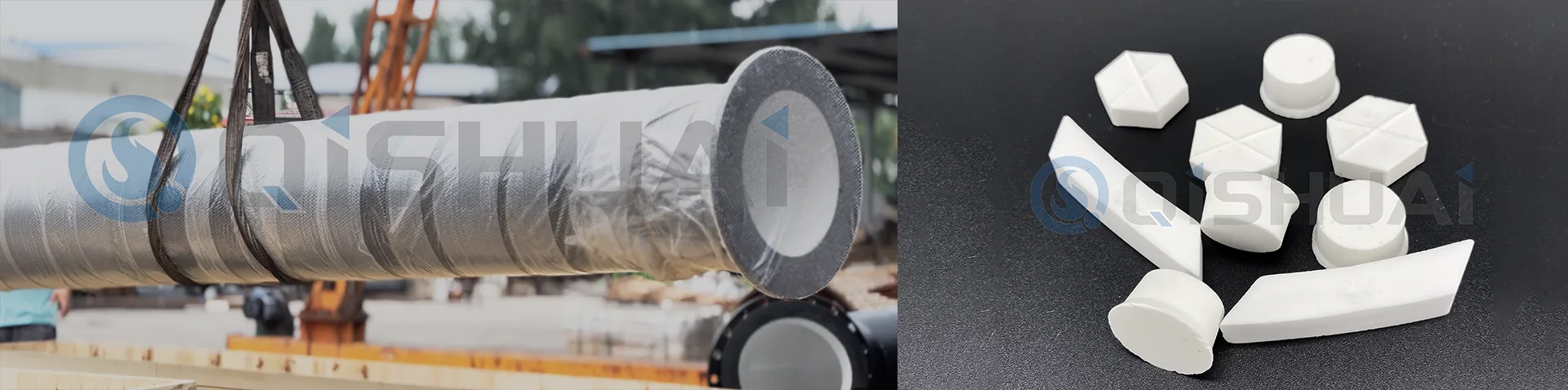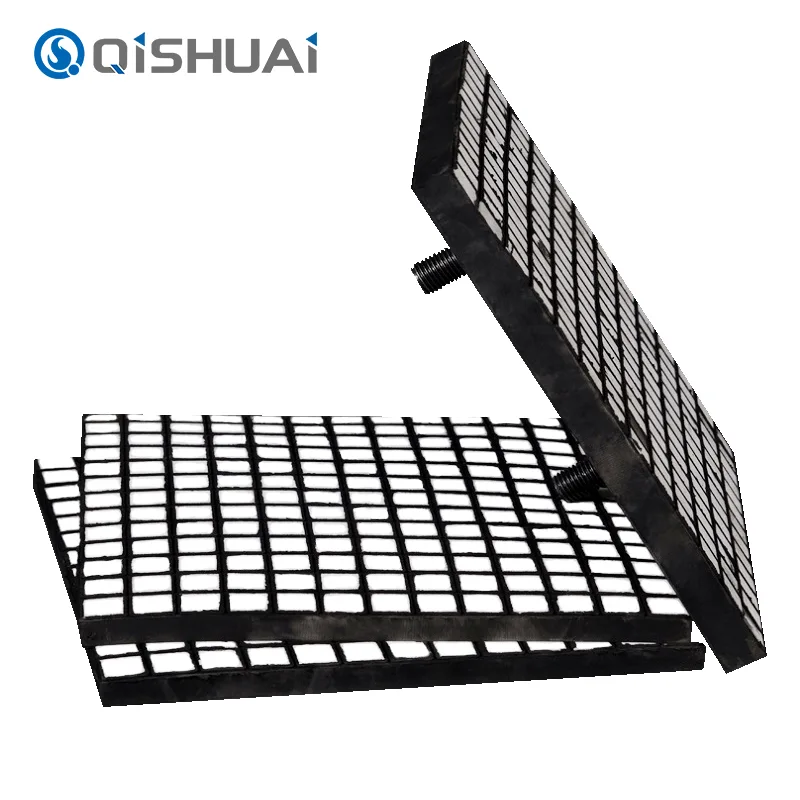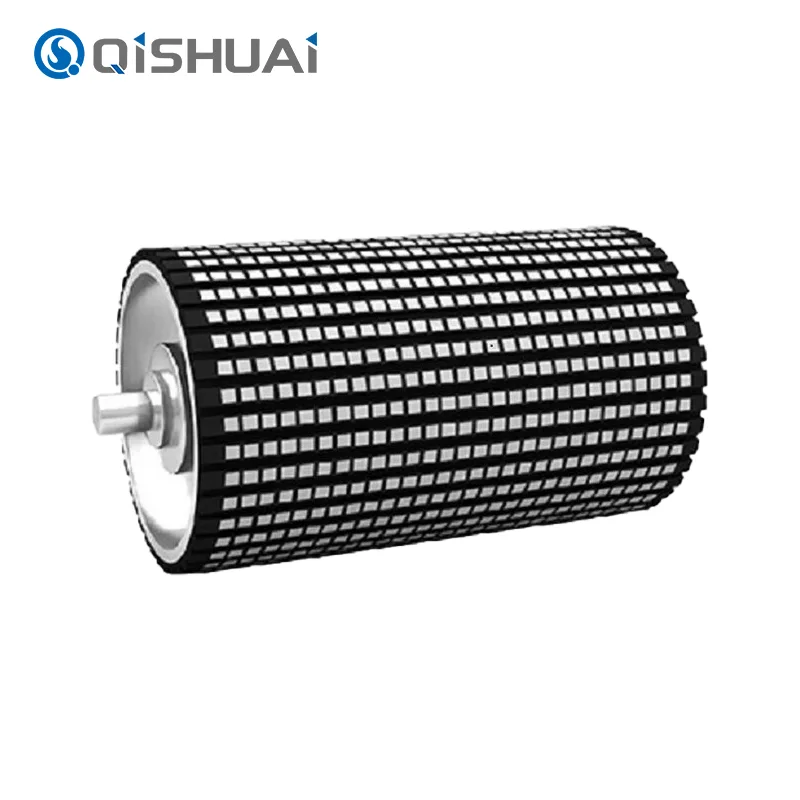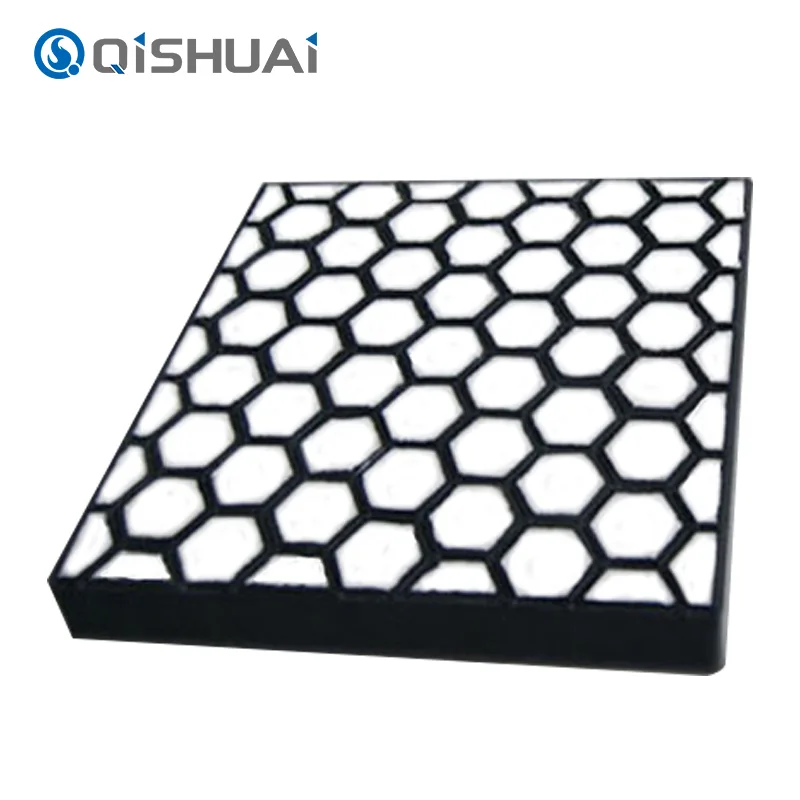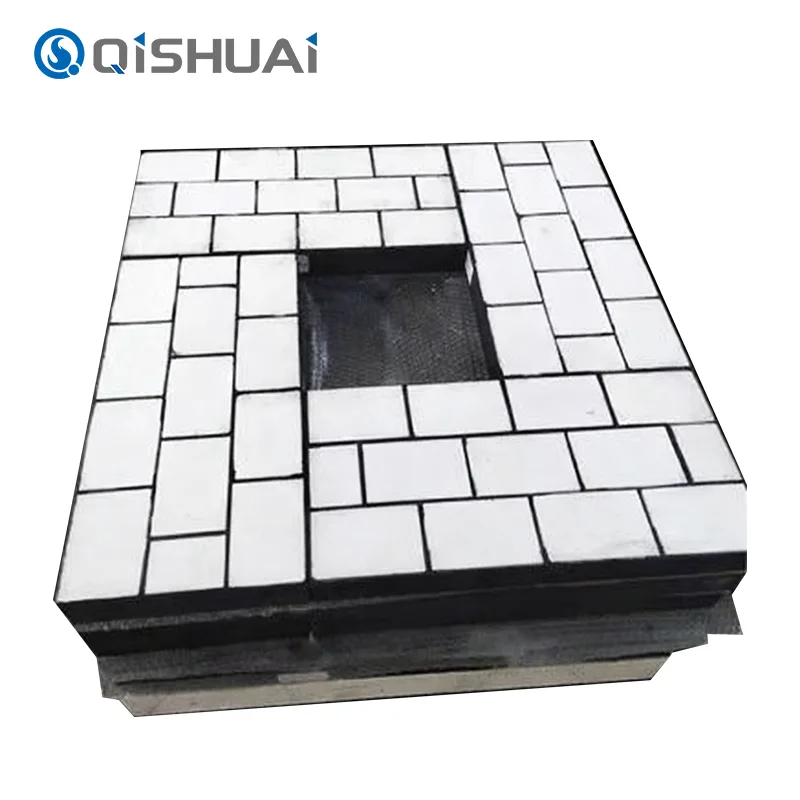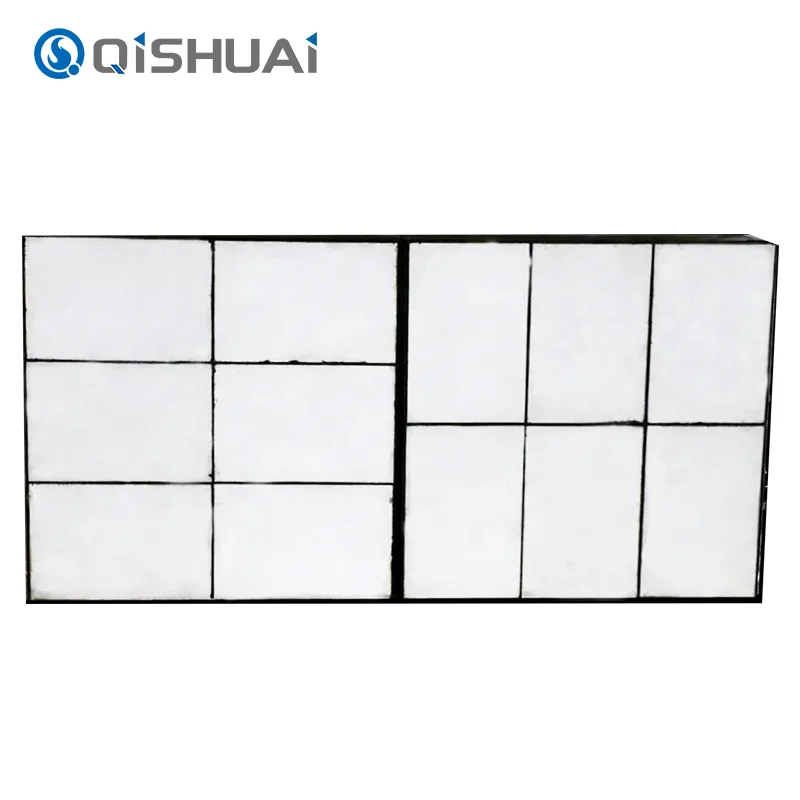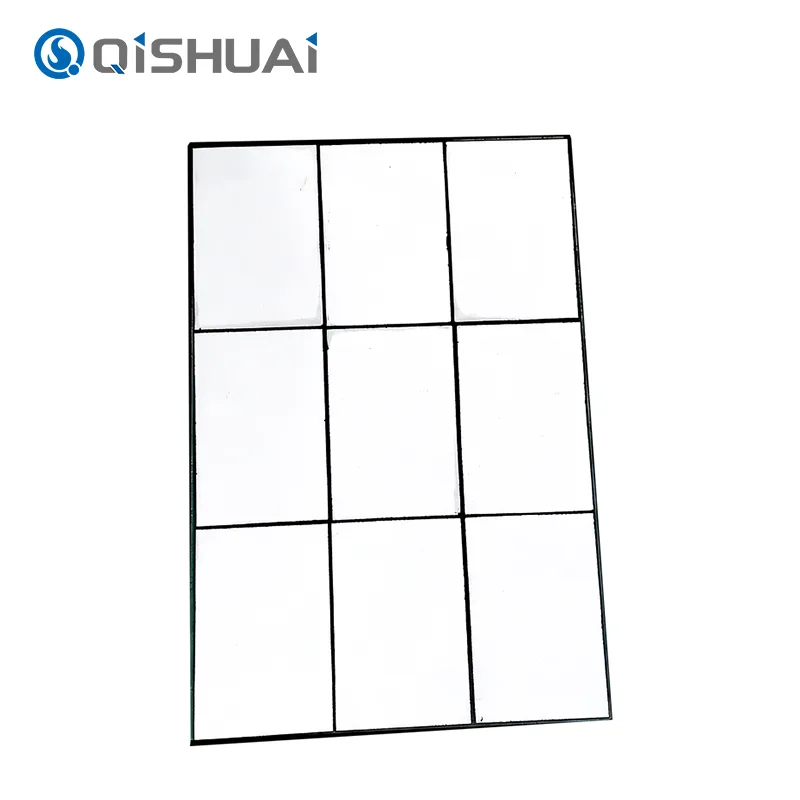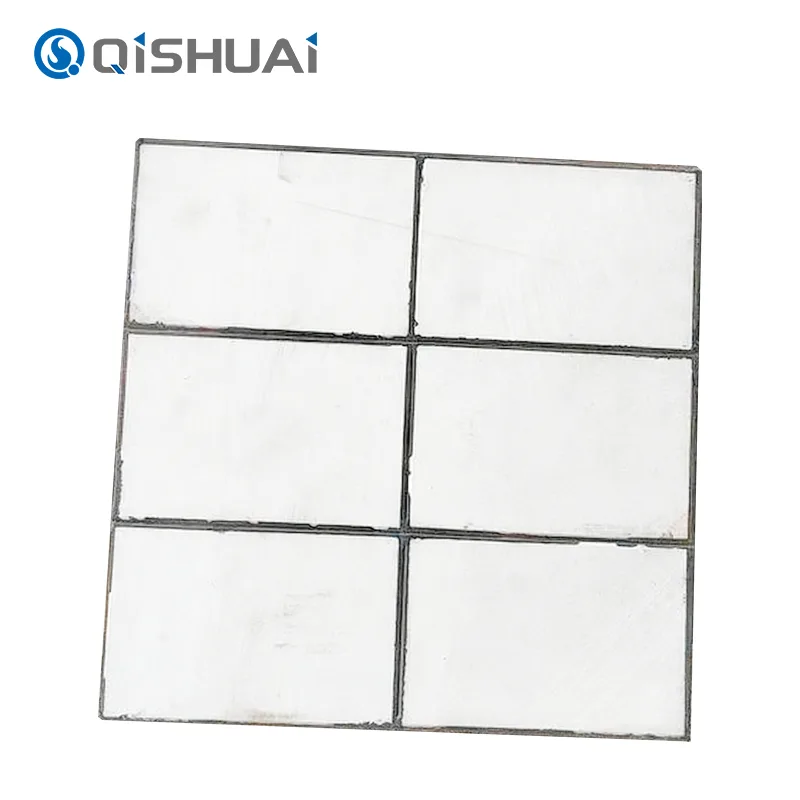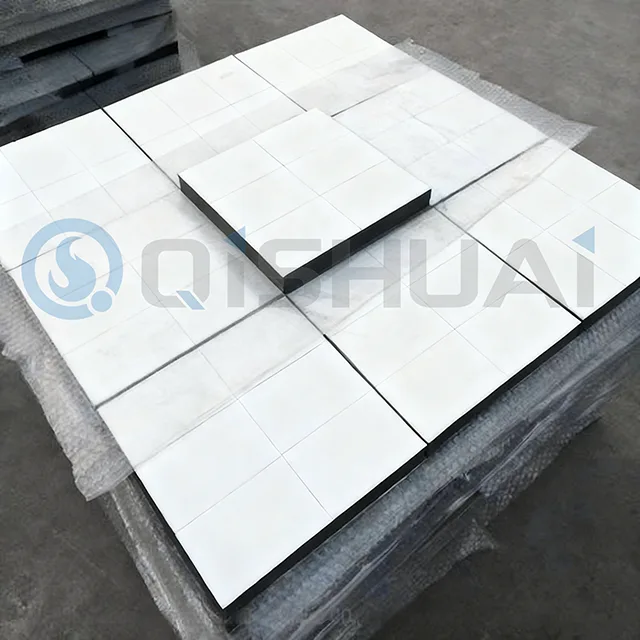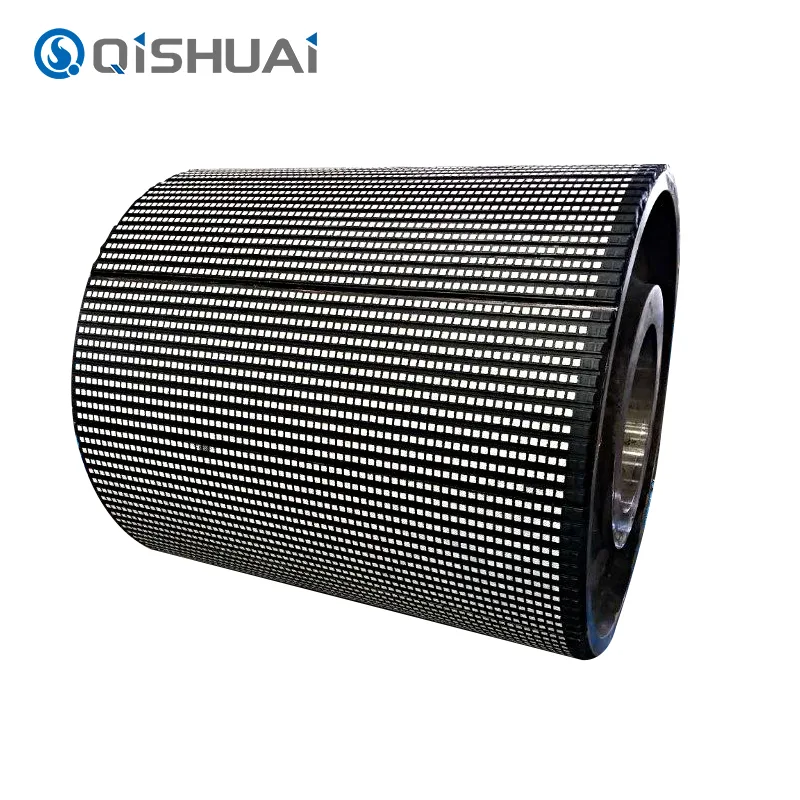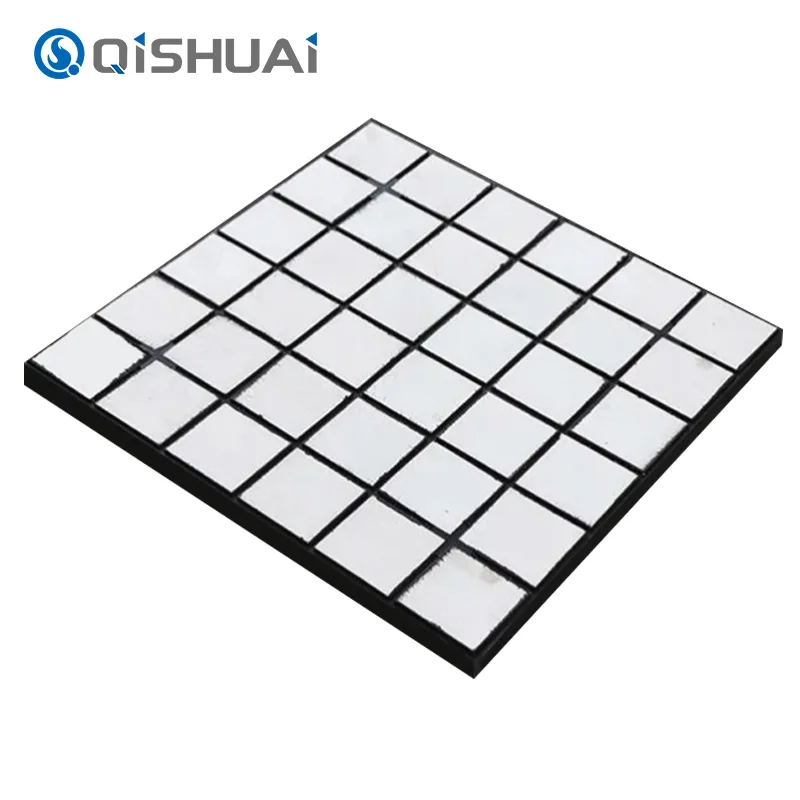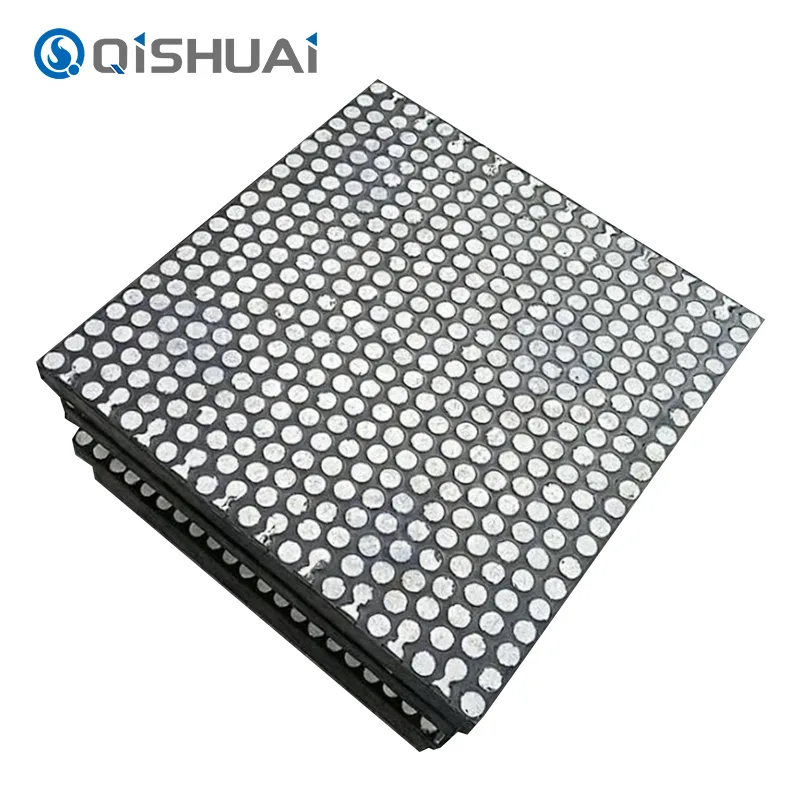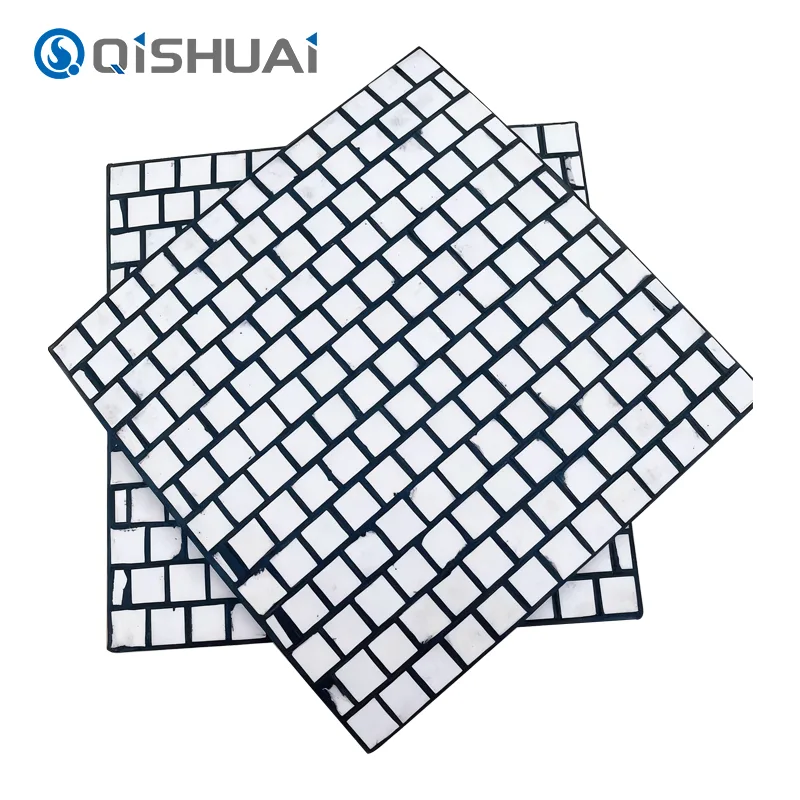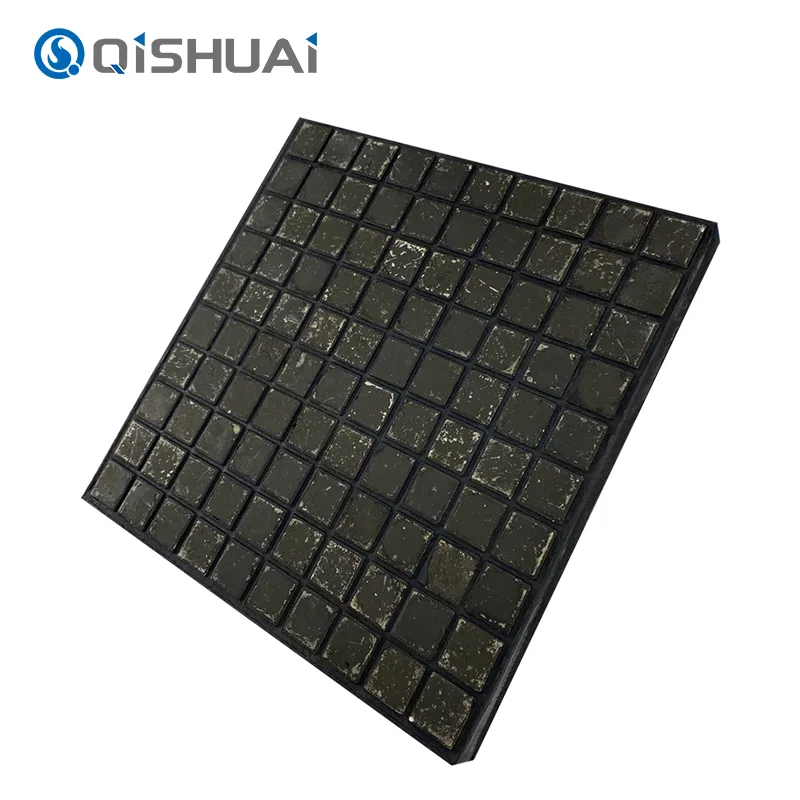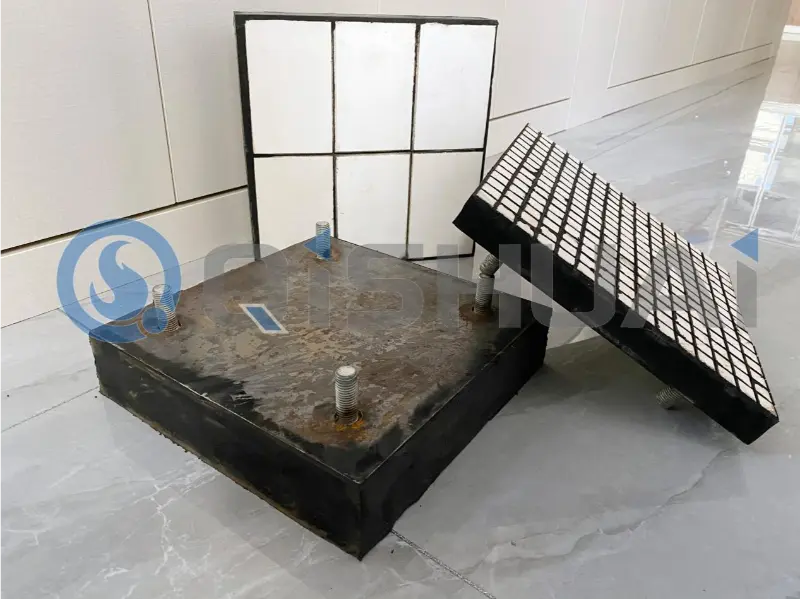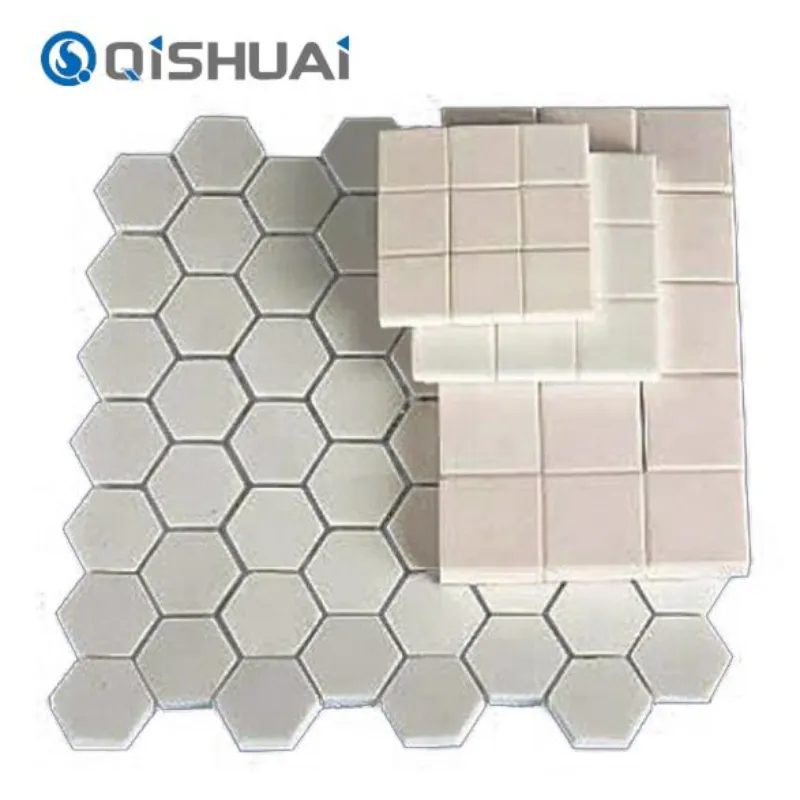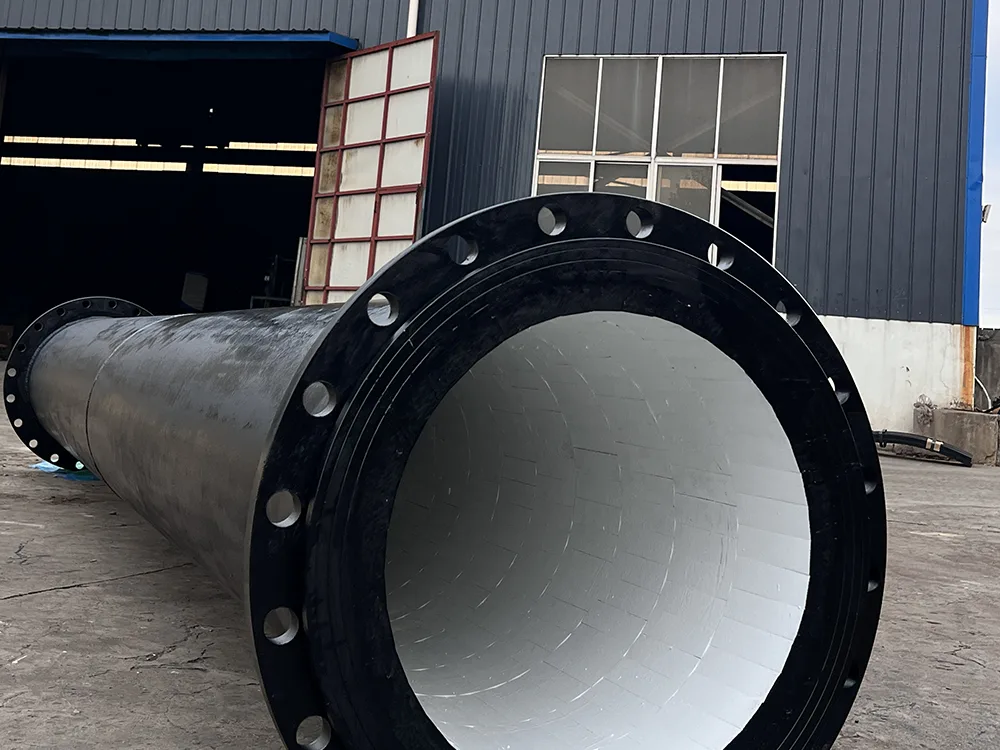
Rubber Embedded Ceramic Wear Tile Panel from Shandong Qishuai that contains ceramic elements within material showing resistance to wear provides resistance to impact, resistance to forms of degradation, and resistance to effects of temperature. This range of features allows use across multiple different areas of production. Using this product extends the period that equipment provides function and decreases costs relating to maintenance work.
In production settings within different forms of operation, wear that occurs to equipment remains a main factor that affects rates of production and approaches to controlling costs. This issue develops when conditions for operation present features that are both complex in nature and difficult for materials and equipment. Finding a high-performance wear-resistant material has become a key strategy for many enterprises to enhance competitiveness. Shandong Qishuai Wear-Resistant Equipment Co., Ltd.'s Rubber Embedded Ceramic Wear Tile Panel are the ideal solution to your wear challenges.
The panel that embeds material with high hardness in flexible material provides a combination of different properties in a form for resisting wear. The hard material shows exceptional resistance to wear and maintains this property when material moving at high rates produces impact and friction, and this provides protection for equipment that requires such protection. The flexible material that contains the hard material demonstrates capacity for absorbing impact and reducing effects of collision, and this prevents fracture of the hard material that occurs from its brittle nature. The flexible component also reduces noise that equipment produces and decreases vibration during operation. The combination of these two materials in the panel allows the composite structure to function in conditions that present challenges, and this combination maintains stable performance of equipment across different operating conditions.
Performance Characteristics
High Wear Resistance
The panels from Shandong Qishuai Wear-Resistant Equipment Co., Ltd. that combine rubber with ceramic material show high resistance to wear. This resistance results from the ceramic component that provides the main protective layer. The ceramic material has a hardness measure of approximately nine on the Mohs scale. This level indicates hardness that is second only to diamond in natural materials. The high hardness allows the ceramic to withstand impacts from material moving at high speed and friction that occurs with high intensity. These properties increase the durability that the wear plate demonstrates in use.
The panels with ceramic embedded in rubber show clear advantages when compared to materials that are used in traditional wear-resistant applications. High-manganese steel shows hardness between one point seven and two point two on the Mohs scale. High-chromium cast iron shows hardness from six to seven on this scale. The ceramic tiles from Shandong Qishuai Wear-Resistant Equipment Co., Ltd. reach hardness of nine. This represents hardness over four times that of high-manganese steel. The ceramic also shows hardness approximately one point three times that of high-chromium cast iron. In applications where these materials are used, the difference in hardness translates to differences in wear resistance that are substantial.
To show the advantages in wear resistance that the panels demonstrate, testing was conducted. The testing compared the panels to other materials that are common in wear-resistant applications. Equipment designed for measuring abrasion was used for this testing. Results from the test appear in the table that follows.
Wear-resistant materials
wear amount(mg)
Relative wear resistance
Rubber Embedded Ceramic Wear Tile Panel
10
10.0
High-Manganese Steel
100
1.0
High-chromium cast iron
50
2.0
Data in the table indicate that under conditions that were identical across tests, the wear rate that the panels show is one-tenth the rate of high-manganese steel. The rate is also one-fifth that of high-chromium cast iron. The relative resistance to wear is ten times that of high-manganese steel. It is five times that of high-chromium cast iron.This fully demonstrates that Rubber Embedded Ceramic Wear Tile Panelcan operate at a lower wear rate in high-abrasion environments, providing longer-lasting wear protection for equipment.
Impact Resistance
The panel combining ceramic material with rubber provides resistance to wear and also shows resistance to impact from the design using a rubber form. The rubber functions between the ceramic and the equipment, and this layer absorbs impact and disperses force across the structure. This process provides protection to the ceramic from damage that occurs with impact.
Rubber shows elasticity and flexibility in the material. The structure of molecules in rubber undergoes deformation when force from impact occurs, and the impact changes to energy internal to the molecules. The energy dissipates through friction between molecules in the material.When equipment is impacted by materials, the rubber layer first absorbs the force and buffers the impact through its own elastic deformation. In equipment such as devices that crush material or mills using balls, the energy from material impact shows substantial levels, and the rubber absorbs energy from impact through deformation that occurs with elasticity. This reduces force acting on ceramic elements in the structure and provides protection from breaking of the ceramic.
Corrosion Resistance
Equipment in industrial settings must withstand wear and impact but also requires resistance to chemicals of various types. The panel from Shandong Qishuai using ceramic with embedded rubber demonstrates resistance to corrosion from the properties of both ceramic and rubber, and the panel maintains performance in conditions with harsh chemicals. This provides protection that shows reliability for equipment.
Ceramic shows stability in chemical properties and resists erosion from most chemicals in industrial use. The component aluminum oxide (Al₂O₃) contains a structure that demonstrates high stability in chemical properties, and this structure resists reactions with acids, alkalis, salts, and other substances that occur commonly in industrial settings.
To clearly demonstrate the corrosion resistance of our Rubber Embedded Ceramic Wear Tile Panel, we tested their tolerance to common chemicals. The results are shown in the table below:
chemical substances
concentration
Endurance time(h)
sulfuric acid
50%
1000
Hydrochloric acid
30%
800
Sodium hydroxide
40%
900
Nitric acid
20%
700
As shown in the table above, Rubber Embedded Ceramic Wear Tile Panel maintain long-term stability in common chemicals of varying concentrations. They withstand over 1000 hours in 50% sulfuric acid, 800 hours in 30% hydrochloric acid, in 40% sodium hydroxide solution, they withstand 900 hours; and in 20% nitric acid, they remain stable for 700 hours. This demonstrates that Rubber Embedded Ceramic Wear Tile Panel can function reliably in diverse chemically corrosive environments, meeting the demands of various industrial sectors.
Temperature Resistance
In production settings, equipment operates across different temperature conditions, and this shows that temperature performance of materials providing wear resistance is important. The panels that embed ceramic in rubber from Shandong Qishuai Wear-Resistant present significant performance across temperature ranges that differ, and the materials maintain function in various conditions.
Ceramic materials that form the structure present high points at which melting occurs and significant resistance to high temperature. Standard ceramic using alumina allows temperatures that exceed one thousand five hundred degrees. In conditions with high temperature, the structure at the level of crystals in ceramic remains stable and does not show softening or change in form. This indicates that the tiles providing wear resistance maintain function in heat that is extreme.
The panels from Shandong Qishuai that embed ceramic in rubber operate in temperature ranges from negative forty degrees to one hundred twenty degrees, and this meets requirements for temperature in production settings in industry. The materials provide stable performance in equipment in outdoor locations in cold regions and in settings with high temperature in industry, and this shows that the panels provide wear protection that is reliable for equipment.
Product Structure and Principle
Structural Analysis
The Rubber Embedded Ceramic Wear Tile Panel from Shandong Qishuai Wear-Resistant Equipment Co., Ltd. shows a design that combines two separate layers. This design integrates ceramic tiles with a rubber layer. The different layers provide different functions but work in combination. This combination provides protection from wear for equipment.
The ceramic tile functions as the main component that resists wear in the structure. The tile uses materials with high purity such as alumina ceramic or silicon nitride ceramic. Alumina ceramics contain aluminum oxide (Al₂O₃) as the main component. This component appears at levels that exceed ninety-five percent. The ceramic shows hardness that reaches high levels. The Mohs hardness measure indicates a value of approximately nine. This hardness level appears second only to diamond. Diamond represents the substance with the most hardness in nature. The high hardness allows the ceramic tiles to resist impacts from materials moving at high rates and friction that occurs with high intensity. This resistance extends the time that the wear-resistant panels function in use.
The production process embeds ceramic tiles into the rubber layer. This embedding uses thermal vulcanization processes that are specialized or bonding agents with high strength. The thermal vulcanization process subjects the material to conditions with high temperature and high pressure. These conditions produce a chemical reaction. The reaction occurs between the rubber molecules and the active groups that appear on the surface of the ceramic flakes. This reaction forms chemical bonds, achieving a tight bond between the two components. Alternatively, high-strength bonding agents leverage their exceptional adhesive properties to firmly bond the ceramic flakes to the rubber layer. This robust bonding method enables the ceramic flakes and rubber layer to work synergistically during operation, fully leveraging the strengths of each material.
Working Principle
The use of these panels in different industrial settings provides protection through the combined function of ceramic tiles and rubber layers. This combination allows the panels to work in various conditions and increase equipment service life.
In settings with high wear, such as systems that move materials in mining, metal production, and power generation, materials typically come in contact with equipment surfaces at high rates and in large amounts. This produces strong friction and wearing. The ceramic tiles in the panels provide important protection in these conditions. The tiles show high hardness and resistance to wear, and they withstand impacts and friction from materials moving at high rates. This forms a strong protective barrier against wear.
The ceramic tiles and rubber layer also provide resistance to corrosion in conditions that include corrosive media. The ceramic tiles show high chemical stability and resist damage from most chemical substances. The rubber layer prevents corrosive media from reaching the equipment surface and provides additional protection. In chemical processing and environmental protection industries, this resistance to corrosion allows the panels to function in difficult chemical settings and maintain equipment performance.
Contact Us:
Should you have any enquiries regarding our products, please do not hesitate to contact us via the following methods:
If you have any enquiry about quotation or cooperation, please feel free to email us at qishuai@zbqishuai.cn or use the following inquiry form. Our sales representative will contact you within 24 hours. Thank you for your interest in our products, such us Alumina Ceramic, Composite Wear Pipe, Silicon Carbide Ceramic, etc.
We use cookies to offer you a better browsing experience, analyze site traffic and personalize content. By using this site, you agree to our use of cookies.
Privacy Policy