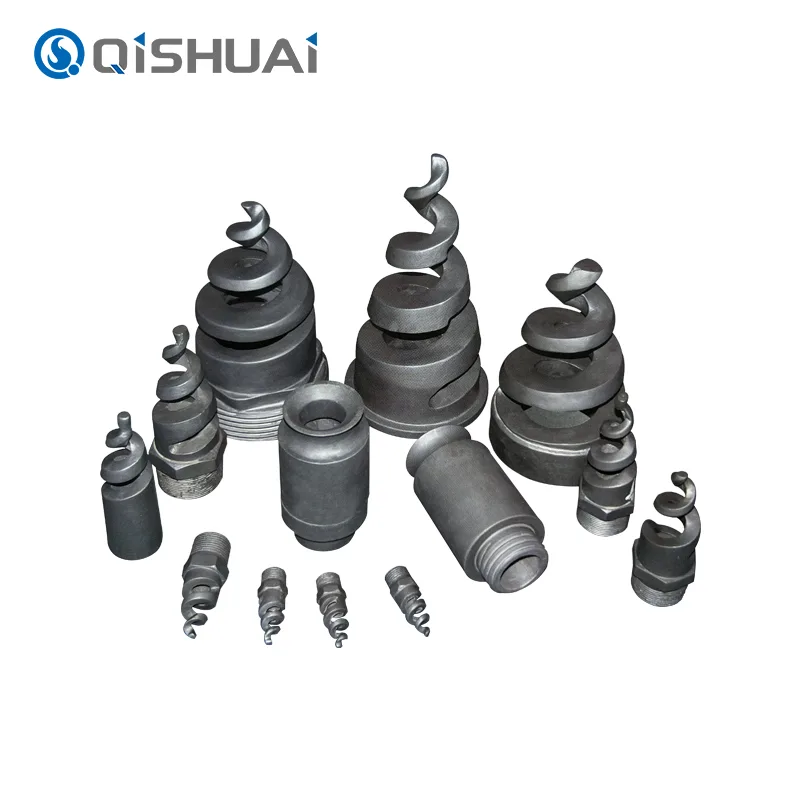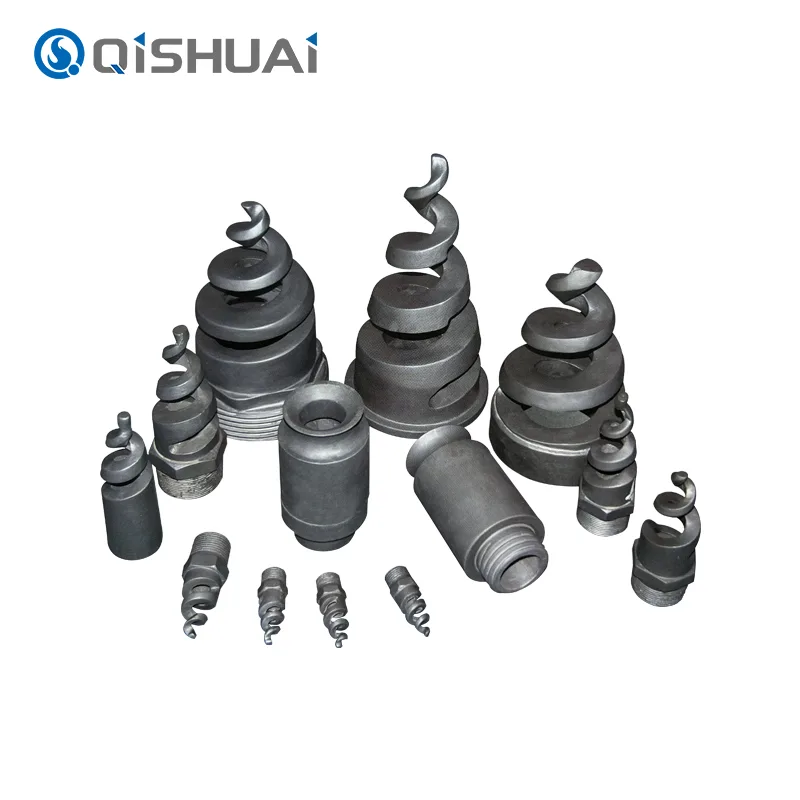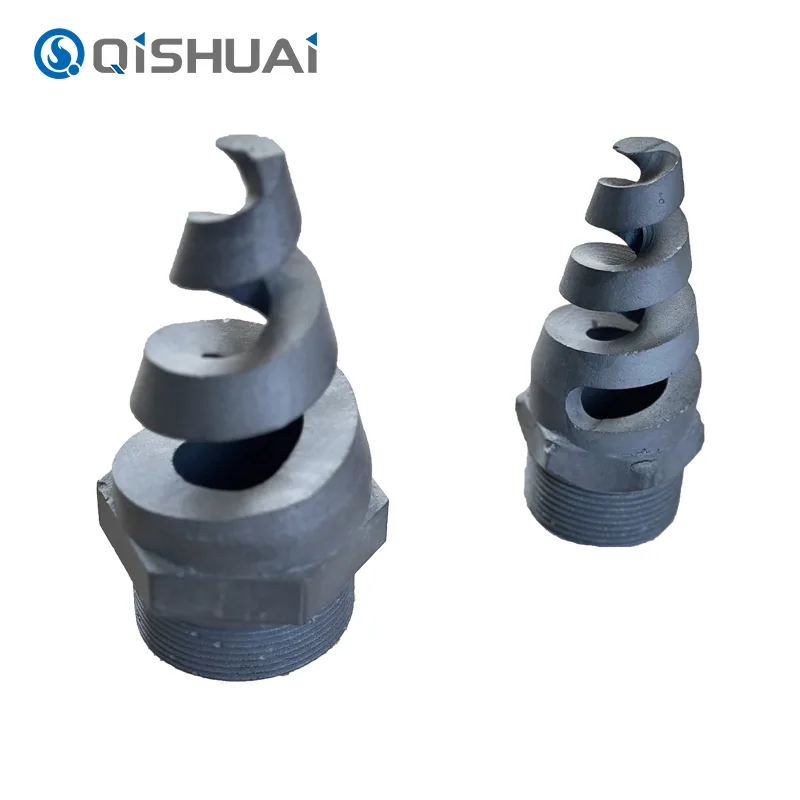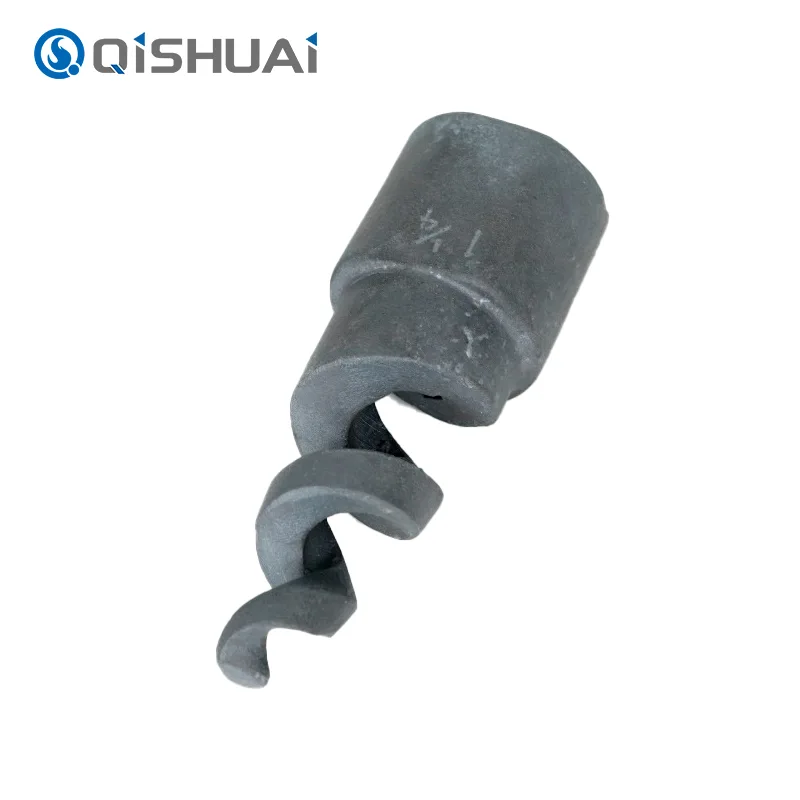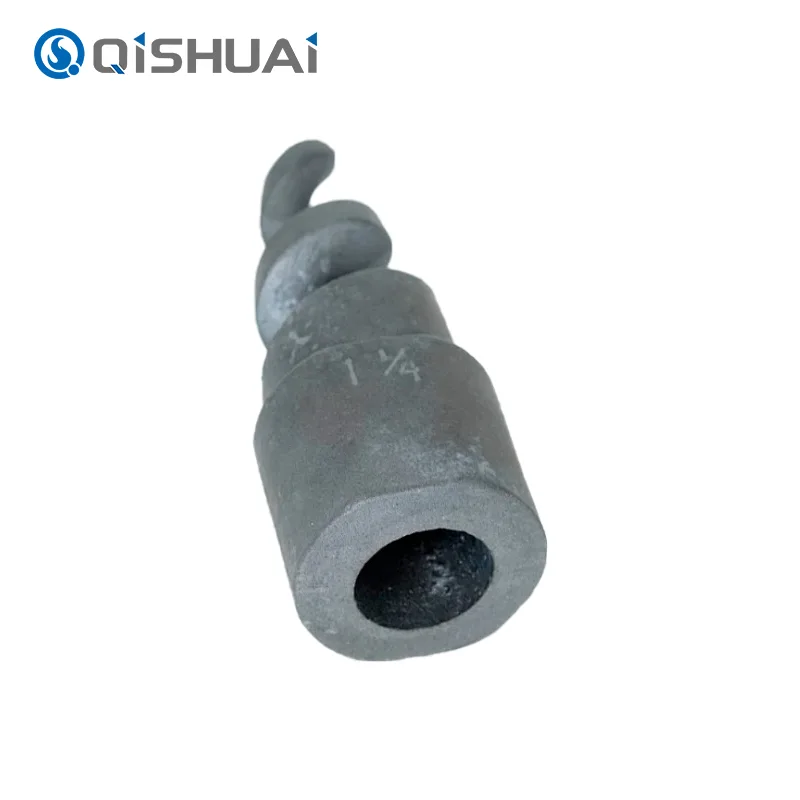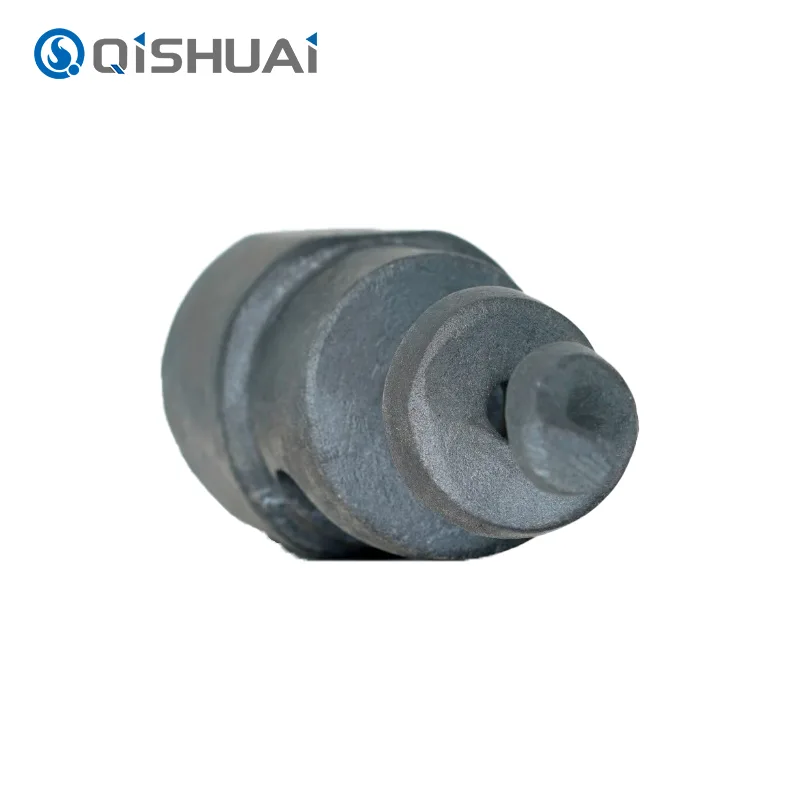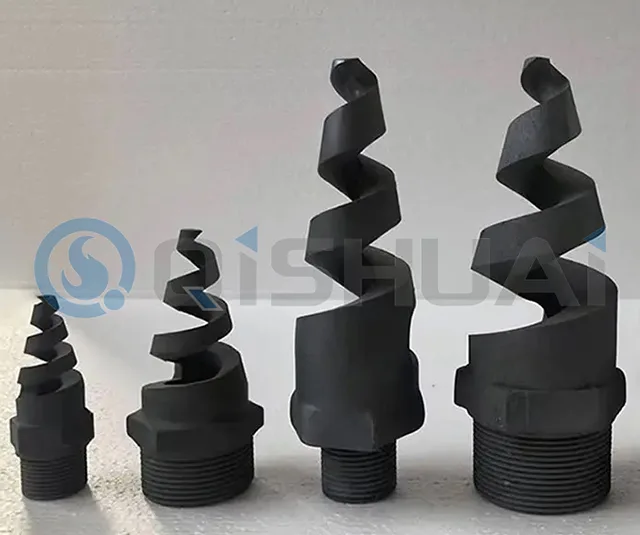
The equipment from Shandong Qishuai Wear-Resistant Equipment provides nozzles that resist wearing and work in removing material from systems. These Desulphurization nozzles show high performance in this process and include design that prevents blocking. Different industries use these nozzles. Organizations requiring these products for use in operations can contact Shandong Qishuai Wear-Resistant Equipment to establish working relationships and address issues relating to removing material from systems.
Desulphurization Nozzles from Shandong Qishuai Wear-Resistant Equipment Co., Ltd. demonstrate strong performance across important measures. These measures indicate that the nozzles meet different requirements that various industries present. The specifications that follow provide specific information on these nozzles.
Parameter Name
Details
Material
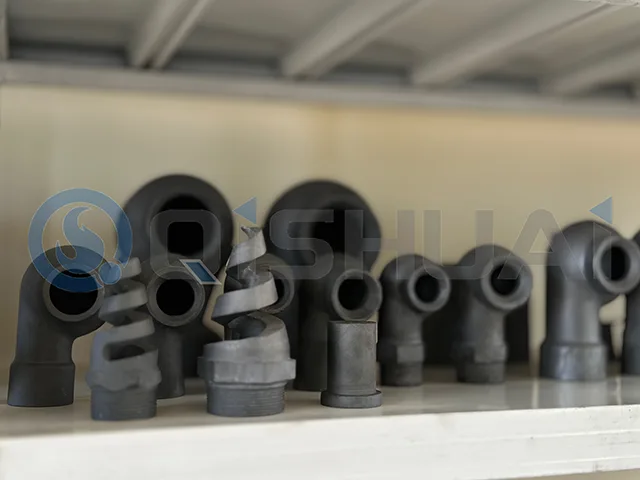
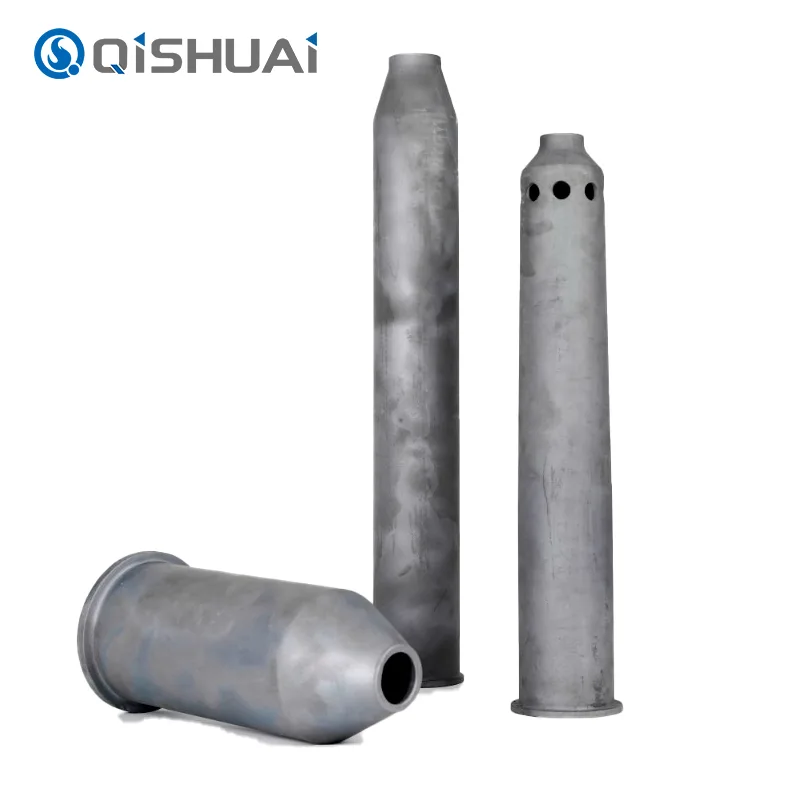
The company offers a range of material options, including 316 stainless steel, silicon carbide, and ceramics. 316 stainless steel provides excellent corrosion resistance and toughness, making it suitable for general corrosive environments; silicon carbide boasts high hardness and wear resistance, performing exceptionally well under high-temperature and high-abrasion conditions; ceramic materials exhibit outstanding resistance to acid and alkali corrosion, making them ideal for desulphurisation operations involving highly corrosive media.
size
Threaded connection sizes range from 1/4 inch to 4 inches to accommodate piping of varying diameters. The commonly used 1/2-inch connection fits standard pipe specifications for straightforward installation. Additionally, non-standard desulphurisation nozzle dimensions can be custom-made to meet specific client requirements.
Traffic
The flow rate range is extensive, spanning from 5.5 litres per minute to 4140 litres per minute (at 3 bar pressure). For instance, in desulphurisation systems for certain small industrial boilers, nozzles with lower flow rates may be selected to precisely control spray volume and conserve desulphurisation agents. Conversely, for desulphurisation towers in large thermal power plants, high-flow nozzles ensure sufficient spray coverage area, thereby enhancing desulphurisation efficiency.
Spray angle
Offering multiple spray angle options including 60°, 90°, 120°, 150°, and 170°. In wet flue gas desulphurisation systems, downward-spray desulphurisation nozzles typically employ a 90°spray angle, whilst upward-spray nozzles predominantly utilise a 120°spray angle. For nozzles positioned near the absorber tower wall surface, an upward spray angle of 90°is also adopted to prevent erosion of the wall's anti-corrosion coating.
These specifications work with one another. This interaction allows the nozzles from Shandong Qishuai Wear-Resistant Equipment Co., Ltd. to show the best performance in removing material across different industrial settings. The nozzles provide strong protection for the environment during production processes that organizations conduct.
Shandong Qishuai Wear-Resistant Equipment Co., Ltd.'s desulphurisation nozzles demonstrate exceptional wear resistance, owing to their meticulously selected premium materials. Take silicon carbide as an example: this material possesses extraordinary hardness, with a Mohs hardness rating of 9.2–9.5, surpassed only by diamond and cubic boron nitride, and far exceeding that of conventional metallic materials. This enables the desulphurisation nozzles to effectively resist particle erosion and friction when exposed to desulphurisation slurry containing substantial solid particles, significantly extending their operational lifespan. In a major coal-fired power plant's desulphurisation project, the plant's previously used standard desulphurisation nozzles had an average lifespan of merely 3 to 6 months under the erosion of high-concentration slurry. Frequent replacements not only increased maintenance costs but also disrupted production continuity. Following the adoption of Shandong Qishuai's silicon carbide desulphurisation nozzles, service life increased substantially to 2–3 years. This has markedly reduced maintenance frequency and costs while enhancing production efficiency.
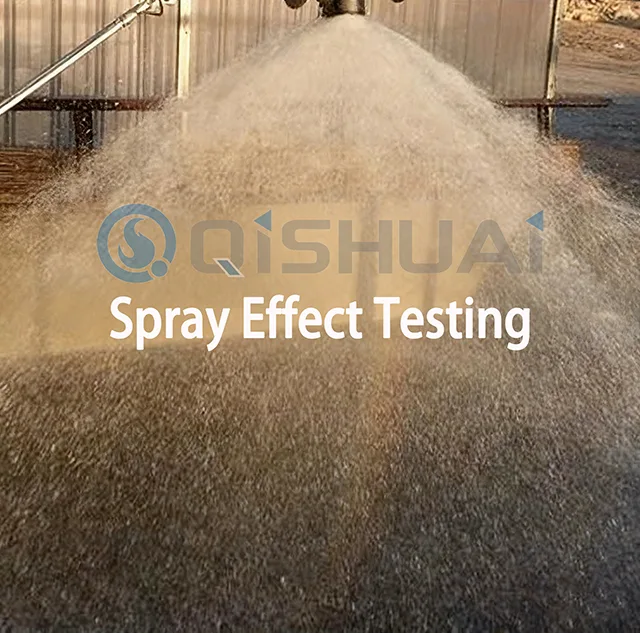
From an operational perspective, Shandong Qishuai Wear-Resistant Equipment's desulphurisation nozzles employ a unique design to spray the desulphurisation agent as a uniform, fine mist into the absorption tower. This allows thorough contact and chemical reaction with the sulphur dioxide present in the flue gas. Upon entering the absorber tower, the sulphur dioxide-laden flue gas encounters the atomised desulphurisation agent dispersed by the nozzles. This rapidly increases the contact surface area, enabling swift reaction progression. The nozzles' unique swirl design generates a rotating liquid stream upon discharge, further enhancing mixing with the flue gas and thereby improving desulphurisation efficiency.
Anti-clogging design, stable operation
The nozzles from this company use a design with a large opening and a flow path that allows smooth movement. This design provides a means for material to move through the nozzle without problems from particles that collect inside. The nozzles from Shandong Qishuai Wear-Resistant Equipment Co., Ltd. that prevent blocking show improved performance during operation. These nozzles allow continued work even when the material moving through them contains substantial amounts of other matter. This supports the function of the system and reduces losses that occur when equipment stops working.
Quality Assurance
The company maintains standards in production of nozzles for removing sulphur. Work at different stages shows control of quality, and this provides products to clients. The approach follows from material selection to manufacturing.
The company uses standards that are stringent for selecting materials. Materials that show high quality form the basis for products. Consider nozzles using silicon carbide for removing sulphur. The company uses silicon carbide that contains high purity and limited impurities. This material shows hardness and resistance to wear. Sources for this material include suppliers that are known in the industry. These suppliers provide materials that undergo inspection for quality. The inspection confirms that performance measures meet standards that the company requires. Each group of silicon carbide receives multiple tests. Tests include analysis of composition, measurement of hardness, and assessment of density. Materials that show compliance in all tests receive approval for use in production.
The company possesses equipment for production and techniques for processing that are advanced. These allow products to show high precision and quality. The workshop for production contains equipment for machining that operates with automation. Equipment includes lathes using computer control, machines for milling, and machines for grinding. This equipment provides machining that is precise for nozzles that remove sulphur. Consider machining of nozzles using silicon carbide. Lathes using computer control conduct initial machining on blanks of silicon carbide. This controls dimensions with precision. Machines for milling then conduct machining that is more refined. This confirms that form and dimensions of channels for flow meet requirements from design. Processing uses techniques for grinding that are advanced. These techniques polish surfaces of nozzles. Results show surface finish that reaches standards that are high. This reduces resistance from fluid in the nozzle. It also improves performance in creating spray.
The company uses a system to show that each nozzle for removing substances meets requirements that the company establishes. This system subjects products to testing at multiple levels that examine different features. The production process includes checks at each stage that is completed. These checks examine measures of size and features of surfaces. Products that reach the stage before distribution undergo testing that is more complete. This testing includes assessment of flow rate, assessment of distribution in the pattern that occurs during operation, testing that examines resistance to wearing, and testing that examines resistance to processes that degrade materials. The testing of flow rate uses equipment that is designed for this purpose. This equipment provides conditions that simulate different pressures and conditions that occur during operation. The testing verifies that actual rates of flow show correspondence with rates that design work specifies.
Contact Us:
Should you have any enquiries regarding our products, please do not hesitate to contact us via the following methods:
If you have any enquiry about quotation or cooperation, please feel free to email us at qishuai@zbqishuai.cn or use the following inquiry form. Our sales representative will contact you within 24 hours. Thank you for your interest in our products, such us Alumina Ceramic, Composite Wear Pipe, Silicon Carbide Ceramic, etc.
We use cookies to offer you a better browsing experience, analyze site traffic and personalize content. By using this site, you agree to our use of cookies.
Privacy Policy