


Abstract
If your team is stuck in the “repair–replace–repeat” loop, you already know the hidden cost of wear: unplanned shutdowns, lost throughput, rushed spares, and safety exposure during hot work. This guide breaks down how Chromium Carbide Overlay (CCO) helps solve those pain points by combining a tough steel backing with an abrasion-resistant hardfacing layer. More importantly, it shows when CCO is the right solution, when it isn’t, and how to specify, install, and quality-check plates or pipes so you actually get the service life you paid for.
- Buyer goal: lower life-cycle cost (not just unit price).
- Maintenance goal: longer intervals, easier planned outages, fewer emergency weld repairs.
- Operations goal: stable flow, less plugging, less dust and spillage from worn surfaces.
Mentioned supplier for context: Shandong Qishuai Wear Resistant Equipment Co., Ltd.
Table of Contents
- What will this article cover?
- What pain does wear really create for buyers?
- What is Chromium Carbide Overlay in plain language?
- Where does Chromium Carbide Overlay win (and where does it lose)?
- How do you specify Chromium Carbide Overlay so it performs?
- How does it compare to AR plate, ceramics, and traditional hardfacing?
- What installation habits prevent early failure?
- What quality checks protect your budget and your downtime plan?
- Which applications typically benefit the most?
- FAQ
- Conclusion
What will this article cover?
Here’s the “big picture” outline, so you can skim like a busy plant manager or procurement lead:
- Wear economics: how abrasion quietly drains margin through downtime and throughput loss.
- CCO basics: what makes Chromium Carbide Overlay different from plain wear plate.
- Selection rules: the quick tests that tell you if CCO is a fit for your duty cycle.
- Spec checklist: thickness, base material, overlay pattern, and fabrication constraints.
- Comparison table: CCO vs. AR steel vs. ceramics vs. shop-applied hardfacing.
- Installation + QA: practical steps that prevent premature cracking, delamination, or warping.
My rule of thumb: If you can’t explain why the current liner fails (abrasion, impact, heat, corrosion, or a combination), you can’t reliably select the next material. This article helps you name the failure mode before you buy.

What pain does wear really create for buyers?
“Wear” sounds like a maintenance issue, but it hits procurement, operations, and safety at the same time. The biggest pain points usually show up in four places:
- Downtime volatility: the chute looks “fine” until it isn’t, then you’re scrambling.
- Throughput drag: worn surfaces change flow, increase turbulence, and drive plugging.
- Budget surprises: emergency shutdowns cost more than the liner itself.
- Safety exposure: more repairs means more hot work, confined space entry, and rushed tasks.
| Pain point | What it looks like on site | What to measure (so you can justify the upgrade) |
|---|---|---|
| Unplanned outage | Emergency patch welding, short-term fixes, more manpower | Hours of lost production + overtime + contractor mobilization |
| Flow instability | Spillage, dust, plugging, inconsistent feed | Throughput variance, blockage events/month, cleanup hours |
| Frequent part replacement | Chutes, hoppers, elbows, pipes wearing out “too fast” | Mean time between replacements + cost per interval |
| High maintenance burden | Repeated downtime windows, heavy rework, poor predictability | Work orders, welding hours, and spares lead time risk |
The goal isn’t “buy the hardest thing.” The goal is to match the wear solution to the failure mode, then lock in predictable maintenance intervals. That’s where Chromium Carbide Overlay tends to shine.
What is Chromium Carbide Overlay in plain language?
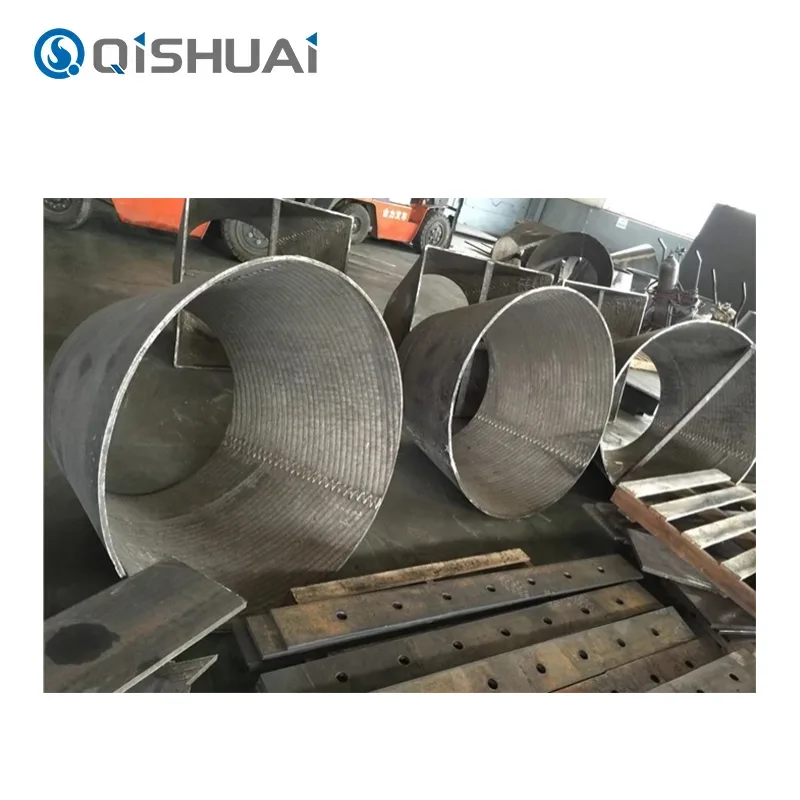
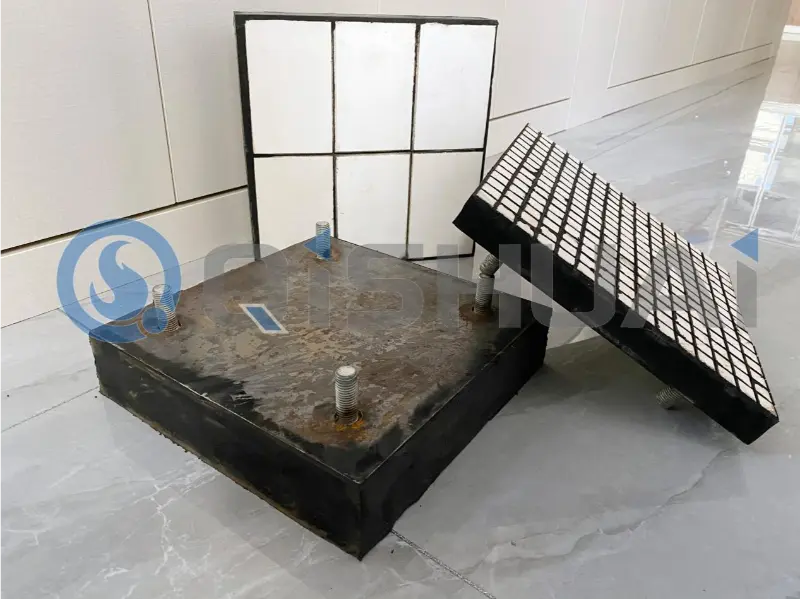
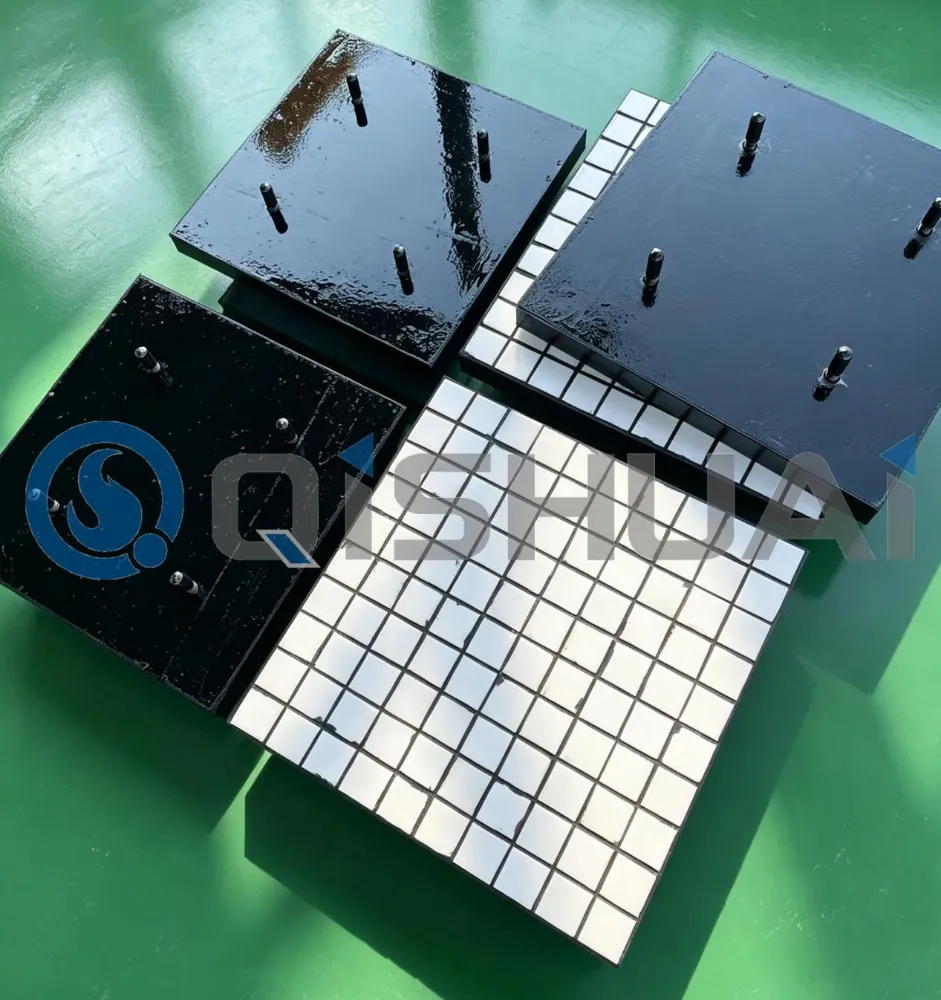
Think of Chromium Carbide Overlay as a two-layer system: a tough steel base (for strength, weldability, and structural support) topped with a hardfaced overlay rich in chromium carbides (for abrasion resistance).
What problem does this two-layer idea solve?
Abrasion-resistant materials are often brittle. Structural steels are often too soft. CCO is designed to split the job:
- Base plate: handles load, fastening, forming, and general structural integrity.
- Overlay: takes the wear, so the base stays intact much longer.
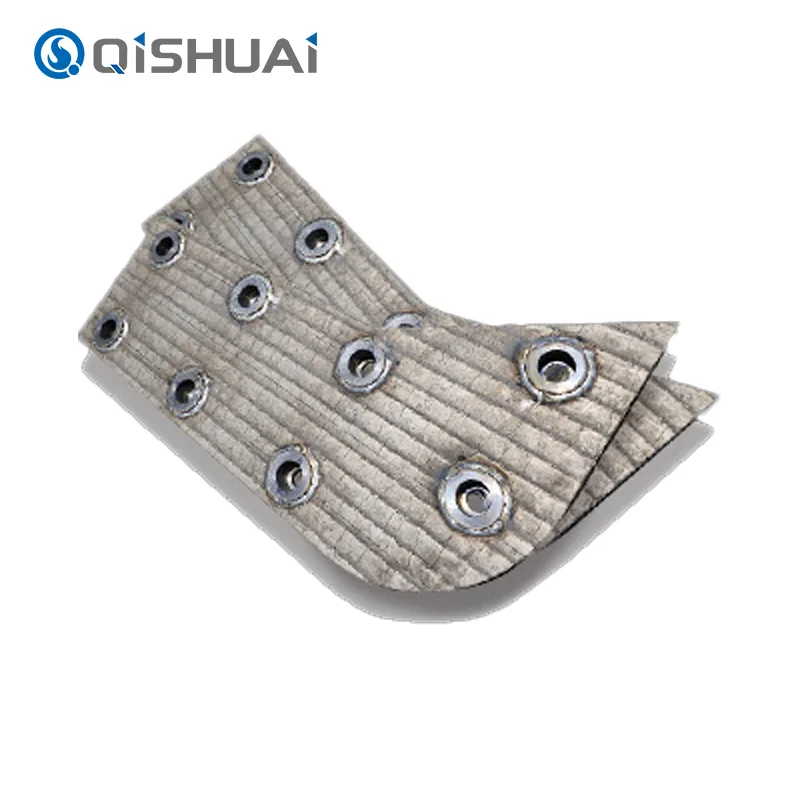
You’ll sometimes see surface checking or “crack patterns” on the overlay. In many CCO designs, controlled cracking can be normal—what matters is whether the overlay stays bonded and the wear rate stays low.
In real plants, the decision usually comes down to this: if abrasion is your dominant enemy, Chromium Carbide Overlay often extends service life and reduces emergency repair frequency. But it’s not a magic blanket for every condition—so let’s get specific.
Where does Chromium Carbide Overlay win (and where does it lose)?
Where Chromium Carbide Overlay usually wins
- Sliding abrasion: fines, ore, clinker, sinter, coal, ash, sand, and similar.
- Moderate impact + abrasion mix: where impact exists but isn’t the main driver.
- High-velocity particle flow: elbows, pipe sections, and transfer points that erode fast.
- When you need predictable intervals: planned shutdowns benefit from liners that “age” consistently.
Where you should be careful
- Severe impact: large rocks dropping from height can crack or spall hard overlays.
- Strong corrosion: chemical attack can dominate wear, changing the best material choice.
- High-temperature extremes: sustained heat can affect performance depending on the recipe and duty.
- Sharp bending requirements: heavy forming can be limited; you may need segmented liners or fabricated parts.
Quick selection test: If you can describe your wear as “sandpaper-like” (constant rubbing/erosion), Chromium Carbide Overlay is usually worth evaluating. If you describe it as “hammer blows” (big impact events), consider hybrid designs: impact-resistant base + targeted wear zones, or alternate liner systems.
How do you specify Chromium Carbide Overlay so it performs?
Most disappointing CCO purchases fail for one reason: the specification is vague. Buyers ask for “a wear plate,” get something hard, and assume the problem is solved—until it isn’t. Here’s a practical checklist you can use in RFQs and technical clarifications.
What should your RFQ include?
- Wear mechanism: sliding abrasion, erosion, abrasion+impact, or abrasion+corrosion.
- Target service interval: “We need 12–18 months between replacements,” not “make it last longer.”
- Part type: flat plate liner, fabricated chute, pipe/elbow, custom part.
- Overlay thickness & layers: required wear layer thickness based on your current wear rate.
- Base plate requirements: thickness, weldability expectations, and any structural loads.
- Fabrication needs: cutting method, hole patterns, plug welds, studs, or bolt-on design.
- Operating constraints: temperature range, moisture, chemical exposure, vibration.
- Quality evidence: hardness profile, overlay chemistry targets, bond integrity checks.
What details matter more than people think?
- Overlay uniformity: inconsistent overlay thickness creates “weak lanes” that wear through early.
- Bond quality (dilution control): too much mixing at the interface can reduce the effective hardness zone.
- Crack pattern management: controlled checking can be acceptable; uncontrolled spalling is not.
- Cut edge treatment: how the part is cut and handled affects cracking and fit-up during install.
If you’re sourcing from an experienced manufacturer like Shandong Qishuai Wear Resistant Equipment Co., Ltd., you can usually request application-based recommendations (plate vs. pipe vs. fabricated parts) instead of guessing. The key is to provide your wear story clearly.
How does it compare to AR plate, ceramics, and traditional hardfacing?
A fair comparison is not “which one is hardest,” but “which one delivers the lowest cost per operating hour at acceptable risk.” Use this table as a starting point.
| Option | Best at | Watch-outs | When I’d choose it |
|---|---|---|---|
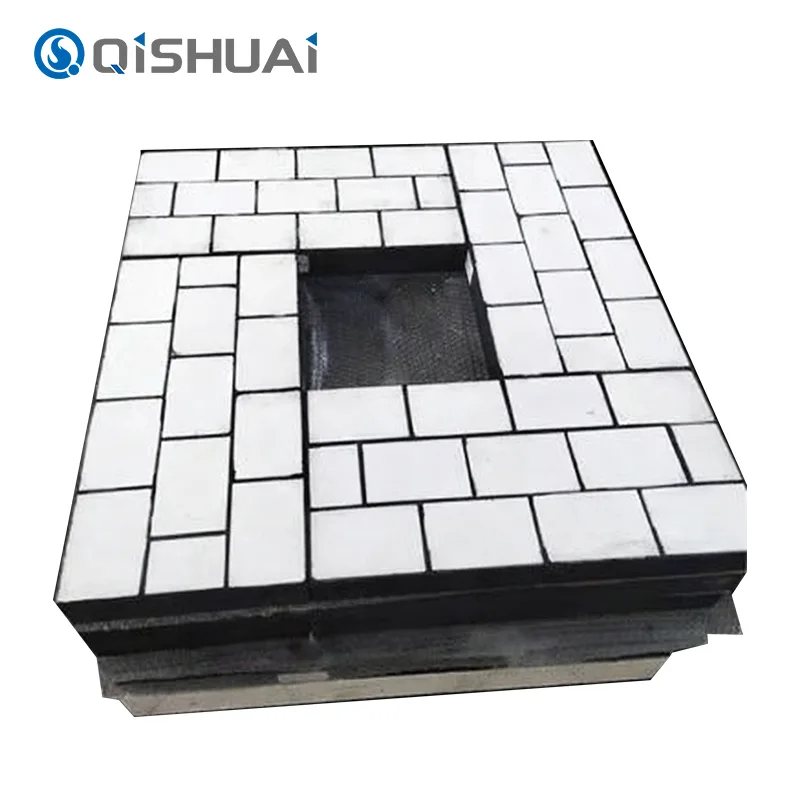
| Chromium Carbide Overlay | Sliding abrasion, erosion, consistent wear rates | Not ideal for extreme impact; fabrication limits for tight forming | Transfer chutes, hoppers, liners, elbows, wear zones needing predictable intervals |
| Through-hardened AR plate | General abrasion with better toughness | Can wear faster in severe abrasion; may not match CCO life in fines/erosion | Moderate wear with higher impact, structural parts that take abuse |
| Ceramic-lined systems | Severe abrasion in some slurry/particle flow cases | Impact sensitivity; installation quality is everything | High-wear elbows/sections where ceramics are proven and impact is controlled |
| Shop-applied hardfacing (on-site or workshop) | Targeted repairs, localized wear zones | Quality can vary widely; downtime and labor can be high | When you need a fast repair strategy or a hybrid design to tune performance |
Procurement tip: Ask suppliers to quote on a “cost-per-interval” mindset: expected service months, installation hours, and spares strategy. The cheapest plate often becomes the most expensive liner once you count downtime.
What installation habits prevent early failure?
Even excellent Chromium Carbide Overlay can fail early if it’s installed like mild steel. Here are practical habits that protect your ROI.
How should you orient and fasten liners?
- Align overlay for wear direction: in many abrasive flows, orientation can affect how wear tracks develop.
- Use bolt-on or plug-weld patterns that allow movement: thermal cycling and vibration need relief.
- Keep edges supported: unsupported edges invite chipping under vibration and impact.
What cutting and welding practices reduce risk?
- Plan your cuts: avoid unnecessary tight corners; use radii where possible to reduce stress concentration.
- Control heat input: overheating can amplify distortion and affect the overlay zone.
- Use appropriate consumables: base plate welding should follow proven procedures, not “whatever is on the truck.”
- Segment smartly: when large liners are hard to handle, segmented panels can install faster and fit better.
What does “normal cracking” vs. “problem cracking” look like?
Many CCO overlays develop a surface crack network from cooling and shrinkage. In controlled form, it can be acceptable. Red flags are: chunks breaking free, delamination at the bond line, or cracks propagating through the base plate under normal duty. When in doubt, ask for recommended installation guidelines and acceptance criteria.
What quality checks protect your budget and your downtime plan?
A good supplier should be able to explain their process control and show objective checks. Here’s what to request (and why it matters).
| Quality check | Why it matters | What to ask for |
|---|---|---|
| Overlay thickness verification | Thin spots wear through early and trigger emergency repairs | Measurement method + tolerance range + sampling plan |
| Hardness profile | Confirms the wear layer is performing, not just “hard at the surface” | Reported values and test locations (overlay and near interface) |
| Bond integrity / delamination screening | Prevents catastrophic spalling and liner loss | Inspection method (visual, UT where applicable) and acceptance criteria |
| Process traceability | Consistency between batches affects your maintenance schedule | Batch ID, production records, and repeatability approach |
Authority signal: A supplier that can walk you through “what we test, where we test it, and what failure it prevents” is usually safer than one that only sells on generic claims.

Which applications typically benefit the most?
Chromium Carbide Overlay shows up wherever bulk material handling eats steel for breakfast. The best candidates share a common trait: abrasion is constant and predictable.
High-value, common applications
- Transfer chutes and hoppers: liners that reduce wear-through and stabilize flow.
- Conveying systems: wear zones at loading points, skirt areas, and discharge transitions.
- Power and ash handling: erosion and abrasion in transport lines and elbows.
- Cement and clinker handling: abrasive particles that quickly roughen and thin steel surfaces.
- Mining: ore transfer, screening feed areas, and high-wear bins and chutes.
If you already know your site’s “usual suspects” (the components you replace every shutdown), you can often pilot Chromium Carbide Overlay on one or two items first, then expand once the wear rate and installation process are validated.
Practical pilot idea: pick a part with stable operating conditions, easy inspection access, and clear wear history. That gives you clean before/after data for internal buy-in.
FAQ
Is Chromium Carbide Overlay only for plates?
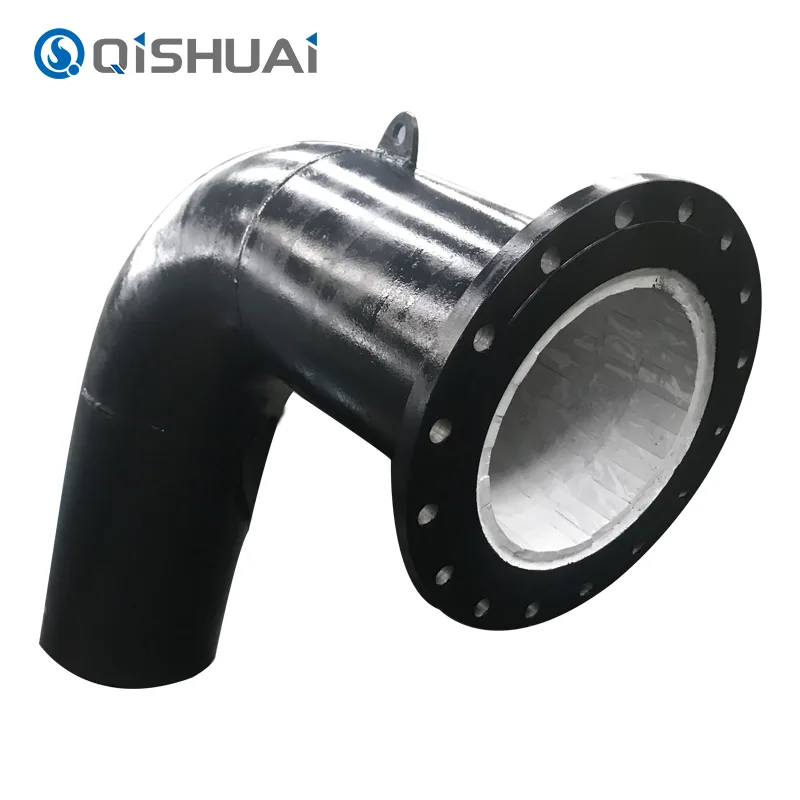
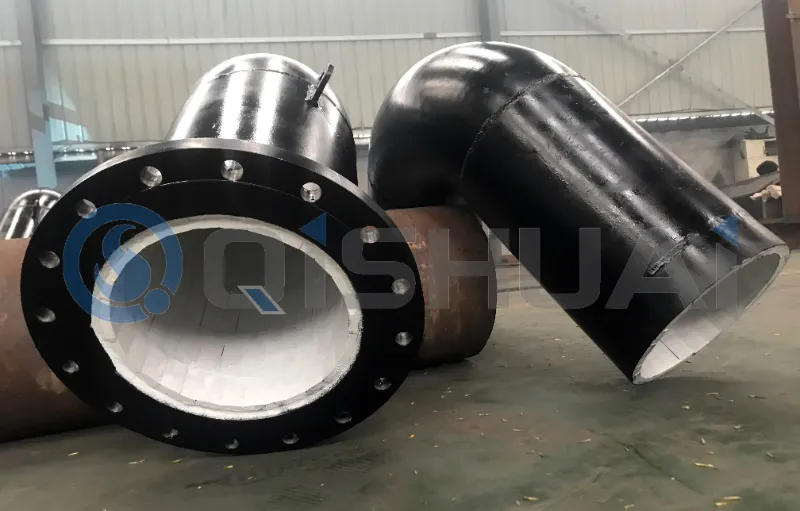
No. Many plants use Chromium Carbide Overlay in plate form for liners and in pipe/elbow form for high-velocity transport lines. The decision depends on where your wear is happening and how you maintain that asset.
Will the surface cracks mean the liner is defective?
Not necessarily. Some overlays develop a crack network due to cooling and shrinkage. What matters is whether the overlay stays bonded and the wear rate remains low. If chunks spall off or you see bond-line separation, that’s a problem worth escalating.
How do I choose overlay thickness?
Start with your current wear rate and desired service interval. If your mild steel liner loses 2 mm/month and you need a 12-month interval, your target wear layer capacity must match
that duty with a safety margin. A good supplier can help translate your wear history into a practical overlay spec.
Is Chromium Carbide Overlay better than AR plate?
“Better” depends on the wear mechanism. CCO often outperforms AR plate in severe sliding abrasion and erosion. AR plate can be a better fit where impact toughness is dominant. Many sites use both, strategically.
What information should I send a supplier to get the right recommendation?
Share: material type (ore/ash/clinker/etc.), particle size distribution, drop heights (impact), flow velocity, temperature, moisture/corrosion factors, part drawings, and your replacement interval history. The clearer the failure mode, the faster you’ll get a confident recommendation.
Conclusion
Wear problems don’t usually disappear because you “bought a harder plate.” They disappear when you match the liner to the real failure mode, specify it clearly, and install it with repeatable practices. For many abrasive-duty systems, Chromium Carbide Overlay is a practical path to fewer emergency repairs, more predictable shutdown planning, and lower life-cycle cost.
Ready to reduce unplanned wear downtime?
If you can tell us where the wear is happening and how fast it’s eating your current parts, we can help you shortlist the right Chromium Carbide Overlay solution (plate, pipe, or fabricated components) and build a spec that procurement and maintenance can both stand behind. When you’re ready, contact us and let’s turn your wear data into a predictable maintenance interval.