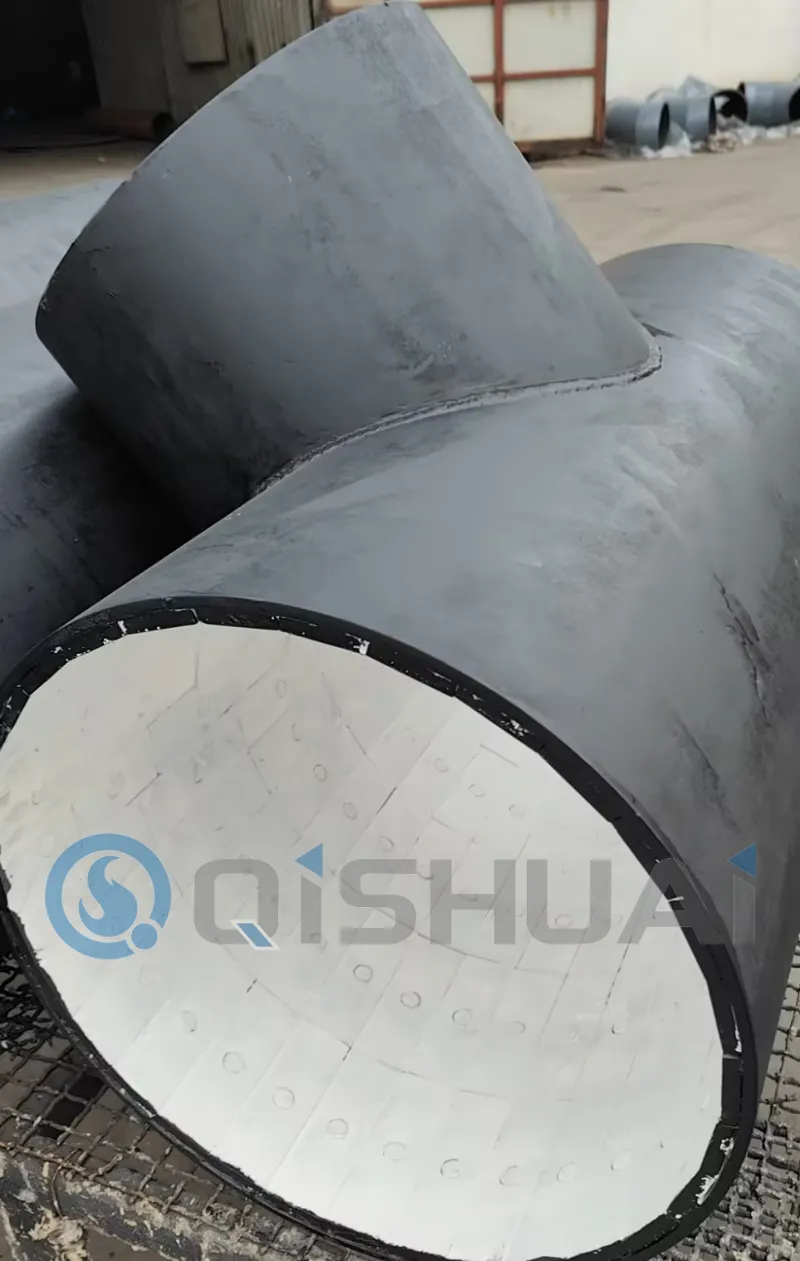
Article Summary: This comprehensive guide explores Alumina Ceramic Plates, including detailed specifications, applications, and frequently asked questions. It highlights practical insights for industries utilizing high-performance ceramics and provides guidance on selecting, installing, and maintaining these plates efficiently.
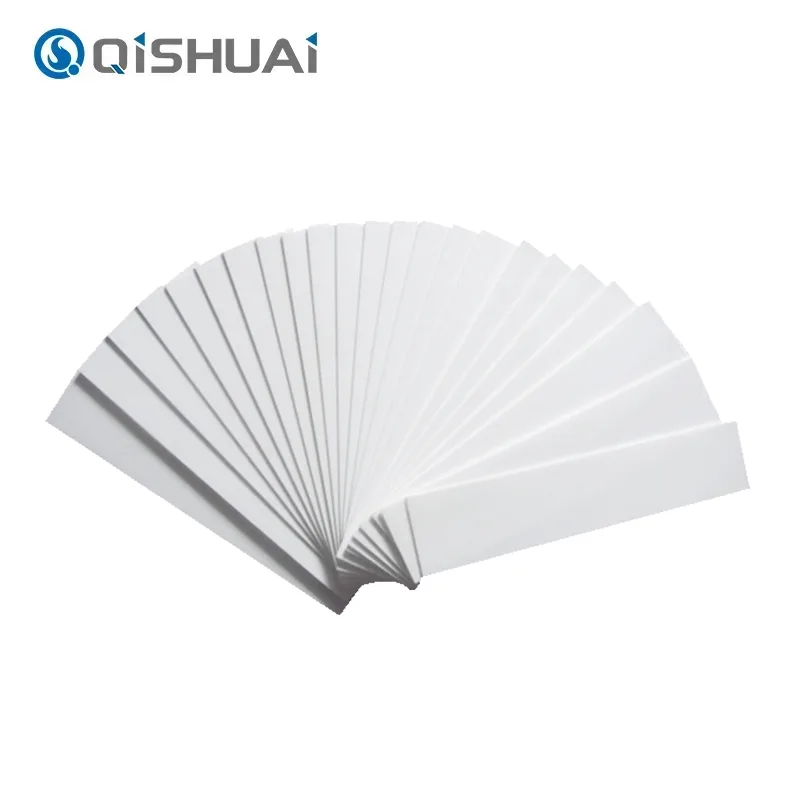
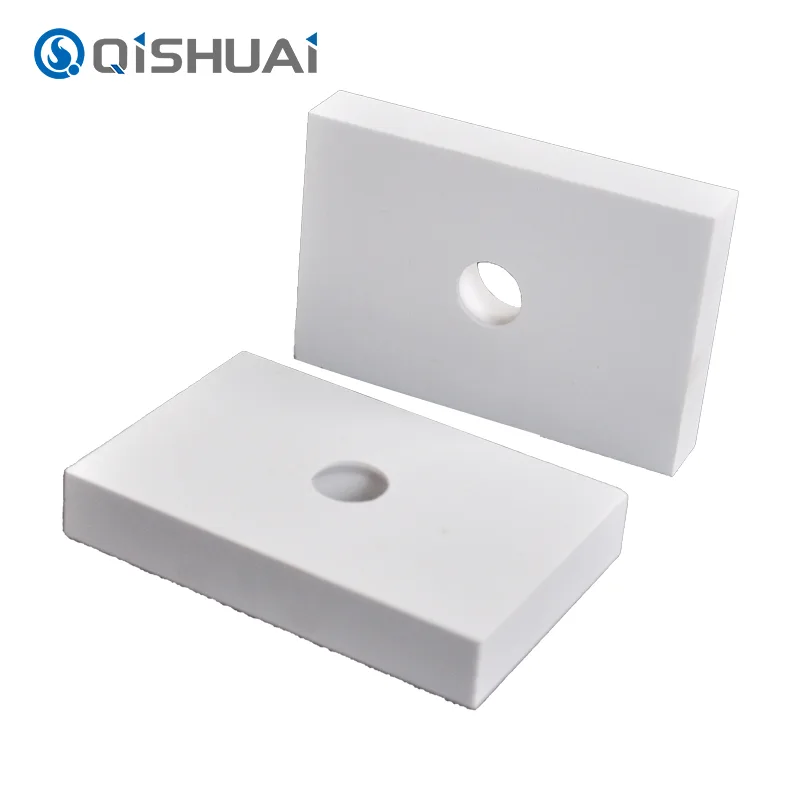
Alumina Ceramic Plates are advanced ceramic materials renowned for their exceptional hardness, high-temperature resistance, and corrosion resilience. These plates are widely utilized in industrial machinery, chemical processing equipment, and wear-resistant applications. The primary objective of this article is to provide a detailed understanding of Alumina Ceramic Plates, their specifications, applications, and solutions to common challenges encountered in their usage.
Alumina ceramics, also known as Al₂O₃ ceramics, exhibit properties that make them ideal for environments that require durability and high thermal stability. Industries adopting these materials benefit from increased longevity and reduced maintenance costs.
Alumina Ceramic Plates possess various physical and chemical characteristics critical for industrial applications. Below is a detailed summary of standard parameters:
| Parameter | Specification |
|---|---|
| Material Composition | Al₂O₃ (Alumina), ≥99% |
| Density | 3.85 – 3.95 g/cm³ |
| Flexural Strength | ≥350 MPa |
| Hardness (Mohs) | 9 |
| Thermal Conductivity | 25 – 35 W/m·K |
| Maximum Operating Temperature | 1700°C (continuous) |
| Electrical Resistivity | >10¹² Ω·cm |
| Color | White / Off-white |
The properties above highlight the high wear resistance, insulating capabilities, and chemical inertness of Alumina Ceramic Plates, making them suitable for extreme operational conditions.
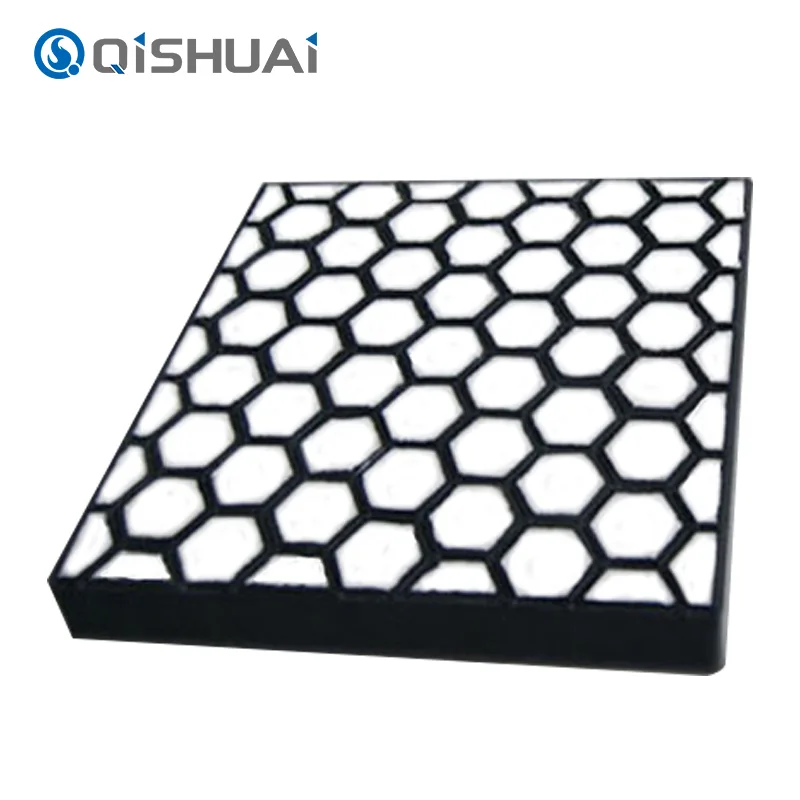
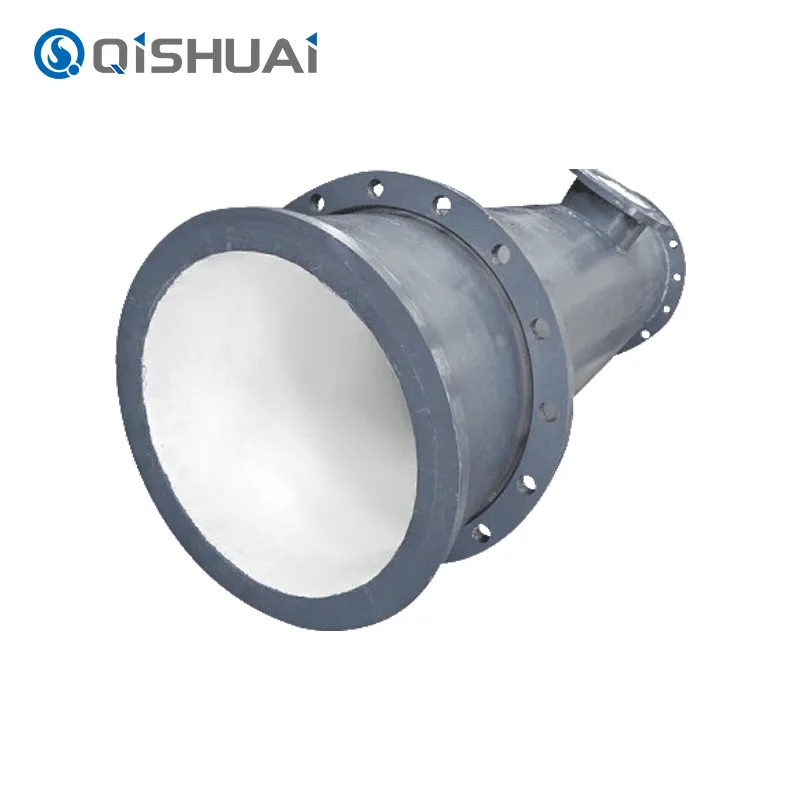
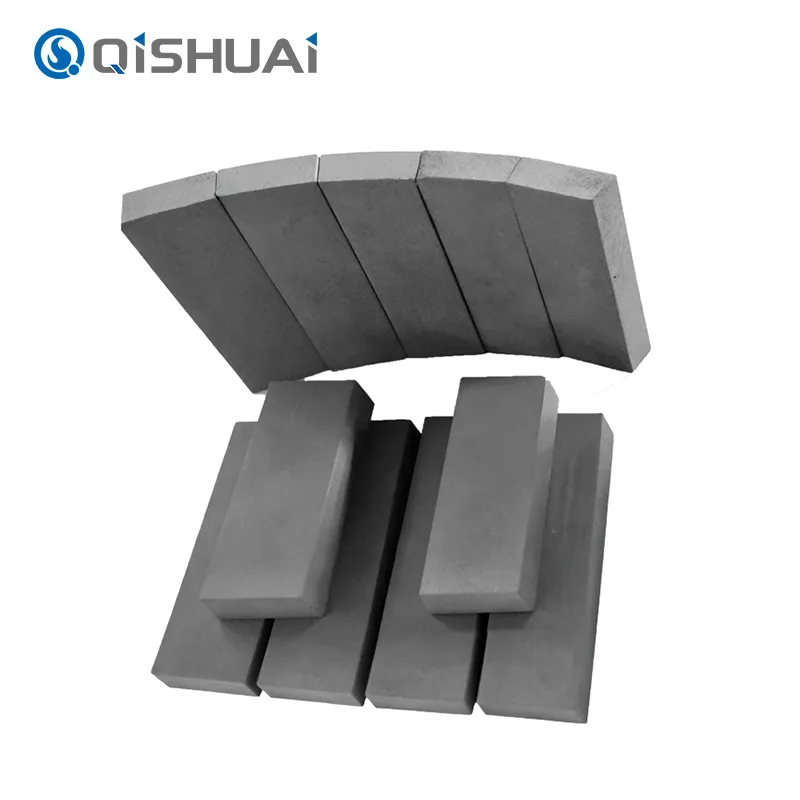
Alumina Ceramic Plates serve a pivotal role across multiple industrial sectors due to their durability and resistance to harsh conditions. Some of the notable applications include:
Proper selection of Alumina Ceramic Plates can optimize operational efficiency, reduce downtime, and minimize replacement costs.
Q1: How can the thickness of Alumina Ceramic Plates affect their performance?
A1: Thickness directly influences mechanical strength and thermal stability. Thicker plates generally offer higher resistance to mechanical stress and impact but may slightly reduce thermal shock resistance. Optimal thickness depends on the intended application and load requirements.
Q2: How are Alumina Ceramic Plates installed in industrial equipment?
A2: Installation requires precise alignment with mechanical fixtures. Plates are often mounted using bolts, clamps, or high-temperature adhesives, ensuring even pressure distribution to prevent cracks. Pre-drilled holes and custom sizing enhance fitment accuracy.
Q3: How should Alumina Ceramic Plates be maintained for longevity?
A3: Regular inspections for surface wear, chips, or fractures are essential. Cleaning with non-abrasive methods and avoiding sudden thermal shocks prolongs service life. Any damaged plates should be replaced promptly to maintain operational safety and performance.
Alumina Ceramic Plates offer unmatched durability, thermal stability, and chemical resistance, making them essential in high-demand industrial applications. By understanding specifications, proper installation techniques, and maintenance practices, industries can leverage these materials to enhance efficiency and reduce operational costs.
Qishuai specializes in high-quality Alumina Ceramic Plates, providing tailored solutions for diverse industrial needs. Their products ensure precision, reliability, and long-term performance. For more information and customized support, contact us today.