News

When Do Mining Plants Benefit Most From Using Alumina Grinding Balls?

2026-08-03 0 Leave me a message

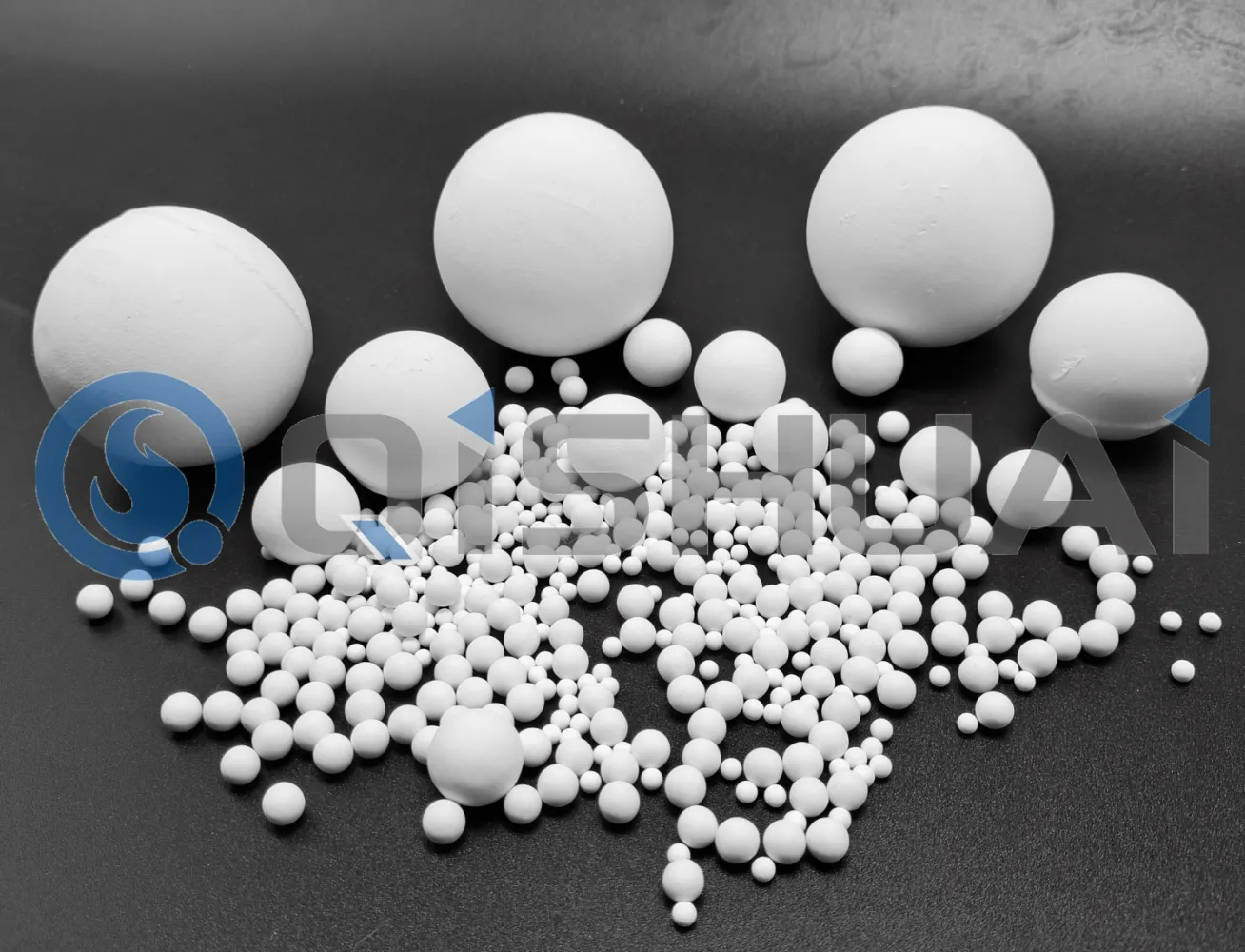
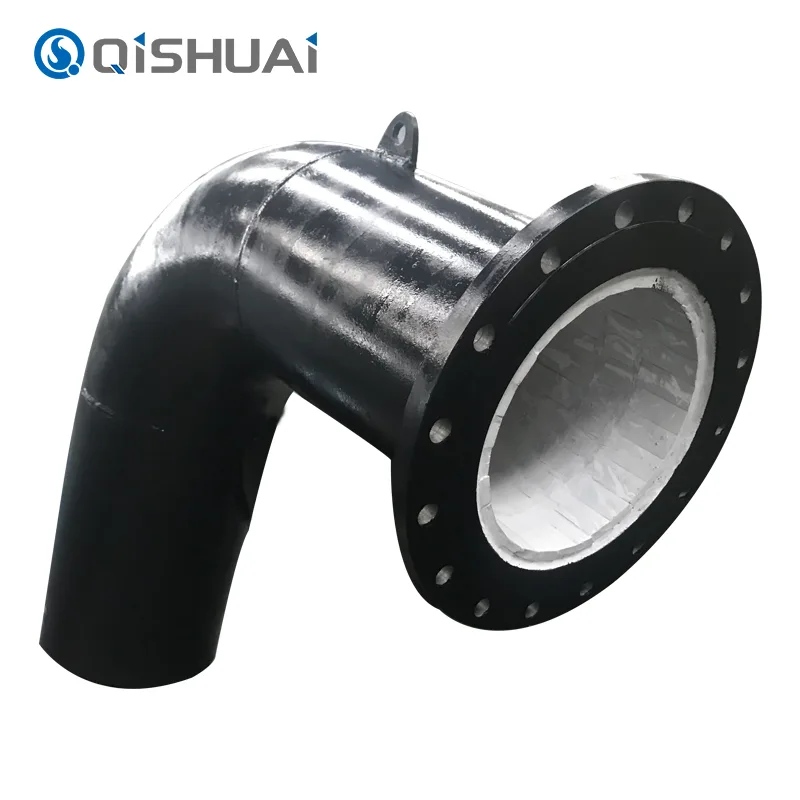
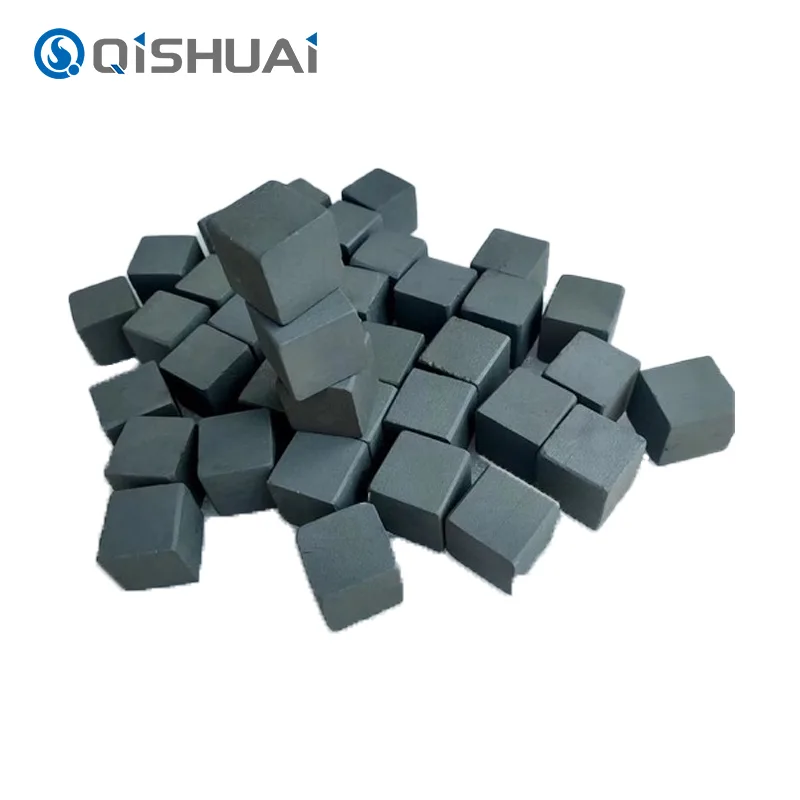
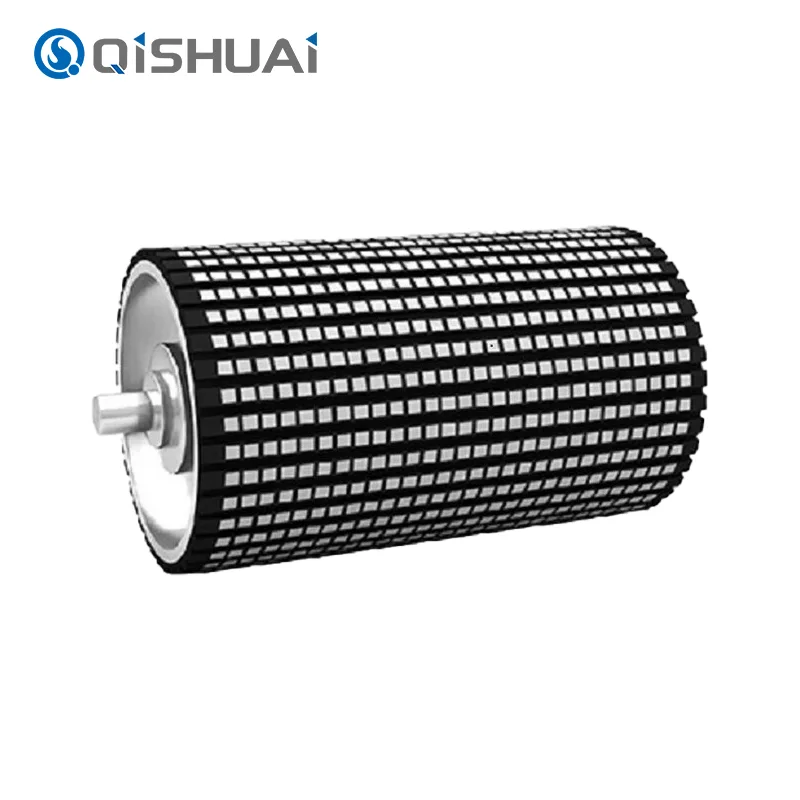
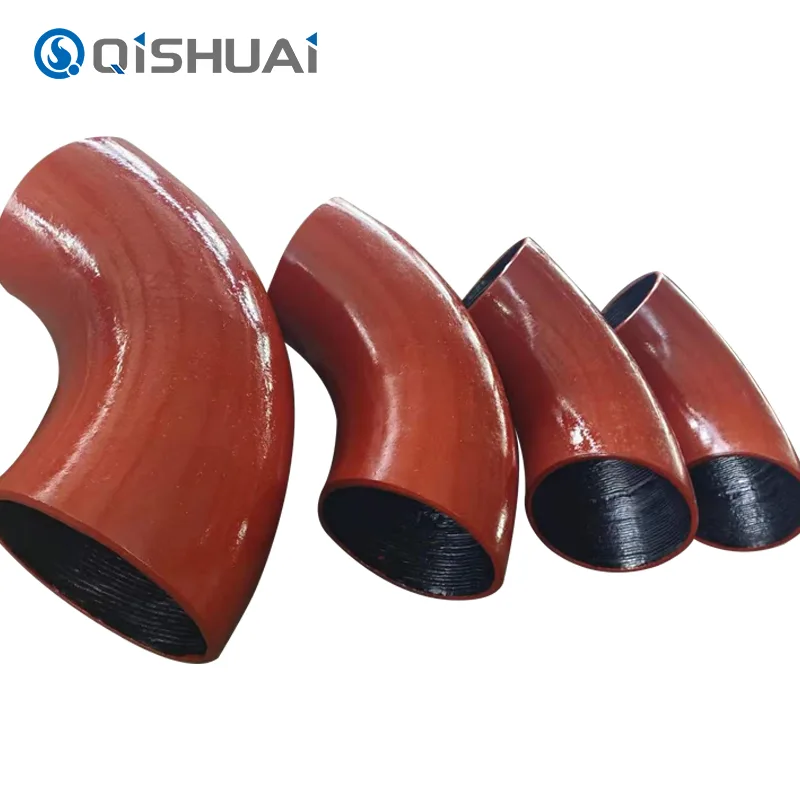
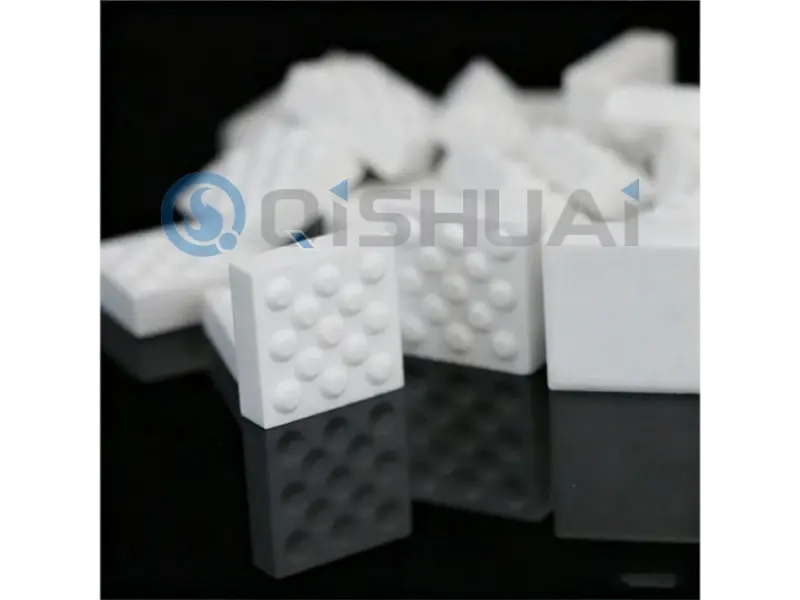
Mineral processing relies heavily on reliable grinding media to crush and refine mined ores, and alumina grinding balls have become commonplace across global mining workflows. Most gold, copper, iron and zinc mineral processing plants adopt these balls within secondary grinding and fine regrinding loops. Compared with conventional steel grinding balls, alumina grinding media boast steady physical properties, decent surface hardness and mild abrasion loss, which makes them a viable replacement option for many mineral processing factories.Shandong Qishuai Wear-resistant Equipment Co., Ltd supplies customizable alumina grinding balls for mining use. The company also delivers chromium carbide surfacing welding products, ceramic-rubber composite liners, wear-resistant composite pipes and silicon carbide ceramic fittings to cover full-spectrum industrial anti-abrasion procurement demands.

Alumina Grinding Balls

Core Practical Merits of Alumina Grinding Balls for Mining Operations

Mine operators pick alumina grinding balls mainly for practical production gains rather than single performance perks. Multiple tangible advantages help processing sites streamline daily operation and cut long-run spending.

1. Improved grinding capacity with less power draw

The dense, rigid texture of alumina grinding balls delivers consistent grinding force on ore particles. Processing lines achieve finer ore breakdown without ramping up motor power, helping mines trim monthly electricity expenditure for grinding procedures.

2. Minimal foreign impurities to lift flotation yields

Steel balls shed tiny iron fragments during long-term grinding, mixing unwanted impurities into ore slurry. Alumina material does not contaminate mineral pulp, keeping ore purity stable and supporting higher metal recycling rates during subsequent flotation steps.

3. Extended usable time cuts regular media restock expenses

These grinding balls wear down slowly under continuous wet grinding. Factory procurement teams do not need to order new grinding media as frequently as steel alternatives, lowering recurring purchasing budgets and cutting downtime needed for media replacement.

4. Great adaptability for both wet and dry grinding workflows

Whether mines run fully submerged wet grinding systems or dry milling setups for special ores, alumina grinding balls maintain intact structure and stable performance, fitting diverse on-site processing arrangements.

5. Consistent particle shape aids stable production regulation

Uniform dimensional consistency prevents erratic grinding outcomes. Plant technicians can keep grinding fineness steady with fewer adjustments, simplifying overall mineral processing parameter management day to day. 

Common Mining Scenarios That Fit Alumina Grinding Balls

Many mineral buyers confirm these grinding media match mainstream non-ferrous and ferrous ore processing lines well.

· Copper ore milling circuits: Regular primary and secondary grinding of copper-bearing rock gains stable fineness with alumina balls.

· Iron ore fine regrinding: Iron concentrate regrinding stages rely on these balls to refine ore grains without introducing iron pollutants.

· Gold ore leaching preparation: Milling before gold leaching requires clean grinding media, and alumina options avoid interfering with gold leaching reactions.

· Zinc and lead mineral concentration plants: Flotation-ready grinding of zinc-lead ores stays predictable with long-lasting alumina grinding media.

Tips for Purchasing Alumina Grinding Balls for Mining

Engineering and procurement staff should match ball hardness, diameter and bulk density with local ore hardness and mill rotation speed before placing orders. Soft ores pair with medium-density alumina balls, while tough rock needs high-density grades. Aside from grinding media, site renovation projects often source supporting wear-resistant parts from qualified manufacturers. If your facility runs frequent liner wear, pipeline abrasion or impact damage, you may consider pairing alumina grinding ball purchases with Qishuai’s other wear-resistant lines.

Final Remarks

Alumina grinding balls bring balanced efficiency, cost control and processing stability to gold, copper, iron, zinc and lead mineral grinding tasks. They resolve many persistent drawbacks of traditional steel grinding media in mineral processing. Shandong Qishuai integrates alumina grinding ball manufacturing with other wear-resistant product lines, giving mining purchasers one-stop sourcing choices for different abrasion-prone equipment parts.Every mine holds unique ore hardness, milling type and processing targets. There is no universal specification for alumina grinding balls across all mines. If your team plans to compare media options, work out proper ball sizes, ask for unit pricing or bulk purchasing terms, write down your ore type, mill model and grinding mode and send all details to our mailbox. Our technical sales crew will sort out tailored recommendations and detailed quotations according to your actual mining conditions.

Email:qishuai@zbqishuai.cn

Related News
Leave me a message
X
We use cookies to offer you a better browsing experience, analyze site traffic and personalize content. By using this site, you agree to our use of cookies. Privacy Policy
RejectAccept