News

When Should You Choose Steel Rubber Ceramic Composite Wear Plate Over Pure Ceramic or Rubber Liners?

2026-08-03 0 Leave me a message

Industrial equipment wear is rarely triggered by a single working condition factor. Most processing sites face mixed damage: some equipment areas suffer from continuous sliding and powder abrasion, while others endure repeated material impact, mechanical vibration and falling load pressure all at once. This varied on-site wear environment means single-type wear liners cannot deliver stable long-term protection for all equipment. That is why professional wear-resistant manufacturers adopt differentiated liner configurations for diverse industrial scenarios.

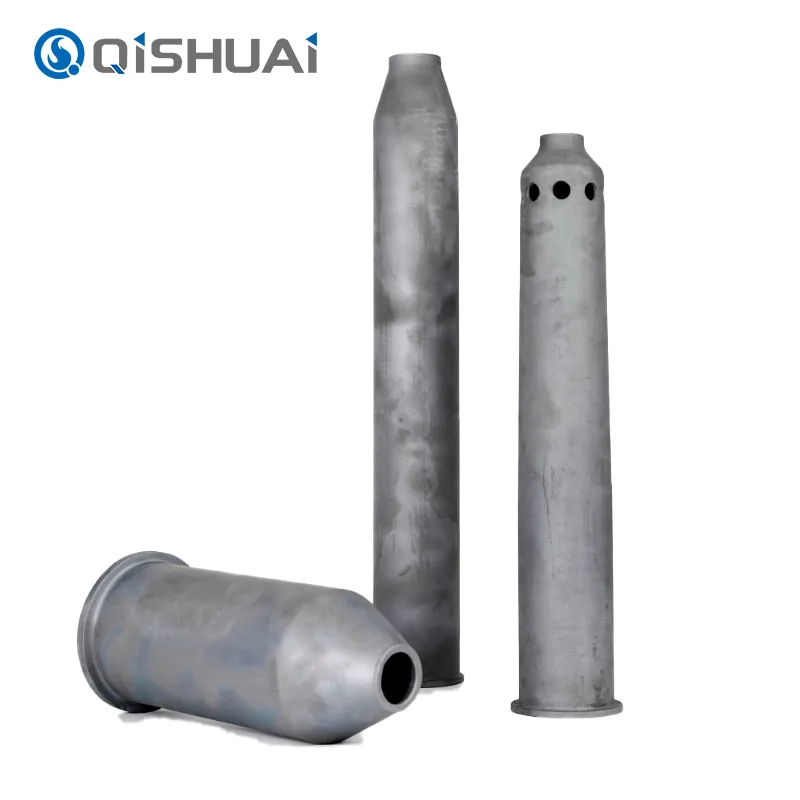
Each conventional wear liner has its own functional limitations. Pure ceramic liners focus on basic abrasion resistance, while standard rubber liners prioritize impact buffering and structural flexibility. As a mature composite solution, ceramic rubber liners integrate the respective strengths of the two materials, filling the performance gap of single-material liners. For industrial equipment plagued by both persistent abrasion and frequent impact, ceramic rubber composite liners always serve as a more practical and cost-effective option.Shandong Qishuai Wear-resistant Equipment Co., Ltd provides customized ceramic rubber liner products, and also supports one-stop procurement of Chromium Carbide Overlay series, Alumina Ceramic series, Composite Wear Pipe series and silicon Silicon Carbide Ceramic series wear-resistant products to cover all kinds of industrial anti-wear renovation demands.

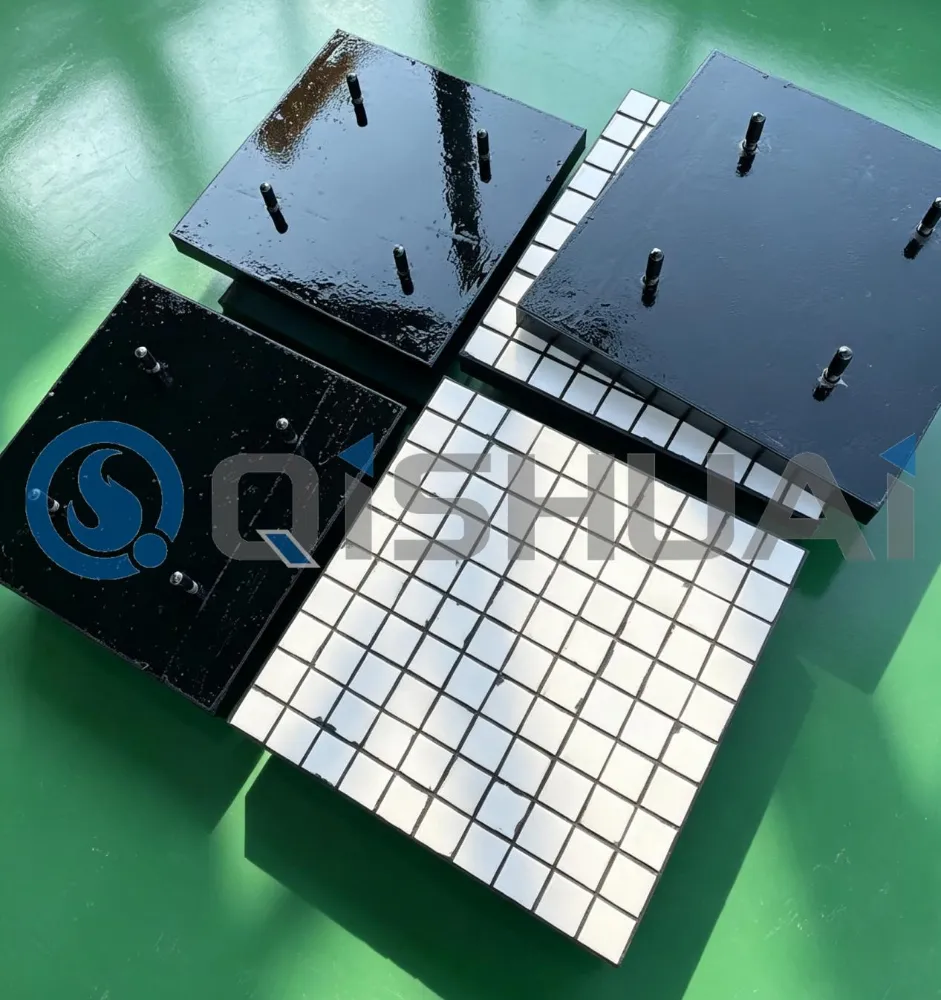
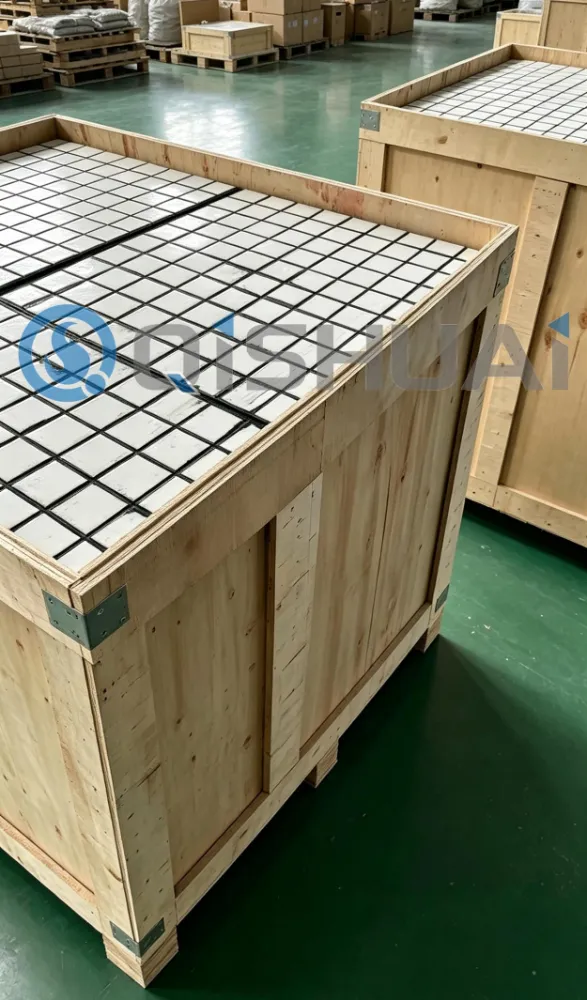
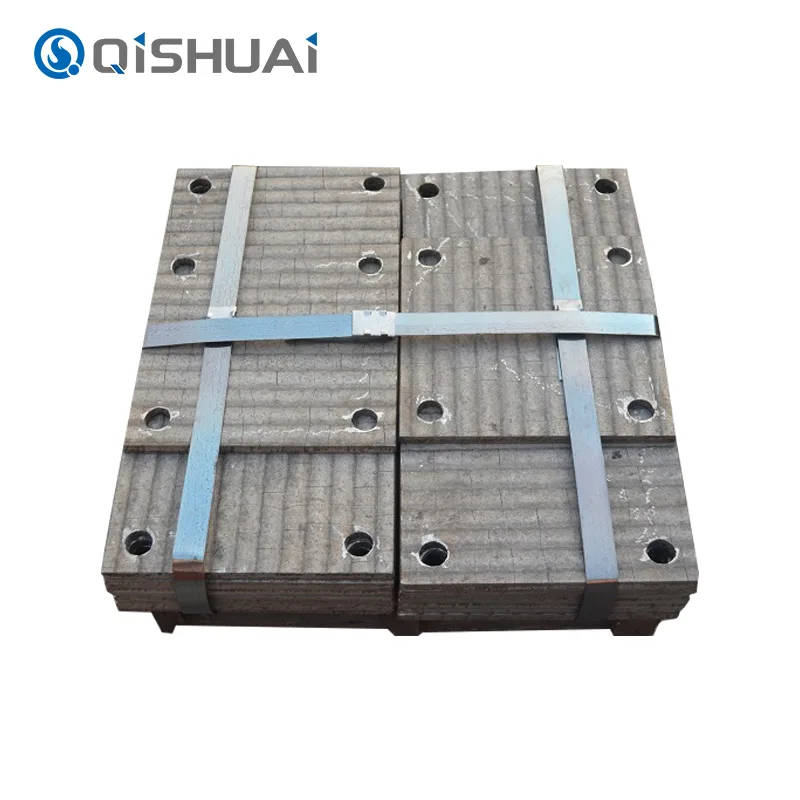
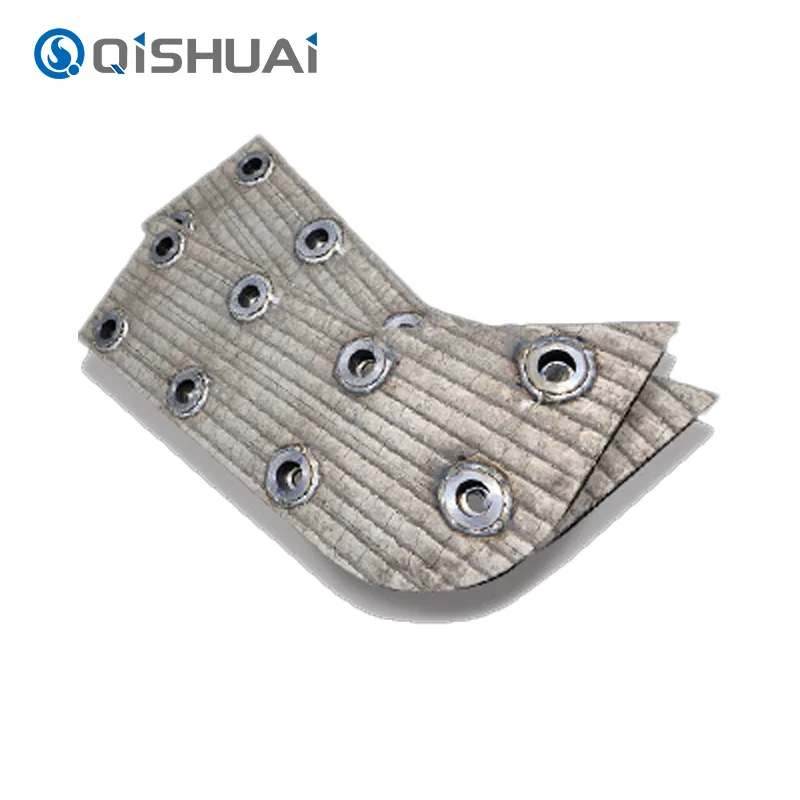
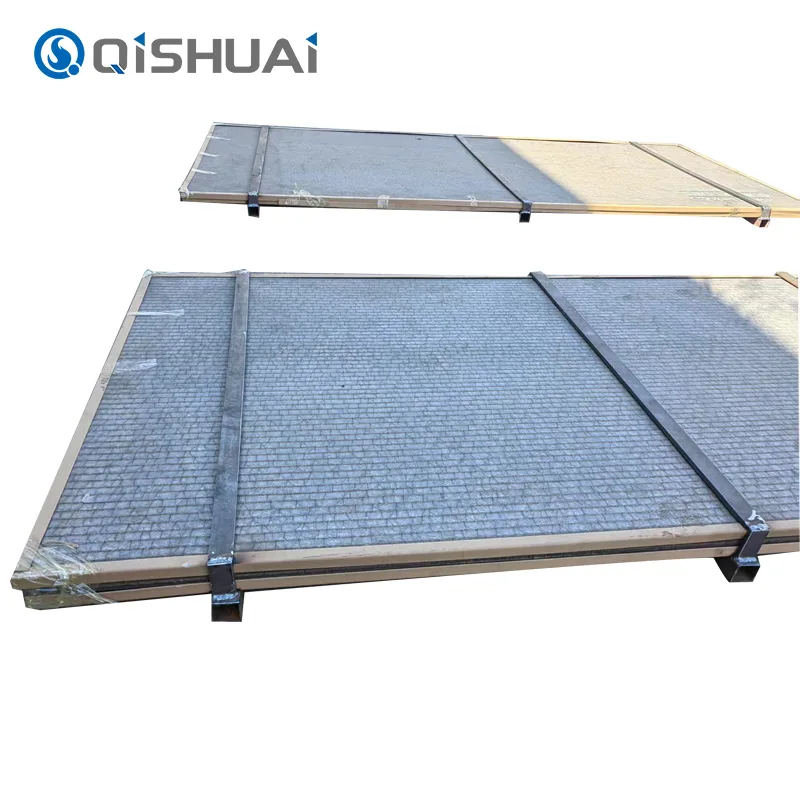
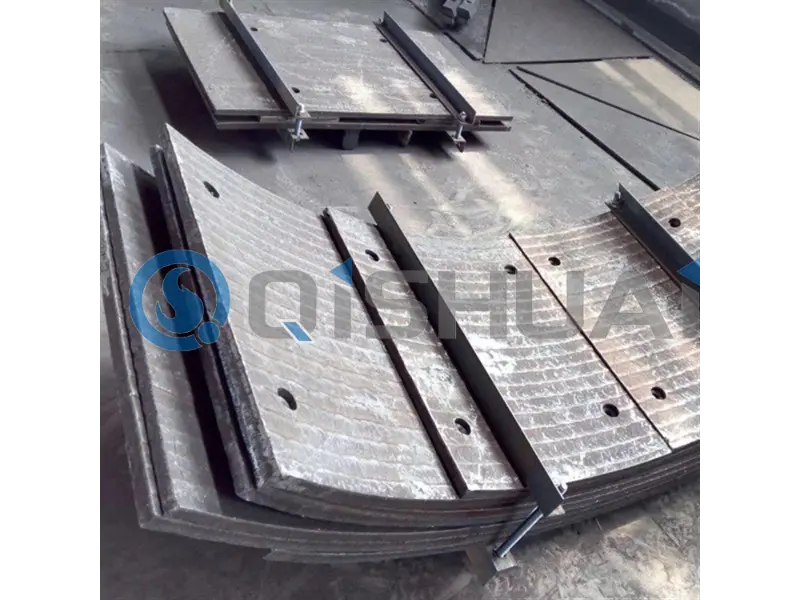
Steel Rubber Ceramic Composite Wear Plate

Key Limitations of Pure Ceramic and Pure Rubber Wear Liners

To figure out the applicable scenarios of Steel Rubber Ceramic Composite Wear Plate, it is essential to analyze the inherent defects of single-component liners in complex industrial environments.

1. Pure Ceramic Liners: Reliable Abrasion Resistance, Poor Impact Tolerance

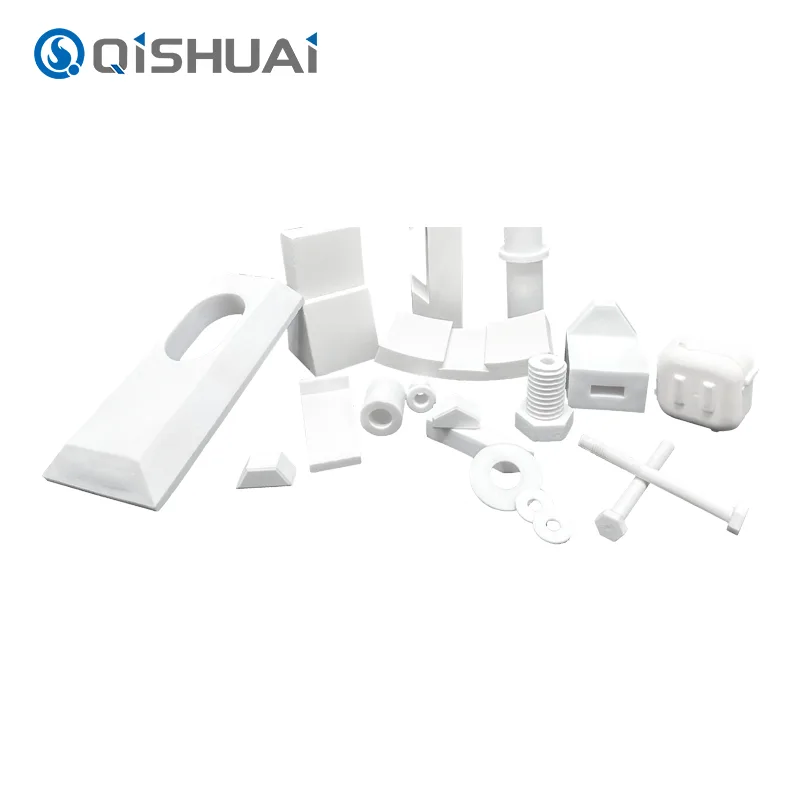
Alumina ceramic materials feature high hardness and outstanding anti-scouring performance, working steadily in scenarios dominated by sliding friction, fine powder abrasion and low-intensity particle contact. It is widely recognized as a reliable anti-wear material for stable and mild working conditions.

However, the brittleness of ceramic is an unavoidable shortcoming. When equipment bears frequent strong impact from large-particle materials, pure ceramic liners are prone to cracking, edge chipping and local structural damage caused by concentrated impact stress. In short, high hardness can resist conventional abrasion, but cannot cope with alternating impact loads in harsh working conditions.

2. Pure Rubber Liners: Excellent Impact Absorption, Insufficient Abrasion Durability

Rubber liners rely on good elastic deformation to absorb impact energy and buffer vibration pressure, which is ideal for equipment positions with frequent material falling, severe vibration and heavy impact loads. It can effectively avoid structural damage caused by rigid collision of equipment.

On the downside, rubber materials have weak resistance to hard friction and cutting. Long-term continuous contact and friction with hard ores, gravel and other materials will lead to surface cutting damage, gradual thickness reduction and accelerated aging wear. In high-abrasion working environments, pure rubber liners need frequent replacement, which increases equipment maintenance time and operating costs for enterprises.

Why Steel Rubber Ceramic Composite Wear Plates Perform Better in Mixed Wear Scenarios

The core advantage of Steel Rubber Ceramic Composite Wear Plate in their layered composite structure, which perfectly solves the dual problems of abrasion and impact. The product structure independently developed and produced by Shandong Qishuai consists of three core parts: surface alumina ceramic wear layer, middle rubber buffer layer and bottom steel plate bonding support layer. Each layer undertakes independent functional tasks and complements each other’s advantages.

The surface ceramic layer acts as the first protective barrier, effectively resisting material sliding abrasion and particle cutting wear, and maintaining long-term stable surface hardness. The middle rubber layer plays a key buffering role, absorbing most impact energy generated by material falling and collision, reducing the impact stress transmitted to the ceramic layer, and greatly lowering the cracking probability of ceramic tiles. This composite structure enables the liner to adapt perfectly to complex working conditions where abrasion and impact coexist, making up for the performance shortcomings of single ceramic and single rubber liners.

Steel Rubber Ceramic Composite Wear Plate

Typical Industrial Scenarios

1. Material Transfer Chutes

Transfer chutes are typical mixed wear equipment, bearing continuous sliding abrasion of materials, vertical impact of falling materials and dynamic friction caused by changing material flow directions. Pure ceramic liners are easy to crack in high-impact areas, while pure rubber liners wear rapidly under long-term material scouring. Many industrial purchasers choose Qishuai Steel Rubber Ceramic Composite Wear Plate to balance anti-abrasion and anti-impact performance and reduce equipment maintenance frequency.

2. Mining and Ore Handling Equipment

Mining ore is characterized by high hardness, large particle size and irregular shape. Core equipment such as ore bins, feeding chutes and discharge hoppers will suffer from dual damage of hard material abrasion and heavy falling impact during operation. Enterprises in the mining industry often select our steel rubber ceramic composite wear plate to adapt to such harsh mixed wear environments and extend equipment service life.

3. Crusher Discharge Areas

Materials discharged from crushers have high impact kinetic energy and large particle volume, accompanied by continuous high-frequency friction. Single ceramic liners are easily damaged by strong impact, and rubber liners cannot withstand long-term severe abrasion. Composite ceramic rubber liners can achieve dual protection of impact buffering and anti-abrasion, which is the preferred matching product for crusher discharge positions.

4. Conveyor Loading Points

Different from conventional sliding wear positions, conveyor loading points are mainly affected by repeated material impact. The wear degree is determined by material drop height, single material weight and long-term impact frequency. Composite liners can effectively relieve impact damage while maintaining stable anti-abrasion performance, helping enterprises reduce equipment failure rates.

5. High-Vibration Equipment Areas

Screening equipment, vibrating feeders and other material handling systems run with long-term continuous vibration. Pure ceramic liners are sensitive to vibration fatigue stress and prone to cracking and peeling. The flexible rubber layer of composite liners can effectively disperse vibration stress, avoid local stress concentration, and improve the overall stability and durability of the liner.

How to Determine If You NeedSteel Rubber Ceramic Composite Wear Plate

Procurement and engineering teams can judge the matching degree of composite liners according to actual equipment wear conditions. It is recommended to select and purchase ceramic rubber liners if your equipment has frequent material impact and severe abrasion at the same time, pure ceramic liners are frequently cracked and damaged, pure rubber liners are worn out too quickly, and frequent equipment shutdown and replacement cause high economic losses.

It is worth noting that ceramic rubber liners are professionally designed for mixed wear conditions, not simply upgraded versions of ordinary single-material liners. Accurate judgment of on-site wear mechanism is the premise of correct product selection.

Steel Rubber Ceramic Composite Wear Plate

Conclusion

In industrial production scenarios where abrasion and impact coexist, ceramic rubber composite liners show irreplaceable application advantages. Pure ceramic liners have stable abrasion resistance but weak impact resistance, while pure rubber liners excel in impact buffering but have insufficient anti-abrasion ability. Only composite structures can integrate the hardness of ceramic and the flexibility of rubber to cope with complex and changeable industrial wear environments.

As a professional manufacturer of wear-resistant equipment, Shandong Qishuai Wear-resistant Equipment Co., Ltd focuses on solving various industrial equipment wear problems. While providing high-performance Steel Rubber Ceramic Composite Wear Plate, we supply diversified wear-resistant products including Chromium Carbide Overlay, Composite Wear Pipes, alumina ceramic and silicon carbide ceramic to meet differentiated procurement needs of different industries.

Reasonable selection of wear liners can effectively extend equipment operation cycle and reduce enterprise operation and maintenance costs. If you encounter equipment wear troubles or need professional product selection, scheme customization and quotation services, please feel free to send your on-site working condition parameters and equipment information to our official email.qishuai@zbqishuai.cn Our professional technical team will provide you with targeted and reliable anti-wear solutions in a timely manner.

Related News
Leave me a message
X
We use cookies to offer you a better browsing experience, analyze site traffic and personalize content. By using this site, you agree to our use of cookies. Privacy Policy
RejectAccept