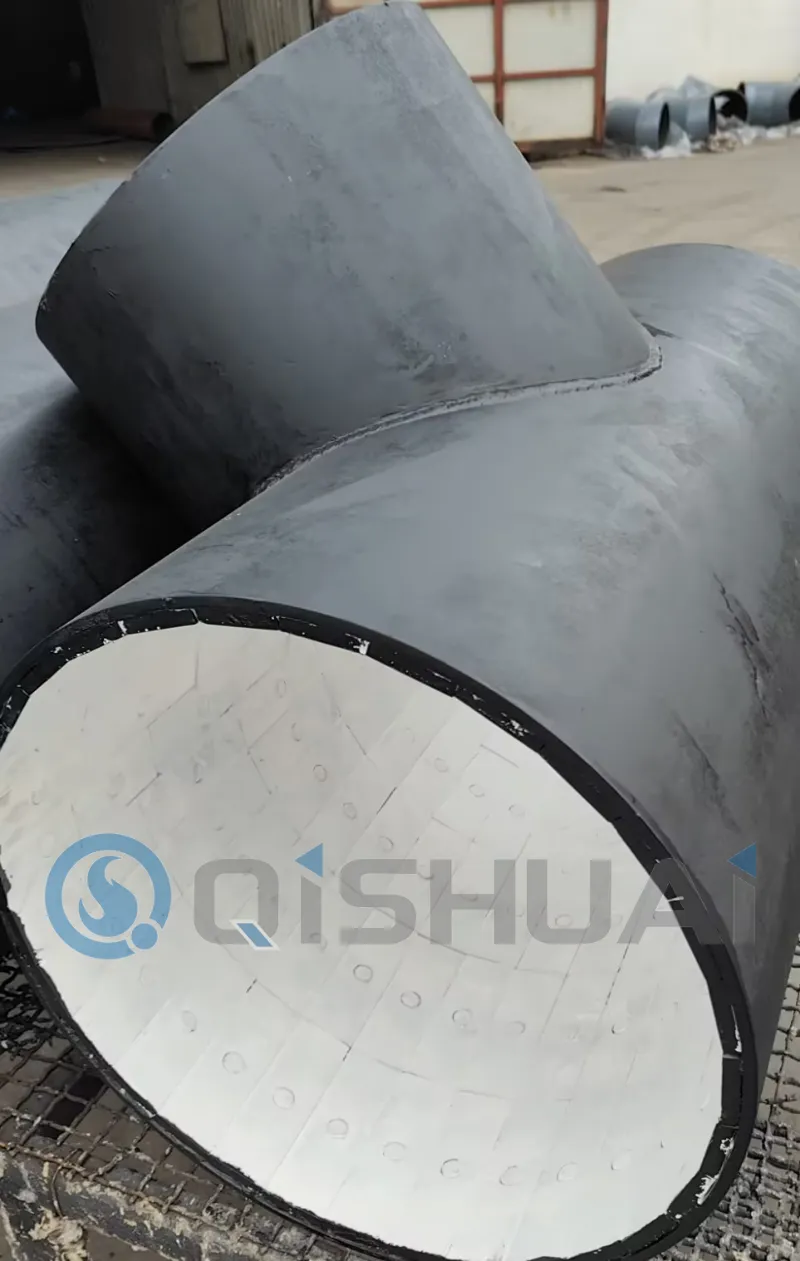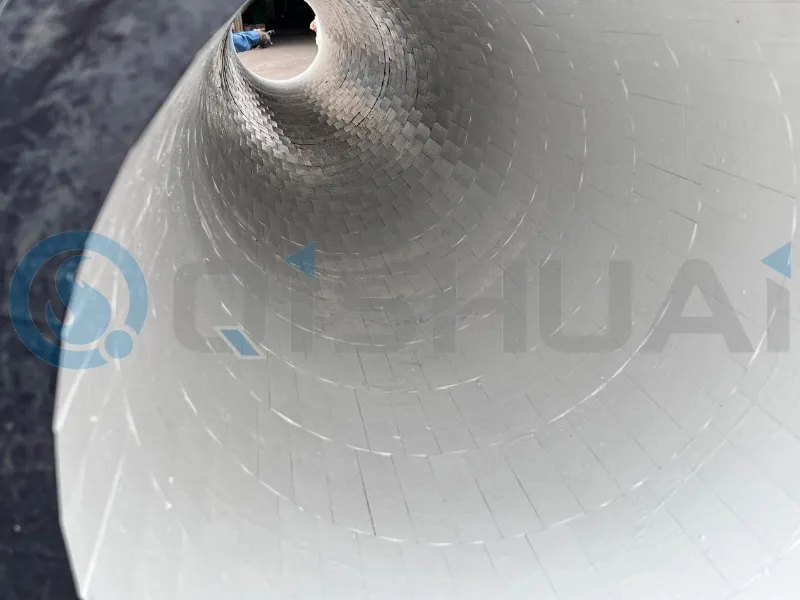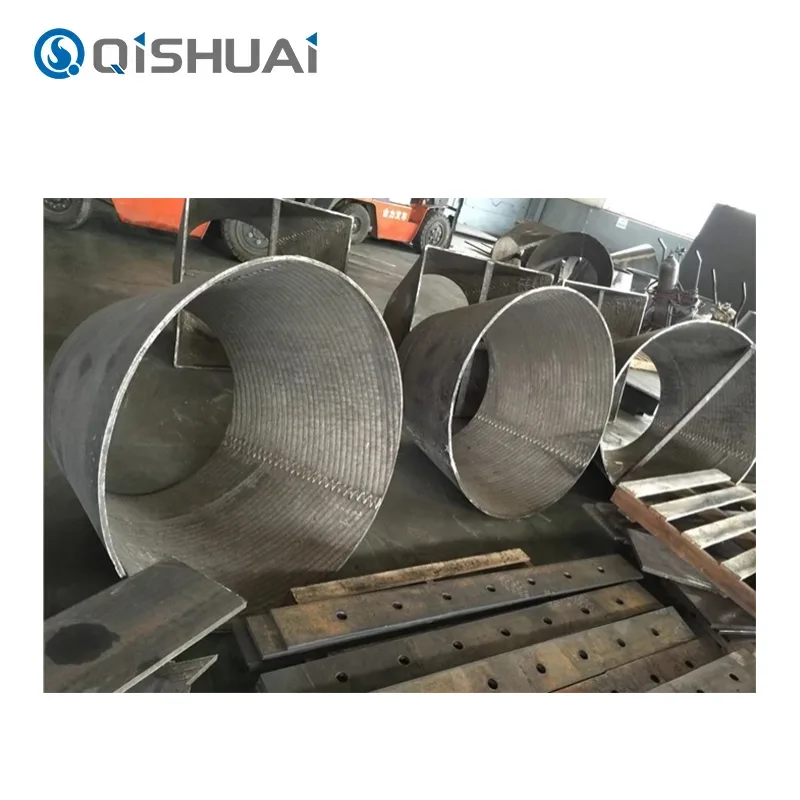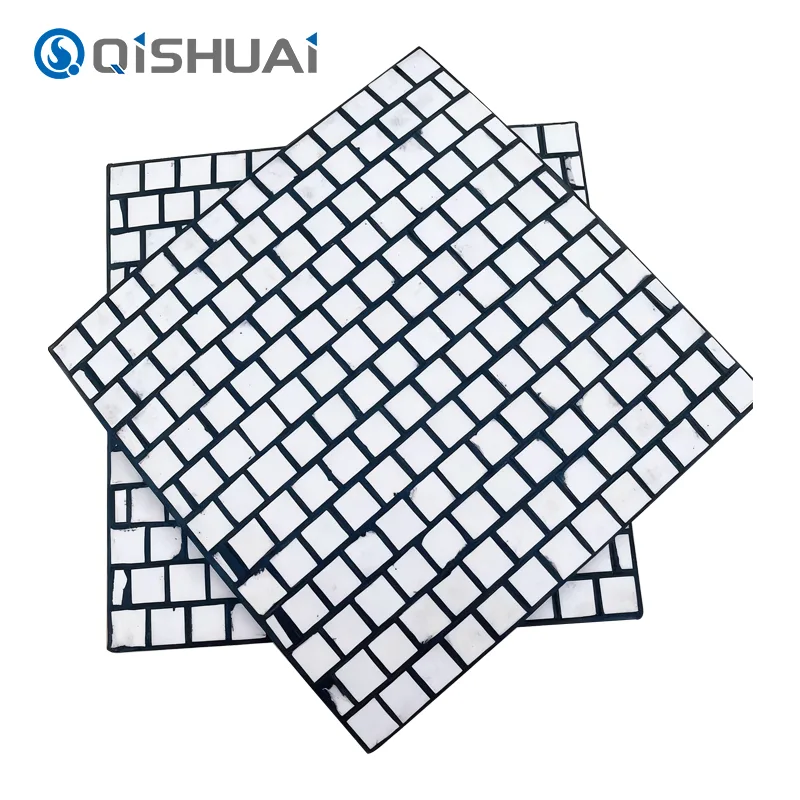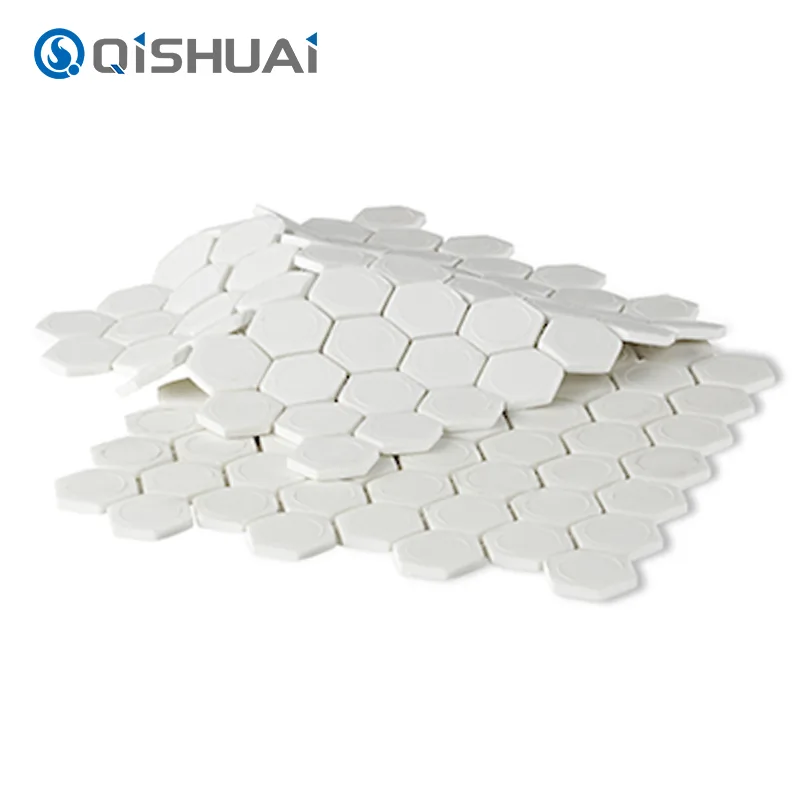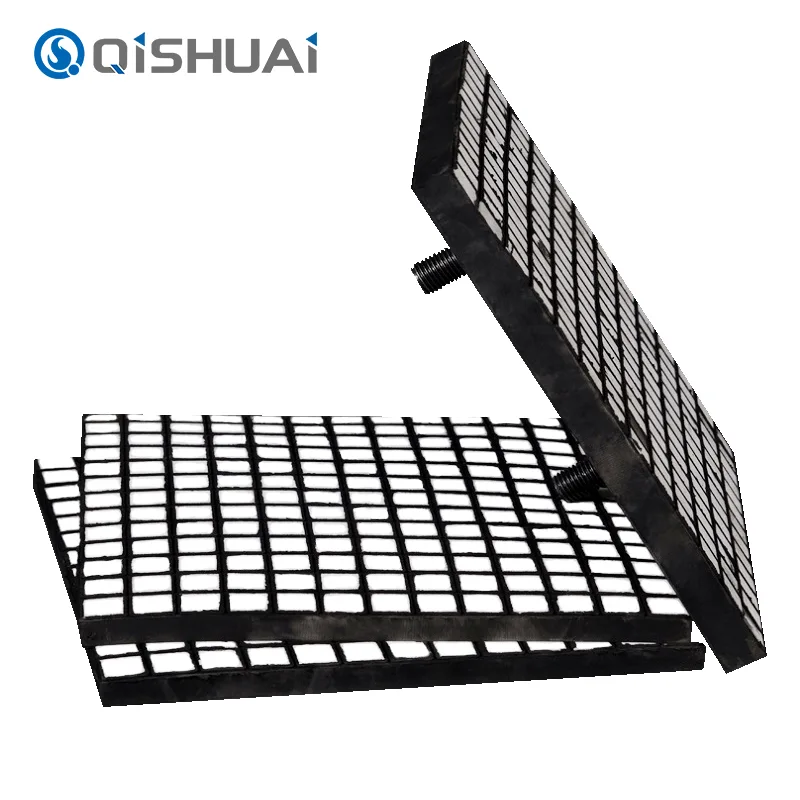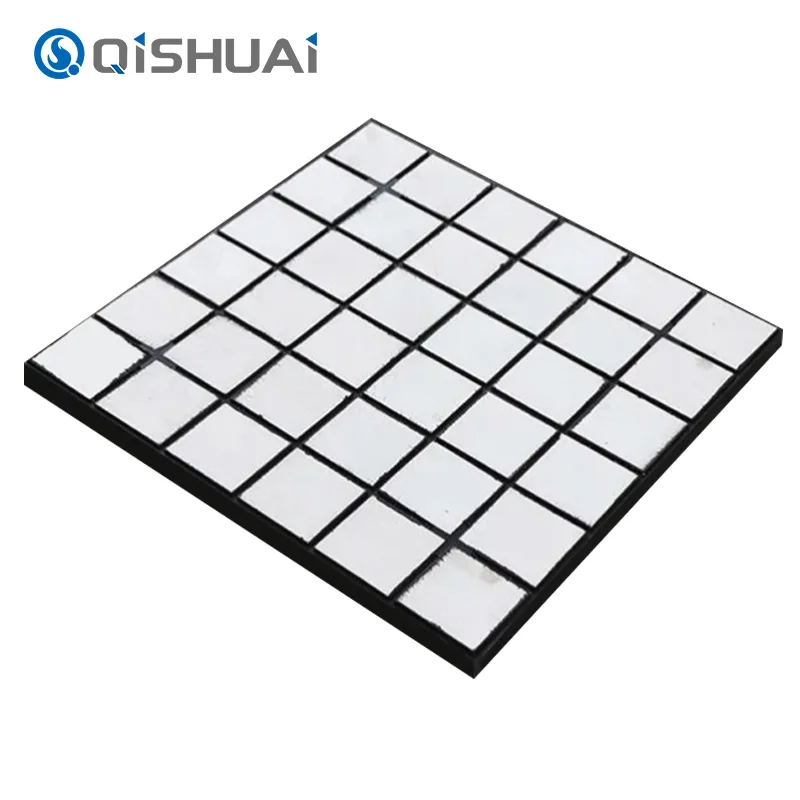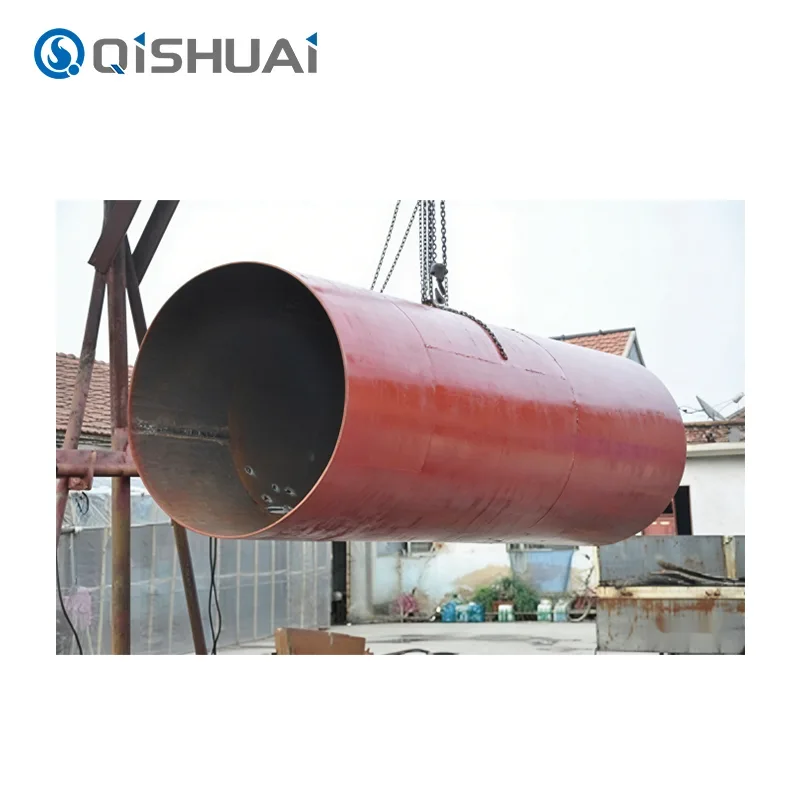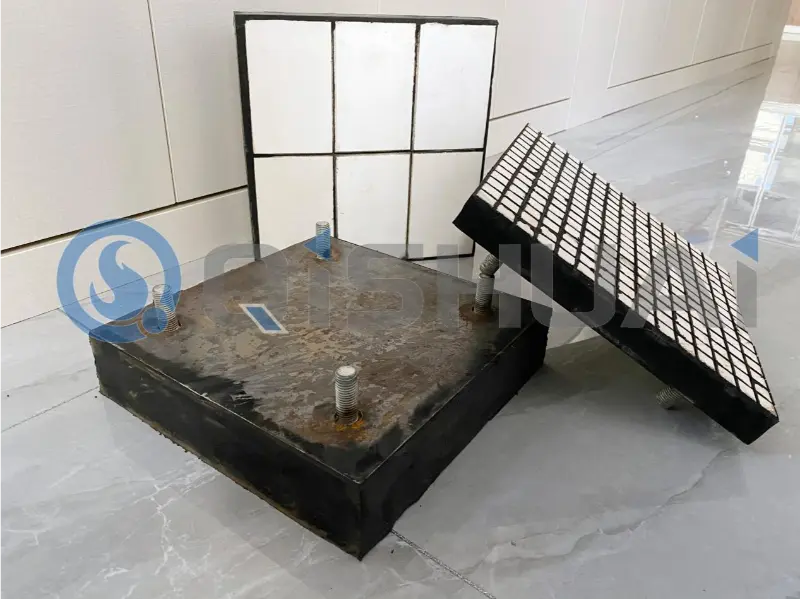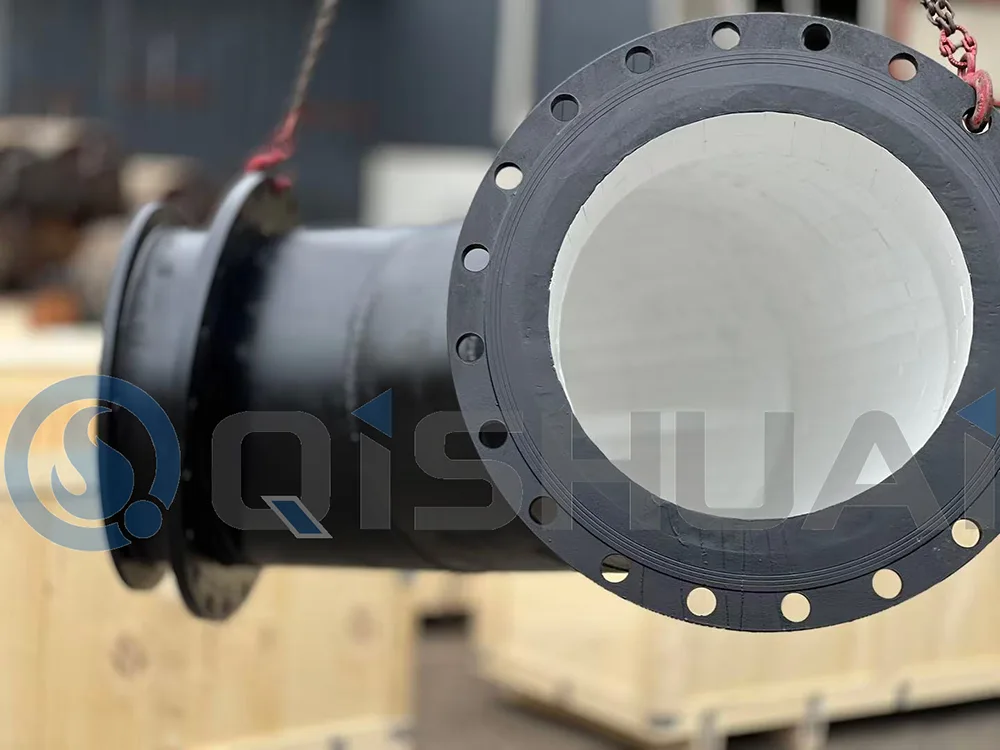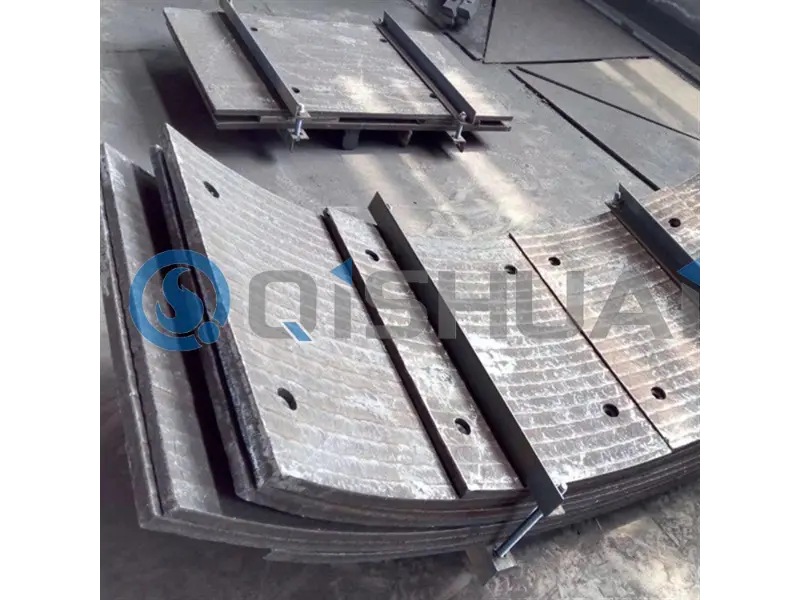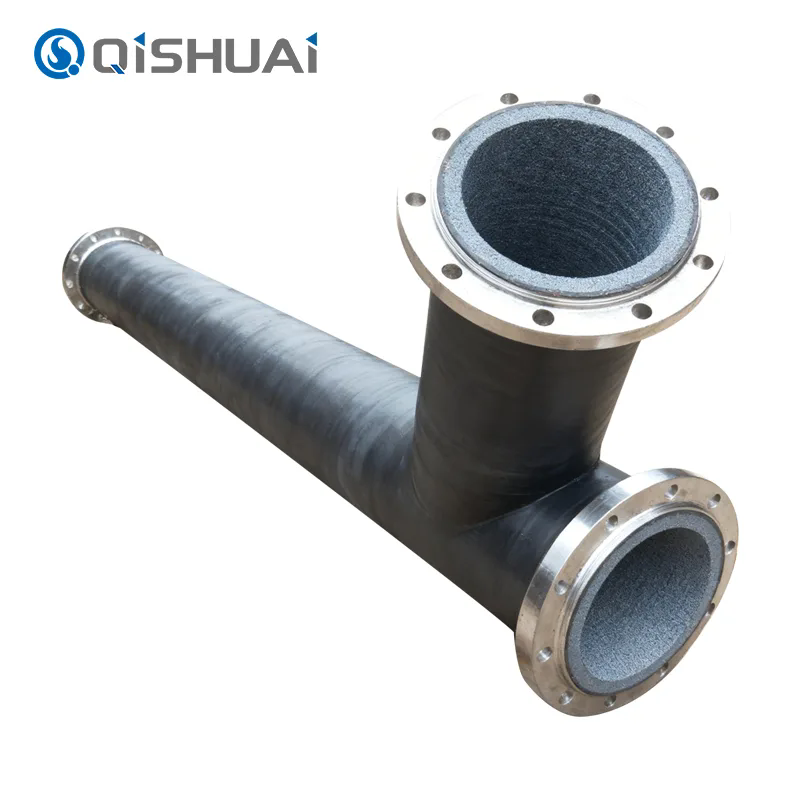
Alumina Ceramic Lined Pipes are core components across mining, cement, steel, thermal power, lithium battery raw material processing, and bulk pneumatic conveying industries, valued for outstanding abrasion resistance and stable long-term performance. Shandong Qishuai Wear-resistant Equipment Co., Ltd. provides a full range of wear-resistant piping solutions, including Ceramic Rubber Composite Plates series, Alumina Ceramic series, Chromium Carbide Overlay series, and silicon carbide ceramic series, to match diverse working conditions.
Compared with ordinary carbon steel pipes, high-quality alumina ceramic lined piping greatly reduces erosion caused by abrasive bulk materials and high-speed particle flow. Even premium wear-resistant pipes will gradually reach their service limits after years of continuous operation. Many plant managers delay pipe replacement until severe leaks or sudden breakdowns occur, which can trigger unplanned production shutdowns, raw material spillage, auxiliary equipment damage, rising routine maintenance costs, and persistent operational safety risks. Recognizing early warning signs of pipe degradation allows facility teams to arrange planned maintenance and avoid costly unplanned downtime.
Alumina ceramic liners deliver extreme surface hardness and anti-wear properties, yet no lining material can withstand harsh industrial conditions indefinitely. Long-term cumulative stress stems from constant abrasive particle scouring, high-velocity material transport, repeated material impact, internal pressure swings, and cyclic temperature changes, which slowly compromise the integrity of the internal ceramic lining structure.
The actual service life varies widely based on key operational variables: raw material hardness, particle size, conveying velocity, overall pipe layout, elbow quantity, working temperature, and initial installation quality. While ceramic lining wears far slower than standard steel, degradation accelerates once the protective layer becomes compromised.
The first visible warning sign is uneven and severe ceramic lining thinning, which is most pronounced at pipe elbows, reducers, direct impact zones, and high-flow straight sections. Once the ceramic layer becomes too thin, the underlying steel substrate begins to erode rapidly. Site maintenance teams should arrange pipe replacement before full liner penetration occurs.
Full wear-through of the ceramic lining directly exposes the steel pipe substrate to abrasive materials. Bare steel erodes at a drastically faster rate than ceramic, leading to localized wall thinning, hidden structural weakness, and growing leak risk. Once base steel exposure appears, the service life of the pipe is already compromised, and timely renewal is essential.
Damage is not only caused by gradual abrasive wear. Ceramic tiles may develop cracks, edge chipping, or full separation from the pipe wall, often due to heavy material impact, persistent vibration, thermal stress, aging adhesives, or improper earlier installation. Loose ceramic segments disrupt flow patterns, create turbulence, and speed up surrounding liner damage, which can spread quickly without timely intervention.
Powder leakage, slurry seepage, compressed air loss in pneumatic lines, and visible through-holes are clear urgent replacement signals. Temporary patching can only sustain short-term operation, as the overall pipe structural integrity is already compromised. Full pipe replacement ensures stable long-term production operation.
Routine ultrasonic thickness testing helps monitor pipe wall condition, even without obvious external leaks. For high-pressure pipelines, critical process lines and continuous pneumatic conveying systems, wall thickness falling below the specified safe standard means elevated failure risk, requiring proactive pipe renewal.
Elbows are usually the first sections needing replacement, as repeated particle directional impact creates concentrated erosion zones. Many production sites implement targeted elbow replacement cycles, separate from the main straight pipe network. Reinforced wear-resistant elbows from our product line can extend the overall piping system service cycle.
Wear rates can shift from steady to rapid once the primary ceramic protection fails. Minor cracks and small liner gaps alter flow dynamics, generate turbulence, and speed up localized degradation, meaning a previously reliable pipe can fail quickly in its late service stage. Regular inspections via visual checks, endoscope surveys, ultrasonic thickness scanning and thermal monitoring help discover hidden liner damage early.
Changing production parameters can also shorten pipe lifespan. Increased flow speed, coarser particles, higher throughput, more abrasive media, or elevated process temperatures can render the original pipe specification unsuitable. In these scenarios, upgrading to a tailored wear-resistant pipe solution will improve system stability. Frequent repeated patch repairs also become uneconomical over time, with ongoing downtime and labour costs outweighing the cost of a full pipe upgrade. A structured inspection and maintenance schedule creates better overall value than emergency repairs. Correct installation and bonding processes also directly impact long-term service life, avoiding premature liner separation caused by poor bonding, uneven lining placement or flawed welding.
Alumina Alumina Ceramic Lined Pipes require planned replacement when persistent wear, liner cracking, tile detachment, excessive wall thinning or leakage disrupts process reliability and site safety. Focus inspections on elbows and high-impact zones, and track wall thickness regularly to avoid unexpected system failure.
Shandong Qishuai Wear-resistant Equipment Co., Ltd. supplies customised wear-resistant piping products including Ceramic Rubber Composite Plates series, Alumina Ceramic series, Chromium Carbide Overlay series, and silicon carbide ceramic series for special harsh environments. If you need to check pipe replacement cycles, request technical specifications, or place bulk orders, please email our team for detailed solutions and quotations.
Preventive, scheduled pipe replacement aligned with real site wear data remains the most stable and cost-effective long-term management strategy for industrial wear-resistant piping systems
Email:qishuai@zbqishuai.cn
-