News

Can SIC ceramic rubber liners Improve FGD Tower Service Life for Coal-Fired Power Plants?

2026-11-05 0 Leave me a message

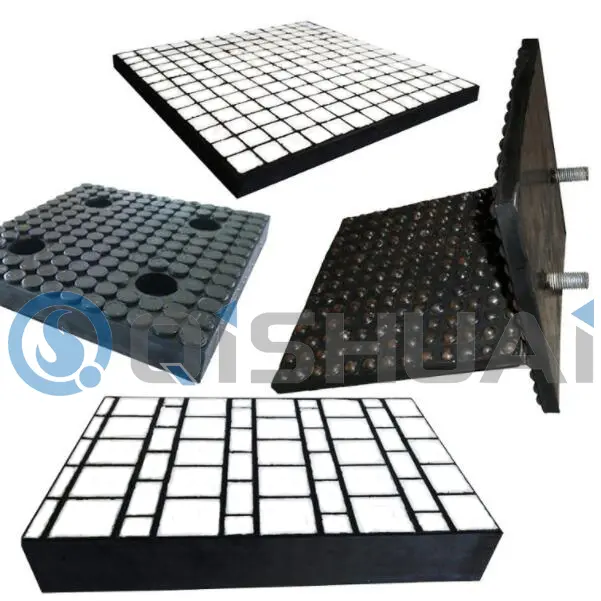
Shandong Qishuai WearResistant Equipment Co., Ltd. often supports power plant retrofits, where SIC ceramic rubber liners are specified to handle the combined erosion, acid corrosion and continuous slurry impact inside wet flue gas desulfurization towers. Many asset managers struggle with short-life conventional liners that degrade quickly under mixed chemical and mechanical loads, triggering unplanned shutdowns for tower maintenance.

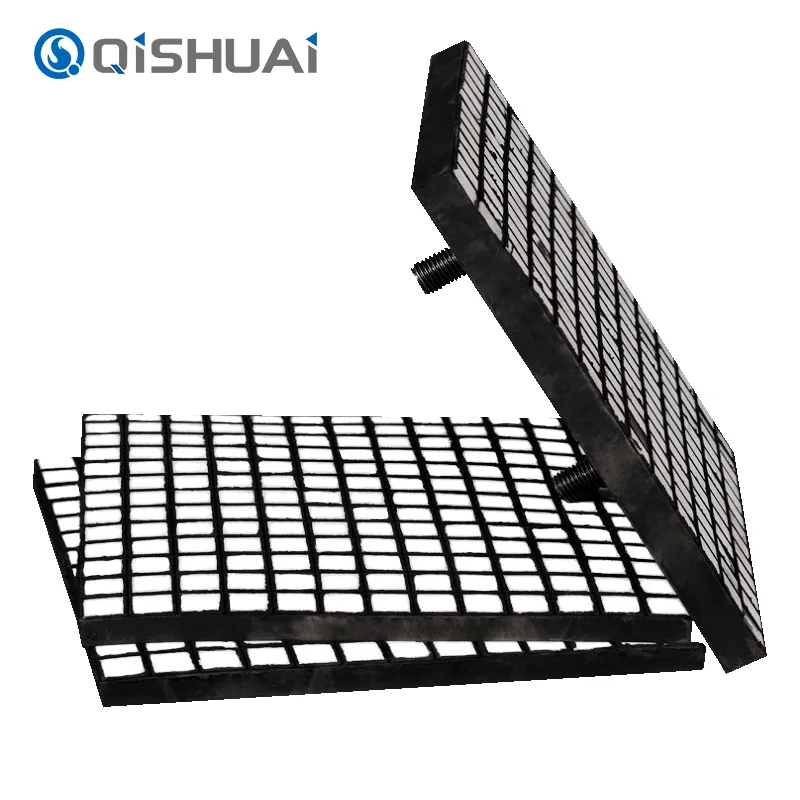
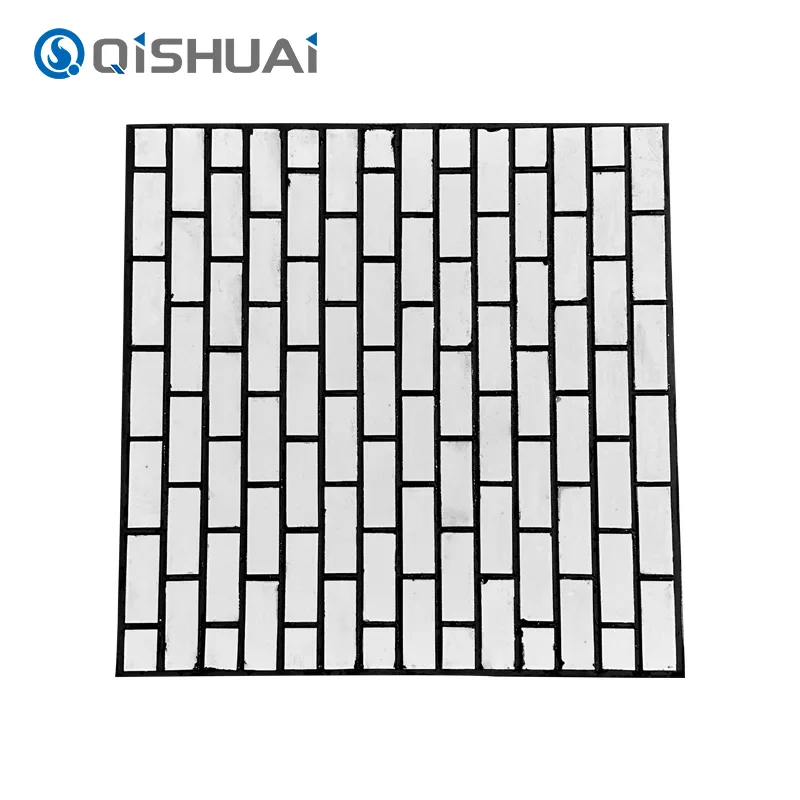
Wetmode FGD towers run under tough multistress conditions. Circulating limestone gypsum slurry carries sharp solid particles, while dissolved acidic compounds attack inner surfaces. Ordinary lining materials tend to wear, blister or peel over time. When properly installed, SIC ceramic rubber liners deliver balanced protection by merging silicon carbide’s hard ceramic layer with shock-absorbing rubber backing. Below are its core working benefits for FGD tower environments:

• Abrasion resistance against circulating slurry High-speed circulating slurry filled with limestone and gypsum particles continuously scours tower walls. The silicon carbide surface of SIC ceramic rubber liners stands up to particle erosion, slowing material loss on inner steel substrates. This reduces frequent local thinning caused by long-term slurry flushing.

• Acid and chemical corrosion resistance Sulfur-containing flue gas dissolves within circulating slurry and creates acidic working conditions. Silicon carbide maintains stable chemical performance under acid exposure, helping block corrosive media from reaching the base steel structure and lowering risks of leakage or structural degradation.

• Impact buffering and vibration damping Slurry surges and system vibration are common during variable load operation. The rubber layer within the composite liner absorbs instantaneous impact energy from flowing slurry. It also dampens equipment vibration, easing mechanical stress that would otherwise crack brittle ceramino lining.

• Thermal stability under fluctuating tower temperatures FGD towers go through regular temperature swings during startup, shutdown and load adjustment. SIC ceramic rubber liners keep stable physical properties across varying temperatures, avoiding premature aging or deformation that troubles many ordinary rubber-only linings.

• Reduced scaling and simpler routine upkeep Its smooth composite surface cuts particle adhesion from gypsum and limestone residues. Less scaling builds up on inner walls, which preserves gasliquid contact efficiency and makes periodic tower cleaning less labor-intensive.

• Extended maintenance intervals for the whole FGD unit When wall corrosion and abrasive wear get controlled effectively, plant teams do not need frequent shutdowns for lining repair. Longer run cycles help power stations stabilize overall desulfurization performance and bring down total operating expenditure.

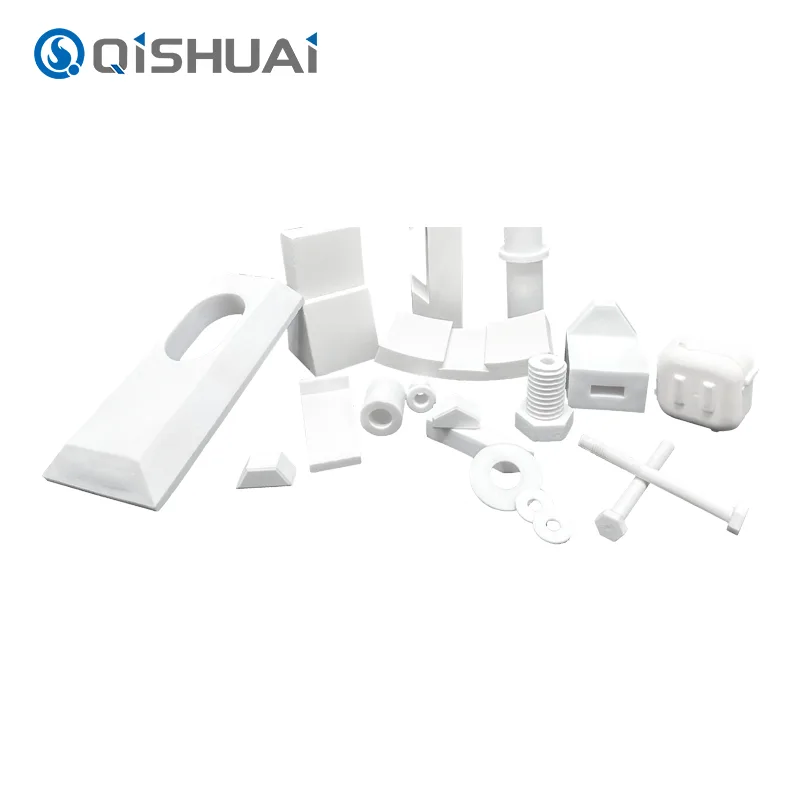
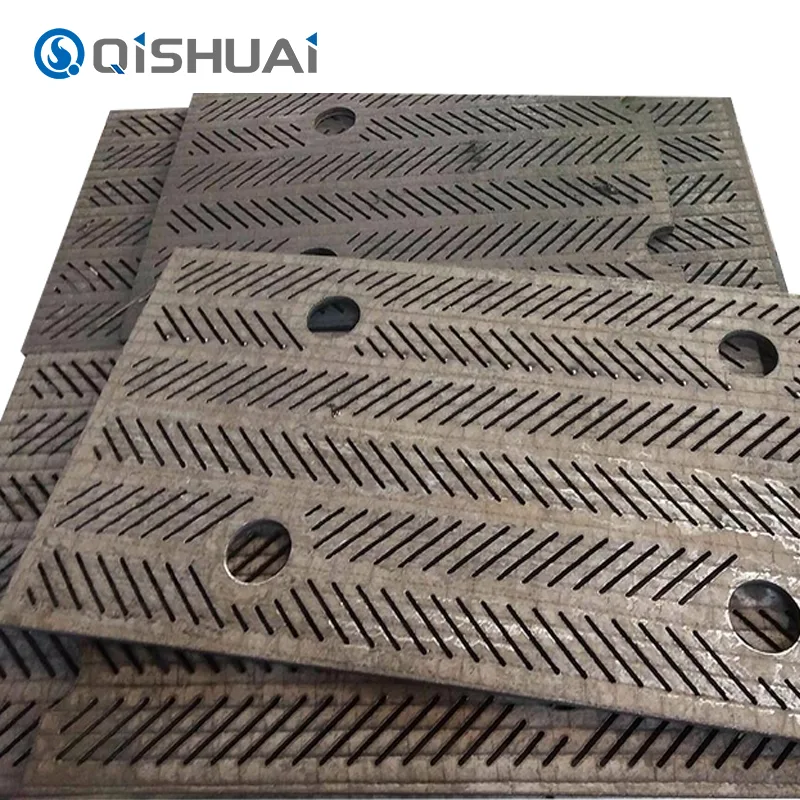
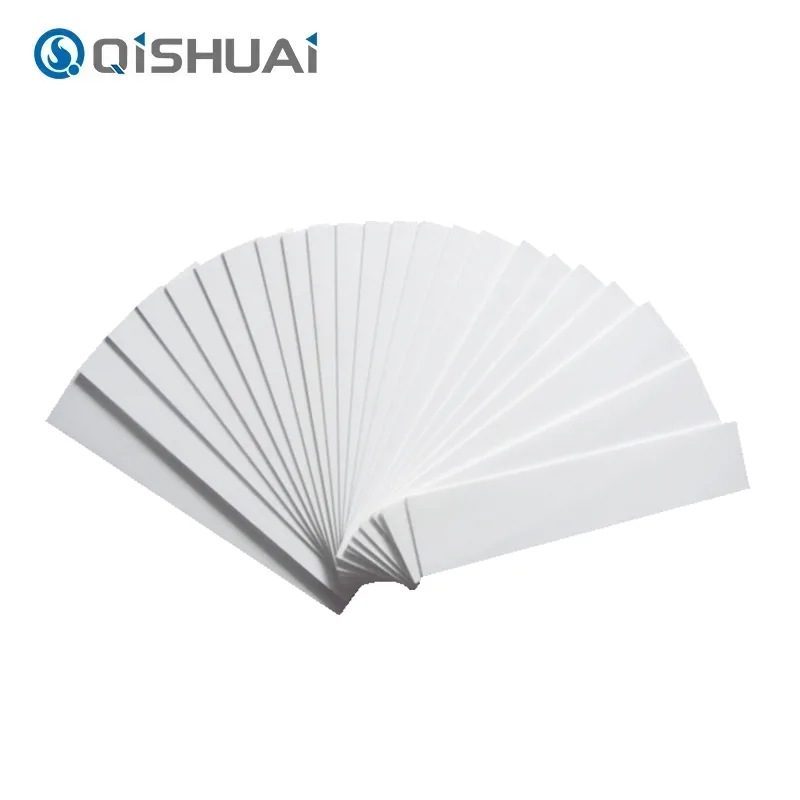
Beyond SIC ceramic rubber liners, our product portfolio also provides chromiumcarbide overlay cladding series, Silicon Carbide Ceramic series, Composite Wear Pipe series and alumina ceramic series to solve varied wear/corrosion challenges across powerplant flue gases and handling systems.

No single lining material fits every FGD tower zone. Site conditions including slurry composition, operating temperature, impact intensity and local flow velocity should be reviewed before you source wear-resistant liners.

If you want to evaluate lining retrofits, check lead time or collect project-specific quotations for your desulfurization equipment, send your tower operating parameters and site notes by email. Our engineering team can work out a targeted lining suggestion for your powerplant project.

Email:qishuai@zbqishuai.cn

Related News
Leave me a message
X
We use cookies to offer you a better browsing experience, analyze site traffic and personalize content. By using this site, you agree to our use of cookies. Privacy Policy
RejectAccept