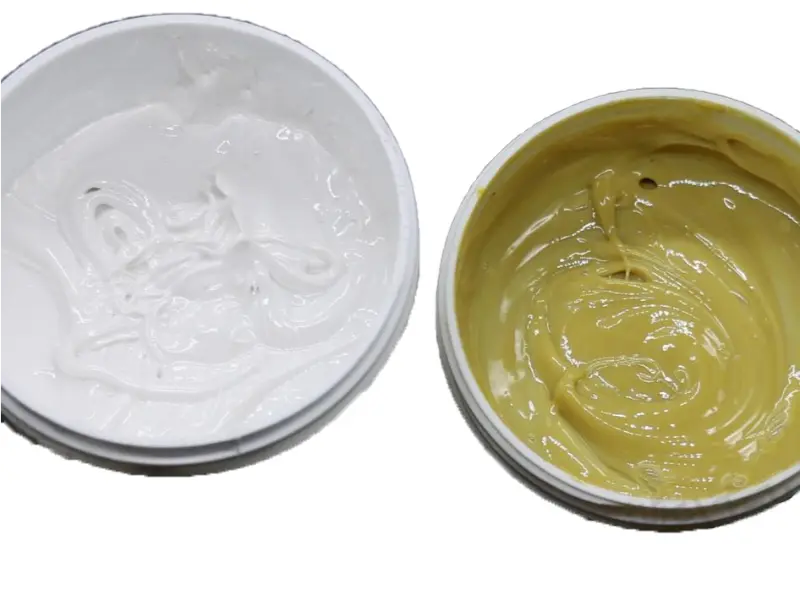
Shandong Qishuai has highlighted the growing preference for Alumina Ceramic Wear Liner in industrial applications, particularly when comparing its hardness and durability with traditional manganese steel solutions. This comparison is critical for industries facing high abrasion and corrosion challenges.
In industrial operations such as mining, steel production, and cement manufacturing, the material lining of equipment plays a decisive role in operational efficiency and maintenance costs. Hardness, a key performance indicator, determines a material's ability to resist wear and impact over time. Two widely discussed options in the industry are manganese steel and alumina-based ceramics, particularly Alumina Ceramic Liner.
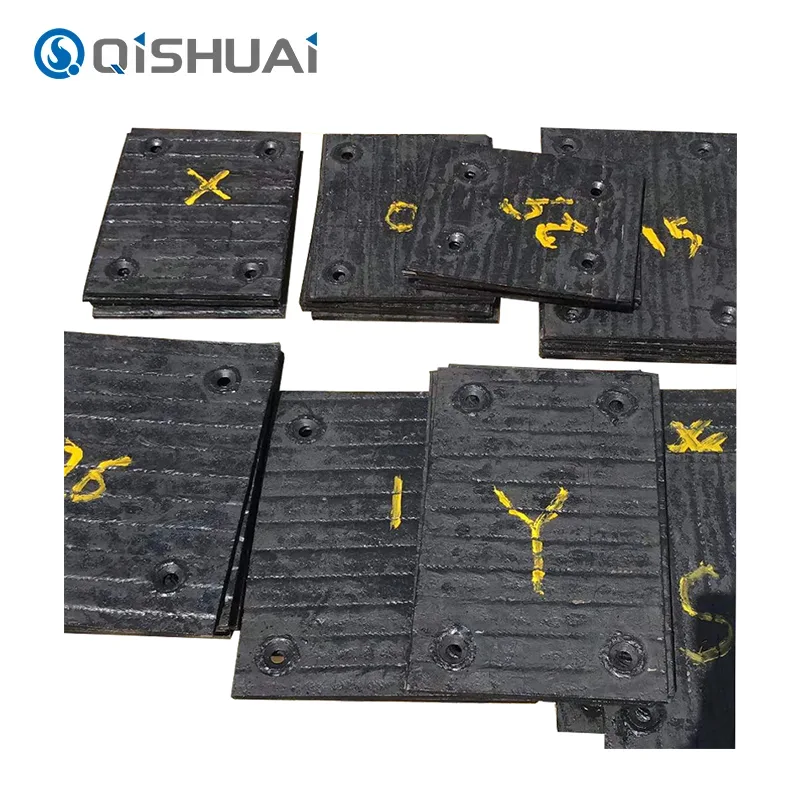
Manganese steel, also called Hadfield steel, is known for its high toughness and work-hardening capability. Its hardness increases with impact and wear, which makes it suitable for heavy-duty applications such as ore crushers, hoppers, and chutes. However, manganese steel does have limitations:
- It requires high initial impact to reach peak hardness.
- Prolonged exposure to highly abrasive materials can lead to gradual material deformation.
- Its corrosion resistance is limited, which may be problematic in chemical or thermal processing environments.
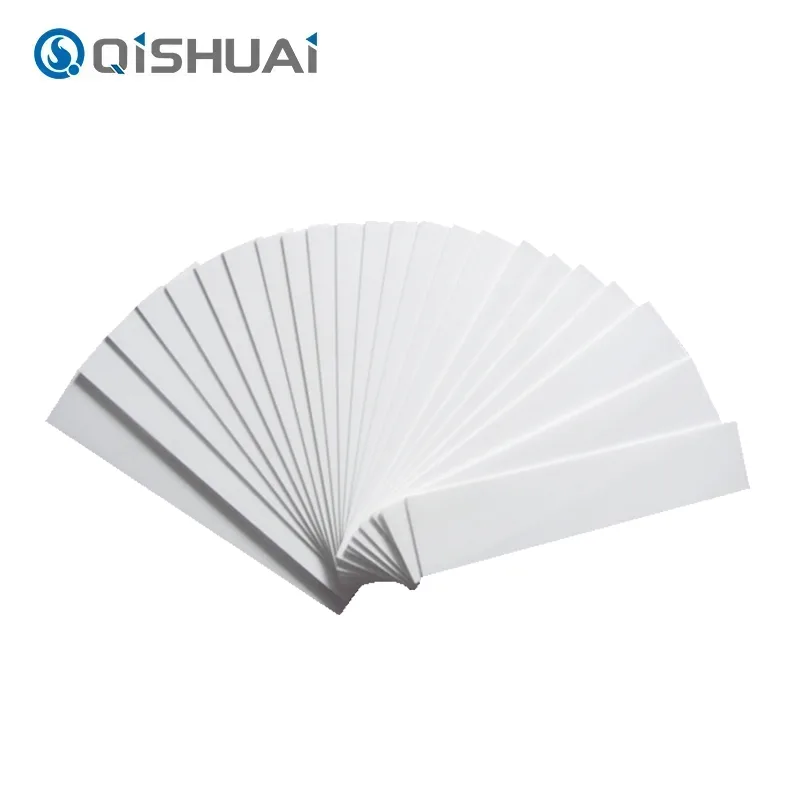
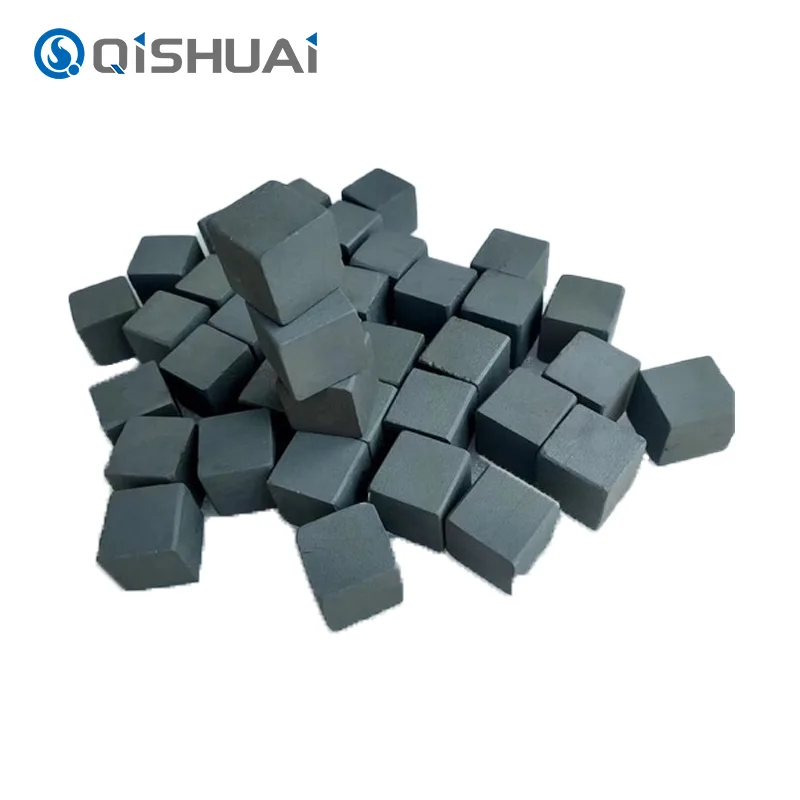
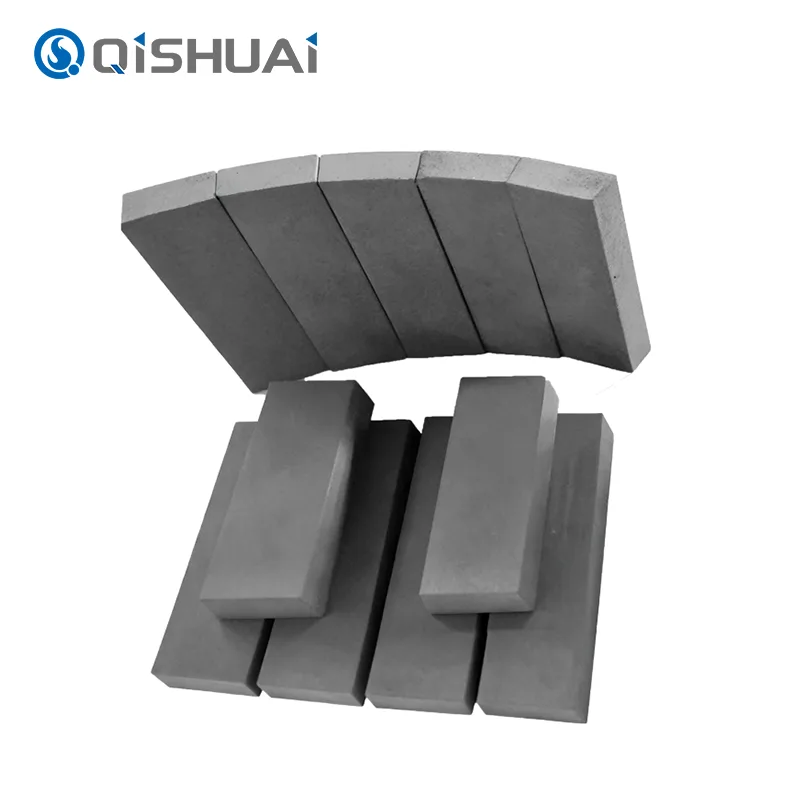
On the other hand, Alumina Ceramic offers unique advantages. Made from high-purity Al₂O₃ and processed via high-temperature sintering, it delivers consistent hardness and resistance without relying on work-hardening. Key features include:
- Mohs hardness up to grade 9.0, surpassing manganese steel in surface resistance.
- Exceptional resistance to chemical corrosion, heat (up to 1600°C), and material erosion.
- Low water absorption (<0.01%), ensuring durability in humid or wet conditions.
| Property | Manganese Steel | Alumina Ceramic Wear Liner |
| Mohs Hardness | 6-7 | 8.5-9 |
| Bending Strength (MPa) | 900-1200 | 255-350 |
| Compressive Strength (MPa) | 1000-1500 | 2000-2500 |
| Max Service Temperature | 600°C | 1500-1600°C |
| Corrosion Resistance | Low | High |
This table illustrates the fundamental differences, showing how alumina ceramic can provide superior wear protection under harsh industrial conditions.
Industries across the globe have reported significant benefits after integrating Alumina Ceramic into their equipment.
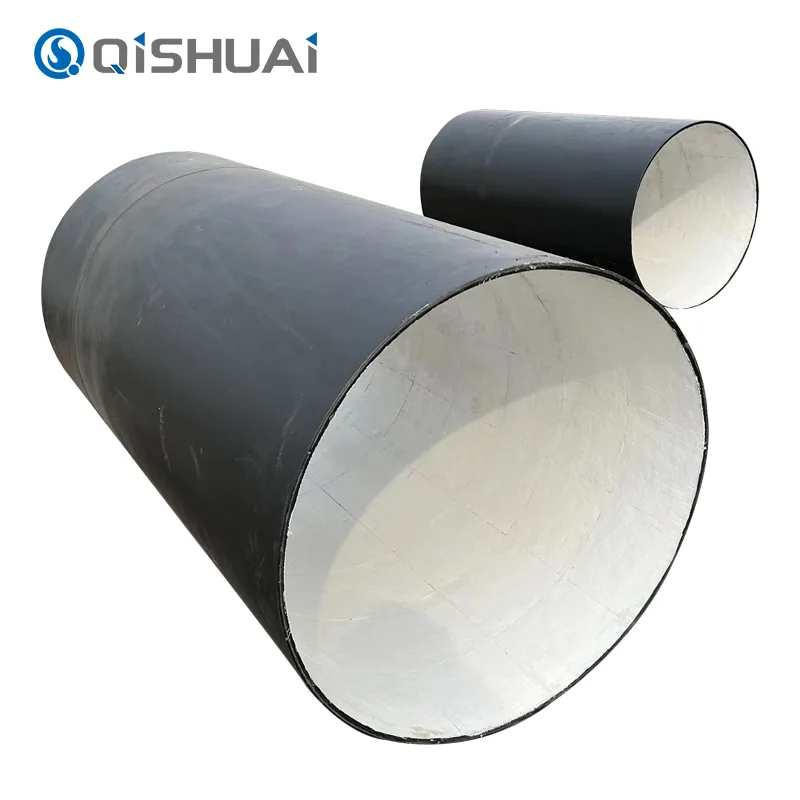
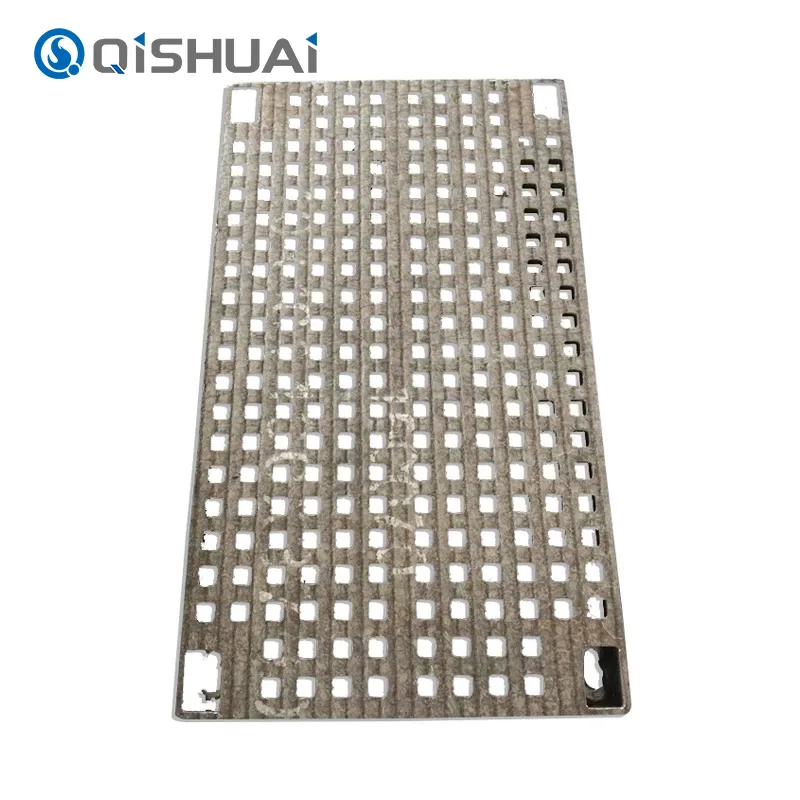
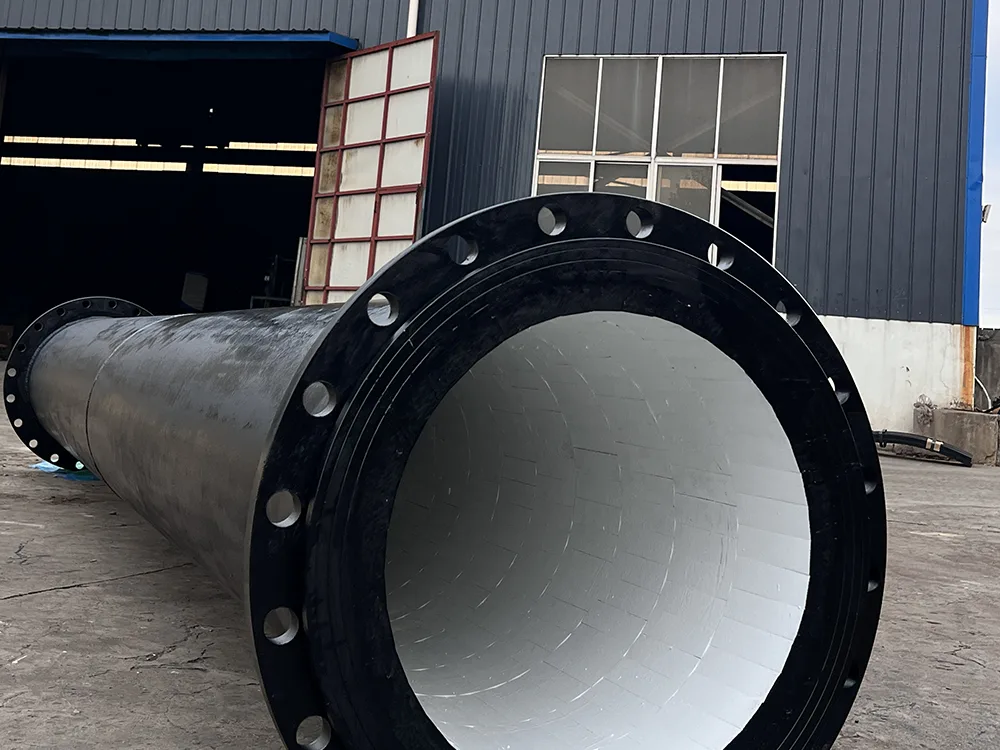
Pipelines, hoppers, and chutes in mining operations are constantly exposed to abrasive ore materials. Alumina ceramic liners maintain structural integrity under constant friction, reducing downtime caused by wear and the need for frequent maintenance.
In steel and cement production, high-temperature and high-impact scenarios are common. The high thermal resistance of alumina ceramics ensures consistent equipment performance, while manganese steel may require additional cooling or protective coatings to achieve similar durability.
Coal mills, silos, and reactors benefit from alumina ceramic's corrosion resistance. Unlike manganese steel, which can deteriorate when exposed to acidic or alkaline conditions, Alumina Ceramic Wear Liner maintains performance over prolonged usage.
While the initial investment in alumina ceramic materials may be higher than manganese steel, the long-term benefits are notable:
- Reduced maintenance frequency due to higher wear resistance.
- Extended service life of equipment, reducing unplanned downtime.
- Lower total operational costs in highly abrasive or high-temperature environments.
Industries evaluating cost-efficiency often find that the upfront cost is offset by decreased replacement cycles and operational interruptions.
When choosing between manganese steel and alumina ceramics, consider:
- Material abrasiveness: High silica content or sharp particulates favor ceramic.
- Operating temperature: High-temperature operations favor alumina.
- Corrosive environment: Chemical exposure or acidic material flows lean toward alumina ceramics.
- Impact load: If impact is moderate, alumina works well; extreme impact may require combined solutions.
Shandong Qishuai Wear-Resistant Equipment Co., Ltd. has emphasized that the versatility of Alumina Ceramic makes it suitable for global deployment. European facilities prioritize CE-compliant and corrosion-resistant materials, while mining hubs in Australia, Russia, and Central Asia value impact resistance and long-term durability. Stock availability and customization options allow adaptation to local industrial workflows without delay.
| Region | Focus | Benefits of Alumina Ceramic |
| Europe & America | Environmental compliance, high-end machinery | Durable, CE-certified, multi-spec options |
| Central Asia | Mining and metallurgy pipelines | High abrasion and impact resistance |
| Global | Mixed industrial applications | Multilingual specifications, adaptable logistics |
In industrial wear protection, Alumina Ceramic Wear Liner stands out for its unmatched hardness, temperature resilience, and corrosion resistance compared to traditional manganese steel. It addresses key pain points in industries where material erosion, high temperature, and chemical exposure are frequent challenges. Companies seeking durable, reliable, and adaptable wear-resistant solutions find that alumina ceramic liners offer long-term operational benefits, reducing maintenance and optimizing equipment performance. Shandong Qishuai Wear-Resistant Equipment Co., Ltd. continues to refine its product offerings, ensuring that Alumina Ceramic meets the evolving demands of global industrial applications.