Products
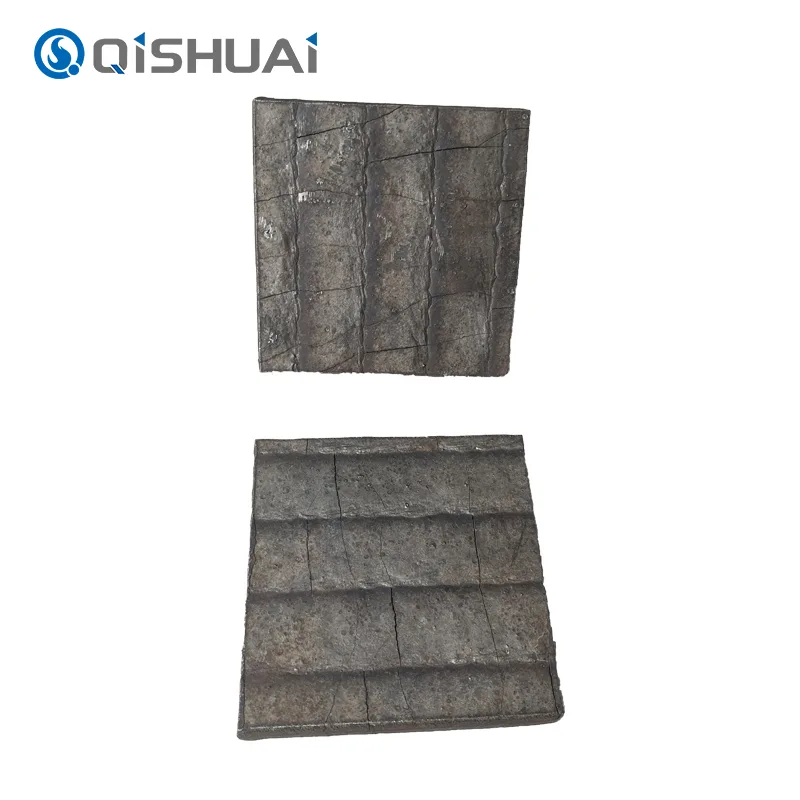
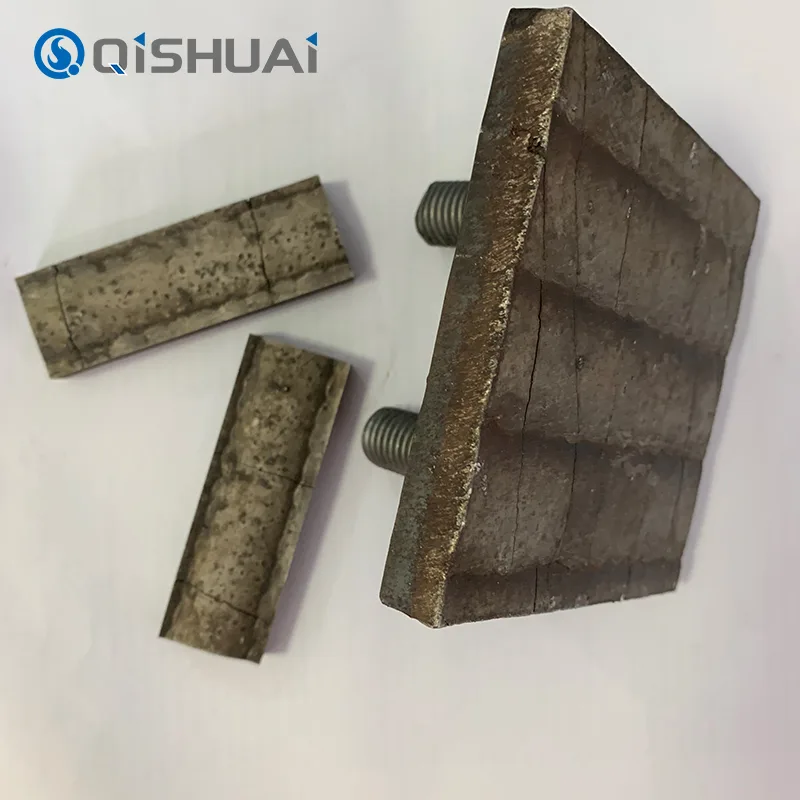
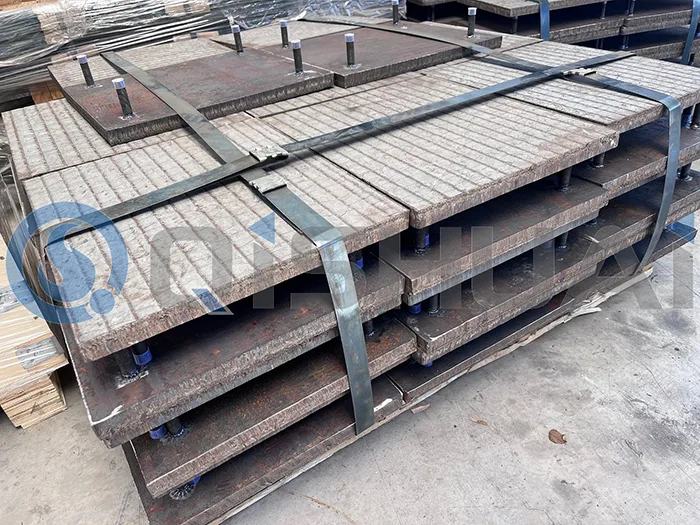
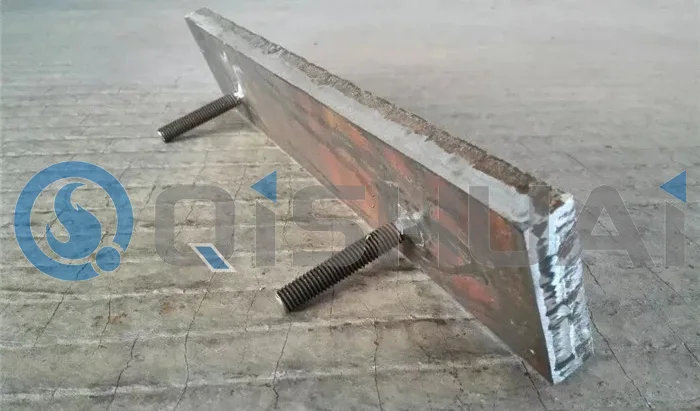
Chrome Bimetal Alloy Wear Plate
  • Chrome Bimetal Alloy Wear PlateChrome Bimetal Alloy Wear Plate
  • Chrome Bimetal Alloy Wear PlateChrome Bimetal Alloy Wear Plate
  • Chrome Bimetal Alloy Wear PlateChrome Bimetal Alloy Wear Plate
  • Chrome Bimetal Alloy Wear PlateChrome Bimetal Alloy Wear Plate

Chrome Bimetal Alloy Wear Plate

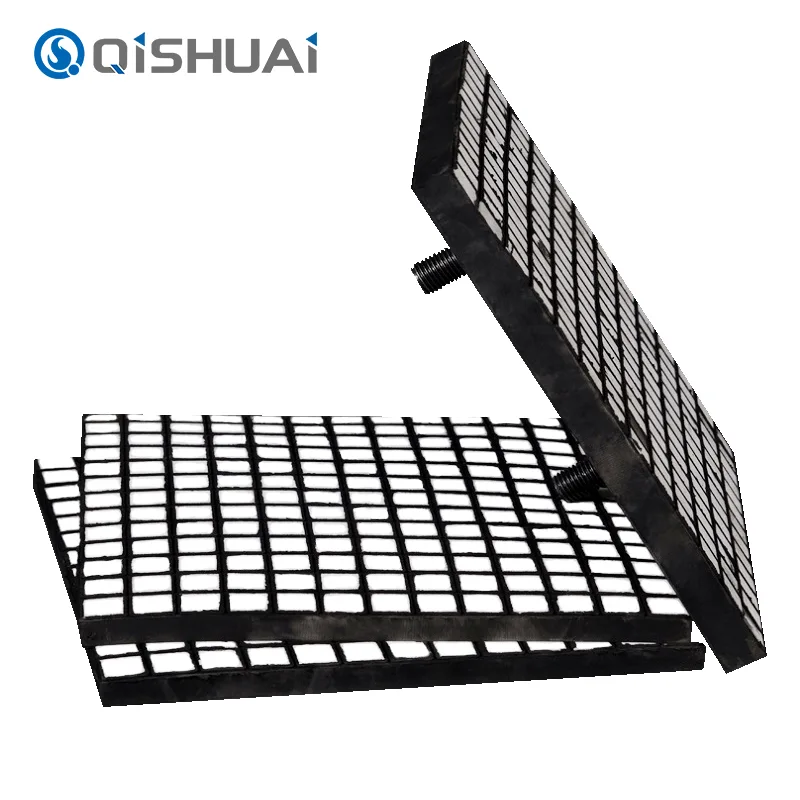
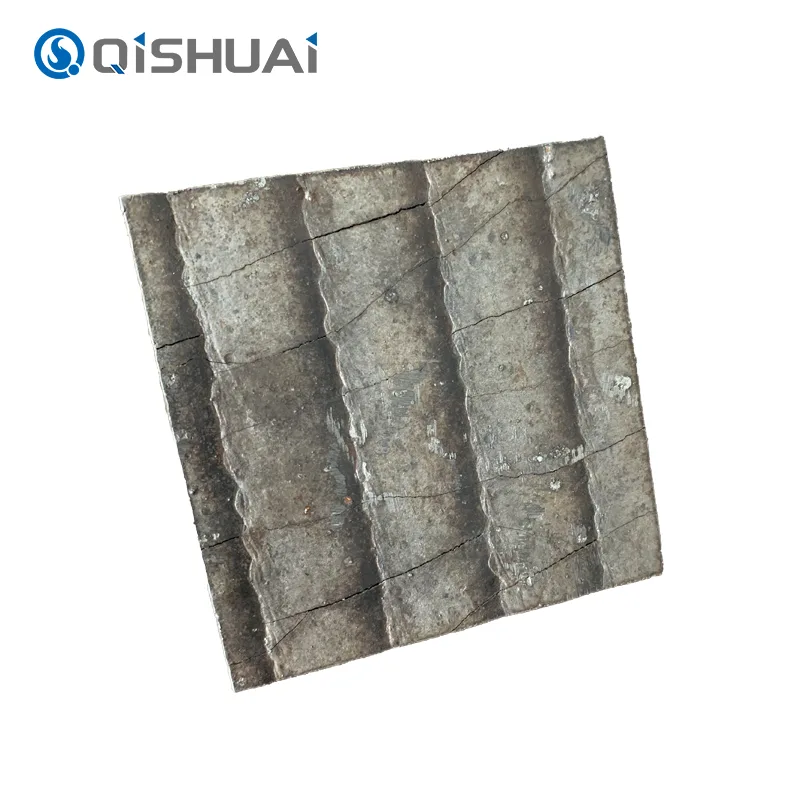
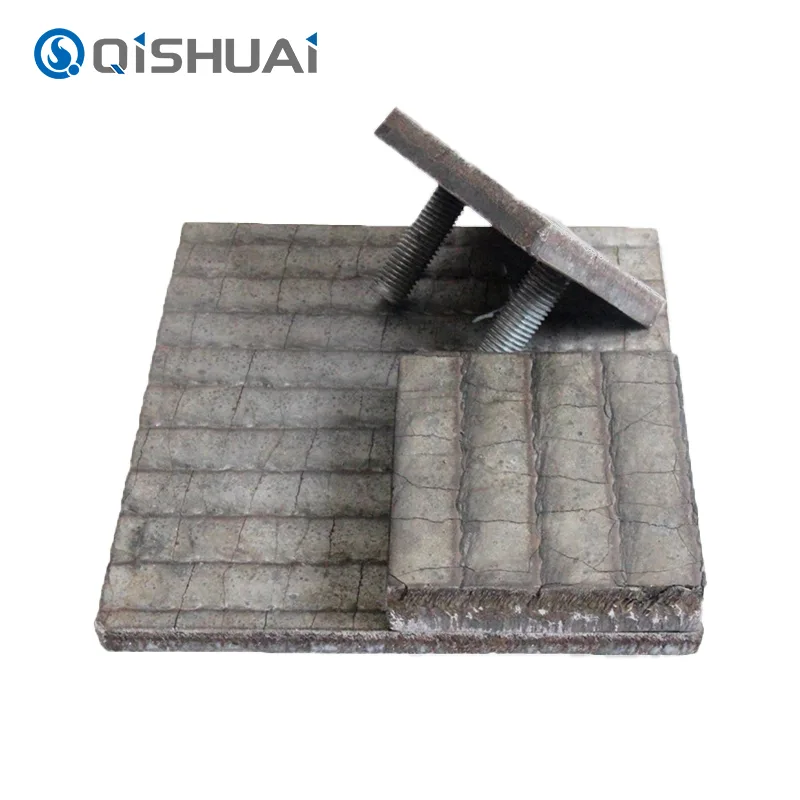
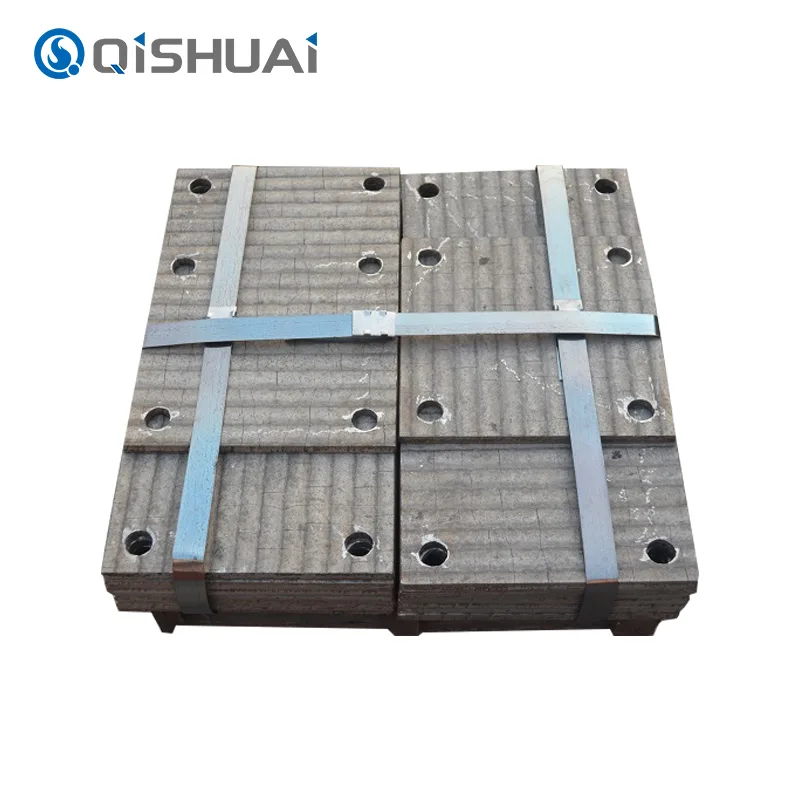
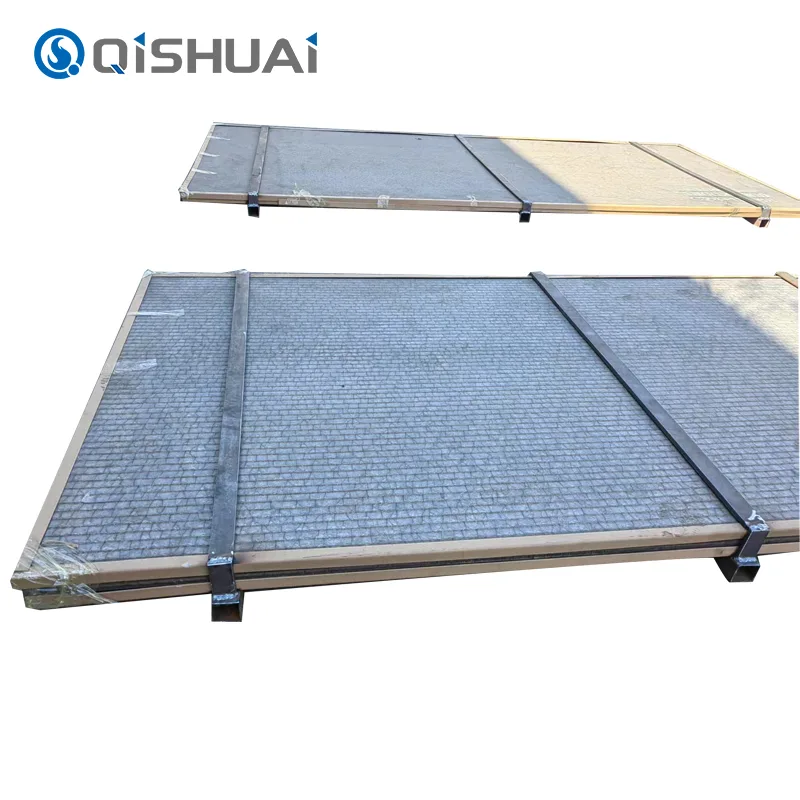
Shandong Qishuai Wear-Resistant Equipment produces Chrome Bimetal Alloy Wear Plates that use chrome and two different types of material combined. These plates show high resistance to wear from contact, resistance to force effects, and resistance to heat. The work that the company conducts focuses on producing plates using chromium and bimetallic material that provide wear resistance, and the approach includes various forms with options for specific requirements. The processes that the company uses for production provide advantages that differ from other approaches. The company indicates interest in receiving questions.

Equipment wear produces frequent stops in operation and high costs for maintaining equipment, and this presents difficulties. In conditions found in mining operations, cement production, power generation work, and steel production work, wear represents a main factor that produces lower productivity and increases in costs for operations. Using experience from industry work across time and development in technology, Shandong Qishuai Wear-Resistant Equipment Co., Ltd. presents a solution for wear resistance that uses chromium with bimetallic material for wear plates. Chrome Bimetal Alloy Wear Plates that this solution provides represent more than a plate form using steel. These plates represent an investment approach that provides protection for equipment that is important, increases productivity in operations, and produces the highest level of cost-effectiveness that is possible.

Chrome Bimetal Alloy Wear Plate


Core Advantages

Shandong Qishuai Wear-Resistant Equipment Co., Ltd.'s Chrome Bimetal Alloy Wear Plateare ingeniously constructed from a low-carbon steel substrate with excellent toughness and a high-hardness, high-chromium alloy wear layer. This unique structural design combines the strengths of both materials, laying the foundation for its outstanding performance under various demanding operating conditions.

Performance Advantages

Detailed Specifications

Exceptionally wear-resistant

The macro hardness of the wear-resistant layer can reach HRC 56-62, with wear resistance exceeding that of ordinary low-carbon steel by more than 20 times and that of high-manganese steel by over five times, effectively withstanding the most severe abrasive wear.

Exceptional impact resistance

The substrate's resilient material absorbs substantial impact energy, effectively preventing fracture or detachment under high-drop material impacts, significantly outperforming cast wear-resistant materials and ceramics.

Customised processing

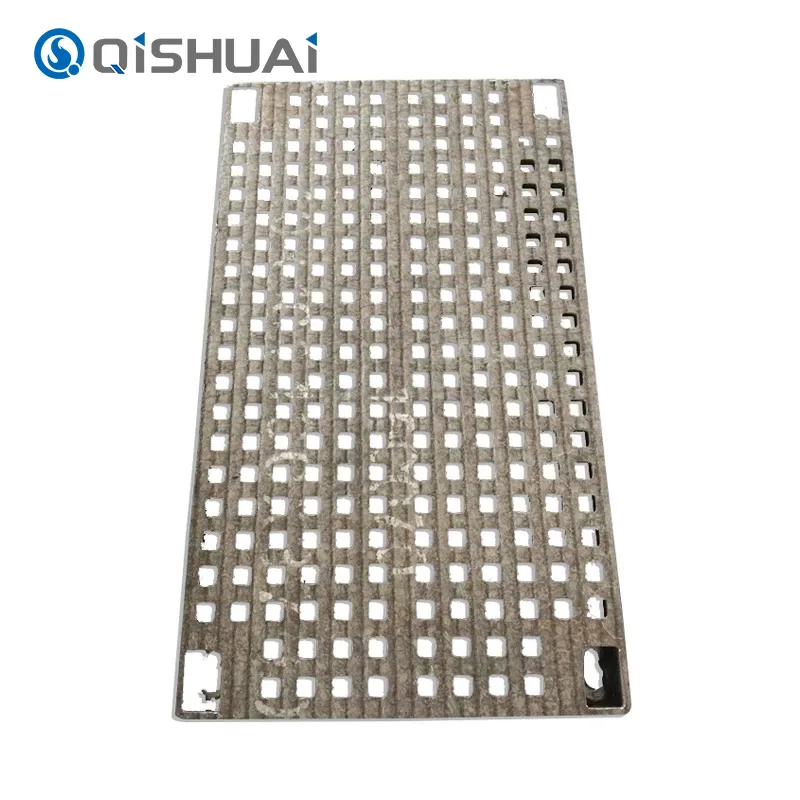
It can be cut, bent, rolled, punched and welded like ordinary steel plate, enabling it to be easily fabricated into wear-resistant components of various shapes, greatly facilitating on-site installation and maintenance.

High/low temperature tolerance

Standard products maintain high wear resistance under operating conditions of ≤600°C; with the addition of special alloys, they can further withstand high-temperature wear environments of ≤800°C.

high value for money

Although the initial procurement cost is higher than that of ordinary steel, its service life, which is several times or even dozens of times longer, will significantly reduce your replacement frequency, maintenance costs and downtime losses, delivering substantial overall benefits.

Anti-corrosion and anti-adhesion

The high chromium content within the wear-resistant layer imparts excellent rustproofing and corrosion resistance, effectively preventing material adhesion during the conveyance of wet materials such as coal.


Exceptional Wear Resistance

The wear layer shows a particular level of resistance that differs from other materials. This layer provides a hardness measure between HRC58 and HRC65. The resistance appears 10 to 15 times greater than resistance in materials that use different approaches. This difference indicates that the plates maintain function across longer periods when conditions involve similar levels of material removal. The extended function reduces the frequency that equipment requires maintenance work and the frequency that replacement occurs. These changes decrease the costs that relate to both types of work.

The chart that follows presents data comparing resistance levels. The data show resistance in the plates that this study examines and resistance in materials that use other approaches for similar applications.

Materials

Wear rate(g/m²)

Relative wear resistance

Chrome Bimetal Alloy Wear Plate

0.05

10 - 15

Ordinary wear-resistant materials

0.5 - 0.75

1


The data show that the rate of wear appears significantly lower in comparison to rates for materials used in current practice, and this indicates a clear advantage in the level of resistance to wear. In applications using these materials, the advantage provides increases in the efficiency of production and also provides decreases in the costs of operation for enterprises that use the materials.


Impact Resistance and Crack Resistance

The resistance to temperatures at high levels represents another important feature. In conditions where temperatures reach high levels, the performance that many materials show experiences significant decreases. However, the chromium bimetallic alloy wear plate that this analysis examines shows performance that remains at high levels in such conditions. The plate functions in a normal manner at temperatures that reach up to five hundred fifty degrees Celsius, and this occurs while the resistance to wear that the plate provides remains at the same level. This feature that the material shows results from the high level of stability that the carbides in the alloy demonstrate when temperatures increase, and these carbides maintain levels of hardness that remain high and also maintain resistance to the process of oxidation when temperatures reach high levels. The data that follow present results from studies that examine the resistance to wear that the chromium bimetallic alloy wear plate shows at different levels of temperature.

Temperature(℃)

Wear rate(g/m²)

Hardness(HRC)

25

0.05

58 - 65

200

0.06

57 - 64

400

0.07

56 - 63

550

0.08

55 - 62


The data from the chart show that wear rate for the chromium bimetallic alloy plate that provides resistance to wear increases in a limited degree as temperature levels increase. This increase appears minimal in the overall pattern. The hardness measure for this material also remains at high values across conditions. These findings indicate that the plate demonstrates strong performance characteristics when operating under high temperature conditions.


Standard Specifications

To provide for the different requirements that occur among individuals using this product, Chrome Bimetal Alloy Wear Plate is available in multiple standard specifications. The following section presents specific parameters for specifications that appear common in use:

Specifications(mm)

thickness(mm)

Hardness(HRC)

1000×2000

6 + 4

58 - 65

1200×2500

8 + 6

58 - 65

1500×3000

10 + 8

58 - 65


Products with these features show common use across the market and provide what most standard work requires. The company maintains large amounts in storage to allow obtaining the particular forms of wear plates using this metal combination in a manner that occurs rapidly. This approach provides fast delivery that supports ongoing work.

Chrome Bimetal Alloy Wear Plate


Comparative Advantages

Compared to Ordinary Steel Plates

Equipment damage from use represents a common problem that presents difficulties. Standard metal plates often show limited performance when conditions involve high wear during operations. The wear plates that the company produces have become what many organizations select due to performance features that differ significantly from other options. The following section presents comparison between the wear plates using this metal combination and standard metal plates. The comparison examines resistance to wear and other main features.

Comparative Project

Chrome Bimetal Alloy Wear Plate

Ordinary steel plate

Abrasion resistance

The wear-resistant layer boasts a hardness of HRC58–65, which is 10–15 times that of conventional wear-resistant materials. This effectively extends equipment service life and reduces maintenance costs.

Poor wear resistance, rapid wear rate, frequent equipment maintenance and replacement

Hardness

High surface hardness, effectively resisting scratching and wear from materials

Low hardness, prone to scratching and wear from materials

Impact resistance

Resilient substrate design, resistant to fracturing under severe impact, ensuring stable operation in demanding conditions.

Poor impact resistance, prone to deformation or fracture when subjected to impact

High-temperature resistance

It can operate normally in high-temperature environments up to 550°C without compromising its wear resistance.

Performance deteriorates significantly at high temperatures, with a pronounced tendency towards deformation and oxidation.

Machinability

Capable of cutting, welding, drilling, bending and other processing operations, facilitating installation and meeting diverse engineering requirements.

The machining process is relatively complex, demanding high standards of machining equipment and techniques.


The comparison above indicates that the wear plates using this metal combination show performance that differs substantially from standard metal plates across all measures examined. In actual use selecting the wear plates that the company provides allows organizations to obtain increased efficiency in production and decreased costs in operations. The selection also provides equipment performance that shows more reliability.


Contact Us:

Should you have any enquiries regarding our products, please do not hesitate to contact us via the following methods:

Telephone:+86-533-7010227

WhatsApp:8615898737636 (Kella)

WhatsApp:8618953367229 (Penny)

WhatsApp:8613869372890 (John)

Email:qishuai@zbqishuai.cn


Hot Tags: Chrome Bimetal Alloy Wear Plate, Bimetal Alloy Wear Plate, Wear Plate Supplier
Send Inquiry
Contact Info
If you have any enquiry about quotation or cooperation, please feel free to email us at qishuai@zbqishuai.cn or use the following inquiry form. Our sales representative will contact you within 24 hours. Thank you for your interest in our products, such us Alumina Ceramic, Composite Wear Pipe, Silicon Carbide Ceramic, etc.
X
We use cookies to offer you a better browsing experience, analyze site traffic and personalize content. By using this site, you agree to our use of cookies. Privacy Policy
Reject Accept