Products
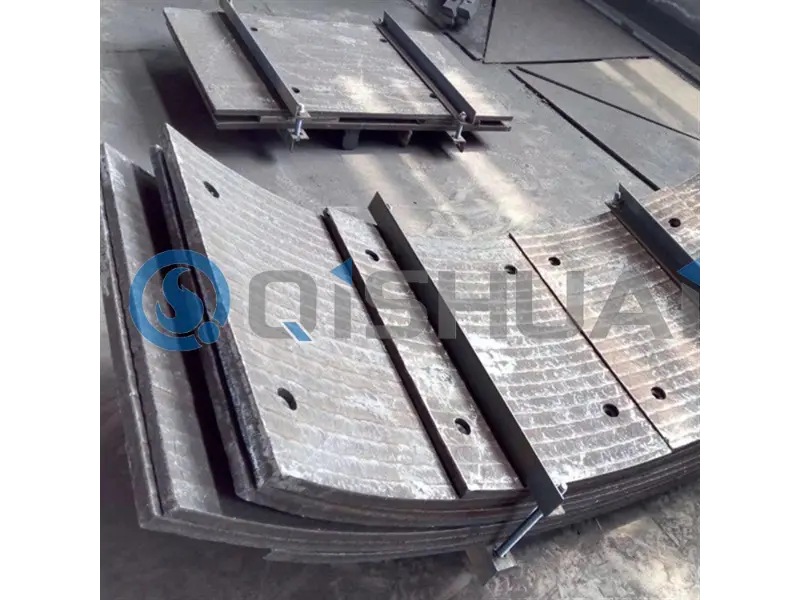
Weld Overlay Plate
  • Weld Overlay PlateWeld Overlay Plate
  • Weld Overlay PlateWeld Overlay Plate
  • Weld Overlay PlateWeld Overlay Plate
  • Weld Overlay PlateWeld Overlay Plate

Weld Overlay Plate

We cordially invite industrial users worldwide to procure our premium weld overlay plates. Shandong Qishuai Wear-Resistant's weld overlay plates are engineered to deliver exceptional impact resistance and wear resistance, significantly extending the operational lifespan of your equipment. Should you be seeking a dependable industrial wear solution, please contact us immediately for a quotation, to obtain the latest factory-direct pricing and professional ordering services. Choosing Qishuai means choosing outstanding value for money and exceptional quality.

Equipment in multiple industrial contexts faces significant wear problems, and this makes finding effective solutions to protect against wear an important priority. Shandong Qishuai Wear-Resistant Equipment Co., Ltd. produces plates using overlay welding that provide protection for equipment.


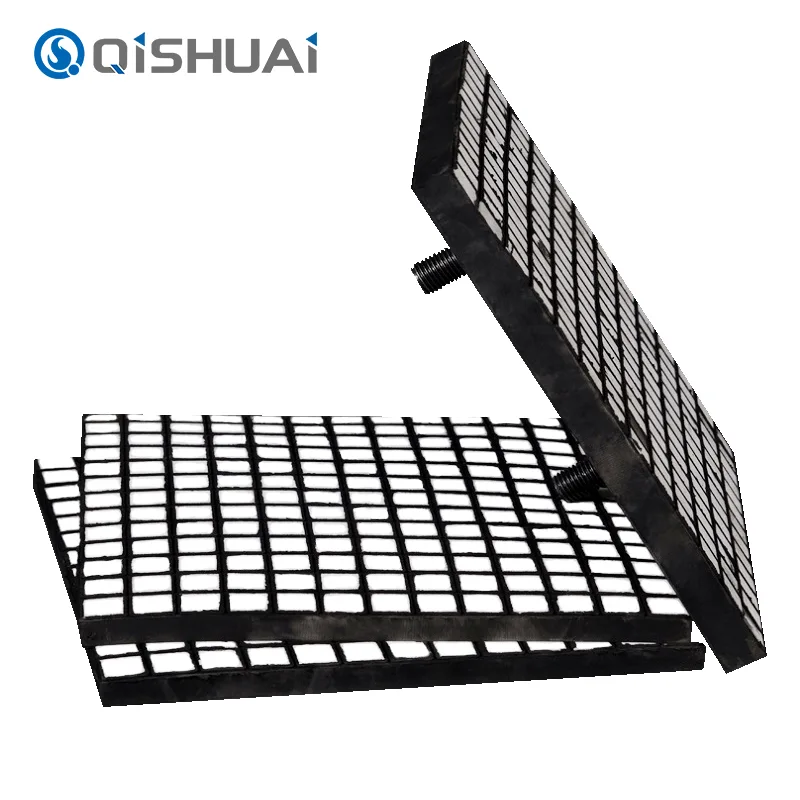
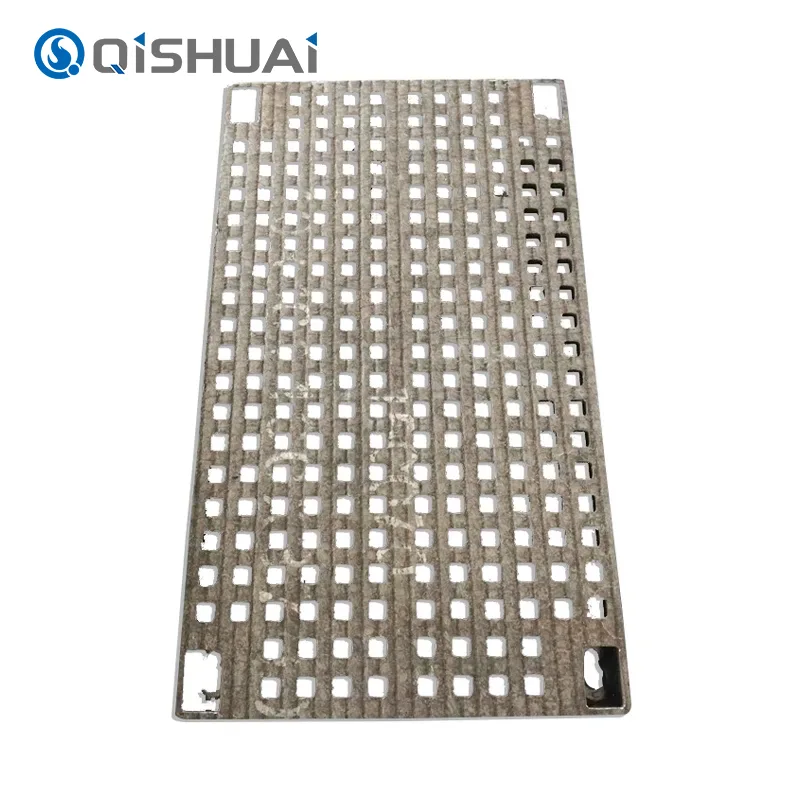
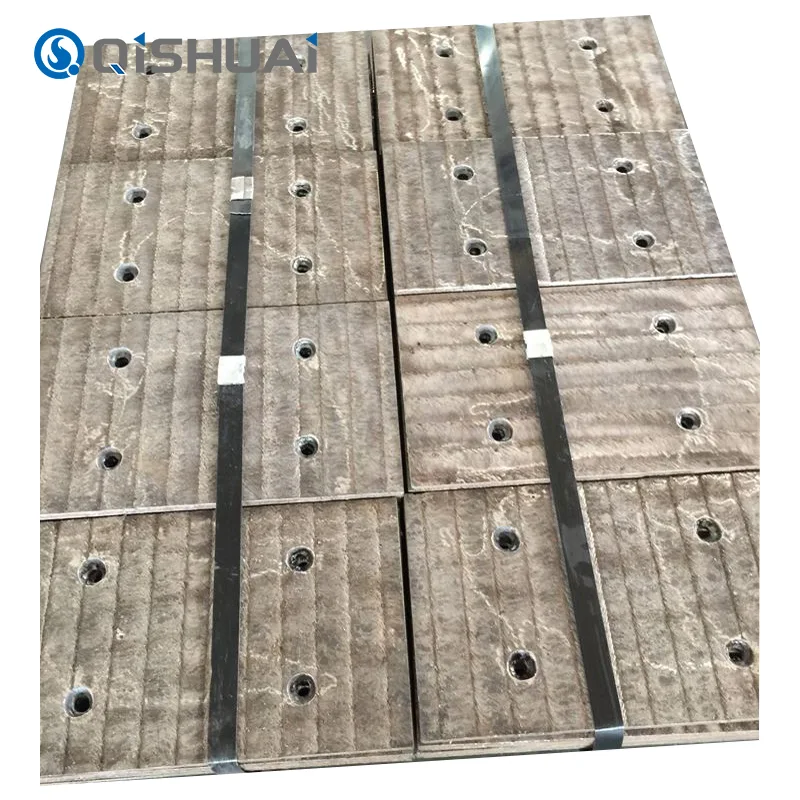
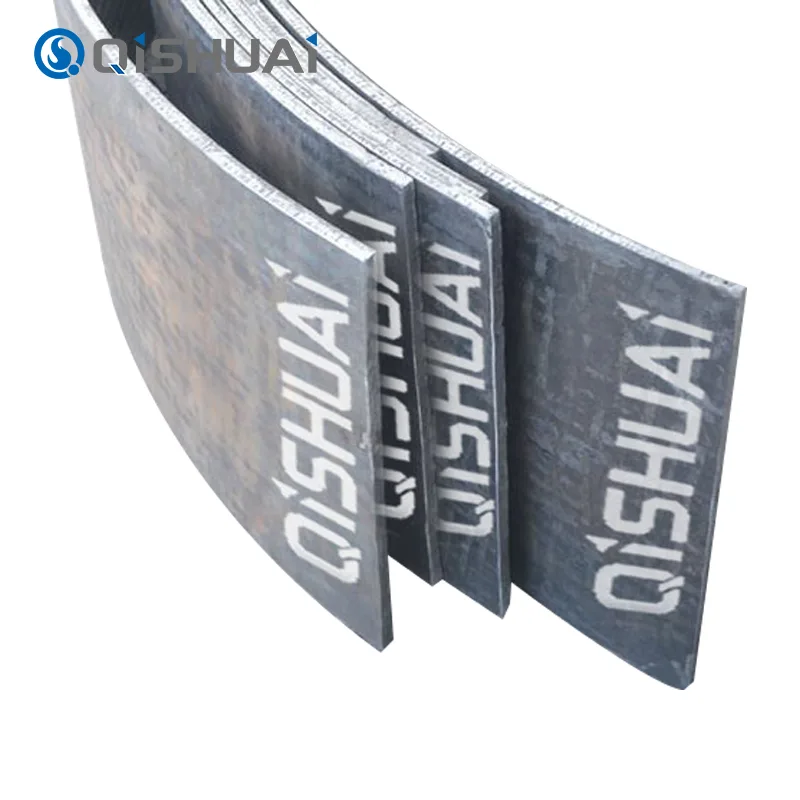
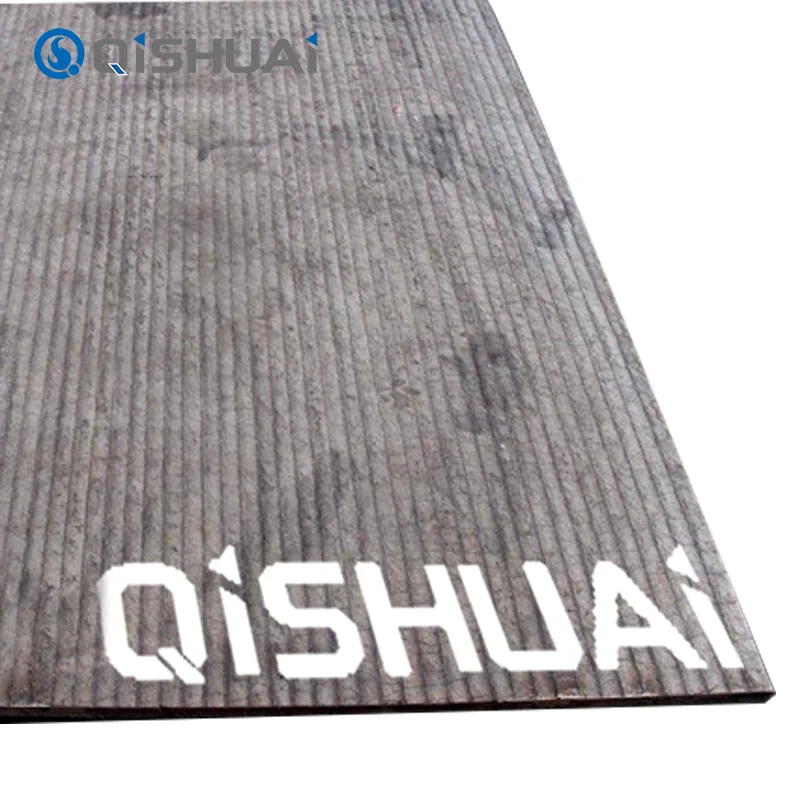
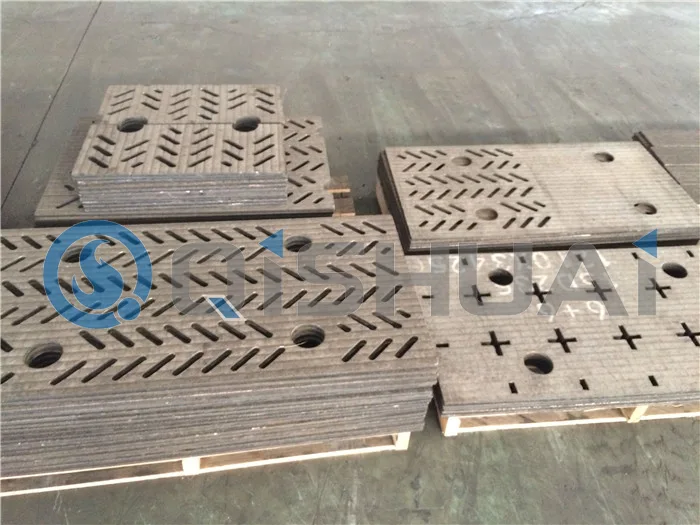
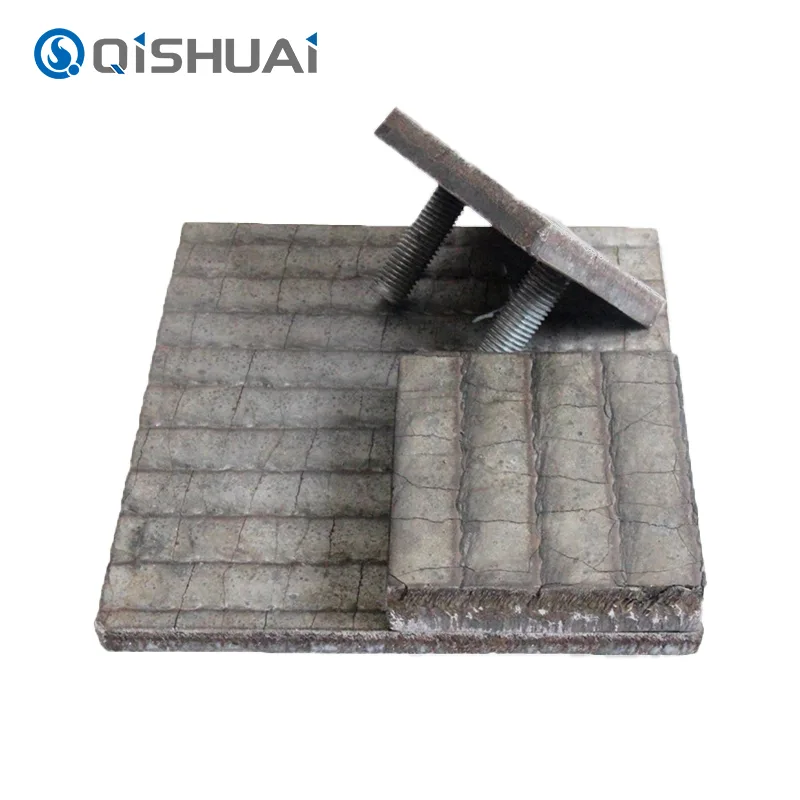
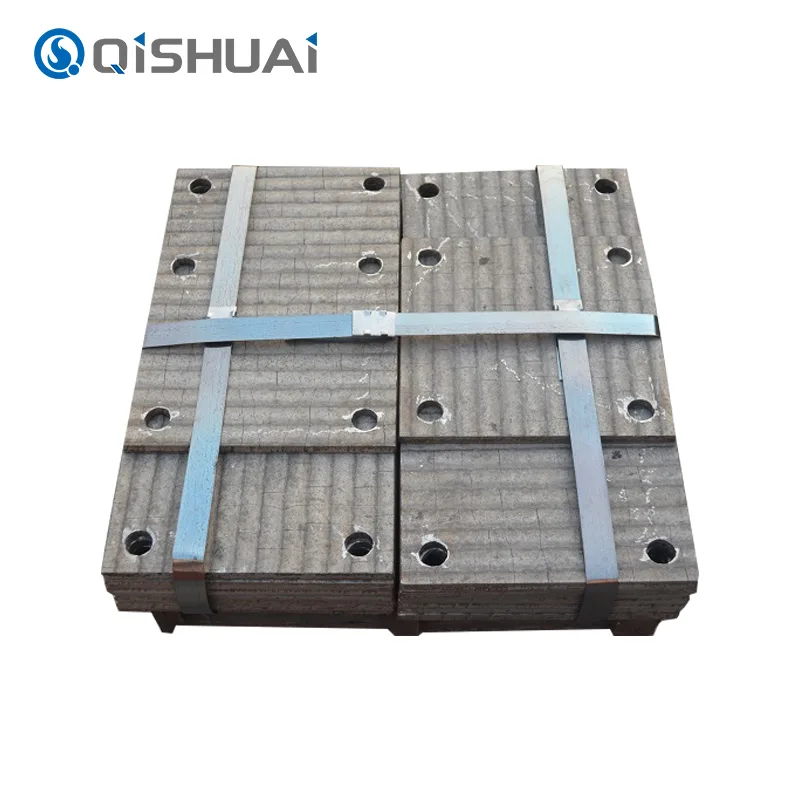
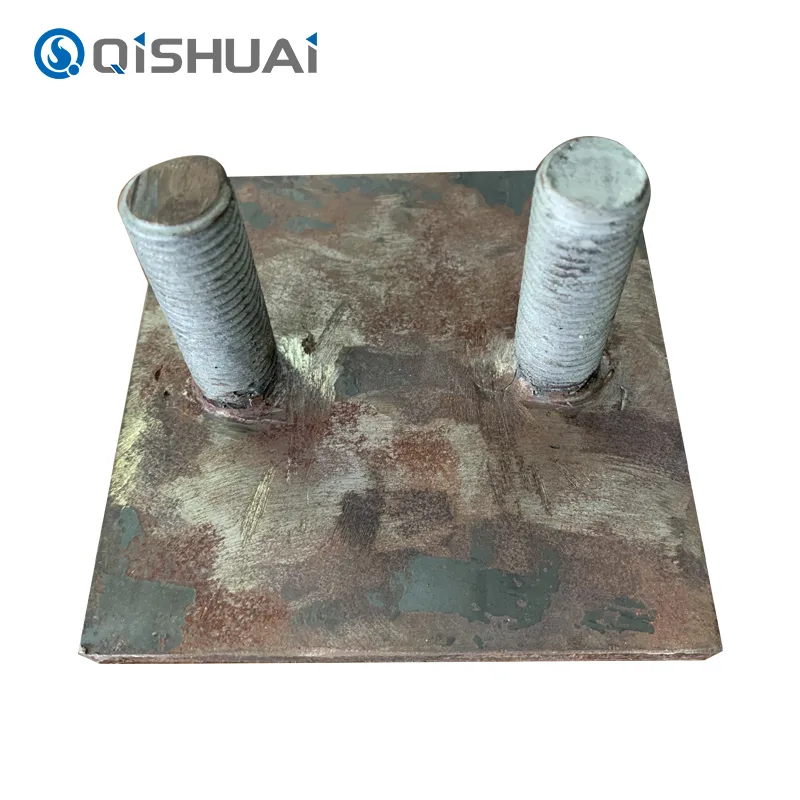
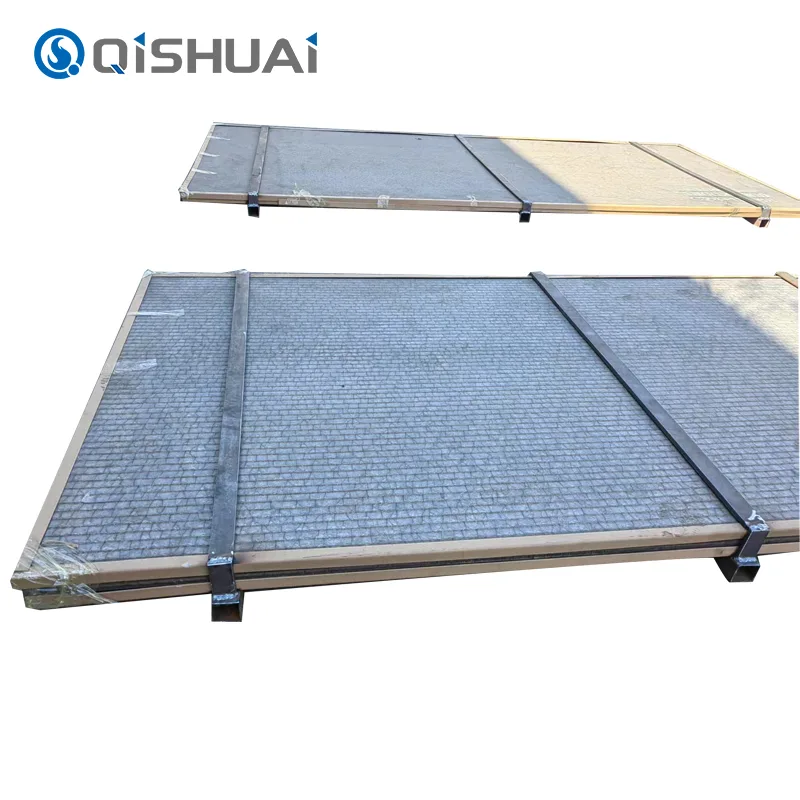
The weld overlay plates that the company produces are composite plates. These plates use a process that applies layers of alloy material onto ordinary steel plates. The alloy material shows high hardness and high resistance to wear. The steel plates function as the base in this structure. The plates consist of ordinary steel with a layer of alloy material on the surface that resists wear.


The base uses steel plates that provide strength but also show low cost. These include Q235, Q345, or 16Mn steel types. The base provides structural support and also provides toughness for the plate. The base supports the layer that resists wear. The alloy layer on the surface is the main component for resisting wear in the plate. The composition of this layer uses specific materials. These materials allow the layer to resist different forms of wear. The wear forms include impact wear, wear from abrasive materials, and wear that occurs at high temperatures.


The plates are available in different specifications. The thickness of the base plate and the thickness of the wear layer that covers it can be adjusted. This allows the plates to meet requirements for different applications.

Substrate thickness(mm)

Wear layer thickness(mm)

Common combination examples

3

3

3+3

4

2

4+2

5

3

5+3

5

4

5+4

6

4

6+4

6

5

6+5

6

6

6+6

8

4

8+4

8

6

8+6

10

5

10+5

10

6

10+6

10

8

10+8

10

10

10+10

20

20

20+20


This meticulously engineered composite structure endows Weld Overlay Plate with numerous core advantages, setting them apart from other wear-resistant materials and making them the ideal choice for enhancing equipment performance and reducing costs.

Weld Overlay Plate


Five Outstanding Advantages:

The material shows five main features that relate to performance. The service life that this material provides differs from standard materials used in similar conditions. Data indicate that resistance to wear shows values between five and ten times the level found in other steel plates designed for wear resistance. This pattern suggests significant differences in the extent to which the material maintains function over time.


The base structure of this material demonstrates particular features relating to toughness. It allows resistance to impact and vibration at moderate levels and these conditions occur without producing fractures in the material. This characteristic indicates that the material maintains structural form when forces affect it during use.


The material allows processing using different methods despite the high hardness that it shows. Cutting procedures apply to this material and bending also occurs within particular thickness ratios that the specifications establish. Welding methods also apply to the material and these approaches provide flexibility in how it develops into final forms for use.


The material provides value that differs from solid steel types that contain high alloy levels. The costs that this material requires appear lower than the costs for other materials and this difference suggests that the approach offers advantages in terms of the relationship between performance and the resources required to obtain it.


Production methods for this material allow customisation that addresses particular requirements. The approach responds to specific conditions that occur during operation and dimensional requirements that different uses establish. This feature indicates that the material develops through processes that consider the particular factors relating to how it functions in different contexts.

Weld Overlay Plate


Rigorous Material Selection

In the production of our wear-resistant plates, material selection constitutes the critical first step. We meticulously screen every raw material to ensure its quality and performance meet stringent standards. The substrate employs premium low-carbon or low-alloy steel plates sourced from renowned domestic steel mills. These mills deliver products with stable chemical compositions and excellent mechanical properties, providing a robust structural foundation for weld overlay plates. Concurrently, we maintain long-term partnerships with multiple internationally renowned alloy material suppliers, guaranteeing the high purity, low impurity content, and exceptional performance of the alloy materials used for the wear-resistant cladding layer.


Each batch of raw materials is accompanied by detailed quality certificates. We subject these materials to rigorous inspection and verification to ensure that indicators such as chemical composition and mechanical properties align precisely with the specifications stated in the certificates.

Inspection items

Testing standards

Test results

Chemical composition of the substrate

Complies with the corresponding national standards such as Q235 and Q345

qualified

Chemical composition of alloy materials

Compliant with relevant international standards and internal company standards

qualified

Substrate mechanical properties (yield strength, tensile strength, etc.)

Complies with the corresponding national standards such as Q235 and Q345

qualified

Hardness of alloy materials

Complies with design requirements

qualified


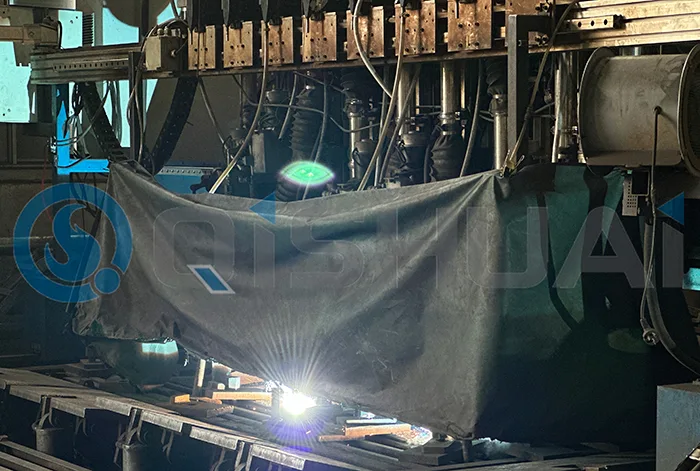
Self-shielded arc fully automatic surfacing welding process

Weld Overlay Plate


To further optimise the welding process, we have assembled a team of specialist welding engineers. Possessing extensive experience and profound expertise, they are capable of precisely adjusting welding parameters—such as welding current, voltage, welding speed, and wire feed rate—according to varying product specifications and operational requirements. This ensures the overlay weld layer achieves optimal quality and performance.

Welding parameters

Parameter range

Examples of Common Parameters

Welding current(A)

300 - 800

500

Welding voltage(V)

28 - 36

32

Welding speed(mm/min)

200 - 500

300

Wire feed rate(m/min)

3 - 8

5


Quality Inspection of Welded Overlay Plates

For visual quality assessment, we employ a combined approach of manual visual inspection and high-precision optical detection equipment to conduct comprehensive surface examinations of welded overlay plates. This ensures surfaces are free from defects such as porosity, cracks, slag inclusions, and lack of fusion, while verifying uniform overlay thickness and surface flatness compliance with standard requirements. For hardness testing, specialised equipment such as Rockwell and Vickers hardness testers is employed. Following the testing methods and point distribution specified by national standards, hardness measurements are taken on both the overlay layer and the base plate to ensure hardness values meet product design requirements.

Testing items

Testing standards

Testing tool

Appearance quality

Free from defects such as porosity, cracks, slag inclusions, or lack of fusion; the overlay weld thickness is uniform, and the surface flatness meets the standard requirements.

Manual visual inspection, high-precision optical inspection equipment

Hardness

The hardness of the clad layer meets design requirements (e.g. HRC 55–65), and the substrate hardness complies with the relevant steel standards.

Rockwell hardness tester, Vickers hardness tester

Abrasion resistance

Wear testing conducted under simulated actual operating conditions, with wear levels falling below the specified standard values.

Abrasion Tester

Bond strength

Conduct tensile, bending and other tests in accordance with relevant standards; combined strength meets requirements.

Universal Material Testing Machine

Chemical composition

The chemical composition of the substrate and alloy layer conforms to design specifications and relevant standards.

Direct-reading spectrometer

Impact toughness

Impact testing was conducted at the specified temperature, with the impact energy meeting the standard requirements.

Impact testing machine


We also provide products to testing organizations that examine quality in a complete assessment. This approach confirms that the systems for control function as required and that products maintain reliability in their characteristics. The reports that result from these assessments show evidence supporting the level of quality and provide a basis for work that continues to improve standards in products. These findings indicate that the methods used allow ongoing development in the measures applied to production processes.


Customised services

Weld Overlay Plate


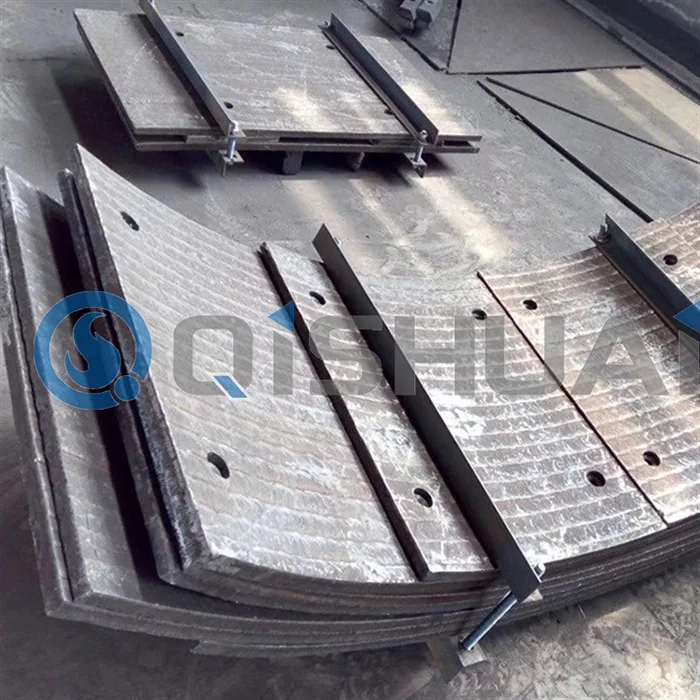
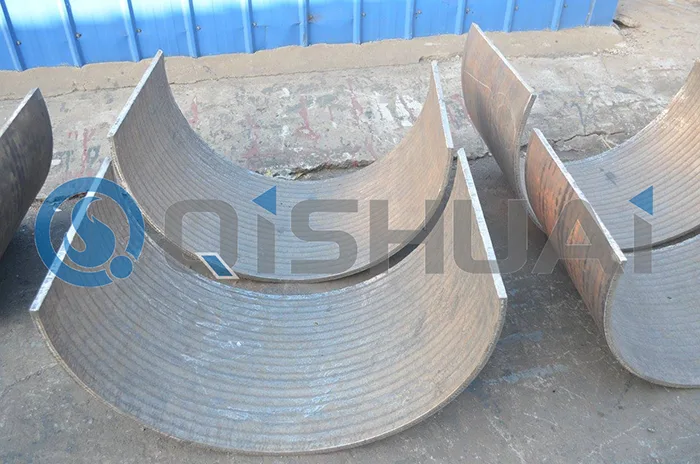
We fully recognise that each customer's requirements are unique, hence we offer comprehensive bespoke services to meet your individual needs for welded clad plates. We can customise welded clad plates to your specifications, with flexible adjustments to length, width and thickness, thereby minimising material wastage and reducing your costs.

Customised projects

Scope of customisation

Example

Dimensions

Length: 1 - 12m Width: 0.5 - 3m Base layer thickness: 3 - 30mm Wear layer thickness: 2 - 20mm

Length 8m, width 1.5m, substrate thickness 8mm, wear layer thickness 5mm

Specifications

Customised to meet specific client requirements for substrate and wear layer thickness combinations.

5+3, 6+4, 10+8 and other special combinations

Alloy layer

Adjust the chemical composition and microstructure of the alloy layer according to varying wear conditions and performance requirements, thereby formulating bespoke alloy layer compositions.

For high-temperature wear conditions, increase the content of elements such as chromium and nickel in the alloy layer to enhance heat resistance; For severe impact wear conditions, optimise the balance between toughness and hardness within the alloy layer.


Contact Us:

Should you have any enquiries regarding our products, please do not hesitate to contact us via the following methods:

Telephone:+86-533-7010227

WhatsApp:8615898737636 (Kella)

WhatsApp:8618953367229 (Penny)

WhatsApp:8613869372890 (John)

Email:qishuai@zbqishuai.cn


Hot Tags: Weld Overlay Plate, Wear Resistant Plates, Hardfacing Materials
Send Inquiry
Contact Info
If you have any enquiry about quotation or cooperation, please feel free to email us at qishuai@zbqishuai.cn or use the following inquiry form. Our sales representative will contact you within 24 hours. Thank you for your interest in our products, such us Alumina Ceramic, Composite Wear Pipe, Silicon Carbide Ceramic, etc.
X
We use cookies to offer you a better browsing experience, analyze site traffic and personalize content. By using this site, you agree to our use of cookies. Privacy Policy
Reject Accept