News

How to Improve the Adhesion Reliability of Ceramic Adhesives?

2026-05-21 0 Leave me a message

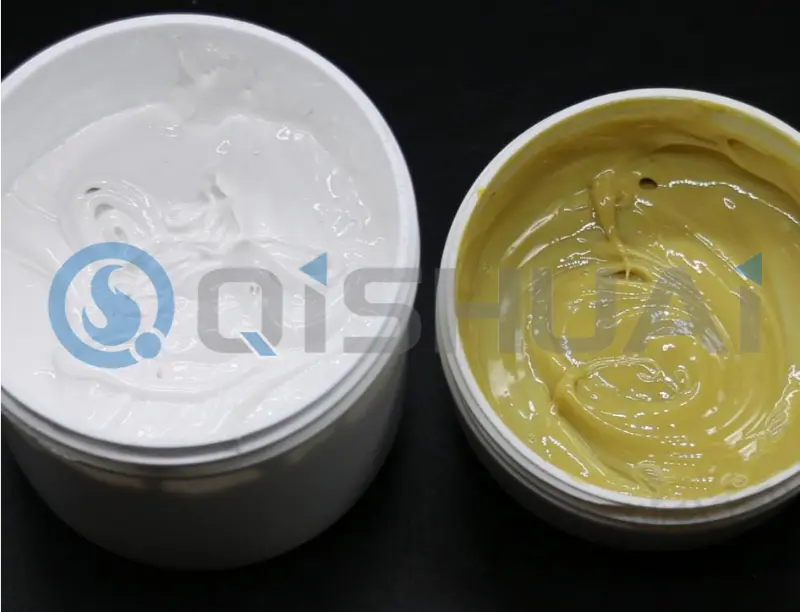
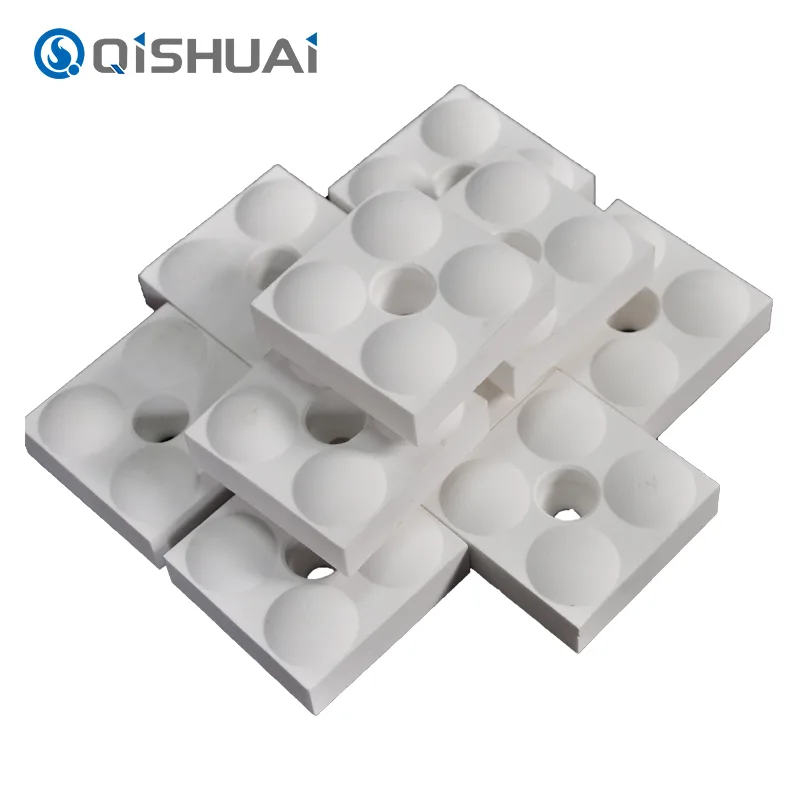
In wear-resistant ceramic lining projects, the problem often lies not with the ceramic itself, but with the bonding between the ceramic and the equipment. When tiles fall off, edges curl up or entire sections come loose during use, this is usually not because the ceramic is not wear-resistant, but because the adhesive has not bonded properly.

1. Adhesion failure is usually the result of a combination of minor issues

Cracks and detachment in ceramic bonding are rarely caused by a single factor; they are almost always the result of several minor issues occurring simultaneously:

●The surface of the equipment was not properly cleaned, leaving behind dust, grease or rust

●The adhesive was applied unevenly, with some areas too thick and others too thin

●Air became trapped during installation, creating voids

●Incorrect temperature or humidity during curing, or insufficient curing time

Individually, these issues may seem minor, but when combined, they significantly reduce the bond strength, leading to problems over time.

2. Surface preparation is fundamental; without a proper foundation, all efforts are in vain

The first and most crucial step in bonding is preparing the surface of the equipment. If the surface is unsuitable, even the best adhesive will not bond securely. A reliable bonding surface must meet three criteria:

Clean: Free from dust, grease and moisture, as these substances act as barriers between the adhesive and the equipment, compromising the bond strength

Textured: The surface must be appropriately sanded or sandblasted to create a rough texture, allowing the adhesive to ‘grip’ the equipment and preventing it from coming loose.

Sound: The surface must be free of loose rust flakes or old coatings; otherwise, the ceramic may peel off along with them once bonded.

Many projects encounter problems in the early stages precisely because surface preparation has not been carried out properly.

3. Applying Adhesive Is Not Just a Matter of Slapping It On; If Done Incorrectly, It Will Still Come Off

Applying adhesive is not simply a matter of spreading it over the surface; the method used directly affects whether the ceramic will bond securely and whether the load is distributed evenly. Pay particular attention to the following points:

Even thickness: The adhesive must not be thick in some places and thin in others; generally, a thickness of 0.5–1 mm is most suitable

Full contact: Apply adhesive to both the back of the ceramic tile and the surface of the fixture to ensure a complete, gap-free bond when installed.

Remove air pockets: Gently tap the tile into place with a rubber mallet to expel any air trapped beneath, ensuring no bubbles remain.

If the adhesive layer is uneven or contains voids, stress will concentrate on the weakest points, leading to gradual localised detachment.

4. Take your time with curing and curing; rushing things can lead to problems

Even if everything looks fine when you apply it, if it hasn’t cured properly, it will still come loose later on. There are three requirements for the curing of wear-resistant ceramic adhesive:

Allow sufficient time: Cure for at least 24 hours at room temperature; do not start using the surface just a few hours after application

Stable temperature: Curing is best carried out in an environment between 10–35°C. Too cold slows curing, whilst too hot can cause cracking.

Dry environment: Avoid dampness and exposure to rain, as moisture will affect the adhesive’s curing performance.

Often, in a rush to meet deadlines, insufficient curing time is allowed, meaning the adhesive does not reach full strength, resulting in delamination after a short period of use.

5. Adhesives must be suited to the operating conditions; one type of adhesive cannot be used for all applications

Different equipment and operating environments require specific wear-resistant ceramic adhesives; selection should not be arbitrary. The following factors must be considered when selecting an adhesive:

Temperature: Different types of adhesives are required for ambient temperature and high-temperature (above 200°C) conditions

Medium: Consider whether there is acid or alkali corrosion, or prolonged contact with water

Stress: For equipment subject to high impact forces or strong vibrations, choose an adhesive with good toughness and impact resistance

If the wrong adhesive is used, even if the bond is strong initially, it will gradually age and peel away over time.

6. Why do some installations appear fine initially but start to come loose after a while?

In many projects, the tiles appear perfectly fine immediately after installation, but begin to come loose after a few weeks or months. This is because:

· Although the bond strength is sufficient under static conditions immediately after installation, repeated stress, impact and thermal cycling caused by equipment operation gradually weaken the bonded interface.

Therefore, when installing wear-resistant ceramic tiles, one must not merely consider whether they ‘stick at the time of installation’; it is equally important to ensure long-term durability.

Shandong Qishuai: We keep a close eye on the entire bonding process

At Shandong Qishuai Wear-Resistant Equipment, we do more than simply sell adhesives and apply ceramic tiles; we place greater emphasis on the stability of the entire bonding system. We exercise strict control over every step, from start to finish:

Surface preparation guidance: We provide specific methods for grinding, sandblasting and cleaning based on the equipment material and the condition of the existing surface

Adhesive application thickness control: We standardise the adhesive layer to ensure it is uniform, fully saturated, and free from bubbles or missed areas

Curing environment control: We provide on-site guidance on temperature and humidity control to ensure the adhesive cures completely

Adhesive selection tailored to operating conditions: We recommend the most suitable adhesive based on equipment temperature, the medium involved, and the forces exerted

Our goal is not merely to ensure the ceramics adhere immediately, but to guarantee long-term stability during actual production, preventing detachment or cracking.

Reliable bonding of wear-resistant ceramics has never depended on a single product, but rather on the entire process—from surface preparation, adhesive application and curing to adhesive selection—being executed to the highest standard. Shandong Qishuai Wear-Resistant Equipment has specialised in wear-resistant linings for many years, ensuring every detail is meticulously executed so that wear-resistant ceramics remain securely bonded and durable under all operating conditions, helping customers reduce maintenance and lower costs.

Email:qishuai@zbqishuai.cn

Related News
Leave me a message
X
We use cookies to offer you a better browsing experience, analyze site traffic and personalize content. By using this site, you agree to our use of cookies. Privacy Policy
Reject Accept