News

How to Select Different Shapes of Wear-Resistant Ceramic Tiles for Rubber Ceramic Wear Linings? — Shandong Qishuai Selection Guide

2026-01-20 0 Leave me a message

In industries such as ports, mining, cement, lithium batteries, and steel, Rubber Ceramic Wear Linings have become the mainstream solution for wear protection in equipment including hoppers, chutes, drop pipes, and belt conveyor guide troughs. Combining rubber's impact resistance and tear strength with the high hardness and low friction of wear-resistant ceramics, they significantly extend equipment lifespan and reduce the frequency of downtime for replacements. Within rubber-ceramic liners, the selection of ceramic tile shape directly influences the liner's impact resistance, wear resistance, anti-clogging capability, installation efficiency, and long-term reliability.

As a specialist supplier of wear-resistant ceramic liners and complementary products, Shandong Qishuai Wear-Resistant Equipment Co., Ltd. offers a comprehensive product portfolio including Ceramic Rubber Composite Plates series, Alumina Ceramic series, Composite Wear Pipe series, and Silicon Carbide Ceramic series. We provide integrated services from selection and design to processing and installation guidance tailored to client operating conditions, enabling more stable wear protection with lower overall costs.

I.The most common and representative ceramic shapes in Rubber Ceramic Wear Linings primarily include:

●Cylindrical ceramics

●Quadrilateral ceramics

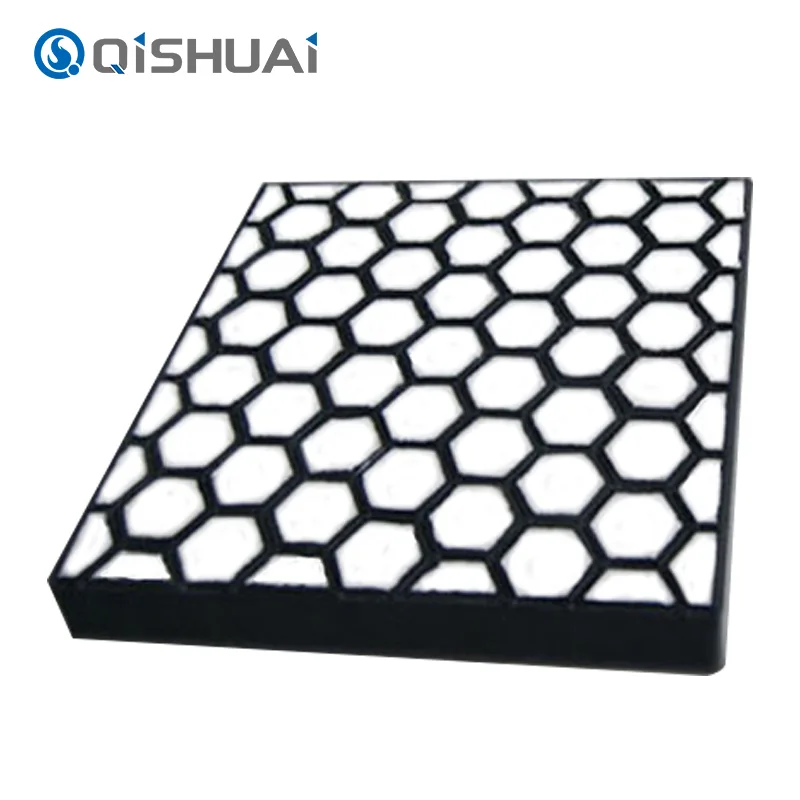
●Hexagonal ceramics

●Custom-shaped ceramics (tailored to equipment contours, such as curved pipes, hopper corners, and specialised sections of feed chutes)

These distinct shapes determine the ceramic arrangement within the rubber, ceramic coverage, exposed rubber surface area, and stress transfer pathways. Consequently, even with identical material composition and thickness, they exhibit significant performance variations.

II. Performance Comparison of Ceramic Plates with Different Shapes in Rubber Ceramic Wear Linings(Under identical material composition, thickness, and vulcanisation process conditions)

Performance indicators Cylindrical Rubber Ceramic Wear Linings Quadrilateral Rubber Ceramic Wear Linings Hexagonal Rubber Ceramic Wear Linings
Impact resistance Generally stronger (more rubber exposed, providing greater cushioning; circular edges exhibit less stress concentration) Medium (high ceramic coverage, relatively less rubber cushioning) Moderately firm (rubber distribution can be optimised through layout adjustments)
Abrasion resistance Relatively weak (low ceramic coverage, with the rubber layer wearing away first before the ceramic layer fully assumes the load) Enhanced (high ceramic coverage, more continuous wear surface) Stronger (with higher coverage and more uniform joints)
Anti-clogging agent / Anti-adhesion agent Relatively inferior (larger gaps, prone to forming ‘pocketed material’ structures) Better (smaller joints, smoother surface) Improved (with uniform seams, reducing material retention)
Installation and typesetting efficiency Relatively complex (layout requires precise control of spacing and alignment, otherwise affecting both appearance and structural integrity) Simpler (rules, easier to format, easier to check) Medium (requires templating/positioning, suitable for standardised products)
Key terms for applicable operating conditions High impact, large-sized material, drop point High wear, powdered/adhesive materials, extended slip zones Complex surfaces / irregular structures requiring high coverage while maintaining smoothness


III. Directly Procurable Selection Recommendations Based on Operating Conditions

1) High-Impact Conditions: Prioritise Cylindrical Rubber Ceramic Wear Linings

Typical Locations: Material drop points, hopper bottoms, chute impact zones, receiving sections of feed chutes

Typical Industries: Port bulk handling, mining crushing and conveying, power plant coal transportation

Selection Rationale:

●Circular structure is less prone to edge chipping and corner cracking, offering superior impact resistance;

●Greater rubber exposure effectively absorbs impact energy, reducing instantaneous stress on ceramic during impact;

●Significantly reduces premature liner failure risk for large-sized, high-drop materials.

Procurement Note: For extreme impact conditions, concurrently evaluate thickened ceramic or a triple-layer composite structure (‘rubber + ceramic + backing plate’), and confirm whether anti-slip or tear-resistant reinforcement layers are required on-site.

2) High wear / powdered or viscous material conditions: Prioritise quadrilateral ceramic-rubber liners

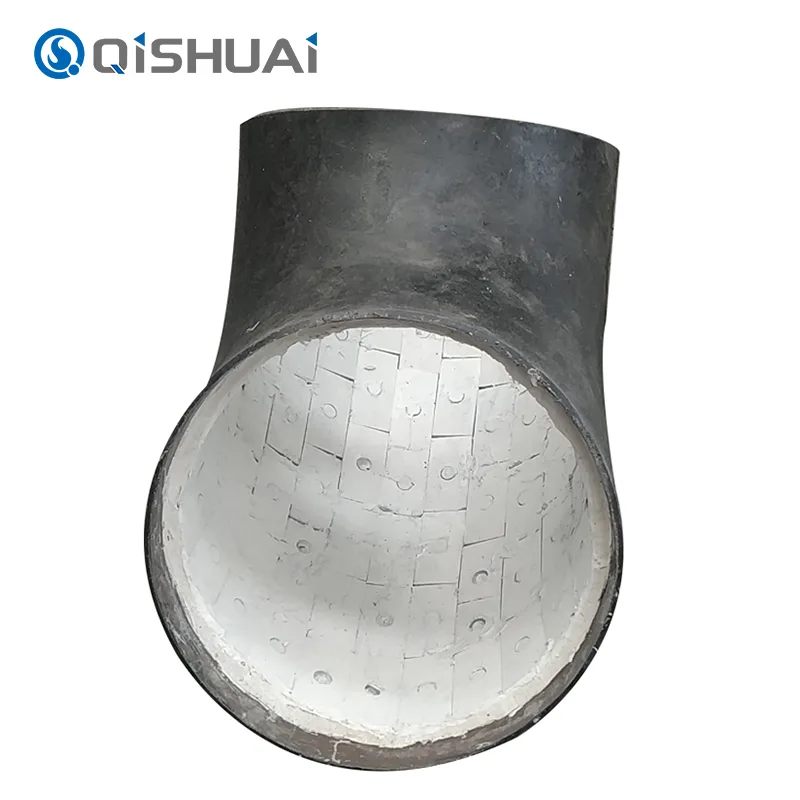
Typical locations: Chute sliding zones, hopper sidewalls, inner surfaces of conveyor pipe bends, chute sections beneath classification screens

Typical industries: Cement, lithium battery, steel, metallurgy, chemical powders

Selection rationale:

●Quadrilateral shape facilitates higher ceramic coverage and continuous wear surfaces, ideal for ‘prolonged sliding abrasion’;

●Minimised seams and smoother surfaces reduce powder retention in gaps, lowering material adhesion and blockage risks;

●Layout verification and quality inspection are more intuitive, enabling efficient on-site installation and simplified maintenance/replacement.

Procurement Considerations: For viscous materials or arching-prone applications, concurrently evaluate ceramic surface finish, overall liner flatness, and the potential requirement for anti-adhesion coatings or low-friction surface treatments (feasibility to be assessed based on operational conditions).

3) Irregular Structures / Complex Surfaces: Prioritise hexagonal or custom-shaped ceramic-rubber liners

Typical Locations: Elbow pipes, hopper corners, irregular sections of feed chutes, localised ‘dead zones’ within equipment

Typical Industries: Building materials, metallurgy, chemical processing, bulk material conveying system retrofits

Selection rationale:

●Hexagonal shapes typically offer superior contouring to curved and complex areas compared to square plates, reducing ‘hard folds’ and stress concentration;

●Custom-shaped ceramic plates can be tailored to equipment contours, enabling precise protection at critical points;

●For areas requiring both coverage and smoothness, hexagonal plates provide a more balanced solution.

Procurement Notes: Custom solutions typically require client provision of equipment drawings/on-site dimensions. Qishuai can supply templates and pre-layout proposals to ensure installation fitment and manageable delivery lead times.

IV. Core Advantages of Shandong Qishuai Rubber Ceramic Wear Linings (Why They Offer Greater Value for Procurement)

1) Comprehensive Product Synergy for One-Stop Wear Resistance Solutions

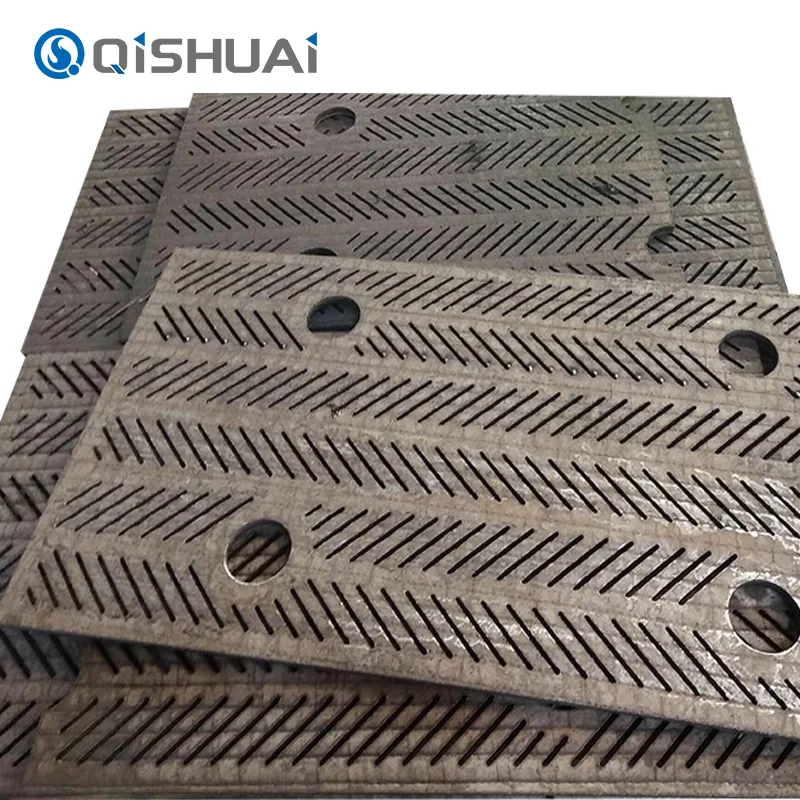
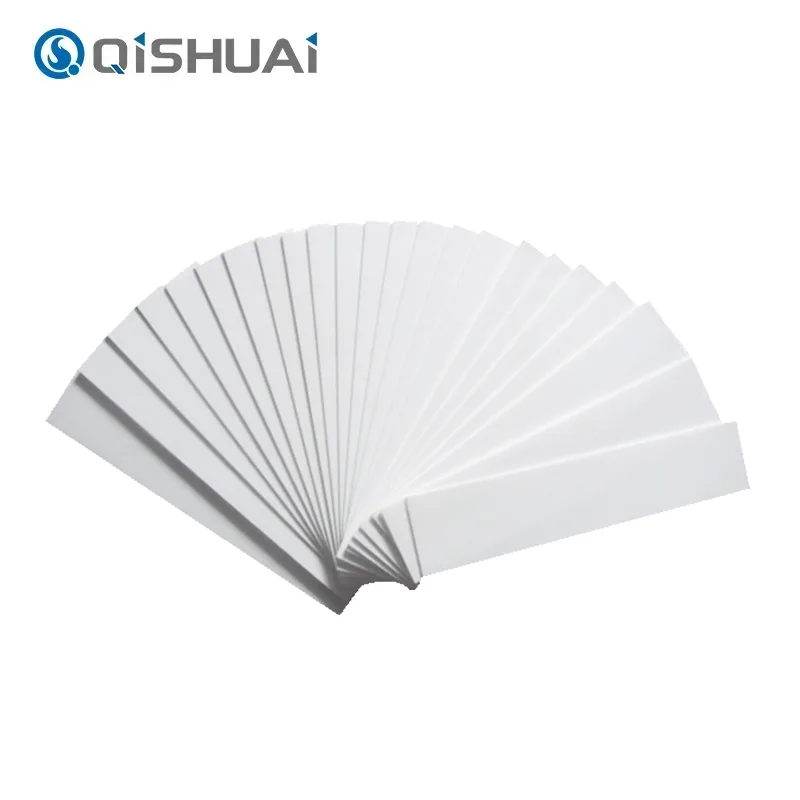
Ceramic Rubber Composite Plates Series: The primary solution combining impact resistance and wear resistance, suitable for most bulk material conveying equipment;

Alumina Ceramic Series: High hardness and cost-effectiveness, serving as one of the core ceramic materials for Rubber Ceramic Wear Linings;

Silicon Carbide Ceramic Series: Provides enhanced protection for higher temperatures, greater abrasion resistance, or more corrosive conditions;

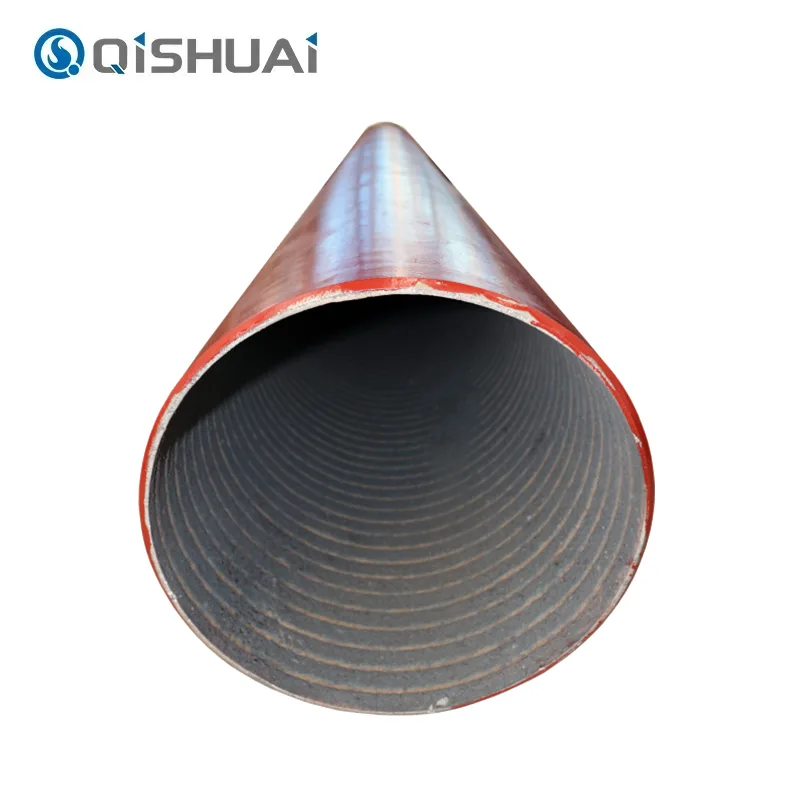
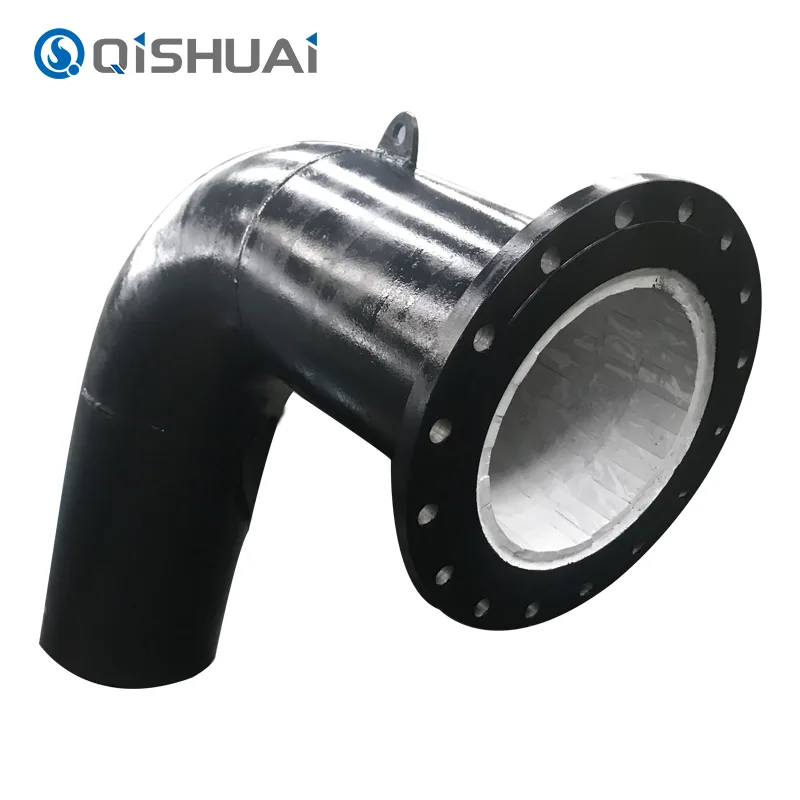
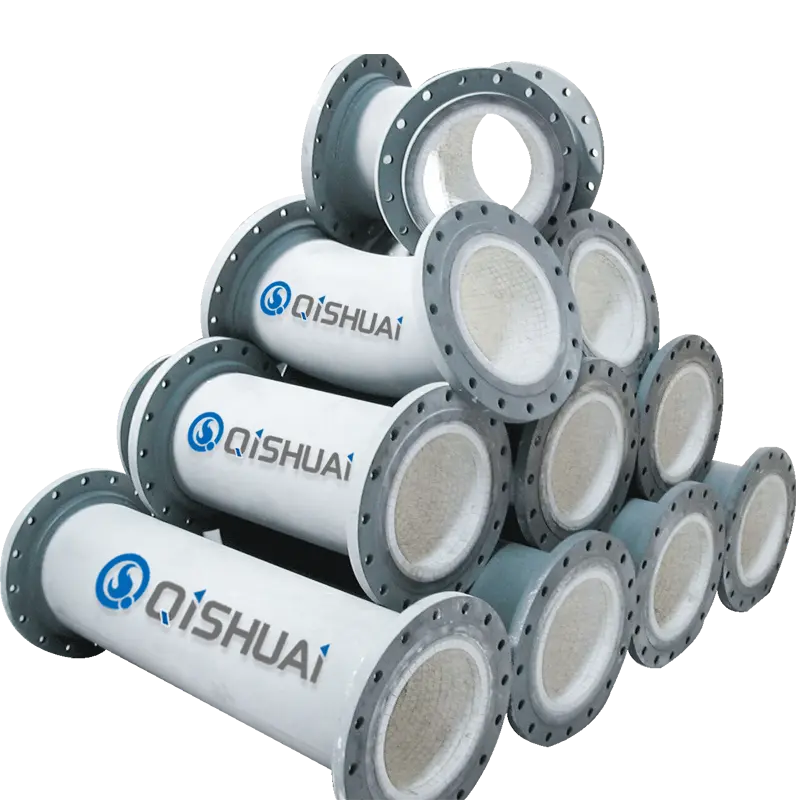
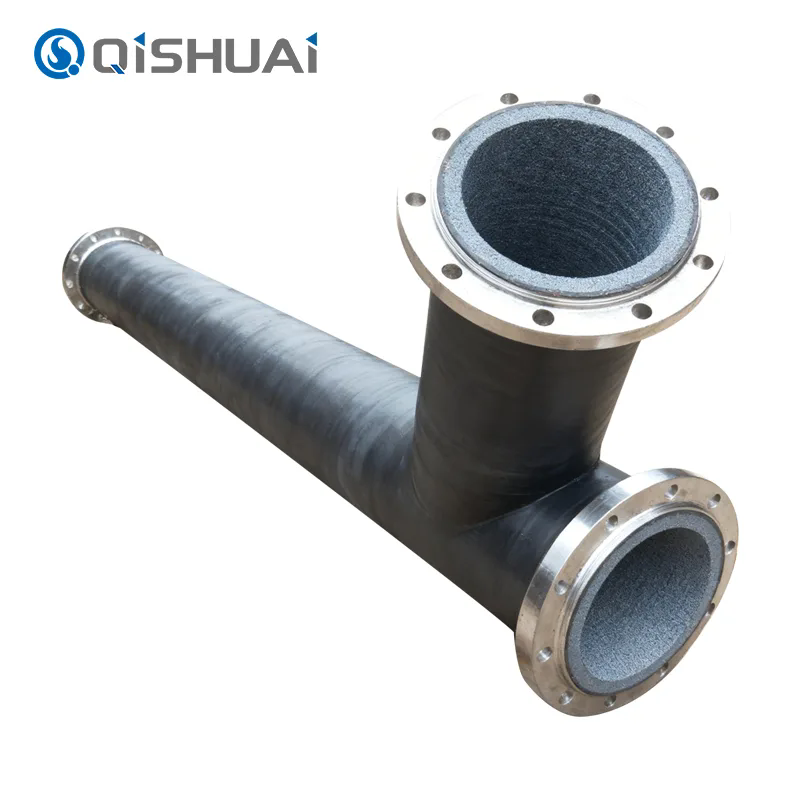
Composite Wear Pipe Series: Forms a ‘pipe + lining’ system protection with rubber ceramic linings, reducing overall wear points in the conveying system.

2) Process and Quality: Enhanced Bonding Stability and Extended Service Life

●Utilises a proven vulcanisation process to ensure robust bonding strength and temperature resistance between ceramic and rubber components;

●Features high dimensional accuracy in ceramic tiles with optimised edge treatment, minimising installation stress and reducing the risk of chipping during operation;

●Offers selectable rubber hardness grades and formulations (e.g., wear-resistant, oil-resistant, heat-resistant) tailored to specific operating conditions, thereby improving overall adaptability.

3) Engineering Capabilities: From Operational Analysis to On-Site Delivery

Qi Shuai emphasises that ‘operational conditions dictate product selection’, offering:

●On-site operational condition surveys and wear point analysis;

●Liner structural design (thickness, ceramic arrangement, fixing methods);

●Installation guidance and after-sales follow-up, helping customers transform ‘purchasing products’ into ‘solving problems’.

Please contact Shandong Qishuai at qishuai@zbqishuai.cn to obtain selection proposals and quotations, thereby reducing equipment wear and downtime costs.


Related News
Leave me a message
X
We use cookies to offer you a better browsing experience, analyze site traffic and personalize content. By using this site, you agree to our use of cookies. Privacy Policy
Reject Accept