News

How to Design CeramicLined Structures for Blast Furnace PCI Coal Injection Pipelines?

2026-08-19 0 Leave me a message

Blast furnace pulverized coal injection (PCI) systems demand consistent, trouble-free material transport for normal smelting workflows. Inside the pipeline, fine coal particles travel at high flow speeds and keep striking the inner wall over long operating hours. Even though pulverized coal feels soft compared with hard mineral ore, prolonged pneumatic transfer will gradually wear down pipe components. Pipe bends where flow direction shifts suffer the most damage.

Plant operators frequently run into these practical headaches:

· Severe material erosion on elbow sections

· Progressive wall thinning on local pipe segments

· Unexpected pipeline leakage leading to unplanned downtime

· Frequent part replacement for heavily worn pipe sections

To tackle these pain points, wear-resistant ceramic lining has become a mainstream protective option for high-wear zones within PCI pipelines. Simply fitting ceramic tiles onto pipe interiors will not deliver expected service life, however. Engineers need to tailor lining layouts based on real-world wear patterns along the whole conveying circuit.

What Triggers Wear on Blast Furnace PCI Pipelines?

Pipe damage rarely comes from air flow itself. The real driving force lies in solid coal particles carried inside the airstream. While running at high conveying rates:

· Solid particles repeatedly pound against inner pipe surfaces

· Fine coal grains generate persistent sliding abrasion.

· Flow redirection creates concentrated erosion spots.

The degree of wear is controlled by multiple field variables: coal particle size, actual conveying speed, system working pressure, flow stability, and pipe geometric layout. Since working conditions differ from one pipe segment to another, a one-size-fits-all lining solution cannot work well across the full PCI network. 

High-Wear Zones Worth Noting on Coal Injection Pipelines

Wear damage does not spread evenly over the full pipe length; it concentrates on several typical positions.

1. Pipe Elbows and Bends

Elbow units stand out as the most frequent failure location. When pulverized coal changes direction, particles keep moving forward under inertia and crash onto the outer arc of bends. This concentrated impact makes elbows degrade far faster than straight pipe runs.

2. Reducers and Diameter Transition Joints

Sudden pipe size shift disturbs air flow and rearranges particle distribution. Turbulent flow takes shape here and brings uneven material scouring. Without proper wear protection, reducers turn into weak links that need regular inspection and maintenance.

3. Feed Inlets and High-Velocity Pipe Segments

At feeding points and sections with elevated flow speed, particle collision frequency rises sharply. These locations should receive extra attention during wear protection planning.

Practical Ceramic-Lined Structure Design for Different Pipe Sections

Plant buyers and project engineers should match lining forms to local working conditions instead of applying identical lining everywhere.

Straight Pipe Segments

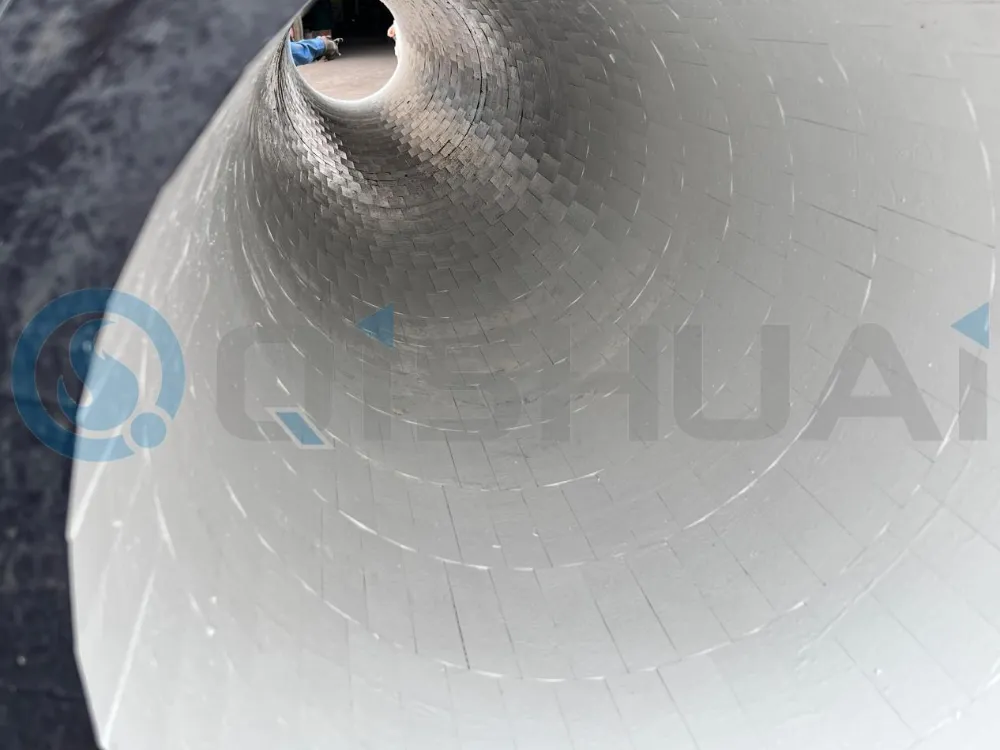
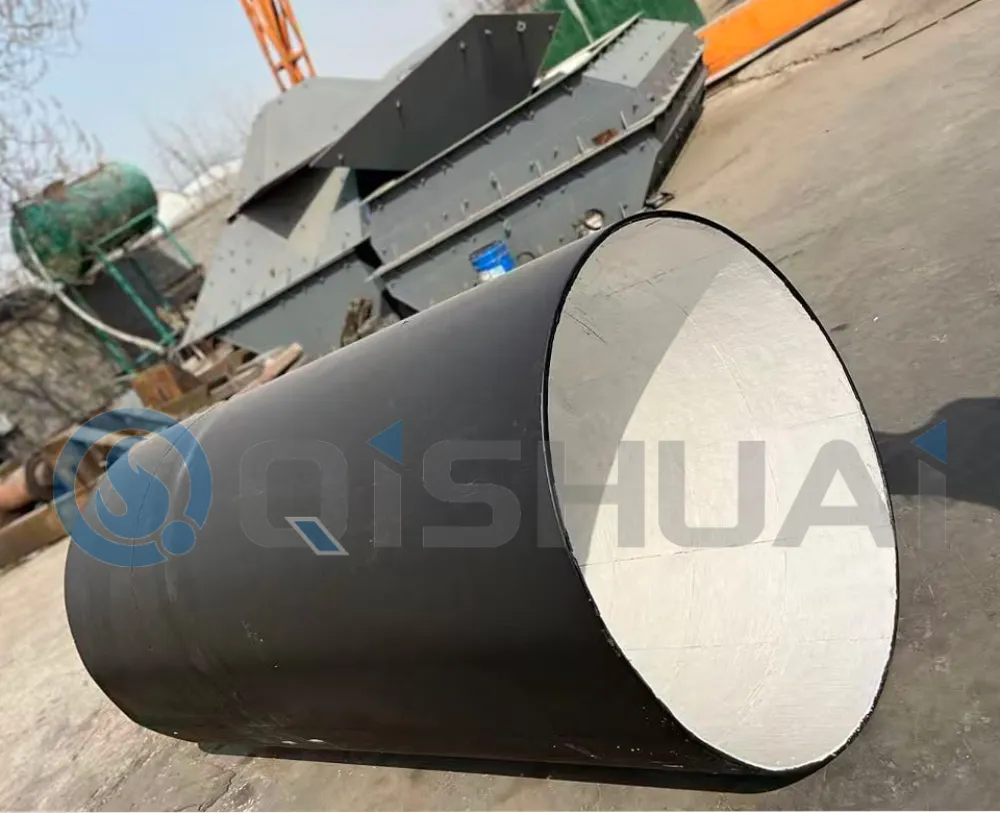
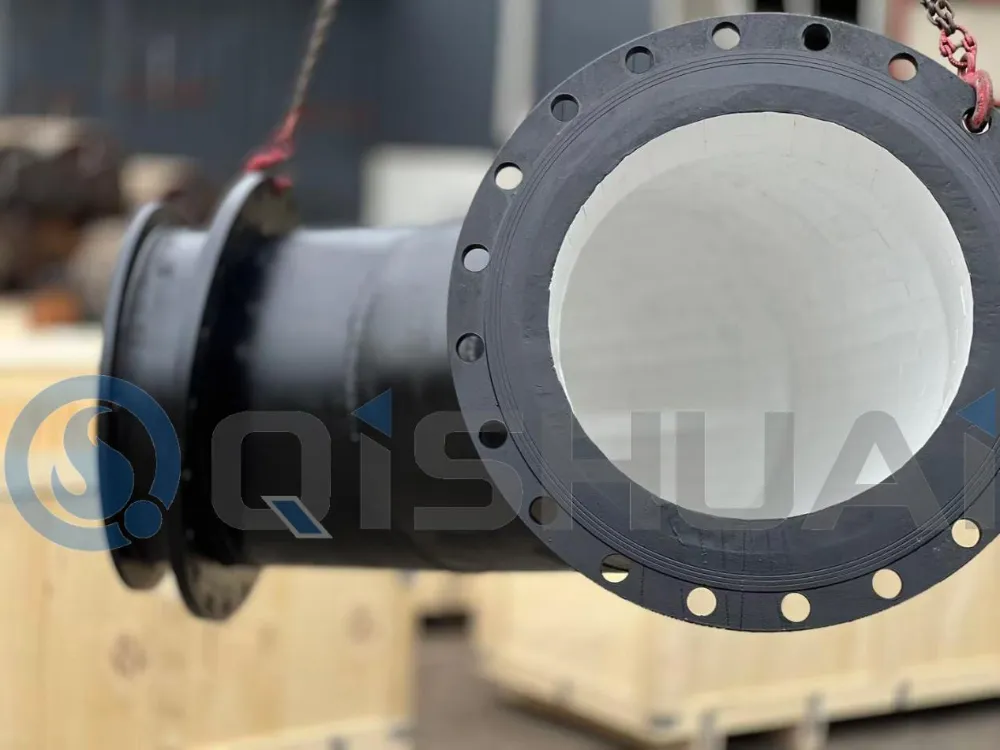
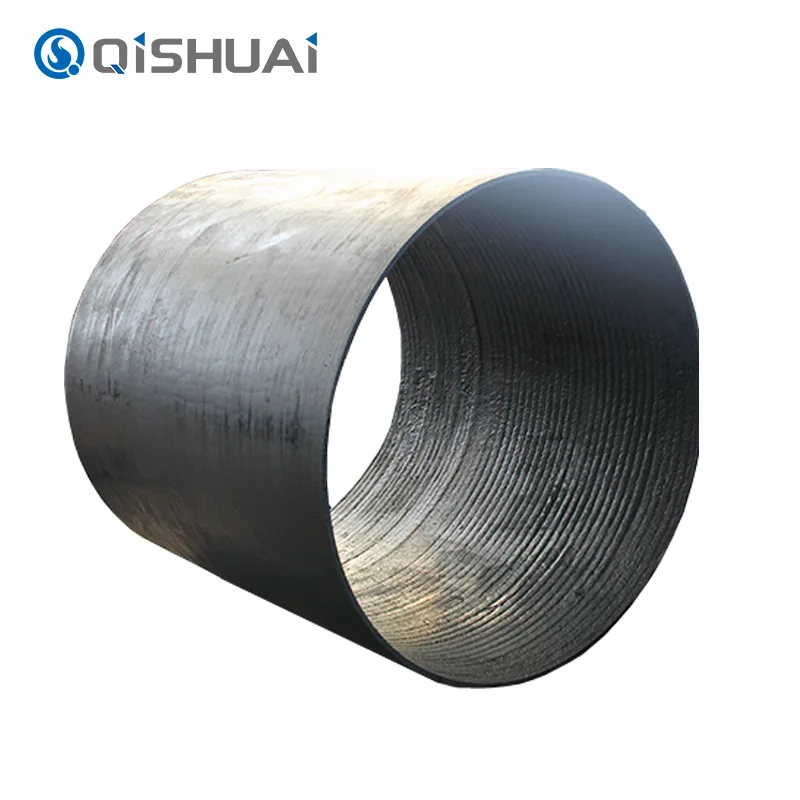
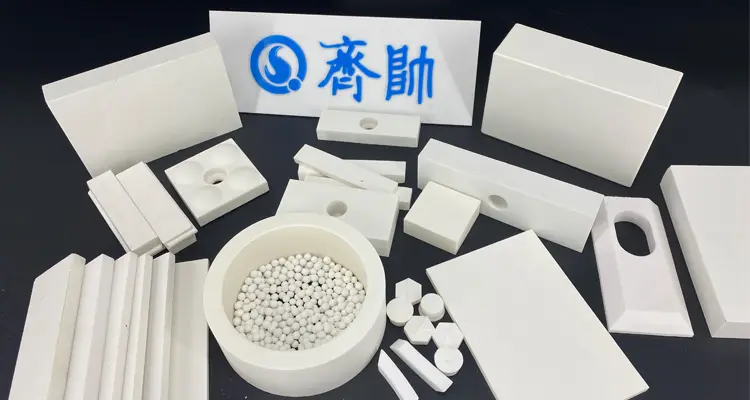
Straight pipeline sections mostly suffer uniform sliding friction. Integrated alumina ceramic sleeves or prefabricated ceramic-lined pipe work are great for these sections. This setup delivers a continuous wear-proof inner surface, preserves smooth material flow, and slows wall abrasion for long-term powder transportation. Shandong Qishuai Wear Resistant Equipment Co., Ltd. supplies complete sets of composite pipe series covering straight runs, bends, and transition pieces for PCI system retrofits and new-build projects.

Elbow and Bend Sections

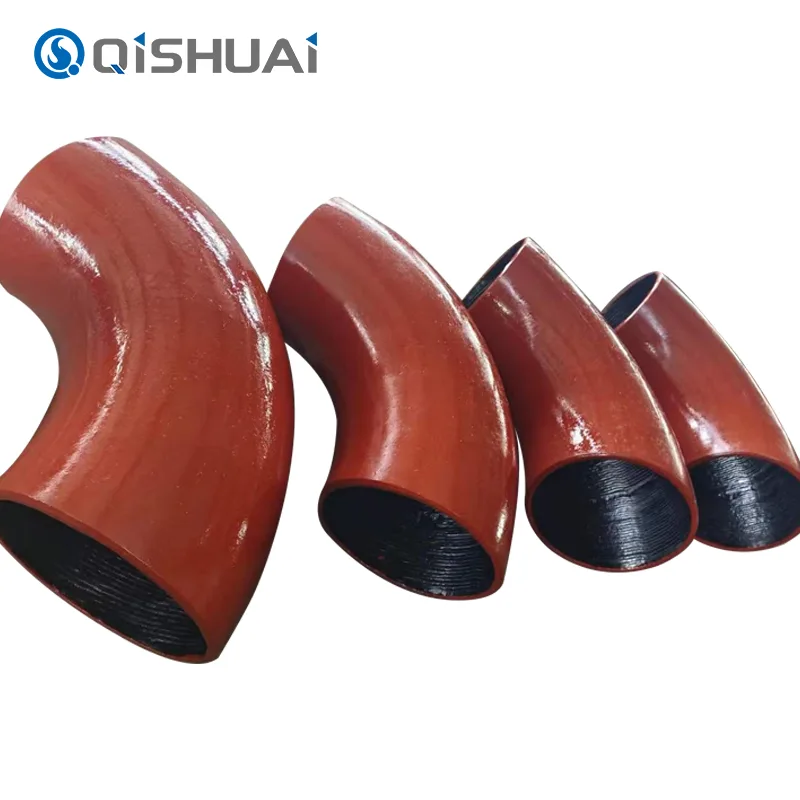
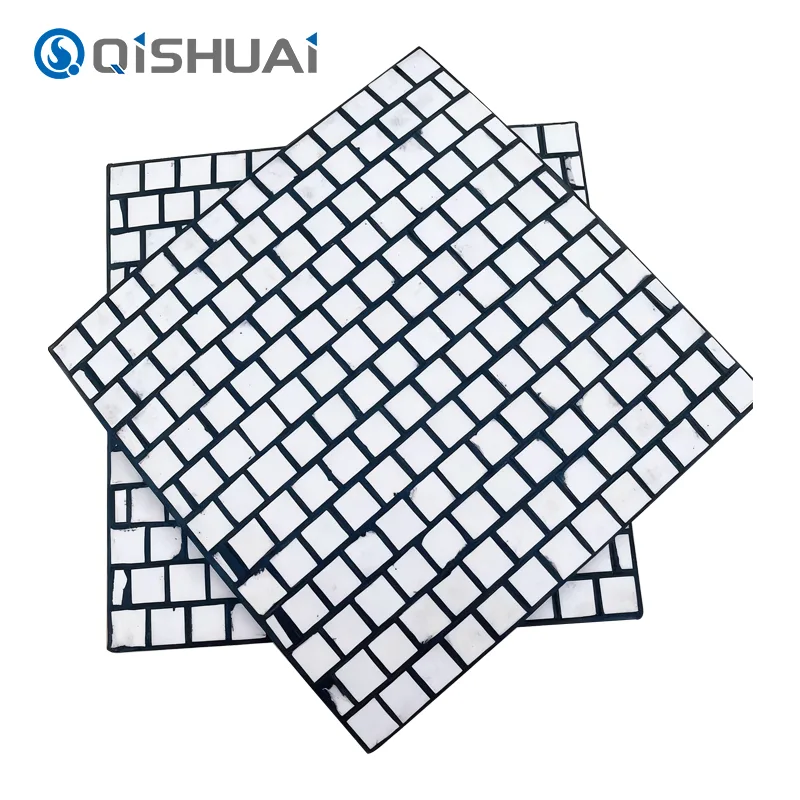
Elbows endure combined impact and friction loads stronger than straight pipes, so reinforcement is essential. Site-proven options include split-type ceramic sleeves, pre-fabricated ceramic-lined elbows, and locally thickened ceramic wear zones. For operating sites with extra heavy particle impact, products from the rubber ceramic composite series can be selected to absorb shock and lower the risk of ceramic chipping. Our product portfolio also includes the chromium carbide overlay welding series for alternative wear protection solutions under special working scenarios, while the silicon carbide ceramic series can be considered for extreme corrosion and abrasion combined service as an alternative material choice.

Reducer and Transition Segments

Besides resisting wear, reducers must maintain steady material transition. When designing ceramic lining for these parts, keep inner contour transitions gentle, avoid abrupt flow path mutation, and cut down turbulent eddies. Assembled segmented ceramic components fit complex reducer geometry better than monolithic liners in most cases.

How to Pick Suitable Ceramic Grade for PCI Pipeline Service

Material selection depends on onsite wear intensity and expected operation cycles.

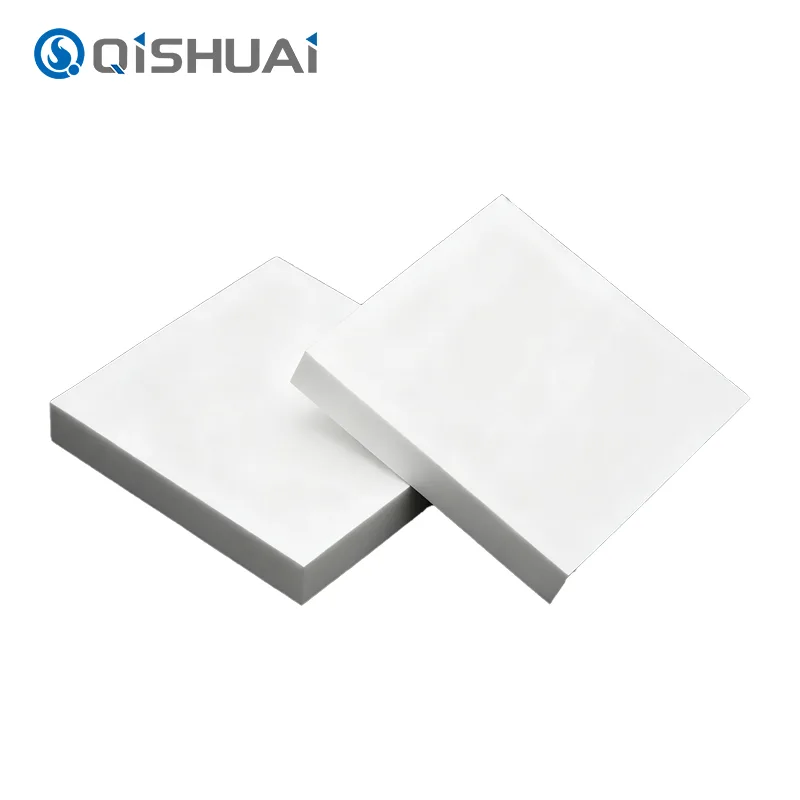
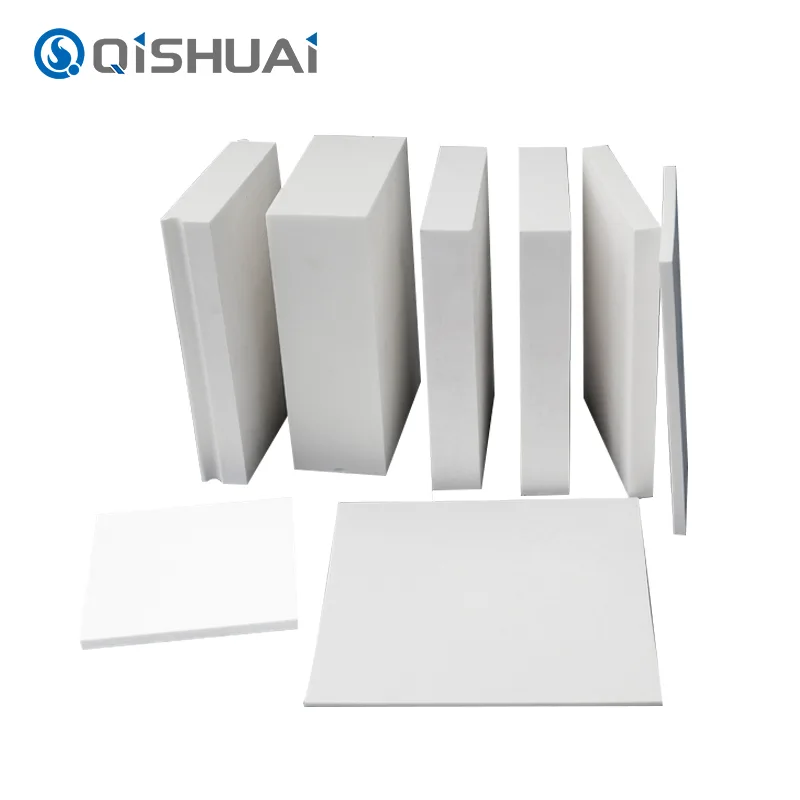
92% alumina ceramic lining is fit for general-level pulverized coal transfer with moderate abrasion. It balances decent wear resistance and project budget for common PCI working conditions.

95% alumina ceramic lining is fit for non-stop long-run production with higher wear requirements. It features higher material density, better anti-abrasion performance, and extended service cycles, widely adopted in many large-capacity blast furnace coal injection projects.

Rubber-ceramic composite structure Recommended for circumstances with heavy particle impact, high flow velocity, and mechanical shock loads. The backing rubber layer dissipates impact force and reduces ceramic fragment risk.


Auxiliary Pipeline Optimizations to Slow Component Degradation

Ceramic lining serves as one key measure rather than the whole solution. Overall pipe layout also influences actual service lifespan.

Manage conveying velocity reasonably. Higher flow speed amplifies particle impact energy. System tuning should guarantee stable coal delivery without pursuing unnecessarily high velocity.

Adopt a large-radius elbow layout. A large bend radius eases sharp particle impact, suppresses turbulence, and mitigates concentrated local scouring.

Minimize unnecessary flow disturbance. Try to avoid abrupt diameter change, sharp short-radius bends, and poorly aligned pipe joints so that wear load distributes more evenly.

Standardize on-site installation procedures. Even premium ceramic components will fail prematurely with poor fitting quality. Steel substrate surface treatment, adhesive application, ceramic tile alignment, and joint gap control all matter greatly. A smooth inner surface helps prevent extra turbulence-triggered secondary abrasion.


Will Ceramic Lining Stop PCI Pipeline Wear Entirely?

Ceramic lining greatly slows down pipe degradation, yet it cannot eliminate wear completely. Real-world service performance is subject to coal material features, actual conveying parameters, pipeline layout, and execution quality of field installation. The core value of ceramic lining lies in prolonging maintenance intervals and lowering component replacement frequency for blast-furnace PCI circuits.

Final Thoughts

Rational ceramic-lined structure design for blast furnace coal injection pipelines starts with identifying where and how wear takes place. Straight pipe sections rely on continuous alumina ceramic sleeves; elbows call for reinforced anti-impact protection; transition reducers need lining structures maintaining stable material transition.

Procurement engineers can evaluate alumina-based ceramic solutions together with alternative options, including the chromium carbide overlay welding series, rubber ceramic composite series and composite pipe series according to site parameters. Pairing proper lining hardware with optimized pipeline layout enables PCI facilities to achieve longer component life, fewer production halts, and steadier blast furnace operation.

Instead of simply specifying thicker ceramic tiles, it makes more sense to customize lining schemes based on real coal-conveying working conditions. If you are sourcing wear-resistant pipe components for blast furnace PCI modernization or new construction projects, feel free to send an email to our team at Shandong Qishuai Wear-Resistant Equipment Co., Ltd. Share your pipeline dimensions, coal quality parameters, and operating conditions, and we will work out targeted product suggestions for your project.


Email: qishuai@zbqishuai.cn

Related News
Leave me a message
X
We use cookies to offer you a better browsing experience, analyze site traffic and personalize content. By using this site, you agree to our use of cookies.Privacy Policy
RejectAccept