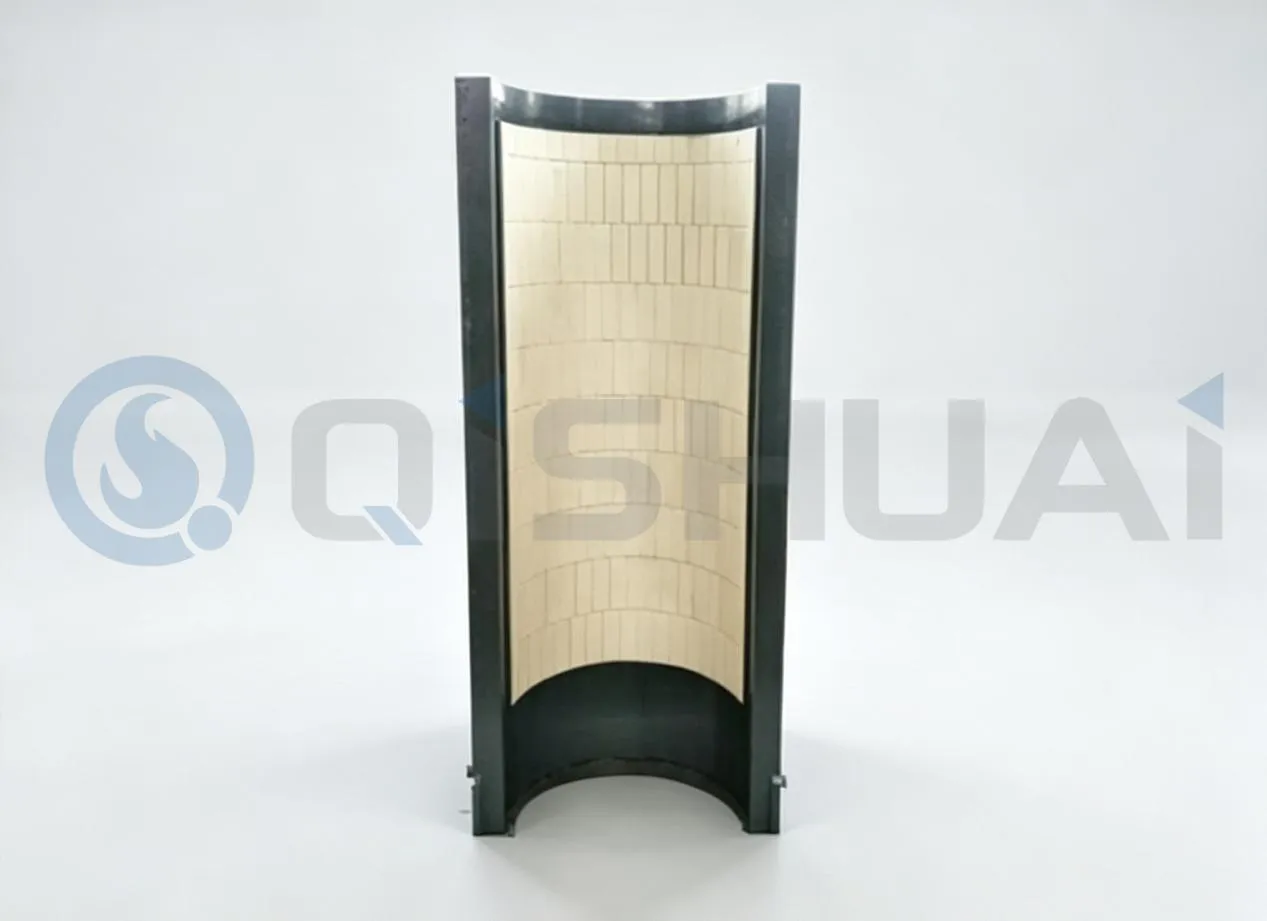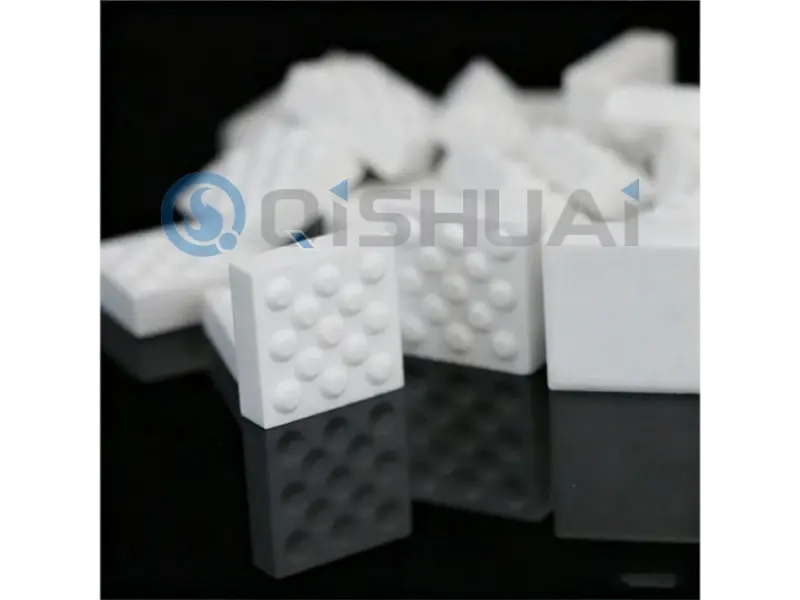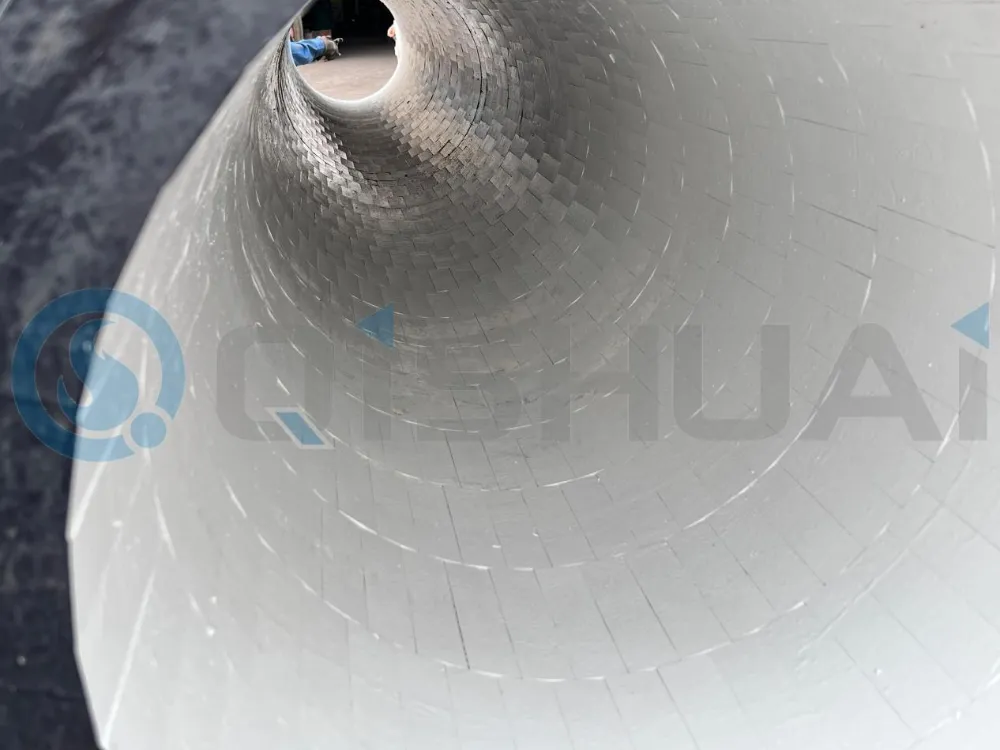
Shandong Qishuai Wear-Resistant Equipment Co., Ltd. supplies Alumina Ceramic Wear Liner and custom wear protection packages to resolve ash accumulation headaches on dust collector hoppers in thermal power plants. Fly ash with poor flow characteristics easily clings to hopper inner walls, triggering operational disruptions for many power generation sites.
When fly ash fails to discharge freely, layers of ash build up gradually on hopper surfaces. Over time, operators face lower ash throughput, frequent hopper bridging, extra manual cleaning work, and unplanned equipment downtime. Many plant buyers attribute blockage solely to ash material properties, yet the finish of the hopper’s inner steel wall also plays a major role. Worn, rough steel surfaces create anchor points for fine ash particles to stick. That is why site teams often pick Alumina Ceramic Wear Liner for hopper refurbishment. This lining option does not alter ash physical traits, but delivers a stable, low-friction working surface to streamline ash discharge.
Fly ash consists of fine particulate powder, and its flow performance shifts under long-run operating conditions. A brand-new steel hopper has a relatively smooth surface at first. Constant ash sliding scuffs the metal and creates rough pits over time, where tiny ash grains get trapped. Additional factors including material moisture swings, temperature fluctuation and static charge also raise the risk of wall adhesion.
Once a thin ash layer forms, it acts as a foundation for more deposits. The thicker the buildup, the harder ash slides down, forming a vicious cycle of repeated blockages. Therefore, minimizing initial particle adhesion is critical to keep hoppers running smoothly.
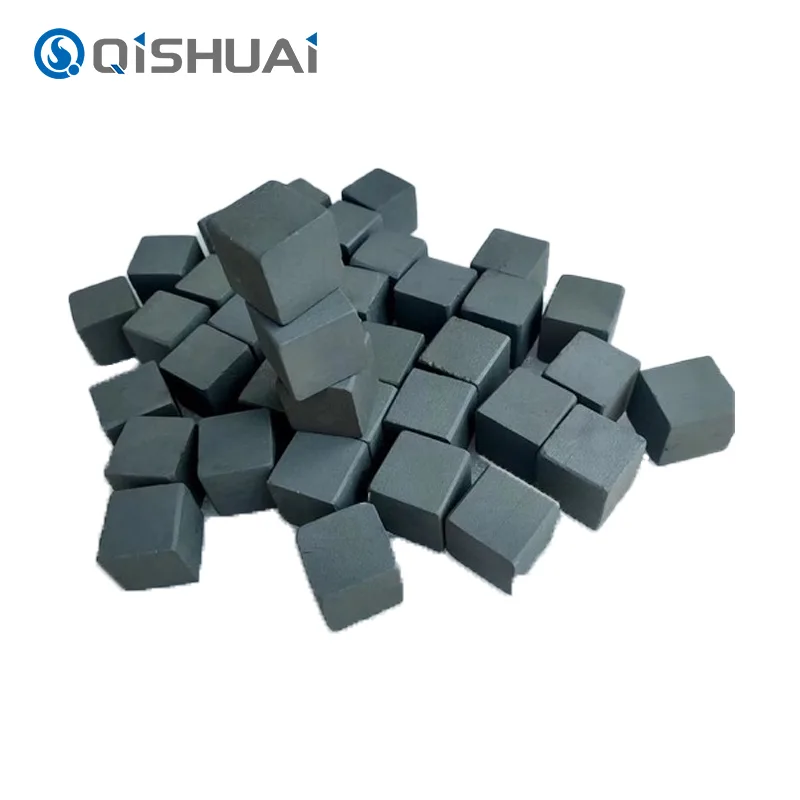
Alumina Ceramic Wear Liner upgrades the contact surface between ash and hopper wall. Compared with plain carbon steel, alumina ceramic boasts superior hardness and stable surface quality, resisting deep scratching under continuous ash movement. Its consistently smooth finish cuts down friction between fly ash particles and hopper walls.
With reduced surface friction, ash slides more readily along sloped hopper panels, less localised ash deposits form, and discharge stays steady for longer run cycles. Besides improving material flow, this liner shields the base steel structure. The ceramic layer bears most abrasive wear instead of the steel substrate, preserving a uniform inner surface year after year.
Wear intensity varies across different hopper sections, so lining structures should match local working conditions.
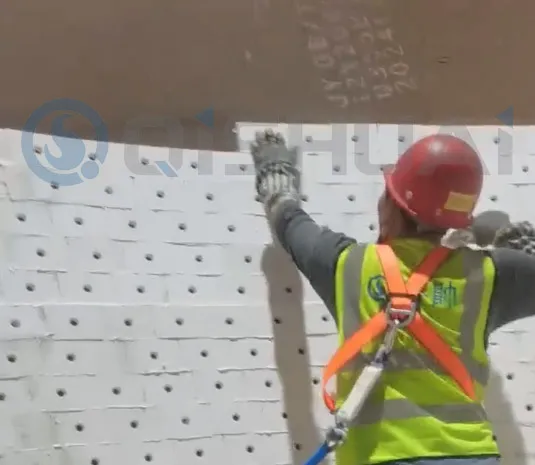
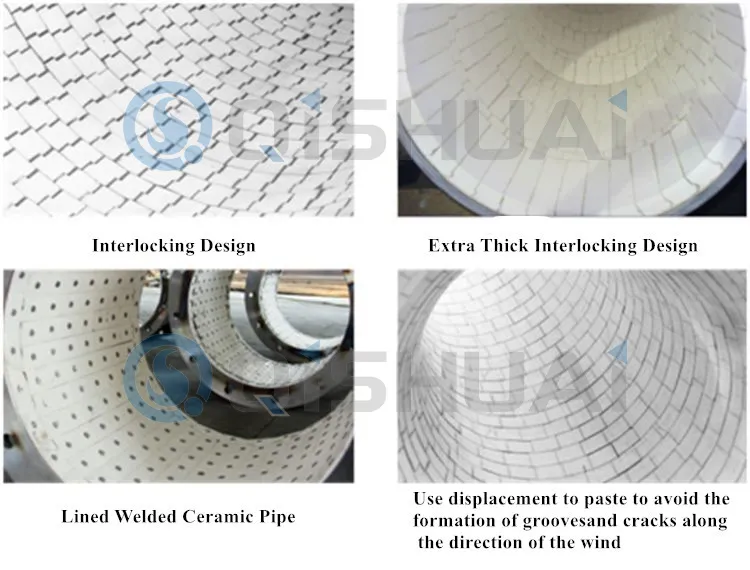
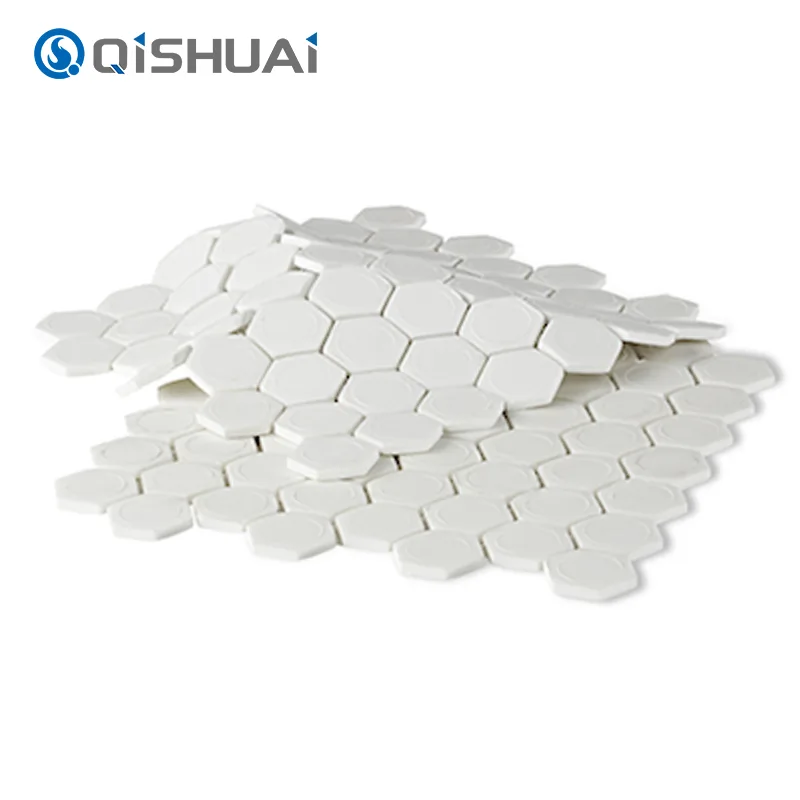
1. Hopper Side Walls: Dominated by continuous sliding abrasion Side walls endure persistent particle sliding and frictional wear. Standard alumina ceramic tiles fit well for these regions. They form a hard protective barrier to stop steel erosion while supporting better ash flow. For curved or irregular hopper profiles, mosaic ceramic liners offer flexible full coverage.
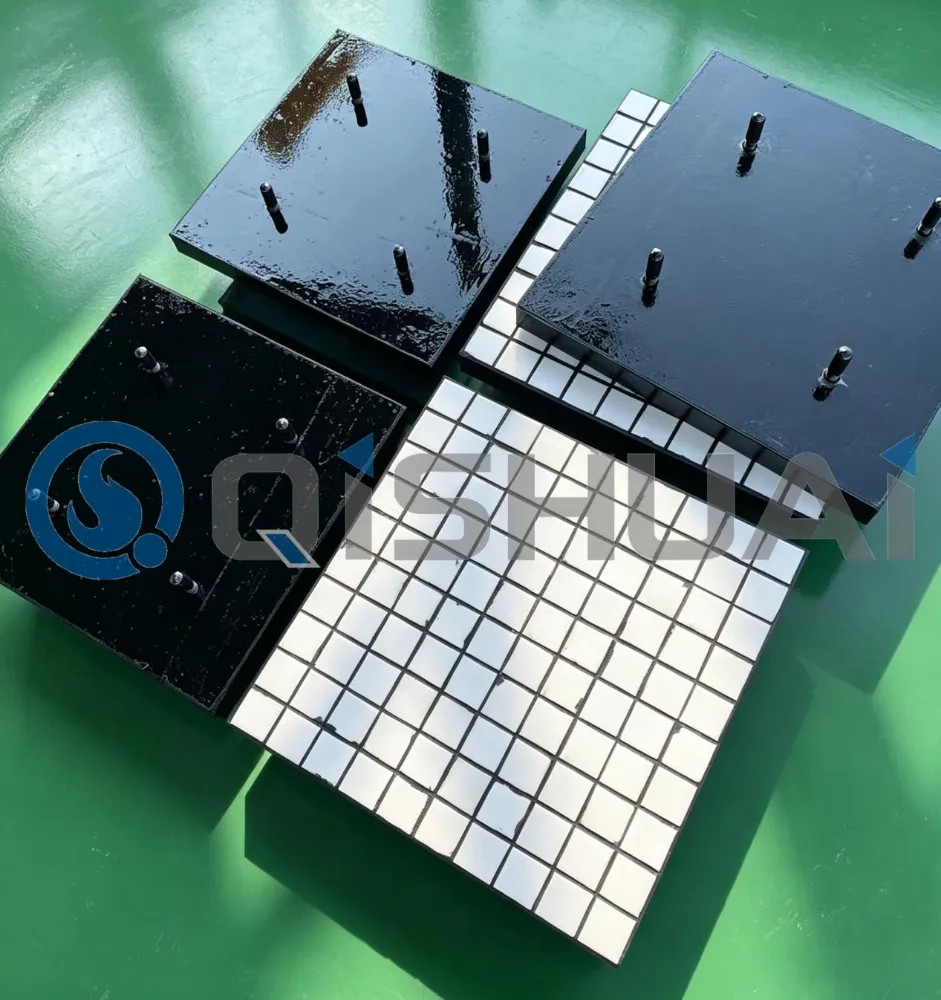
2. Hopper Bottom & Impact Zones: Heavy mechanical loading The bottom section bears concentrated material impact when ash falls from height, sometimes mixed with coarse particles. Pure ceramic tiles may crack under heavy impact. For such demanding working conditions, our rubber ceramic wear linings absorb impact energy while maintaining strong abrasion resistance.
3. Outlet & Transition Sections: Concentrated local erosion Material flow speeds up at discharge outlets, creating turbulence and targeted wear. Engineers can choose thicker ceramic lining or reinforced composite solutions here based on abrasion severity.
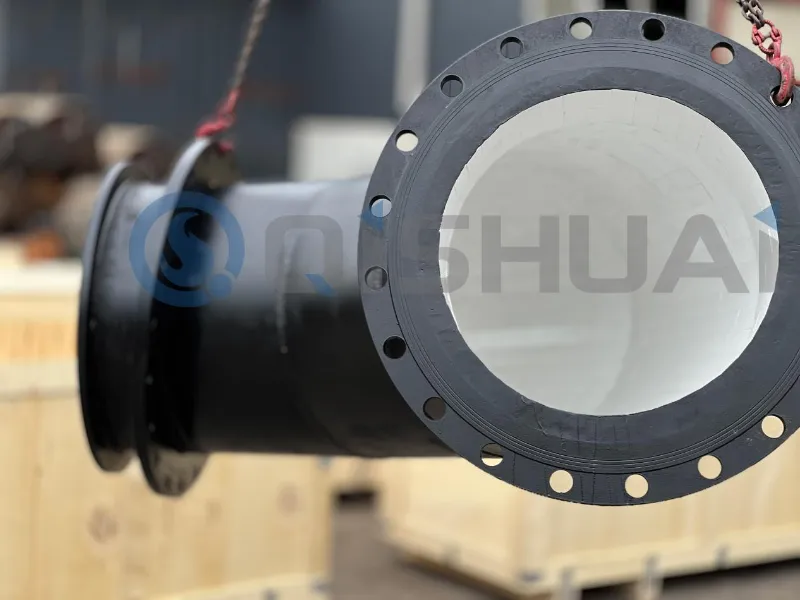
Aside from ceramic lining options, our product portfolio also includes chromium carbide overlay series for heavy abrasive sites, composite pipe series for conveying pipelines, and silicon carbide ceramic series for high-temperature corrosive working environments.
It is worth clarifying that Alumina Ceramic Wear Liner mitigates blockages caused by rough surfaces and high friction, yet it cannot fix every root cause of ash buildup. Severe caking may stem from excess moisture in fly ash, poorly designed hopper angles, inadequate discharge equipment or unstable process parameters. If the original hopper structural design has flaws, simply installing lining will not fully resolve bridging issues. The best outcomes come from combining well-designed hopper geometry with suitable wear-resistant lining.
Buyers should identify core equipment failures before selecting lining products.
· If continuous abrasion and steel wall thinning are your main concerns: alumina ceramic tile liners are the preferred option.
· For curved surfaces or complex installation shapes: mosaic ceramic liners deliver seamless coverage.
· When the area faces both impact and abrasion: rubber ceramic composite liners prove more dependable.
The core principle is not to use the hardest material everywhere, but to deploy targeted lining solutions for each wear zone.
Alumina Ceramic Wear Liner serves as a practical solution to reduce ash buildup and wall sticking for power plant dust collector hoppers. It creates a hard, smooth and long-lasting lining surface, lowering friction, protecting steel substrates and sustaining stable ash discharge during continuous production.
Different hopper zones carry distinct wear loads, so side walls, impact zones and discharge outlets need differentiated lining structures. To select the most cost-effective lining solution matching your onsite temperature, ash characteristics and wear conditions, please email our technical team with your hopper drawings and working parameters for a tailored quotation and design proposal.
Email:qishuai@zbqishuai.cn