News

What Key Details Should You Prepare Before Sourcing Chromium Carbide Overlay Pipe?

2026-11-05 0 Leave me a message

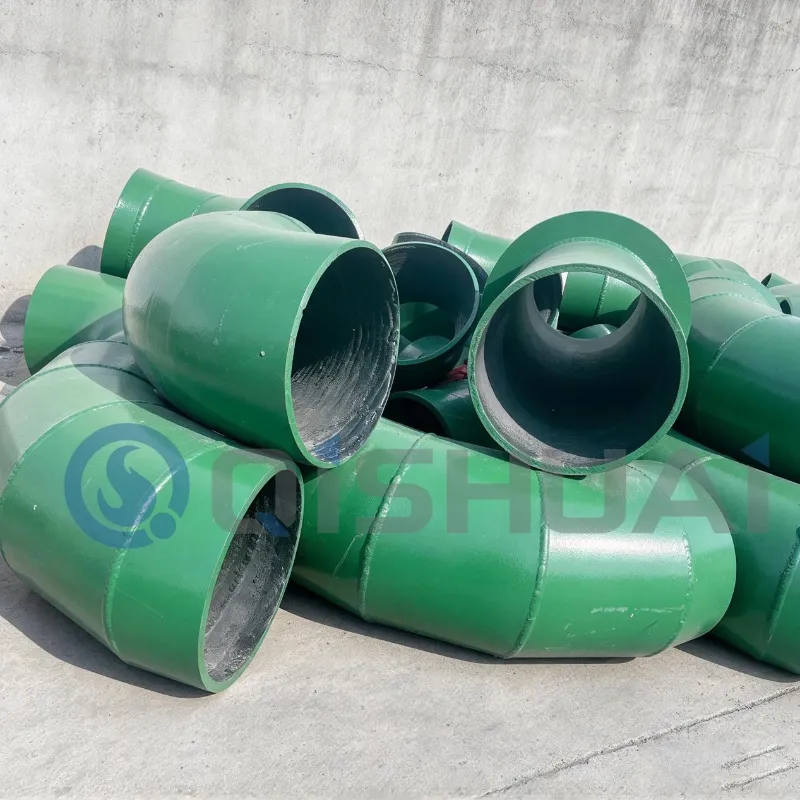
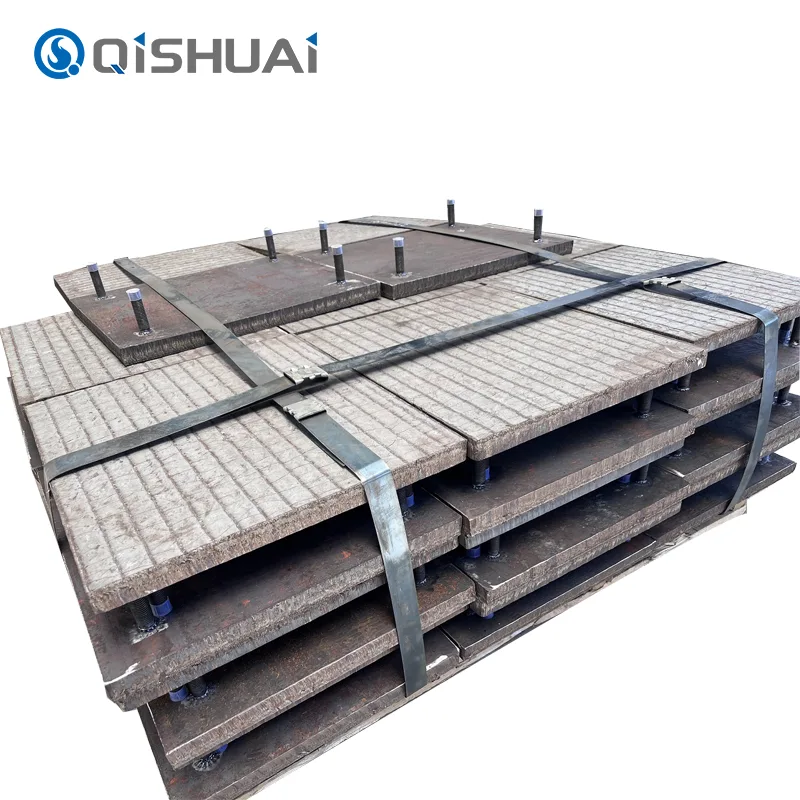
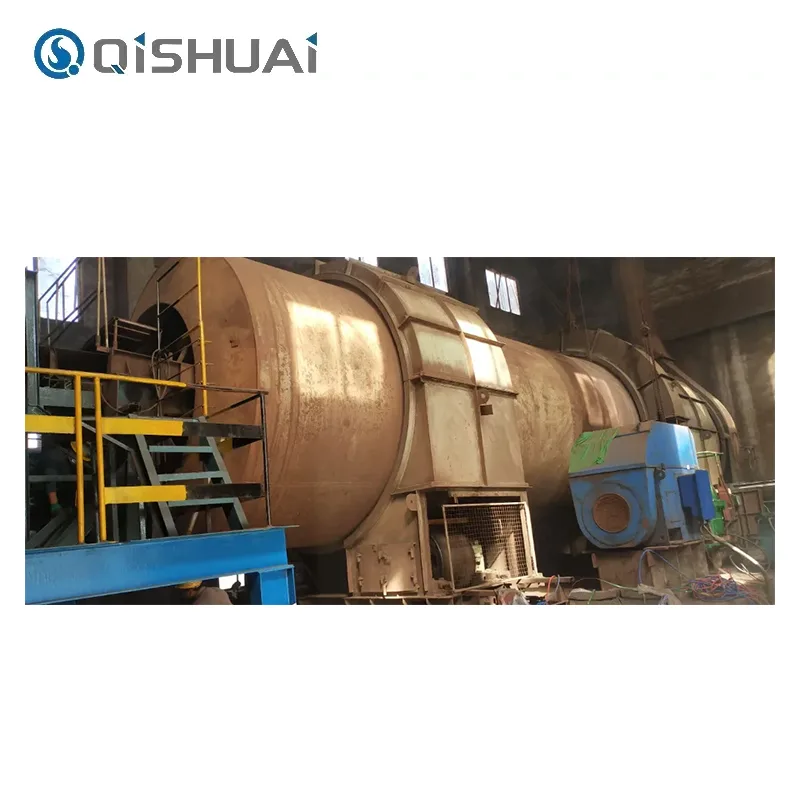
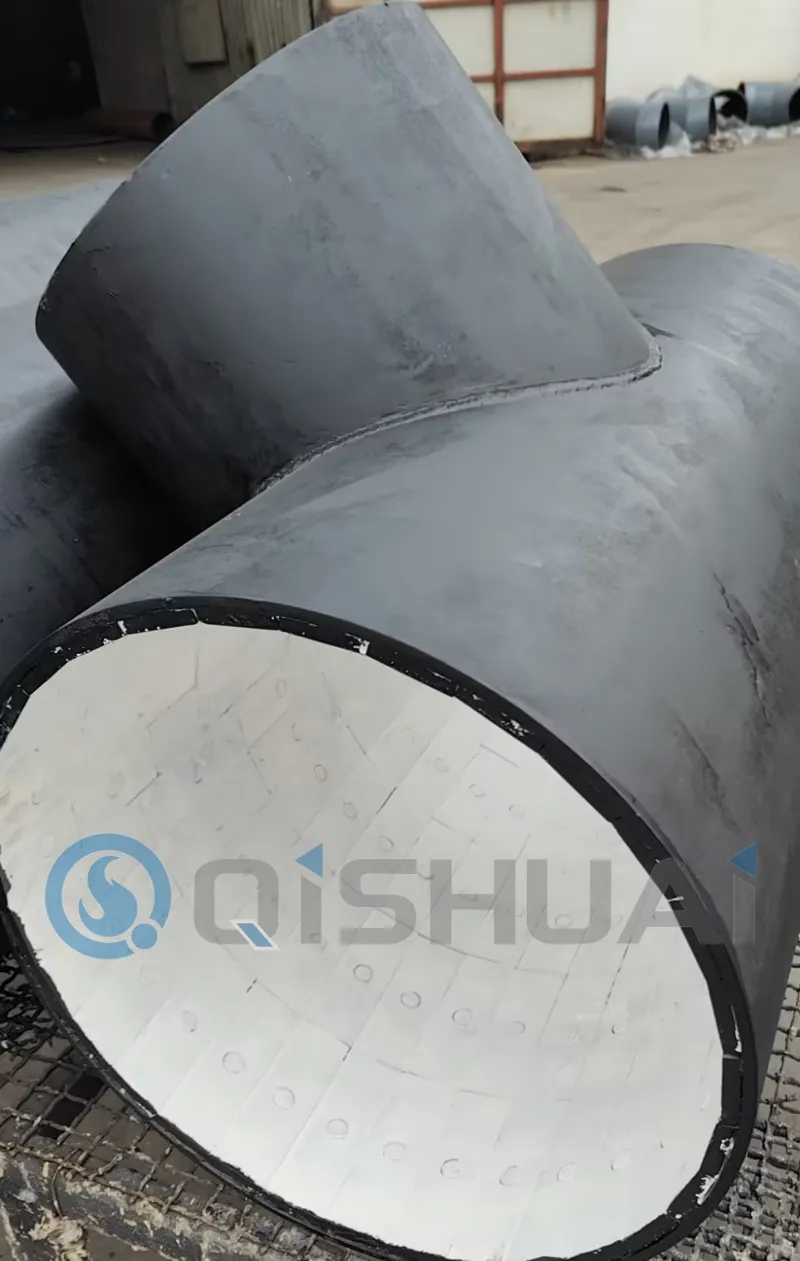
Shandong Qishuai WearResistant Equipment Co., Ltd. frequently supports custom pipeline projects, where Chromium Carbide Overlay Pipe is selected to handle heavy abrasion from ore, ash and slag across mining, cement and steelplant sites. Many procurement teams submit incomplete technical data, leading to performance mismatch, installation headaches or shorter than expected service life after delivery.

Chromium Carbide Overlay Pipe

Chromium Carbide Overlay Pipe belongs to application-specific engineered parts rather than off-the-shelf stock goods. Pipeline wear comes from mixed abrasive scouring, high-speed particle erosion and sporadic impact loads. No single index like hardness or overlay thickness can fully guarantee field performance. Balancing hardness and toughness, plus reliable bonding between the overlay and base steel, matters far more for real-world operation. Below are core points buyers need to sort out ahead of formal inquiries.

  • Confirm basic pipe structure type First clarify where the wear-resistant hardfacing layer will sit. You can pick internal overlay, external overlay, or dual-sided hardfacing for extra harsh conditions. Also define geometry: straight sections, elbows, reducers, tees or special transition pieces. Different shapes change welding heat input, distortion control and overall manufacturing difficulty.
  • Collect full process and medium parameters This set of information forms the foundation of proper solution design. Record what material will flow inside the pipeline, particle size distribution, operating temperature, and typical impact intensity. Even a well-made chromium carbide overlay pipe will underperform if specifications do not match actual conveyed media.
  • Lock down pipe dimension and tolerance requirements Note outer/inner diameter, base steel wall thickness, single-piece length, and acceptable dimensional tolerance. Base pipe thickness influences cooling speed during hardfacing and further affects the risk of microcracks on the overlay surface. Accurate dimension data avoids fit-on-site errors when connecting with existing equipment.
  • Define wear-resistant overlay requirements Specify expected overlay thickness according to local wear rate and target maintenance interval. Keep in mind that blindly increasing thickness cannot extend service life endlessly; poor bonding quality will limit actual usable lifespan.
  • Clarify fabrication and installation constraints Note whether segmented welding is allowed, requirements for integrated branch outlets, flange standards, and compatibility with your existing onsite pipeline. Mismatched connection standards are one common trigger for field assembly troubles.

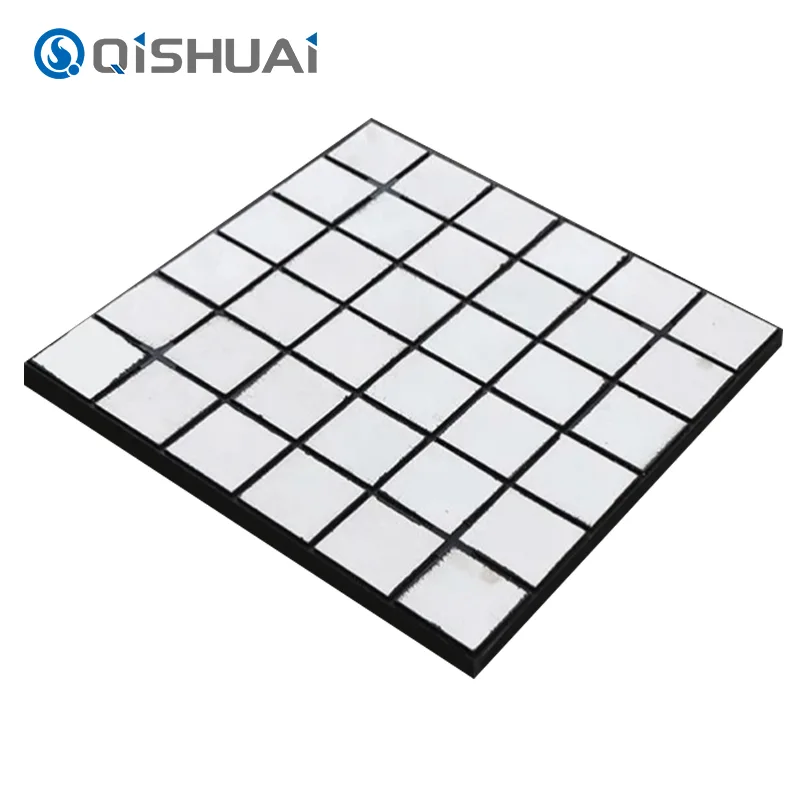
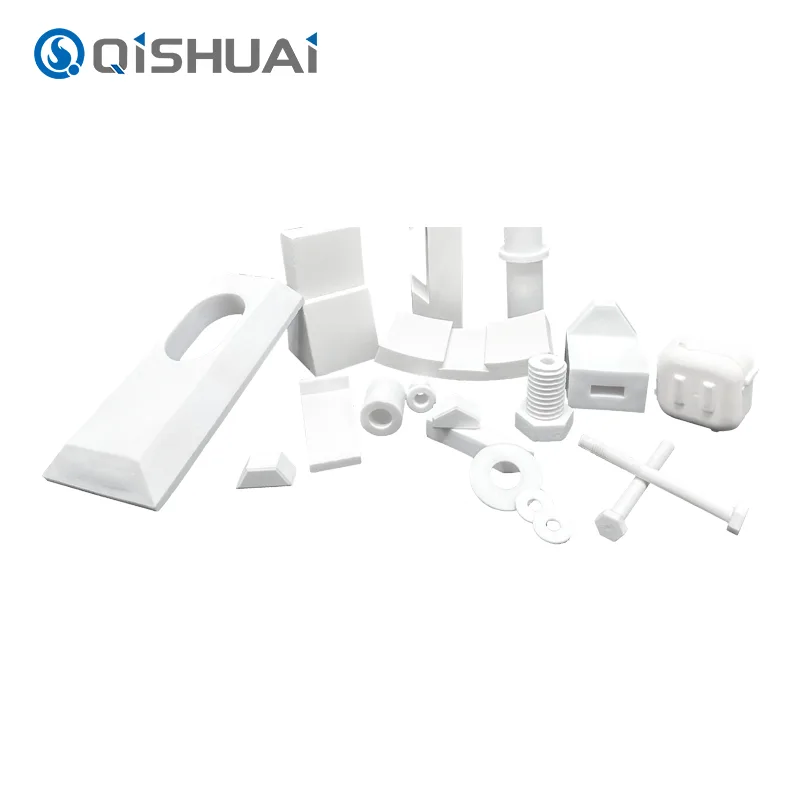
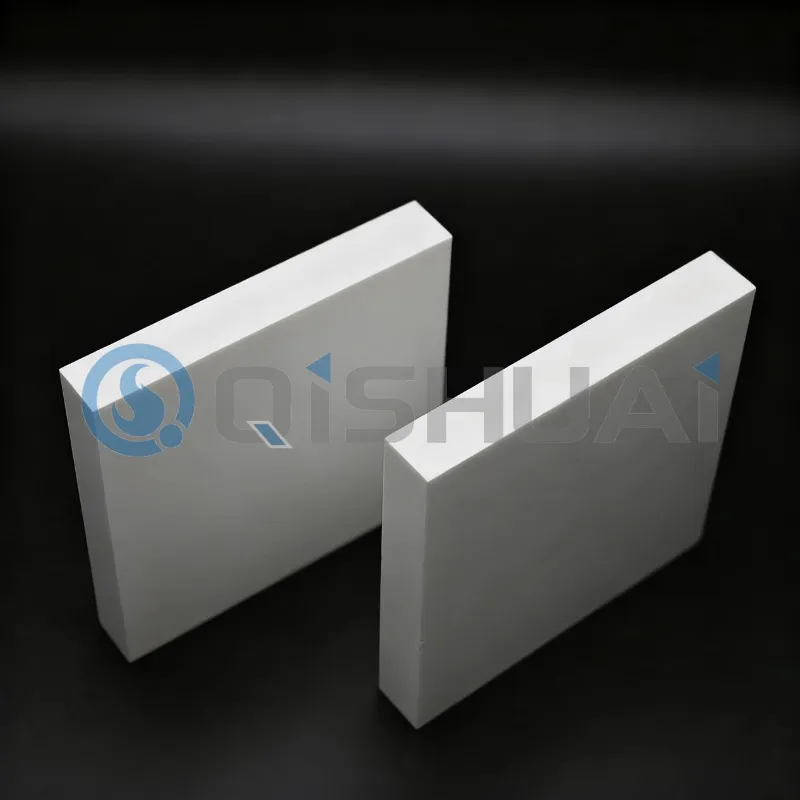
Apart from Chromium Carbide Overlay Pipe, our product portfolio also supplies alumina ceramic series, Ceramic Rubber Composite Plates series and composite pipe series to cover diversified wearprotection scenarios for bulkmaterial conveying lines.

Suppliers fall into two general categories: vendors offering fixedsize standard goods, and engineeringoriented manufacturers. An engineeringdriven partner does not merely produce parts, but analyses wear mechanisms and proposes matched hardware for your unique working conditions.

If you plan to procure wearresistant pipeline components, organize your drawings, medium characteristics and operating parameters first. Feel free to send all relevant documents via email. Our engineering group will evaluate your case and deliver a practical quotation and tailored technical suggestion.

Email:qishuai@zbqishuai.cn

Related News
Leave me a message
X
We use cookies to offer you a better browsing experience, analyze site traffic and personalize content. By using this site, you agree to our use of cookies. Privacy Policy
RejectAccept