News

What Upgrades Are Available When Alumina Ceramic Wear Tile Falls Short On-Site?

2026-10-29 0 Leave me a message

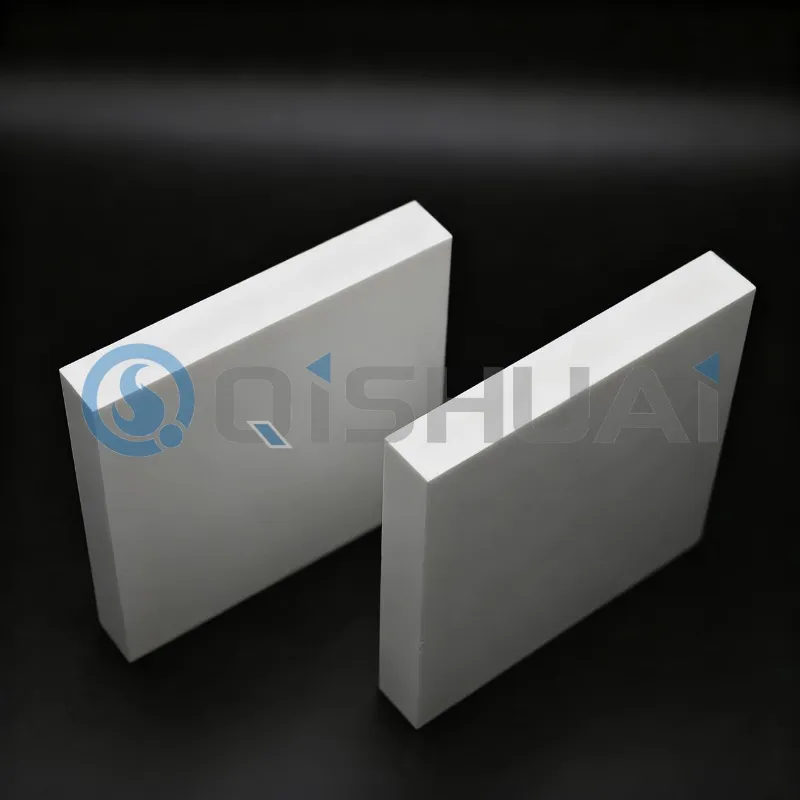
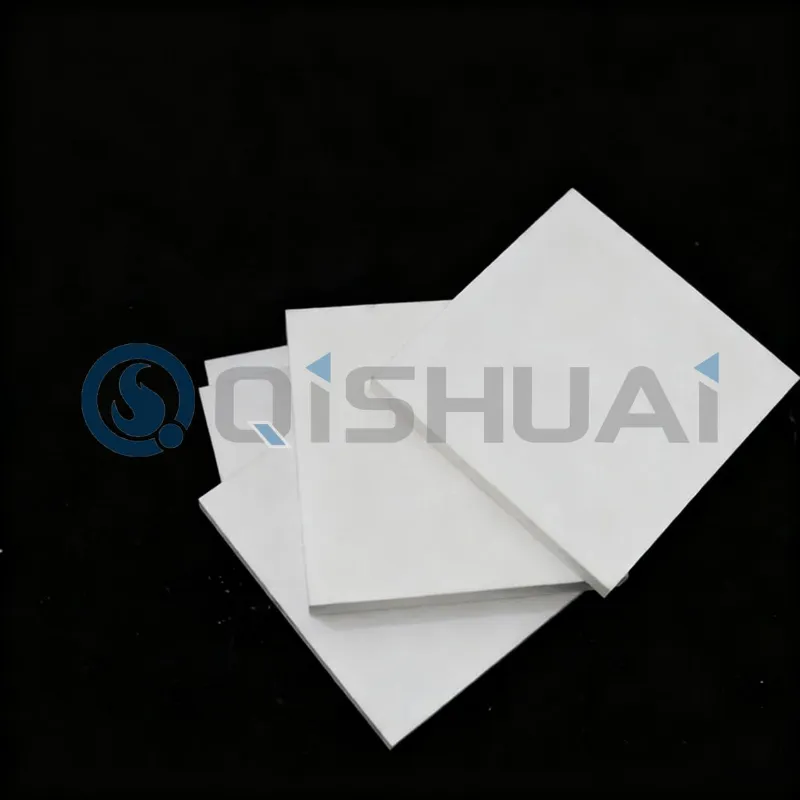
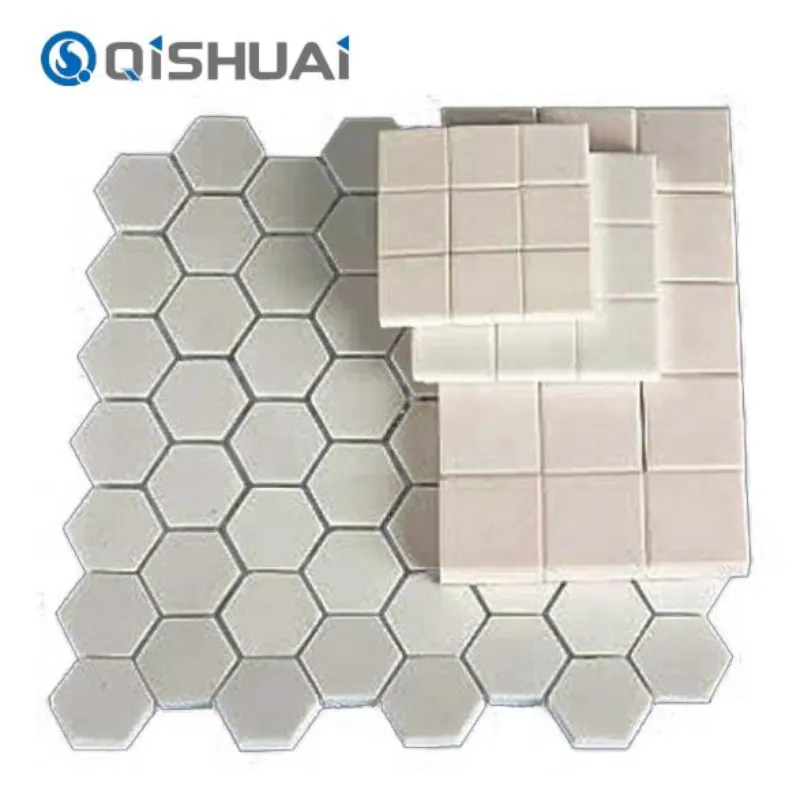
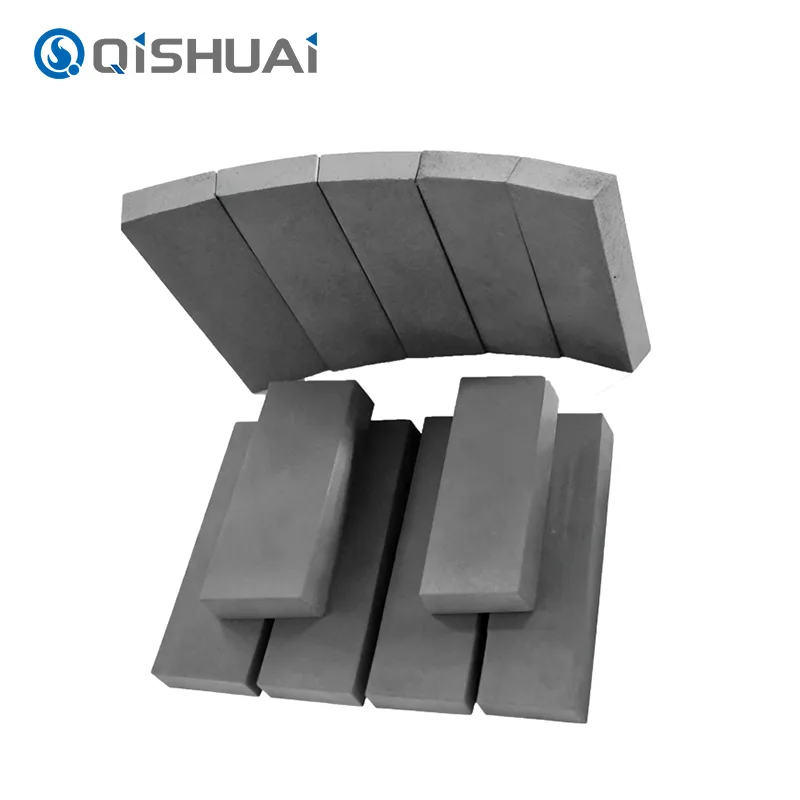
Shandong Qishuai Wear-Resistant Equipment Co., Ltd. frequently receives feedback that Alumina Ceramic Wear Tile cannot hold up under harsh operating environments, prompting plant teams to look for practical upgrade paths for bulk-material processing equipment. Many site teams rush to purchase higher-cost ceramics without diagnosing real failure modes first, which leads to unnecessary project spending and still-persistent lining issues.

 Alumina Ceramic Wear Tile

Common failure signs for standard-grade lining include gradual tile thinning, edge chipping, tile detachment from steel substrate, or localized rapid wear in isolated zones. Each symptom points to different root causes. When Alumina Ceramic Wear Tile wears down uniformly from continuous particle scouring, moving up to 95--grade alumina or boosting tile thickness are practical options. Higher-density 95-alumina delivers lower material loss for pneumatic conveying, cement and mineral powder systems where sliding abrasion dominates.

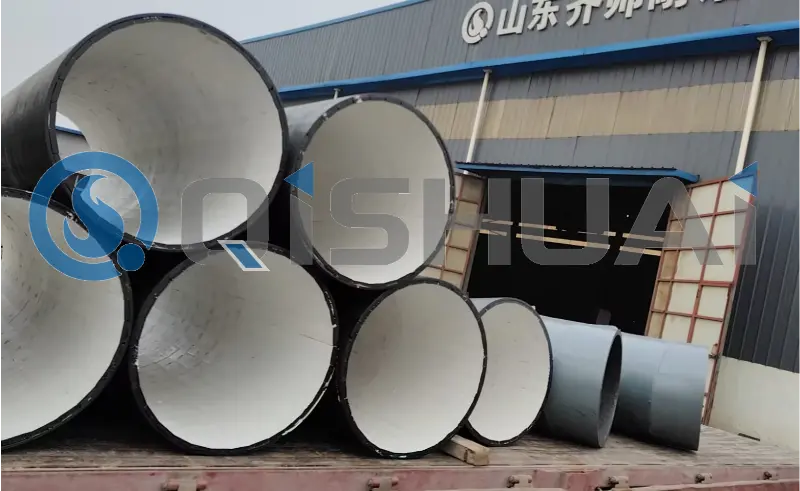
If tiles crack or chip before full wear-through, excessive impact force is usually the main trigger. Switching over to ZTA ceramic plates brings better fracture toughness to handle heavy particle strikes and equipment vibration. For high-speed, high-temperature erosion scenarios, silicon carbide-based lining performs well. Our full-product portfolio also covers chromium-carbide overlay cladding series, rubber-ceramic composite series, composite pipe series and silicon carbide ceramic series for diverse plant wear challenges.

Alumina Ceramic Wear Tile 

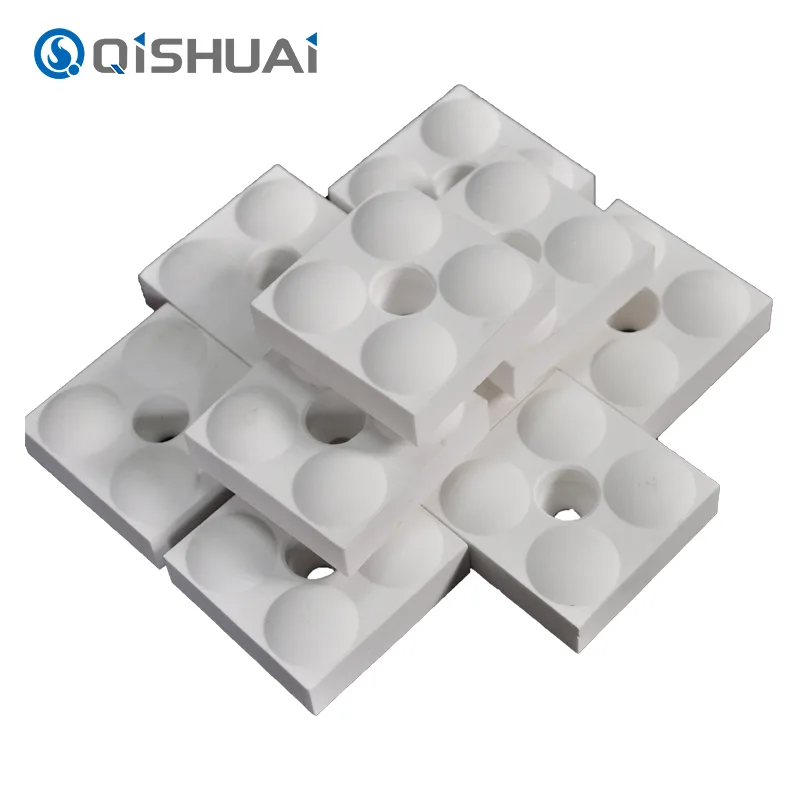
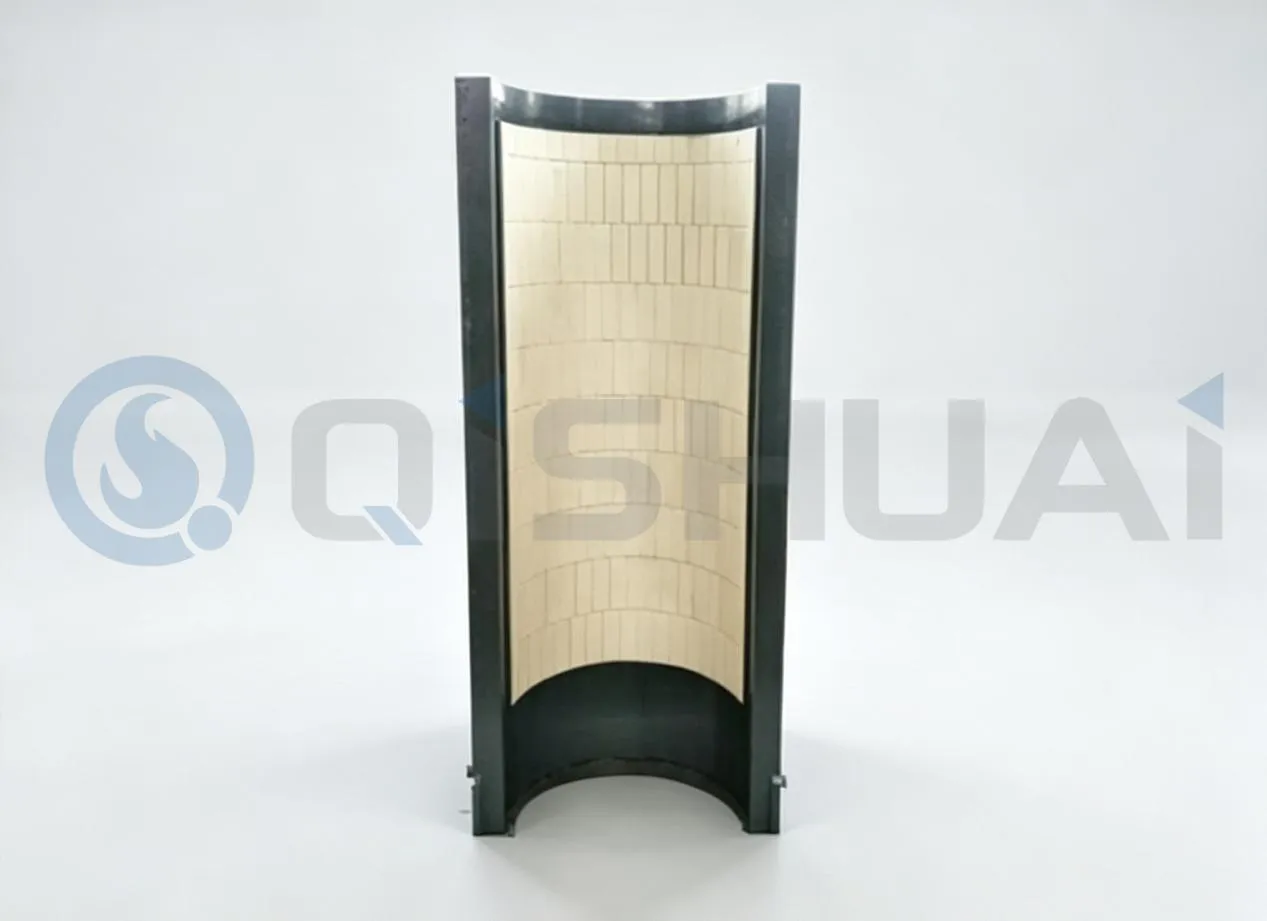
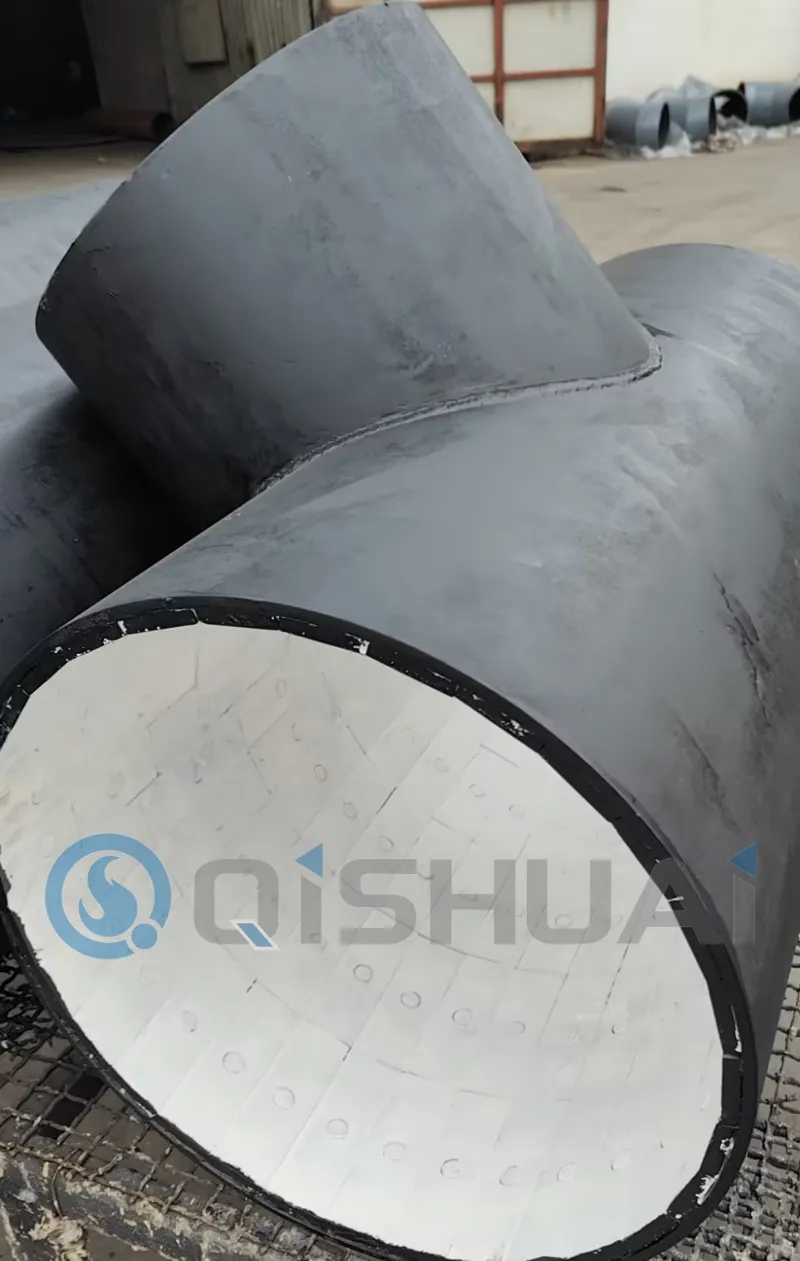
In some instances, simply swapping material grades will not fix issues. Operators may need to rethink lining layout: adding local reinforcement for high-wear hot-spots, or adopting composite structures at transfer points and discharge zones. Even premium-grade Alumina Ceramic Wear Tile will deliver poor performance if the structure does not match real-world load conditions.

Before you place orders for new lining components, assess your actual failure patterns first. Uniform material loss points to higher-grade or thicker ceramics; frequent cracking calls for tougher impact-resistant material; spot-only wear requires targeted zone-by-zone reinforcement. The most sensible upgrade is not picking the priciest option, but matching lining performance to your field conditions.

If you plan to source wear-resistant liners or assess possible retrofits for your existing equipment, send your equipment specs and failure photos via email. Our engineering team will evaluate your wear mechanisms and draft a fit-for-purpose proposal for your site.

Email:qishuai@zbqishuai.cn

Related News
Leave me a message
X
We use cookies to offer you a better browsing experience, analyze site traffic and personalize content. By using this site, you agree to our use of cookies. Privacy Policy
RejectAccept