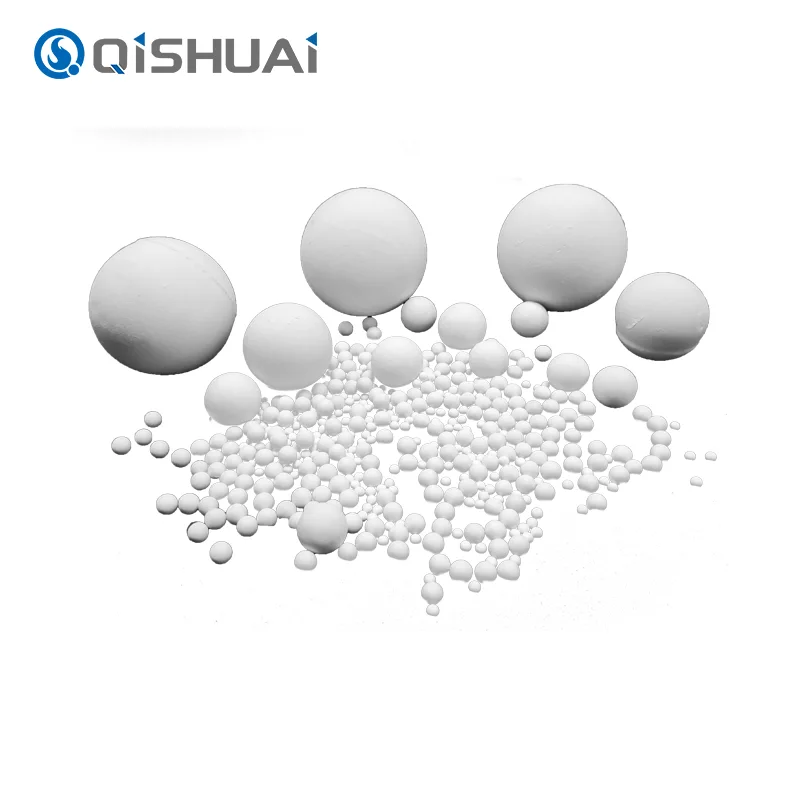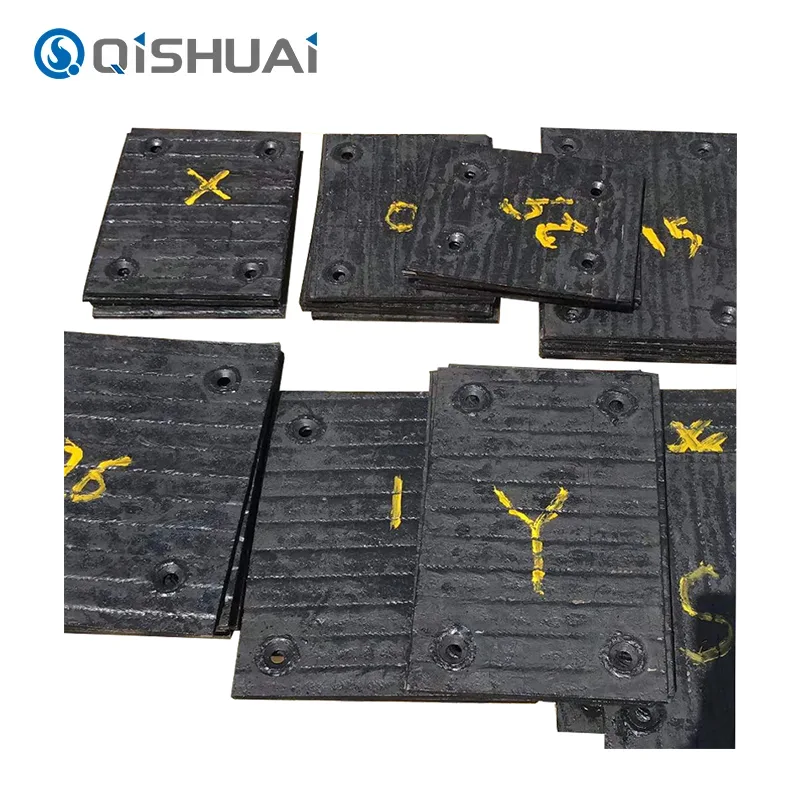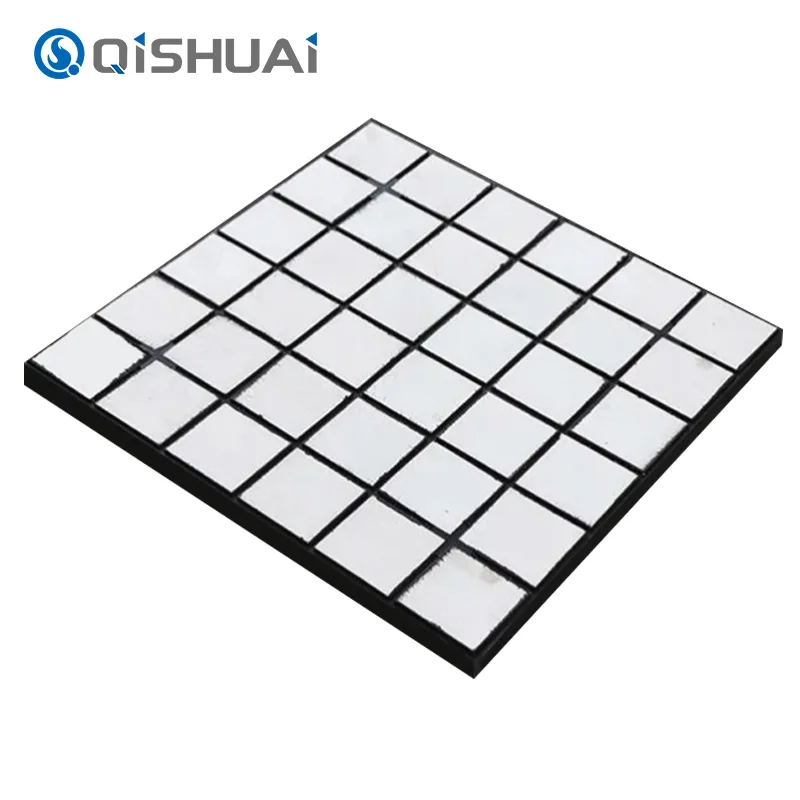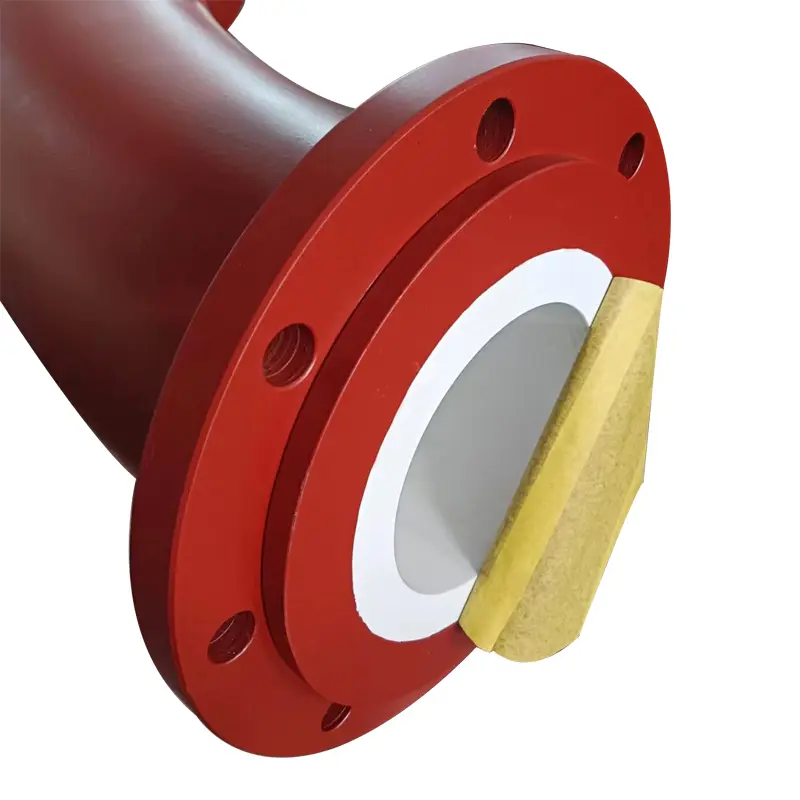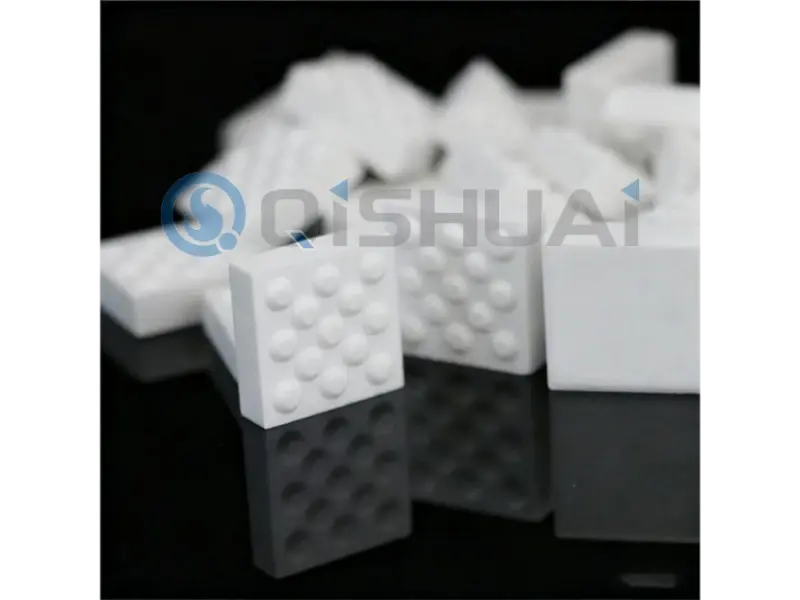
As a supplier, Qishuai provides the Al2O3 Ceramic Wear Liner. Abrasion, erosion, and impact wear are among the most critical failure mechanisms in bulk material handling systems. Equipment such as chutes, hoppers, cyclones, transfer points, and pipelines operates under continuous exposure to high-velocity solid particles.
Traditional wear-resistant materials such as carbon steel and alloy steel plates exhibit limited service life under severe abrasive conditions. Frequent replacement increases downtime and maintenance costs.
Al₂O₃ ceramic lining systems provide a high-performance engineering solution due to:
Extremely high hardness (Mohs hardness ≈ 9)
Strong ionic-covalent bonding structure
Excellent chemical inertness
High compressive strength
These properties make alumina ceramics suitable for extreme wear environments across multiple industries.
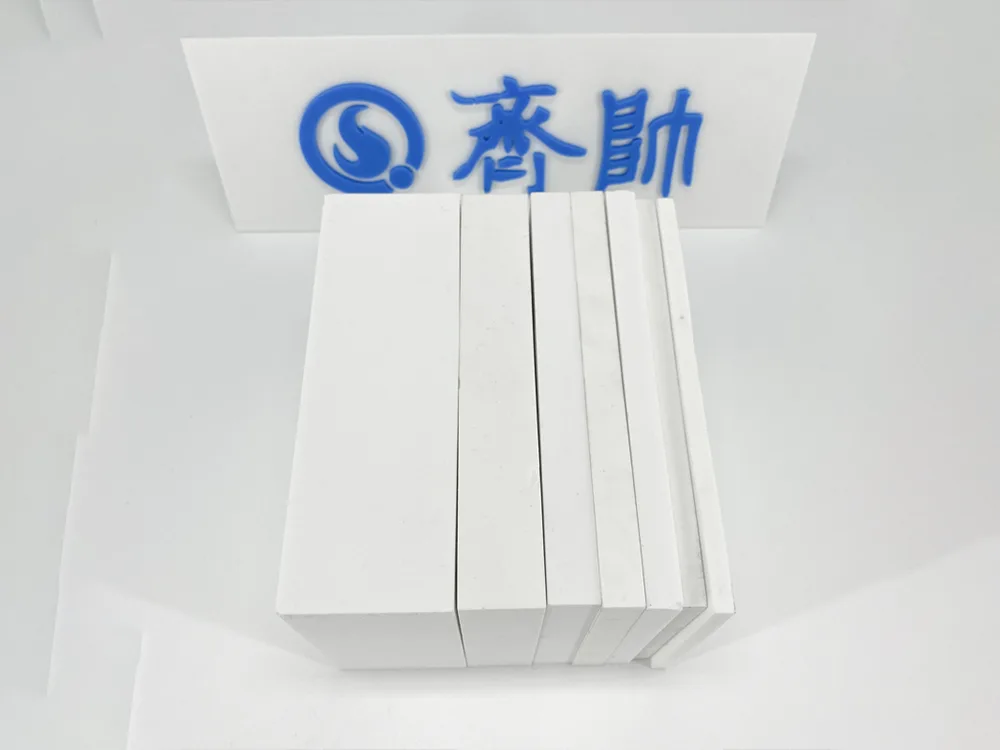
Alumina ceramics are typically classified by purity levels: 92%, 95%, and 99% Al₂O₃. Higher purity improves density, strength, and wear resistance.
Material Property Comparison
|
Property |
92% Al₂O₃ |
95% Al₂O₃ |
99% Al₂O₃ |
|
Density (g/cm³) |
3.60 |
3.65 |
3.90-3.95 |
|
Hardness (Mohs) |
9 |
||
|
Compressive Strength (MPa) |
1050–1700 |
1300–2200 |
>2500 |
|
Flexural Strength (MPa) |
250–350 |
300–400 |
350–500 |
|
Fracture Toughness (MPa·m½) |
3.7–4.0 |
3.8–4.5 |
4.5–6.8 |
|
Max Service Temperature (°C) |
1500–1700 |
1600–1700 |
1700 |
These values are consistent with publicly available engineering databases.
Al₂O₃ ceramic lining resists wear through its high hardness and stable crystal structure. The main wear mechanisms include:
Sliding abrasion (low-angle particle flow)
Impact erosion (high-energy particle collision)
Micro-cutting by hard mineral particles
Fatigue-induced surface spalling
In most industrial environments, material loss is governed by a combination of abrasion and erosion rather than pure mechanical impact.
Ceramic materials significantly reduce plastic deformation, which is the dominant wear mode in metallic liners.
Al₂O₃ ceramic lining is widely used in industries where abrasive particle flow is continuous.
Typical Applications:
Mining industry: ore chutes, transfer stations, grinding systems
Cement industry: cyclone separators, kiln inlets, raw mill systems
Power plants: coal handling systems, ash discharge pipelines
Steel industry: sinter plants, blast furnace material transport
Bulk handling: pneumatic conveying pipelines, hopper systems
In all these systems, ceramic lining acts as a sacrificial wear-resistant barrier protecting the steel structure.
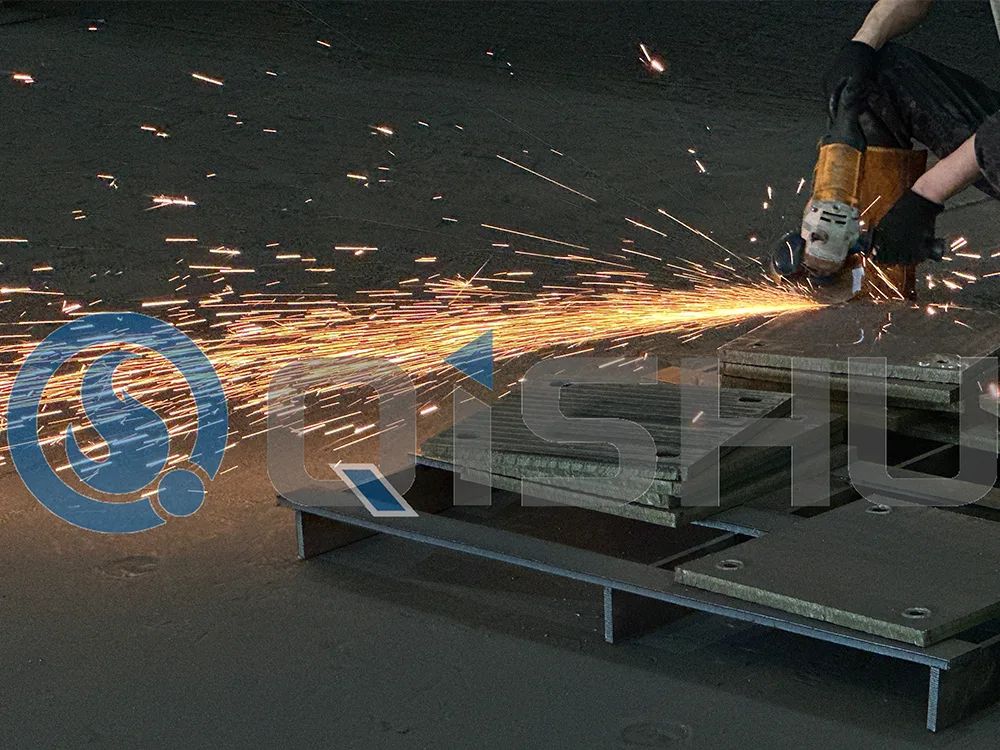
Proper installation is critical for performance and service life.
Common Methods:
1. Epoxy Adhesive Bonding
Suitable for moderate temperature environments
Widely used in chutes and pipelines
Requires surface sandblasting (Sa 2.5 standard)
2. Mechanical Fastening
Used in high-impact zones
Suitable for large ceramic tiles or bricks
Provides additional structural security
3. Steel-Backed Composite Systems
Combines ceramic + rubber + steel backing
Used in severe impact and vibration conditions
Surface Preparation Requirements:
Sandblasting for roughness
Degreasing and cleaning
Dry, contamination-free surface
Improper surface preparation is the leading cause of bonding failure.
Service life depends on:
Particle hardness (quartz, ore, coal, etc.)
Flow velocity
Impact angle
Temperature conditions
Particle size distribution
Al₂O₃ ceramic lining typically provides:
5–15× longer service life compared to wear-resistant steel plates
In highly abrasive environments (e.g., quartz-rich ore), the improvement can be even higher.
Al₂O₃ Ceramic vs Other Materials
Steel Liners
High toughness
Low wear resistance
Frequent replacement required
Basalt Liners
Moderate wear resistance
Lower cost
Brittle structure
Rubber Liners
Excellent impact absorption
Poor abrasion resistance in hard particle systems
Al₂O₃ Ceramic
Highest hardness
Excellent abrasion resistance
Lower impact toughness (requires composite design)
Conclusion: Alumina ceramic is optimal for high-abrasion, moderate-impact environments.
It is used to protect industrial equipment from severe abrasion and erosion in mining, cement, steel, and power industries.
Typically 5–15 times longer than steel wear plates depending on operating conditions.
Yes, high-alumina ceramics can operate up to approximately 1700°C depending on grade.
Mining, cement plants, coal handling systems, steel plants, and bulk material transport systems.
Al₂O₃ ceramic lining remains one of the most effective engineering solutions for industrial wear protection in high-abrasion environments.
Its combination of:
High hardness
Thermal stability
Chemical resistance
Long service life
makes it a preferred material across mining, cement, steel, and power industries.
Proper material selection, installation design, and system engineering are essential to maximize performance and lifecycle cost efficiency.