News

How Can Composite Wear Pipe Extend Industrial Equipment Lifespan?

2026-02-28 0 Leave me a message

Article Summary

Composite wear pipes have become essential components in modern industrial systems due to their enhanced durability, corrosion resistance, and abrasion protection. This article explores the working principles of composite wear pipes, their applications, benefits, and selection criteria. It also addresses common challenges faced by engineers and maintenance teams while providing practical solutions. By understanding composite wear pipe technologies, manufacturers can optimize equipment longevity, reduce maintenance costs, and improve operational efficiency. 

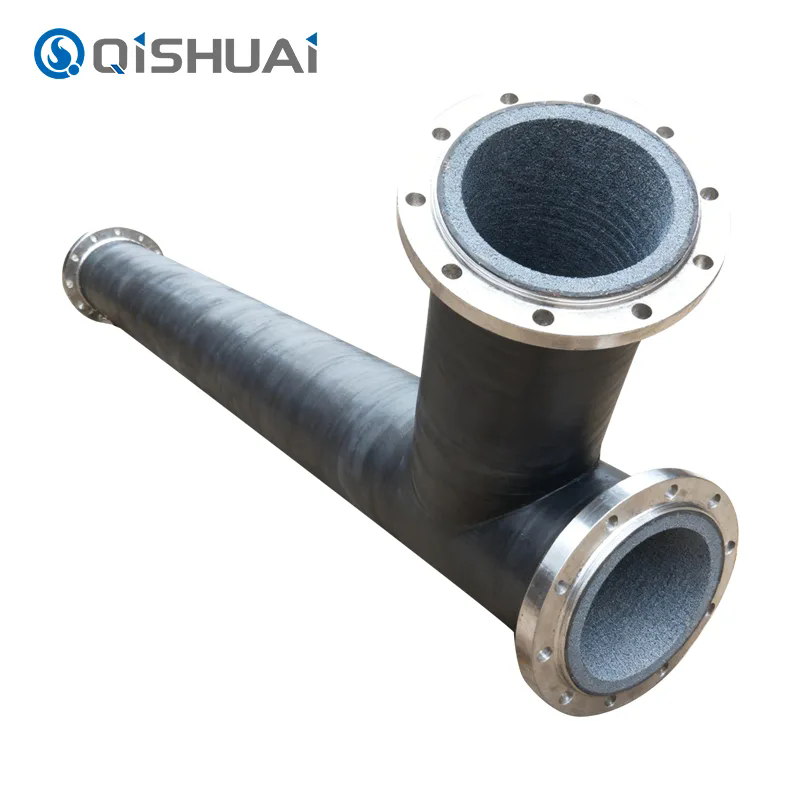
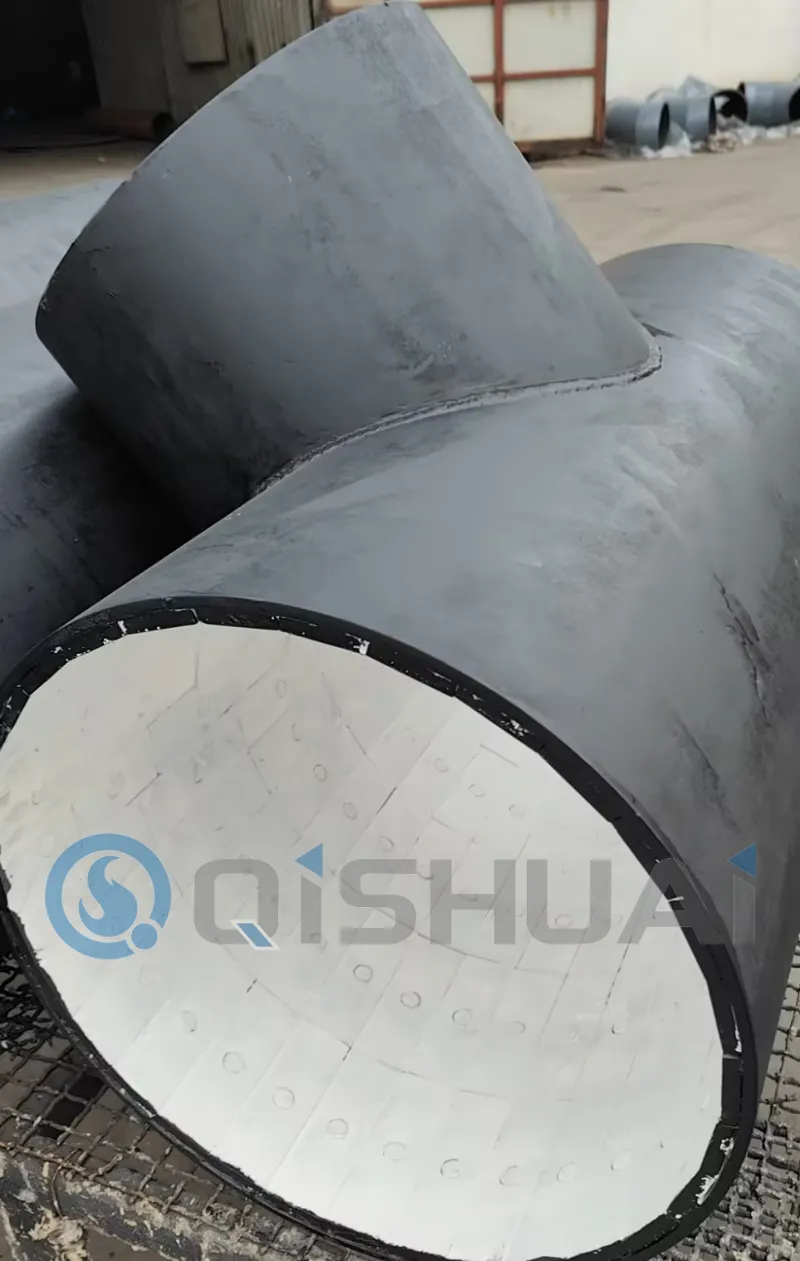
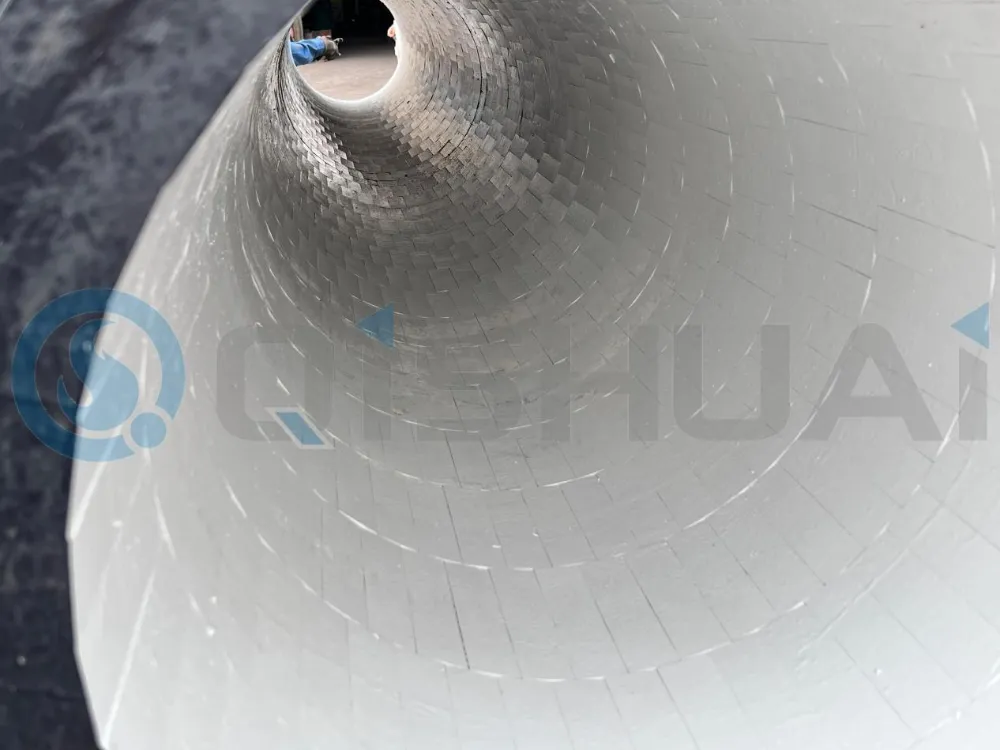
SiC Lined Straight Pipe

Table of Contents


Composite Wear Pipe Overview

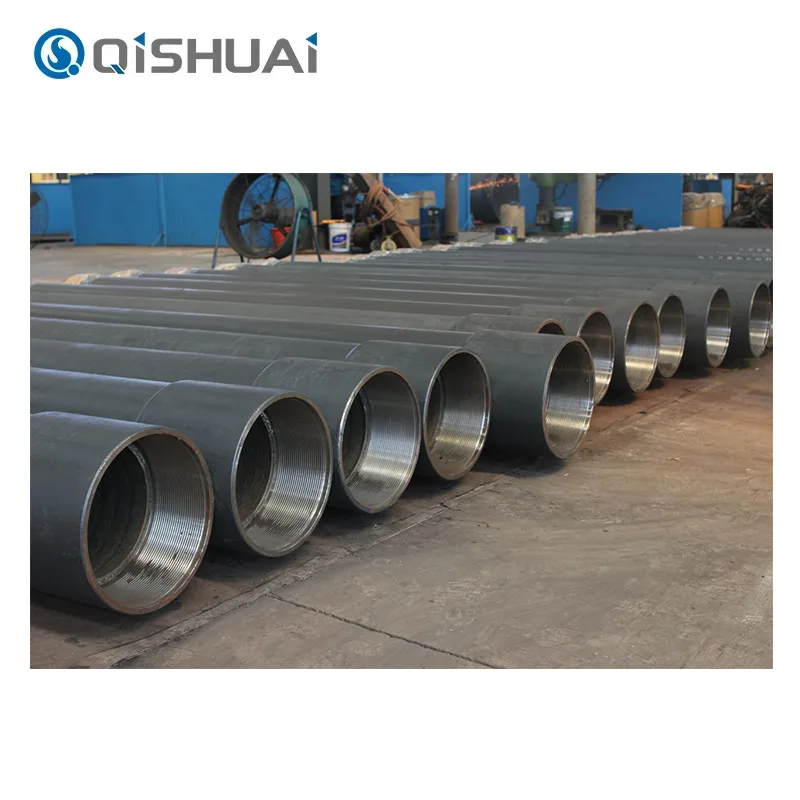
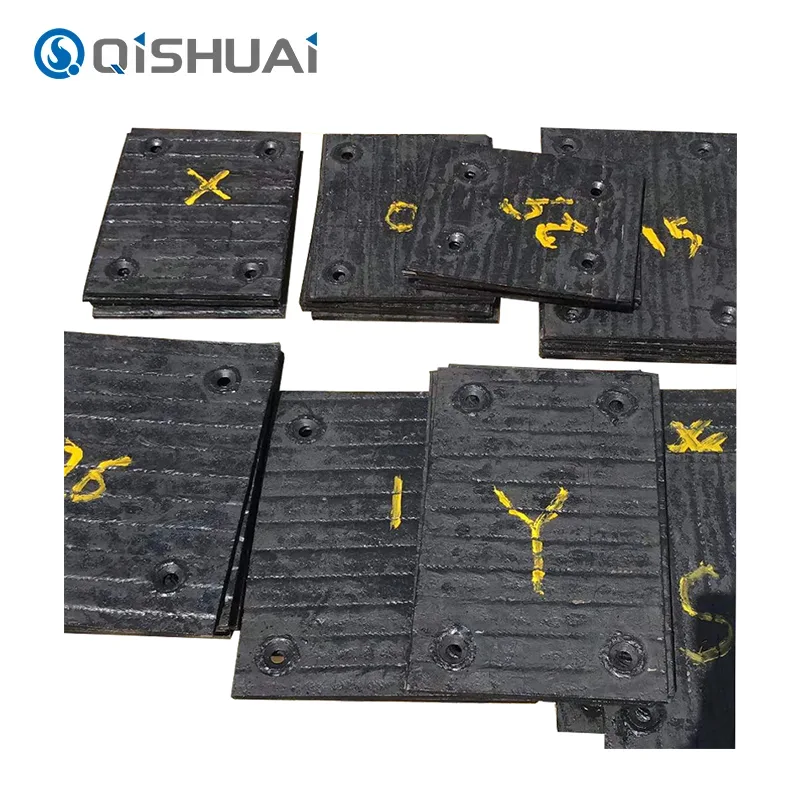
Composite wear pipes are engineered tubes combining high-strength polymer layers with robust metallic cores to resist wear, corrosion, and impact. These pipes are widely applied in industries such as mining, cement, power generation, and chemical processing. The composite structure allows for longer operational life compared to traditional metal or ceramic pipes while reducing downtime and maintenance costs.

Shandong Qishuai specializes in manufacturing composite wear pipes with advanced materials, precise fabrication, and strict quality control to meet industrial standards and operational requirements.


Common Customer Pain Points

Industrial operators frequently face challenges related to pipe wear and replacement, including:

  • Rapid erosion from abrasive materials such as sand, coal, or cement
  • Corrosion due to chemical exposure or high humidity
  • Frequent downtime for pipe replacement
  • High operational costs due to frequent maintenance
  • Leakage and pressure loss in worn pipelines

Selecting high-quality composite wear pipes and following proper installation practices can significantly reduce these issues and improve system efficiency.


Types of Composite Wear Pipes

Composite wear pipes are classified based on material composition and intended application:

  • Polyurethane-Lined Composite Pipes – High abrasion resistance, ideal for abrasive slurry transport
  • Rubber-Lined Composite Pipes – Excellent chemical and impact resistance for chemical processing
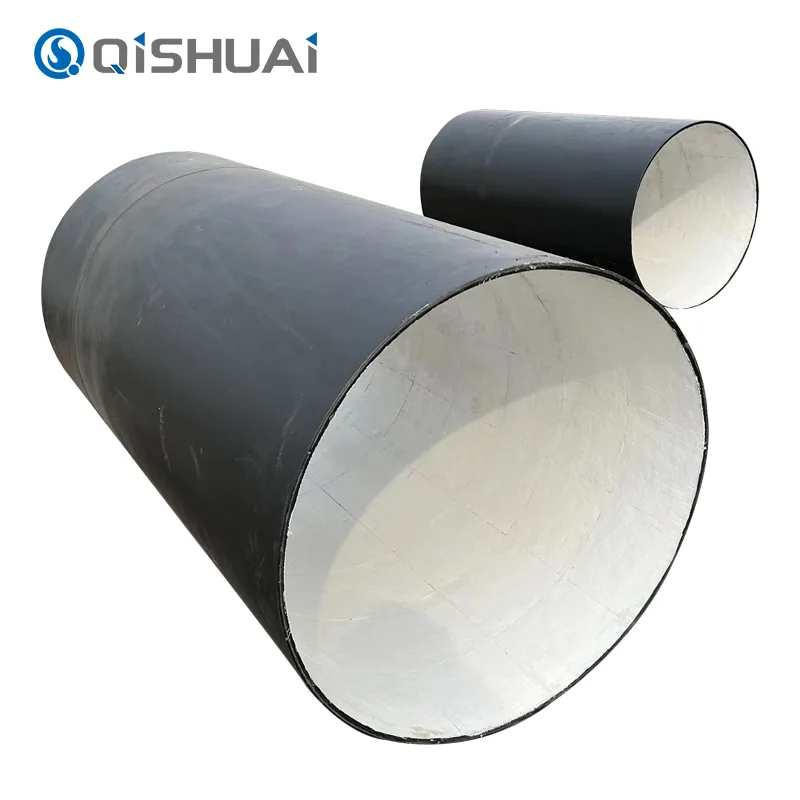
  • Ceramic-Lined Composite Pipes – Superior hardness and wear resistance, suitable for high-impact environments
  • PTFE-Lined Composite Pipes – Non-stick and corrosion-resistant, for highly reactive or sticky materials

How to Select the Right Composite Wear Pipe

Choosing the correct composite wear pipe involves evaluating multiple factors to ensure long-term performance:

  • Type of material being transported and its abrasiveness
  • Operating pressure and temperature requirements
  • Environmental conditions including moisture, chemicals, and UV exposure
  • Pipe diameter, wall thickness, and flow rate requirements
  • Maintenance capability and operational budget constraints

Shandong Qishuai provides consultation services to help clients select the optimal pipe type and material for their specific industrial conditions.


Installation and Maintenance Guidelines

Proper installation and regular maintenance are crucial to maximize the lifespan of composite wear pipes:

  • Ensure accurate alignment to prevent stress concentration
  • Verify sealing and connection integrity to avoid leakage
  • Monitor operating parameters such as flow rate and pressure
  • Schedule periodic inspections for wear, cracks, or deformation
  • Replace worn sections before significant performance loss occurs

Following these steps reduces unexpected downtime and extends operational efficiency.


Composite Wear Pipe Comparison Table

Pipe Type Primary Material Advantages Ideal Applications
Polyurethane-Lined Polyurethane + Steel High abrasion resistance, long lifespan Mining, slurry pipelines
Rubber-Lined Rubber + Steel Impact and chemical resistance Chemical industry, cement transport
Ceramic-Lined Ceramic + Steel Extremely high hardness, wear resistance Heavy abrasive material transport
PTFE-Lined PTFE + Steel Corrosion resistance, non-stick surface Reactive chemicals, sticky slurry

Application Scenarios

Composite wear pipes are utilized across various industrial sectors to optimize production efficiency and reduce maintenance costs:

  • Mining slurry and ore transport pipelines
  • Cement and aggregate transport systems
  • Chemical processing and corrosive fluid pipelines
  • Power generation ash and dust handling
  • Food industry for abrasive or sticky material handling

Frequently Asked Questions

What makes composite wear pipes more durable than standard metal pipes?
Composite pipes combine hard or flexible liners with metal cores to resist abrasion, corrosion, and impact, significantly extending lifespan.

Can composite wear pipes handle high-temperature materials?
Yes, but the pipe material must be chosen according to its thermal resistance limits, such as ceramic-lined or specific high-temperature polymers.

How often should composite wear pipes be inspected?
Regular inspections every 3–6 months are recommended depending on material abrasiveness, flow rate, and operating conditions.

Are composite wear pipes cost-effective?
Although the initial cost may be higher, reduced downtime, longer lifespan, and lower maintenance costs make them economical over time.


Conclusion and Contact Us

Composite wear pipes are vital for maintaining efficiency and durability in industrial pipelines. By selecting the right material, following proper installation practices, and conducting routine maintenance, companies can significantly reduce operational interruptions and material loss. Shandong Qishuai offers high-quality composite wear pipes engineered for demanding industrial environments, ensuring reliable performance and longevity. For professional advice, project consultation, or bulk supply inquiries, contact us today to learn how Shandong Qishuai can enhance your pipeline systems and reduce maintenance costs.

Related News
Leave me a message
X
We use cookies to offer you a better browsing experience, analyze site traffic and personalize content. By using this site, you agree to our use of cookies. Privacy Policy
Reject Accept