Alumina Ceramic Lined technology has become a critical solution for industries operating under severe abrasion, erosion, and corrosion conditions. By integrating high-purity alumina ceramics with steel or composite substrates, Alumina Ceramic Lined components significantly extend service life while maintaining dimensional stability and flow efficiency. This article provides a comprehensive technical overview of Alumina Ceramic Lined systems, focusing on structural parameters, material performance, application logic, and future development directions. The content is structured to support industrial decision-makers, engineers, and procurement professionals seeking reliable wear-resistant solutions aligned with global operational standards.
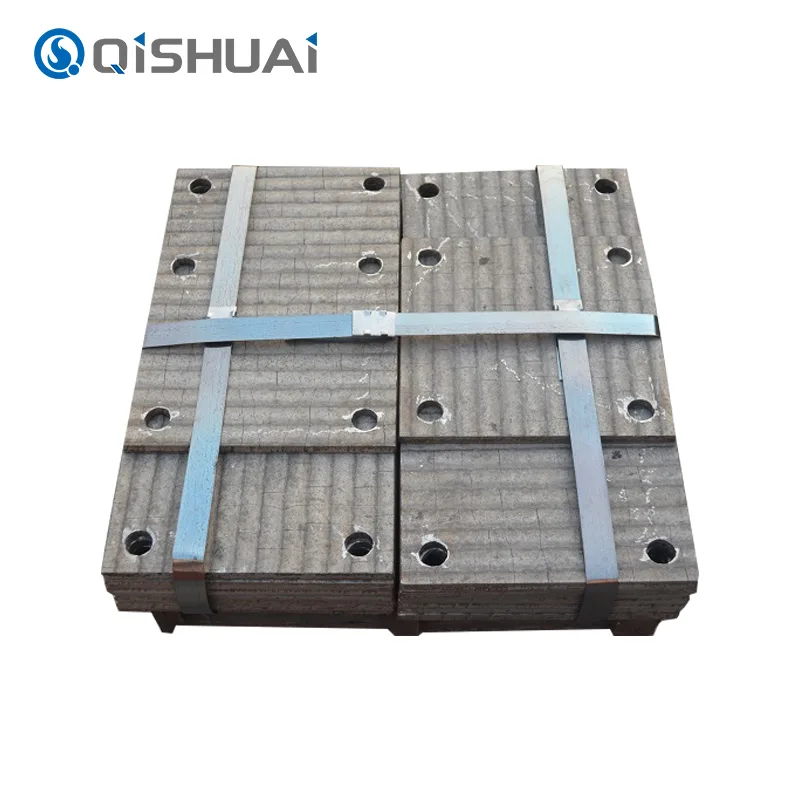
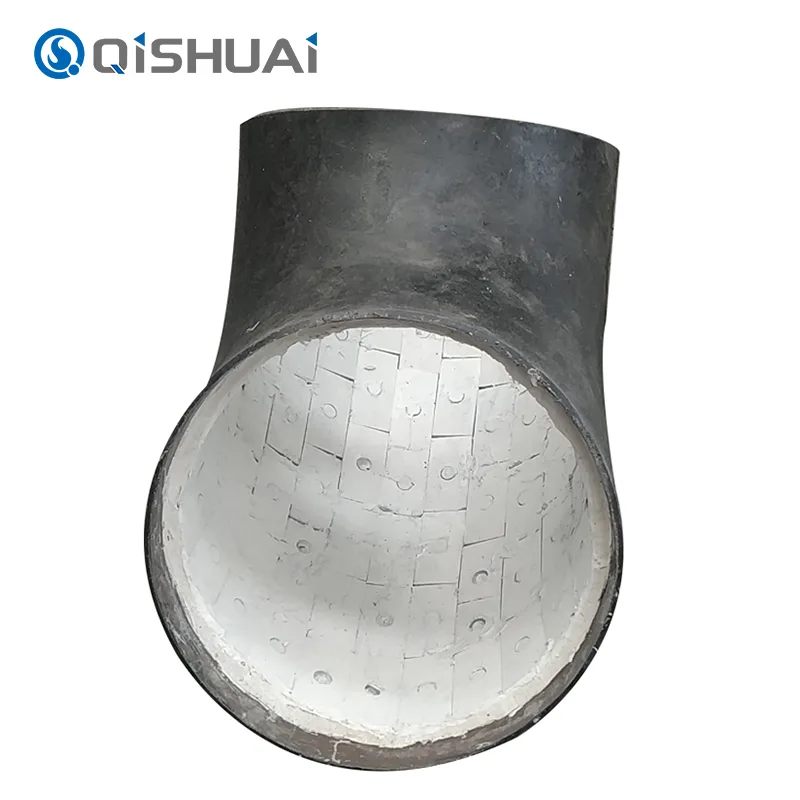
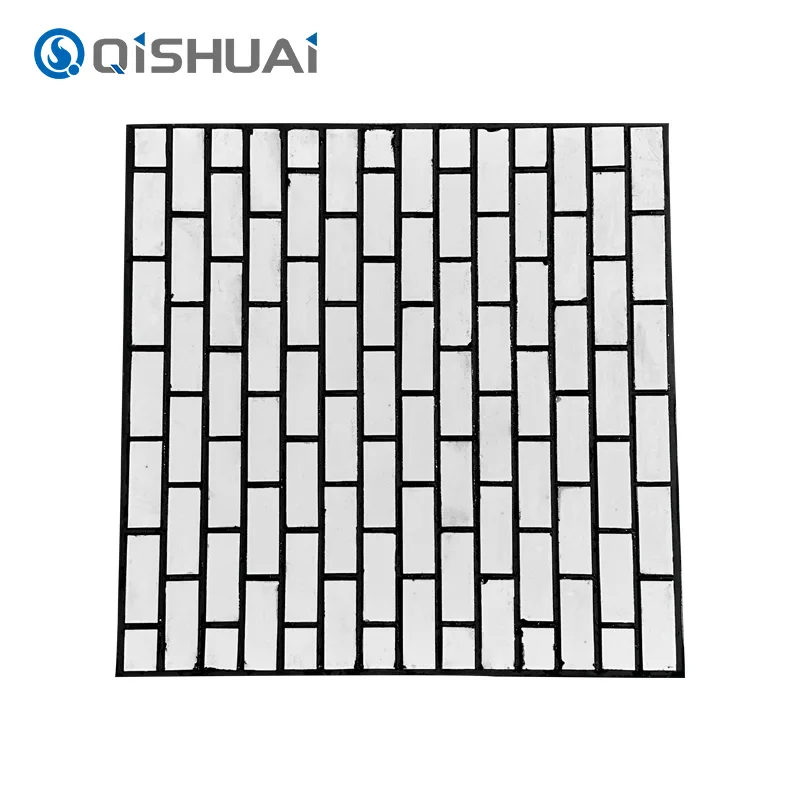
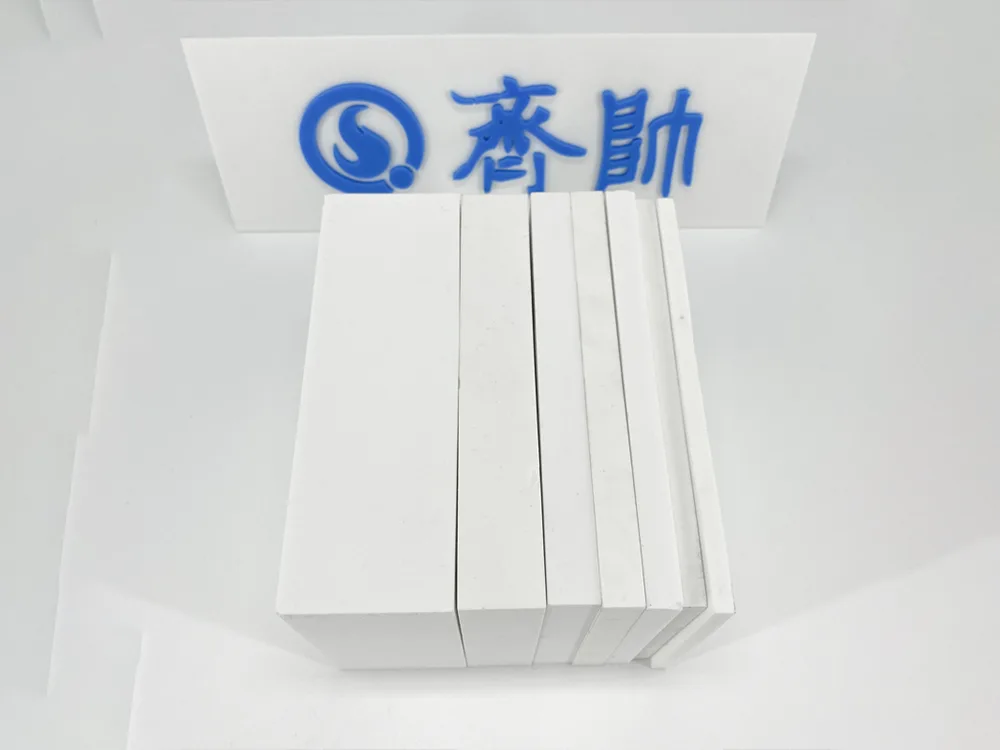
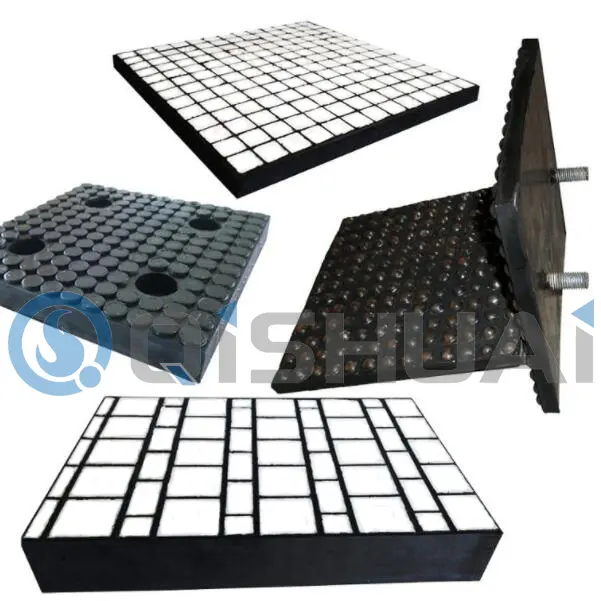
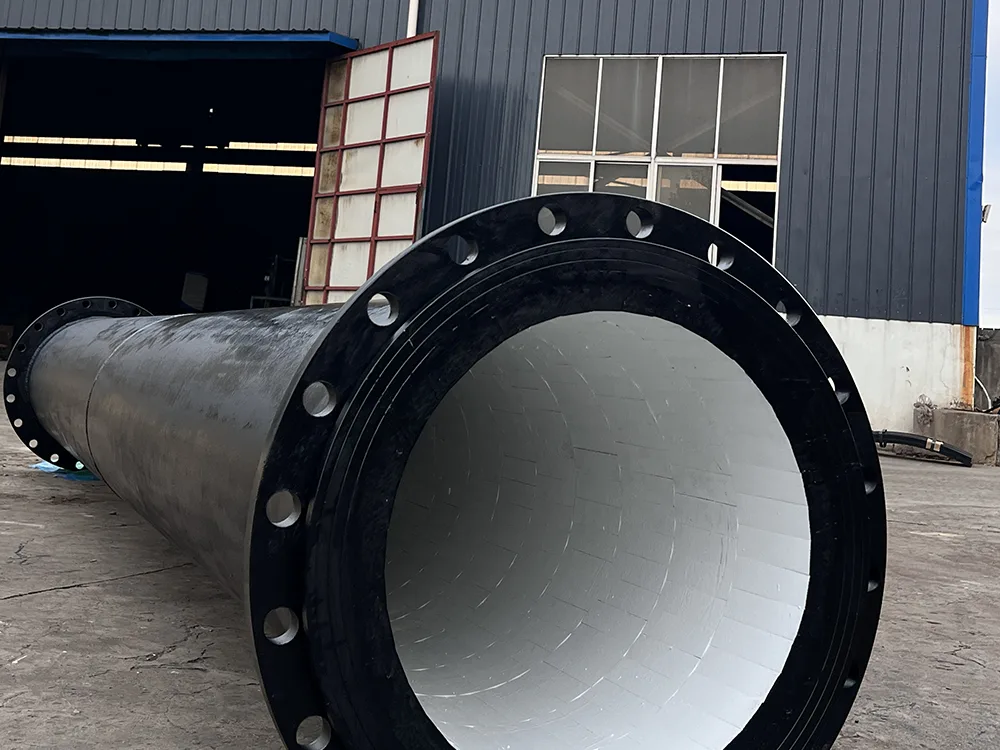
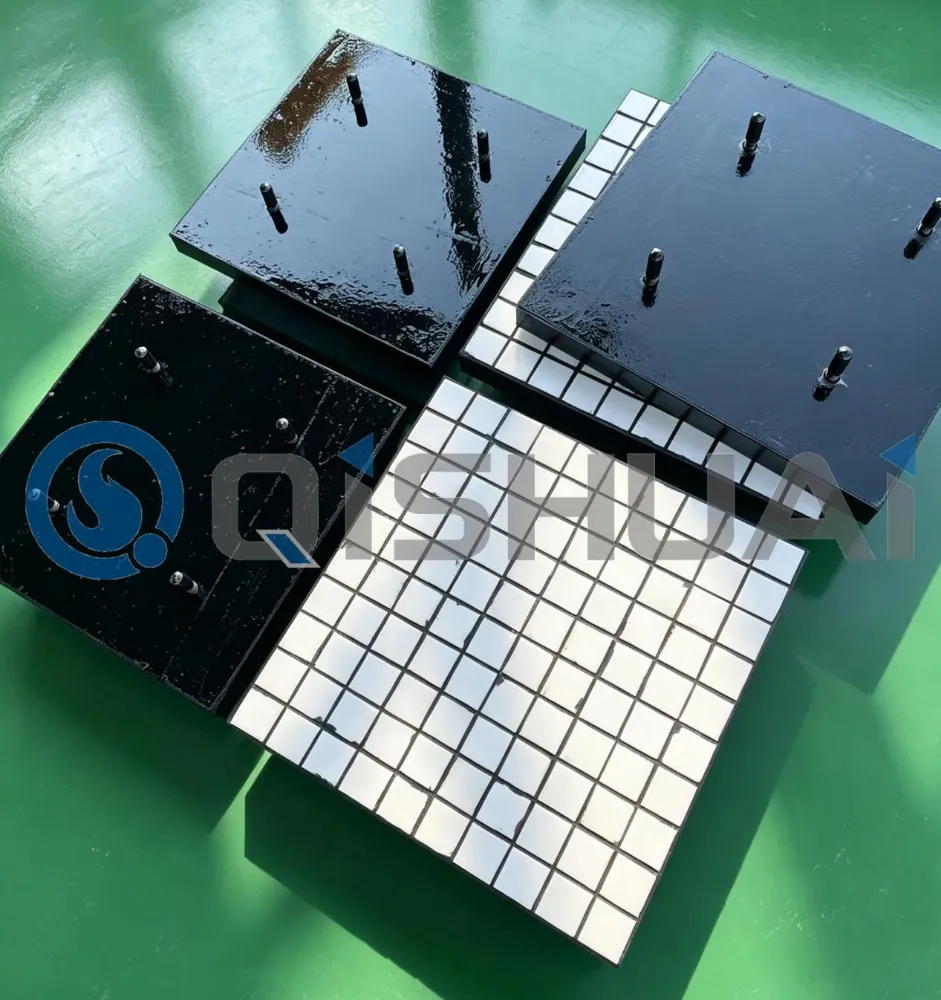
Alumina Ceramic Lined systems are engineered by bonding high-hardness alumina ceramic tiles, cylinders, or panels onto metal substrates such as carbon steel or stainless steel. The alumina ceramic layer functions as the primary wear-resistant barrier, while the metal structure provides mechanical strength, load-bearing capacity, and installation compatibility.
The fundamental working principle is based on the extreme hardness and chemical stability of alumina (Al₂O₃). With a Mohs hardness approaching 9, alumina ceramics resist sliding abrasion, particle impact, and erosive wear far more effectively than conventional metallic alloys. When abrasive media contacts the ceramic surface, material loss is minimized, and flow geometry remains stable over extended operational cycles.
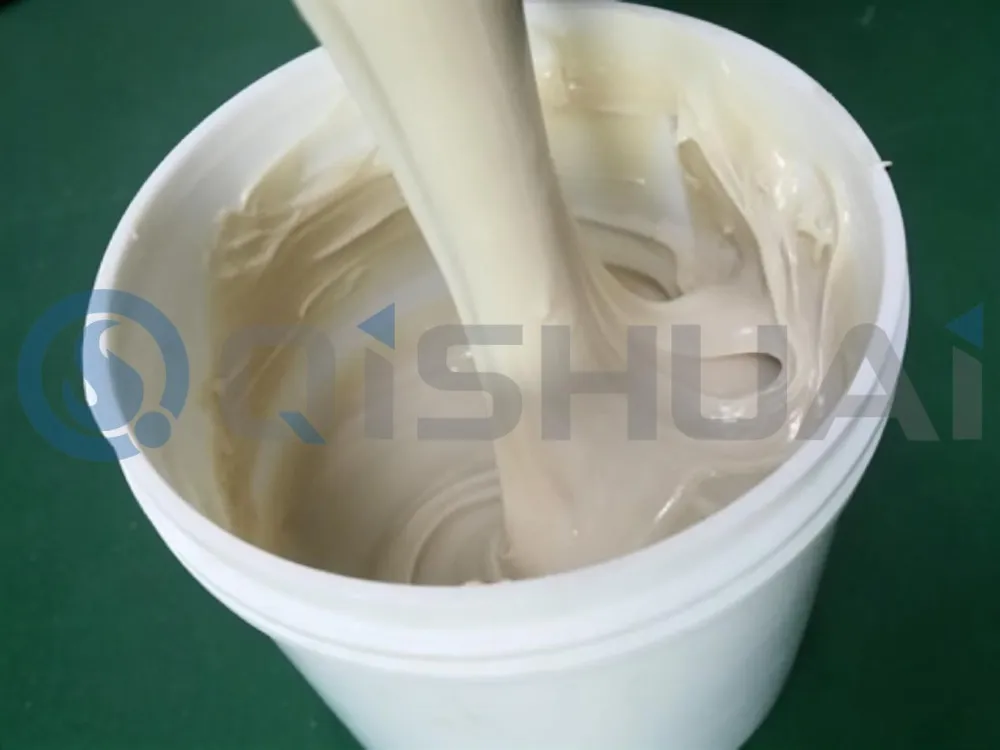
Advanced bonding methods, including high-temperature epoxy adhesives, rubber bonding, or mechanical interlocking, ensure that the ceramic lining remains firmly attached even under vibration, thermal cycling, and continuous material flow.
The performance of Alumina Ceramic Lined products is determined by a combination of ceramic composition, physical dimensions, bonding methodology, and substrate configuration. Precise parameter control ensures consistency across different operating environments.
| Parameter | Typical Specification Range | Technical Significance |
|---|---|---|
| Alumina Content | 92% / 95% / 99% | Higher alumina content improves hardness and wear resistance |
| Bulk Density | ≥ 3.6 g/cm³ | Ensures compact structure and low porosity |
| Vickers Hardness | ≥ 1100 HV | Critical for abrasion and erosion resistance |
| Ceramic Thickness | 5–25 mm | Determines service life under varying wear conditions |
| Operating Temperature | -50°C to 350°C | Defines thermal stability range of bonded systems |
| Compressive Strength | ≥ 2200 MPa | Supports impact and static load resistance |
These parameters are selected based on material flow velocity, particle size distribution, impact angle, and maintenance cycles. Proper parameter alignment directly affects lifecycle cost and operational reliability.
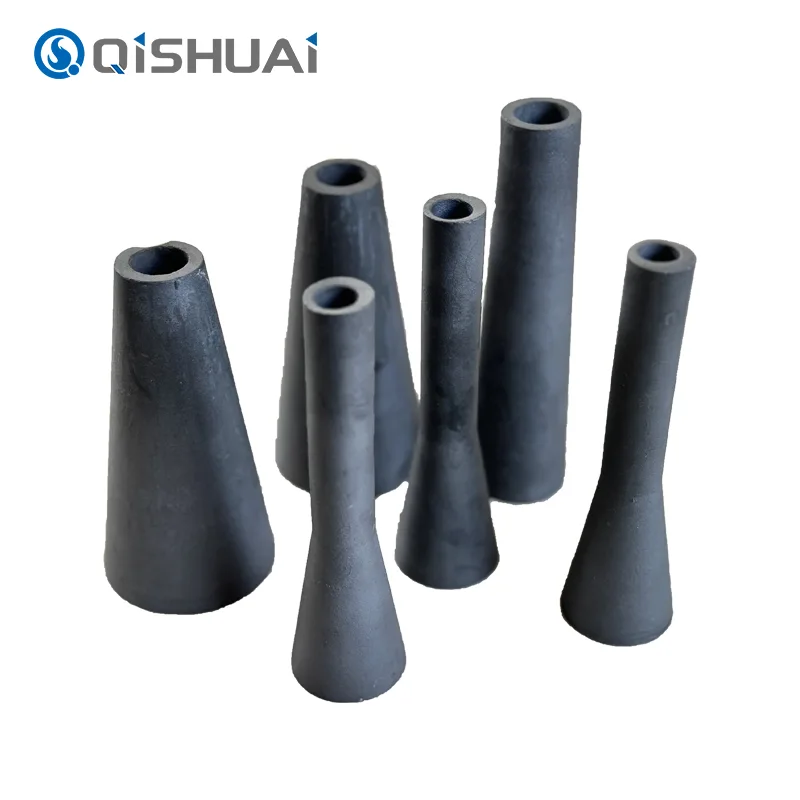
Alumina Ceramic Lined components are widely used in industries where abrasive materials are continuously transported or processed. Typical applications include pneumatic conveying systems, mining slurry pipelines, power plant coal handling, cement production lines, and metallurgical transfer chutes.
In high-velocity conveying systems, the ceramic lining reduces friction coefficients and prevents material buildup, maintaining stable flow characteristics. In impact-intensive zones, such as bends and elbows, segmented ceramic tiles distribute stress and prevent localized failure.
Compared with rubber-lined or alloy steel alternatives, Alumina Ceramic Lined systems demonstrate significantly lower wear rates, reduced downtime, and predictable maintenance intervals. This performance consistency supports long-term operational planning and cost control.
Global demand for Alumina Ceramic Lined solutions continues to expand due to increased automation, higher material throughput, and stricter maintenance efficiency requirements. Technological evolution focuses on optimizing ceramic microstructure, enhancing bonding reliability, and improving modular installation designs.
Emerging trends include hybrid lining systems that combine alumina ceramics with elastomeric layers for impact absorption, as well as digitally modeled lining layouts based on computational fluid dynamics analysis. These developments aim to further extend service life while reducing installation complexity.
Sustainability considerations also influence future development, as longer-lasting linings reduce material consumption, energy usage, and unplanned shutdowns across industrial operations.
Q: How long does an Alumina Ceramic Lined component typically last?
A: Service life depends on operating conditions such as material abrasiveness, flow velocity, and impact frequency. In comparable environments, Alumina Ceramic Lined components often last 5–10 times longer than carbon steel alternatives.
Q: How is Alumina Ceramic Lined equipment installed and maintained?
A: Installation follows standard mechanical assembly procedures. Maintenance primarily involves periodic visual inspection, as ceramic linings require minimal routine servicing due to their low wear rates.
Q: How does temperature affect Alumina Ceramic Lined performance?
A: Alumina ceramics maintain structural stability at high temperatures. The operational temperature limit is typically governed by the bonding material rather than the ceramic itself.
As industrial systems continue to demand higher durability and operational efficiency, Alumina Ceramic Lined solutions supplied by Qishuai are engineered to meet stringent performance requirements across diverse industries. By combining controlled material selection with precision manufacturing, Qishuai supports long-term reliability and cost-effective operation.
For detailed technical consultation, customized lining design, or project-specific recommendations, contact Qishuai to discuss how Alumina Ceramic Lined technology can be integrated into existing or new industrial systems.