News

How Do Alumina Ceramic Plates Enhance Industrial Performance?

2026-04-30 0 Leave me a message

Abstract: Alumina ceramic plates are critical components in numerous industrial applications, from electronics to thermal insulation. Their exceptional hardness, chemical resistance, and thermal stability make them ideal for demanding environments. This article explores the benefits, applications, selection criteria, and maintenance tips for alumina ceramic plates, helping engineers and procurement managers make informed decisions.

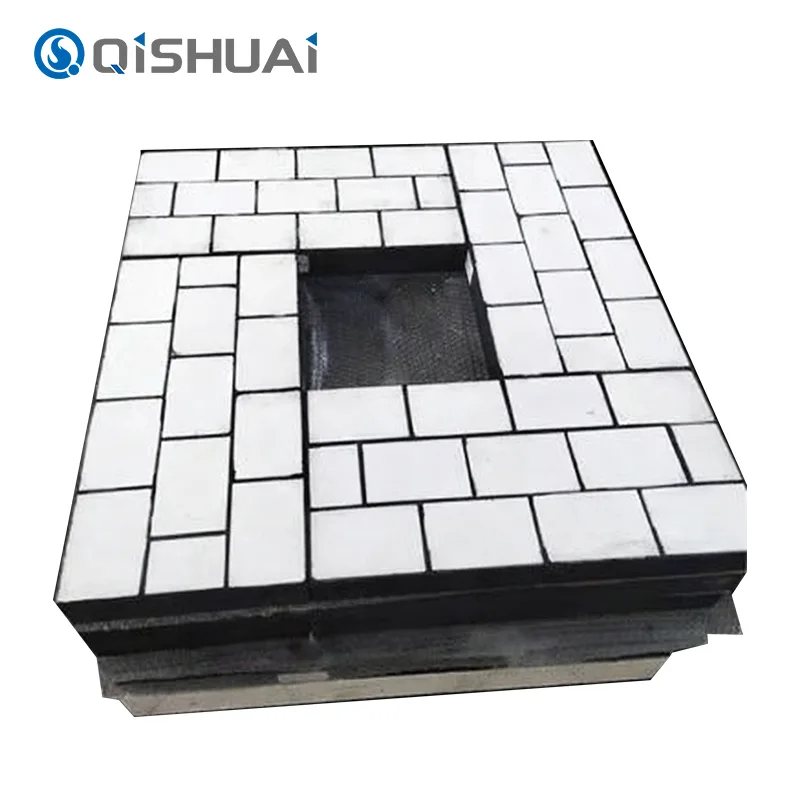
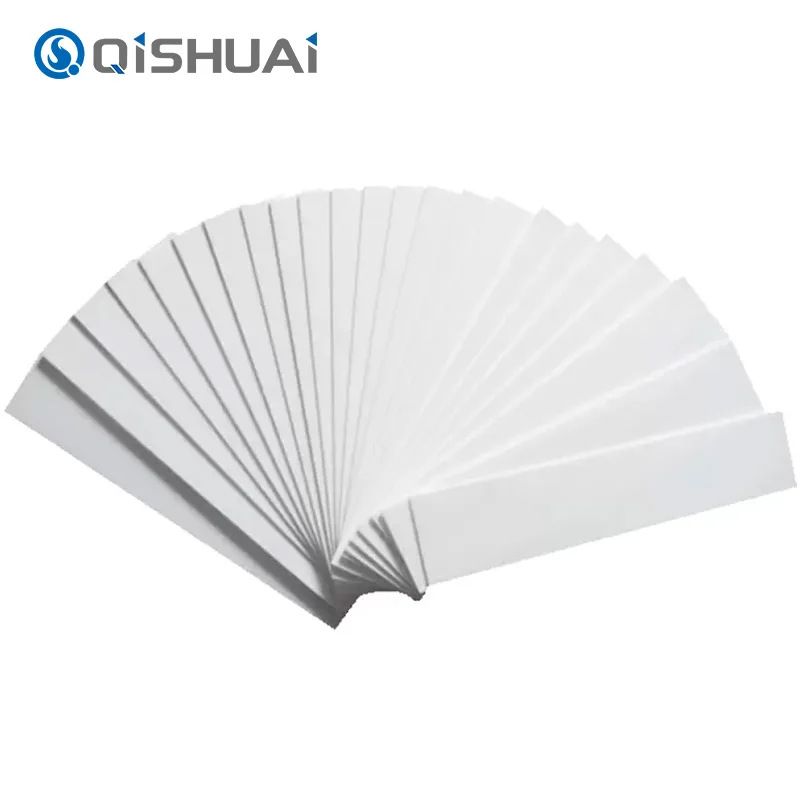
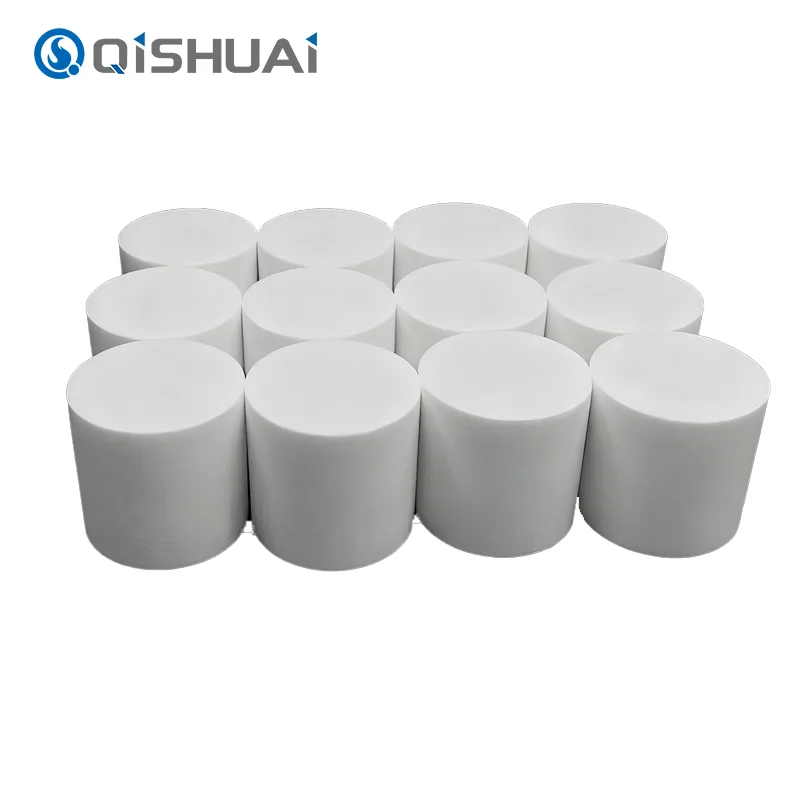
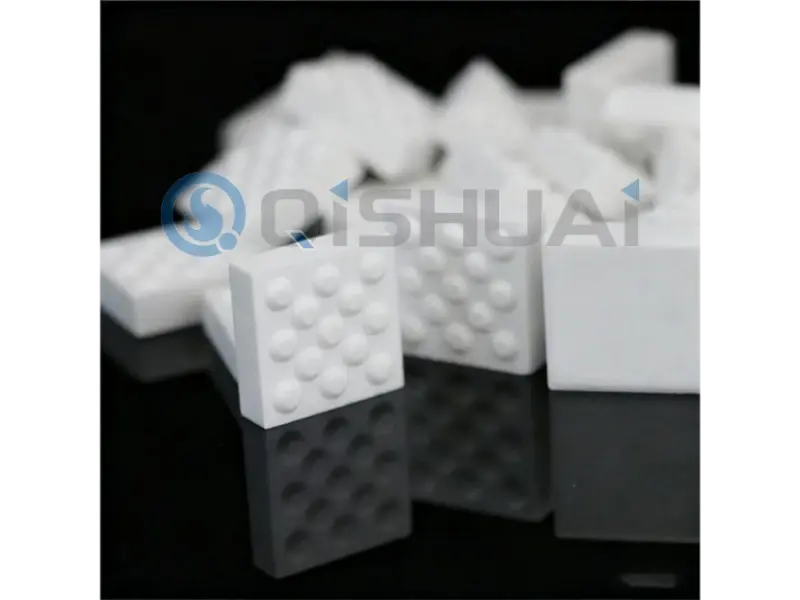
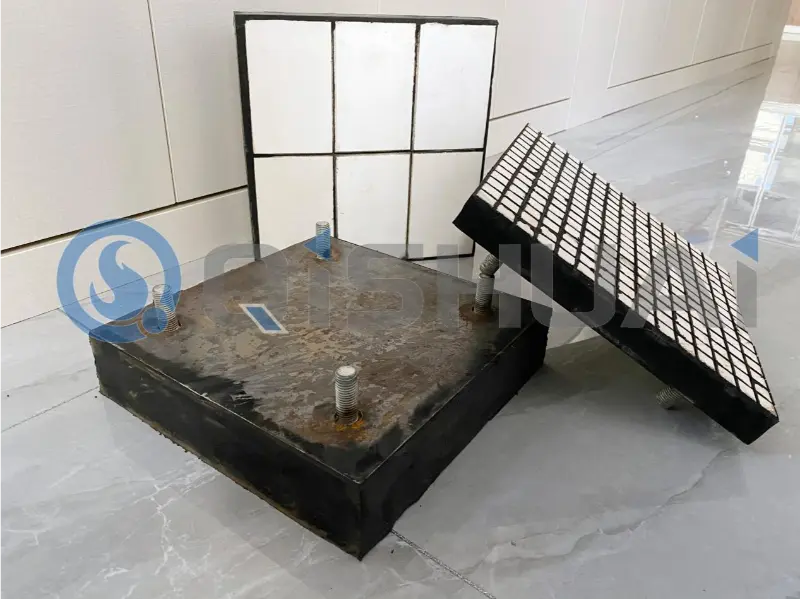
Alumina Ceramic Wear Plate

Table of Contents


Introduction to Alumina Ceramic Plates

Alumina ceramic plates are engineered from aluminum oxide (Al2O3), a material known for its outstanding physical and chemical properties. Shandong Qishuai has been producing high-quality alumina ceramic plates that meet international standards for industrial applications. These plates are commonly used where high wear resistance, corrosion resistance, and electrical insulation are required.

In industrial settings, components are often exposed to extreme conditions, such as high temperatures, abrasive materials, and chemical agents. Alumina ceramic plates offer a reliable solution due to their durability and longevity. Understanding their properties and applications can help businesses reduce downtime and enhance productivity.


Key Benefits of Alumina Ceramic Plates

  • High Hardness: Alumina plates rank high on the Mohs hardness scale, providing excellent wear resistance against abrasive materials.
  • Chemical Resistance: They resist most acids, alkalis, and solvents, ensuring performance in harsh chemical environments.
  • Thermal Stability: These plates can withstand high temperatures without deformation, making them suitable for furnaces and heat exchangers.
  • Electrical Insulation: Alumina ceramic plates are excellent insulators, ideal for electronic and electrical applications.
  • Low Thermal Expansion: Their low expansion coefficient minimizes the risk of cracking under thermal cycling.
Property Typical Value Industrial Advantage
Density 3.8 - 3.95 g/cm³ Ensures structural strength
Hardness ~15 Mohs High wear resistance
Dielectric Strength 10-20 kV/mm Reliable insulation
Operating Temp Up to 1600°C Thermal stability

Common Applications

Alumina ceramic plates are versatile and find use across several industries:

  1. Electronics: Used as insulating substrates in semiconductors and circuit boards.
  2. Metallurgy: Protecting surfaces against abrasion and high-temperature corrosion in furnaces.
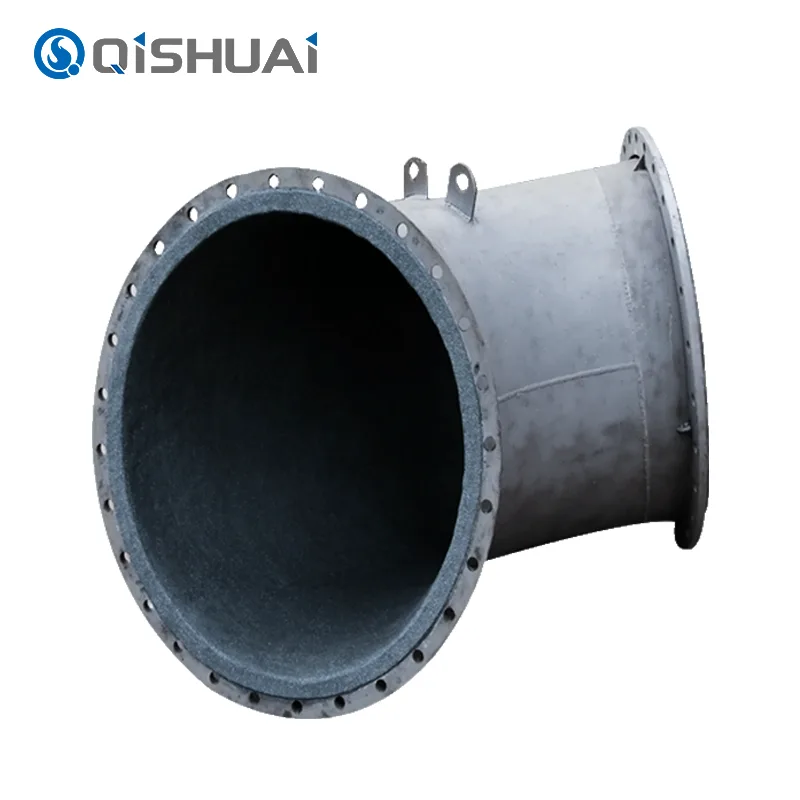
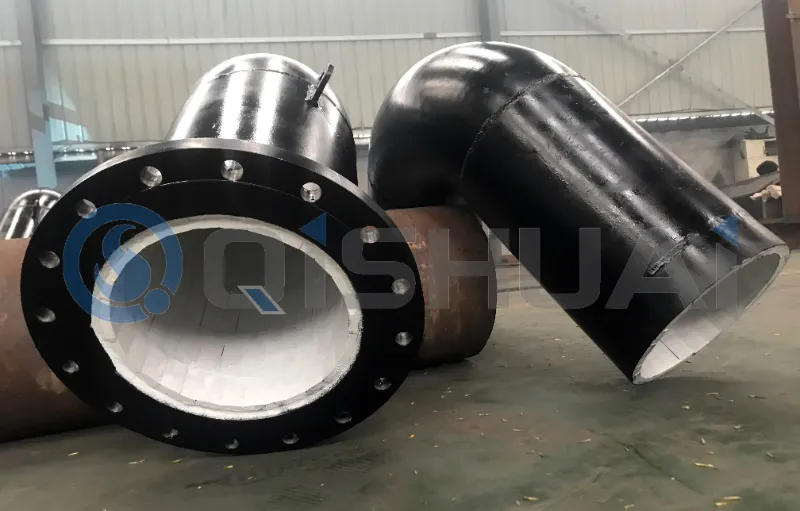
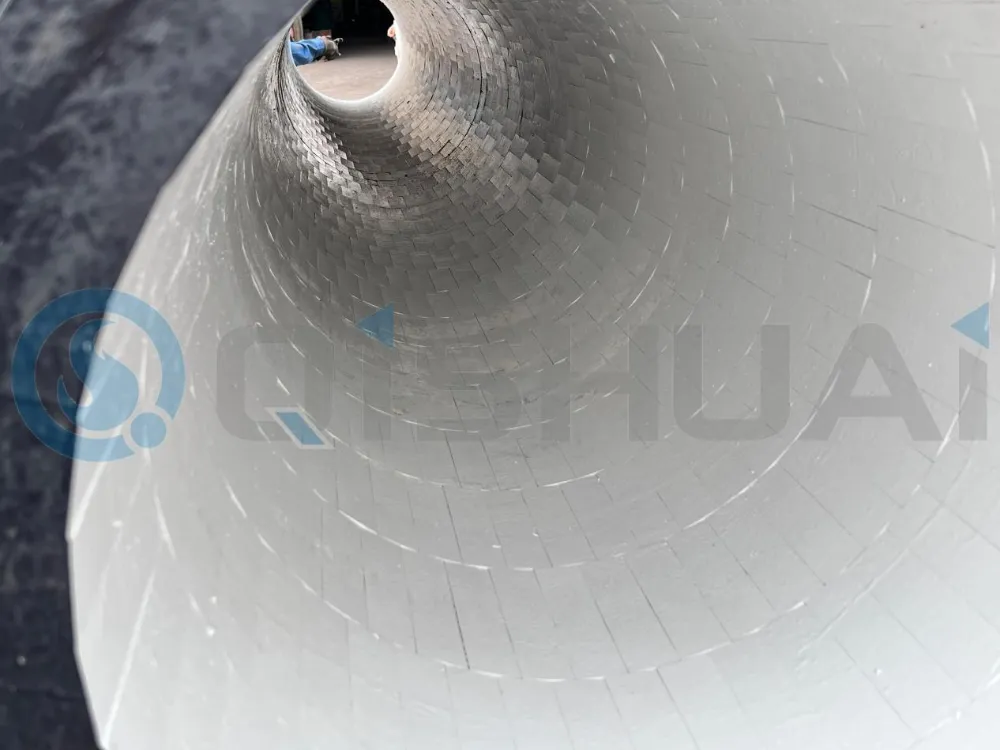
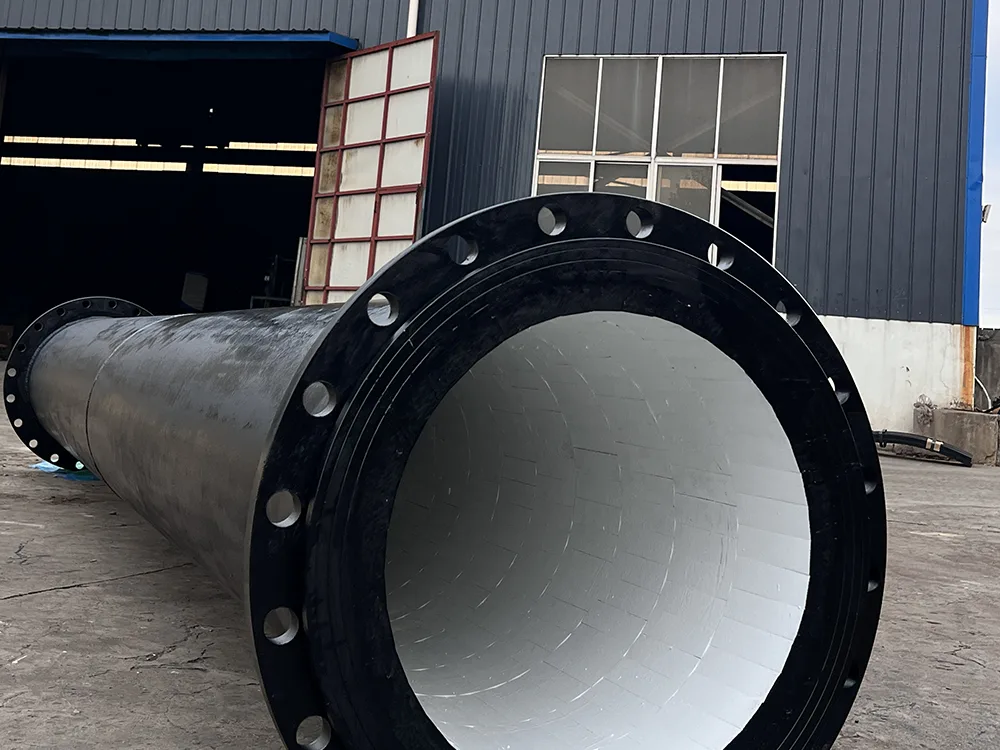
  3. Chemical Industry: Linings for tanks and pipes to resist corrosion and chemical wear.
  4. Mechanical Engineering: Wear-resistant components in pumps, valves, and sliding surfaces.
  5. Defense and Aerospace: Thermal shields and high-strength insulating components.

Selection Guidelines

Choosing the right alumina ceramic plate involves understanding your specific industrial needs:

  • Grade: Higher purity (≥99%) alumina offers better mechanical and electrical properties.
  • Size and Thickness: Match the plate dimensions to your equipment requirements to prevent mechanical stress.
  • Surface Finish: Smooth surfaces improve wear resistance, while rougher finishes may be used for bonding applications.
  • Thermal Requirements: Select a plate that can tolerate the operational temperature of your environment.

Maintenance and Care

Even though alumina ceramic plates are durable, proper care can extend their lifespan:

  • Handle with care to prevent chipping or cracking during installation.
  • Regularly inspect for surface wear or damage, especially in high-friction environments.
  • Clean with mild detergents; avoid harsh chemical cleaners that may leave residues.
  • Store in a dry environment to prevent contamination and mechanical damage.

FAQ

Q1: What industries most commonly use alumina ceramic plates?

A: Electronics, metallurgy, chemical processing, mechanical engineering, and aerospace industries widely use these plates for insulation, wear resistance, and thermal stability.

Q2: How long can alumina ceramic plates last under industrial conditions?

A: With proper handling and maintenance, alumina ceramic plates can last many years, often outperforming metal alternatives in harsh environments.

Q3: Can Shandong Qishuai provide customized sizes?

A: Yes, Shandong Qishuai specializes in producing alumina ceramic plates tailored to specific industrial requirements.

Q4: Are alumina ceramic plates suitable for high-temperature furnaces?

A: Absolutely. High-purity alumina plates can withstand temperatures up to 1600°C without losing mechanical integrity.


For industries seeking reliable and high-performance alumina ceramic plates, Shandong Qishuai offers top-quality solutions customized to your needs. Explore our full range of products at Shandong Qishuai Alumina Ceramic Plates and contact us today to optimize your industrial performance.

Related News
Leave me a message
X
We use cookies to offer you a better browsing experience, analyze site traffic and personalize content. By using this site, you agree to our use of cookies. Privacy Policy
Reject Accept