News

Industry News

Should You Pick 92% Or 95% Alumina Ceramic Wear Tile For Your Wear-Protection Project?31 2026-08

Should You Pick 92% Or 95% Alumina Ceramic Wear Tile For Your Wear-Protection Project?

When you begin shopping for industrial wear-resistant linings, two of the most frequently considered options are 92% and 95% Alumina Ceramic Wear Tile. Both grades deliver far stronger anti-abrasion performance than standard carbon steel, and they are widely fitted inside transfer chutes, storage hoppers, conveying pipelines, mineral processing machinery, cement production facilities, and bulk material handling circuits across many industries.
Why Are Chrome Bimetal Alloy Wear Plate Widely Used for Industrial Wear Protection?27 2026-08

Why Are Chrome Bimetal Alloy Wear Plate Widely Used for Industrial Wear Protection?

For factories seeking reliable wear-resistant solutions for harsh working scenarios, Chrome Bimetal Alloy Wear Plate have become a practical and popular option across multiple industries.
How Can You Optimize Alumina Grinding Ball Grading Ratios to Boost Mill-Grinding Efficiency?27 2026-08

How Can You Optimize Alumina Grinding Ball Grading Ratios to Boost Mill-Grinding Efficiency?

Many plant operators make the assumption that switching to premium-grade ceramic grinding media alone will fix poor milling output. Even after purchasing high-performance Alumina Grinding Ball, lots of processing lines still struggle with real-world pain points: overly long grinding cycles, slow particle size reduction, inconsistent finished fineness, and accelerated media loss.
How to Design CeramicLined Structures for Blast Furnace PCI Coal Injection Pipelines?19 2026-08

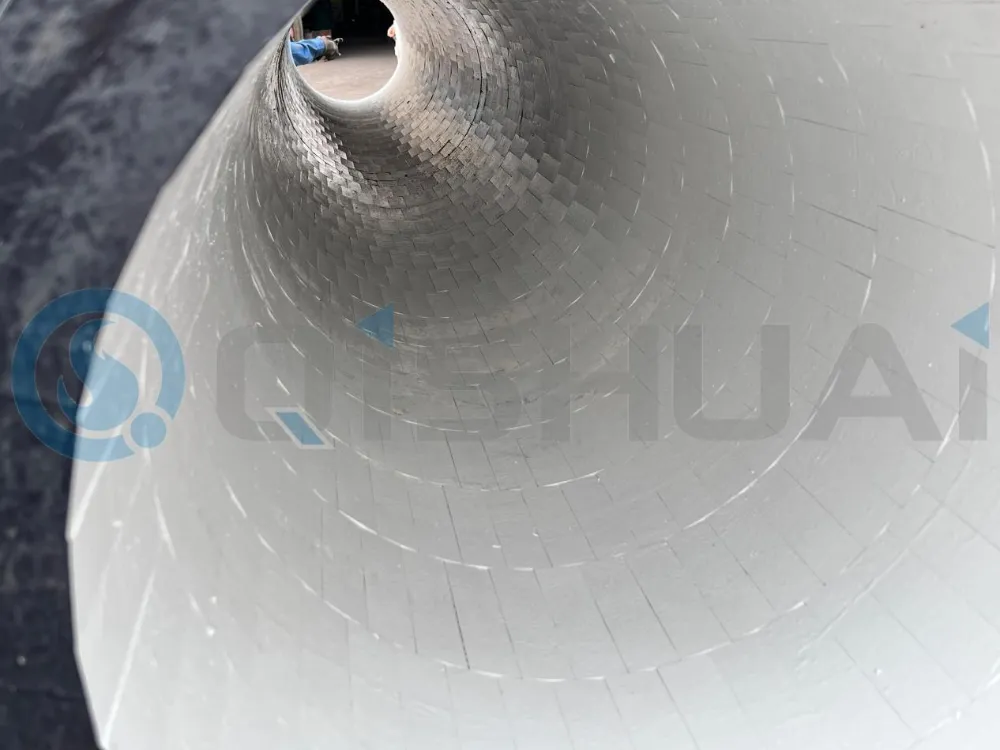
How to Design CeramicLined Structures for Blast Furnace PCI Coal Injection Pipelines?

Blast furnace pulverized coal injection (PCI) systems demand consistent, trouble-free material transport for normal smelting workflows. Inside the pipeline, fine coal particles travel at high flow speeds and keep striking the inner wall over long operating hours. Even though pulverized coal feels soft compared with hard mineral ore, prolonged pneumatic transfer will gradually wear down pipe components. Pipe bends where flow direction shifts suffer the most damage.
Why Are Alumina Ceramic Wear Liners More Durable Than Steel Liners in Industrial Settings?11 2026-08

Why Are Alumina Ceramic Wear Liners More Durable Than Steel Liners in Industrial Settings?

If your industrial equipment is constantly dealing with abrasive materials, the lifespan of wear liners directly affects how much you spend on maintenance and how smoothly your production runs. For decades, steel liners have been a go-to choice for chutes, hoppers, pipelines, cyclones, and other material-handling gear. But in many high-wear situations, alumina ceramic wear liners can last several times longer than steel ones.
Why Do Chromium Carbide Overlay Wear Plates Have Surface Cracks?11 2026-08

Why Do Chromium Carbide Overlay Wear Plates Have Surface Cracks?

If you are sourcing chromium carbide overlay wear plates for mineral processing, bulk material conveying or industrial chute lining, you may notice fine cracks distributed on the cladding surface. Many buyers mistakenly regard these cracks as product defects and worry about short service life during on-site operation. In fact, these surface cracks are a normal characteristic of properly manufactured chromium carbide overlay wear plates.
X
We use cookies to offer you a better browsing experience, analyze site traffic and personalize content. By using this site, you agree to our use of cookies. Privacy Policy
RejectAccept